20 Questions to Ask a Hunting Outfitter Before You Book
The questions that separate great outfitters from disappointments — success rates, access method, weapon restrictions, camp setup, guide ratios, cancellation policy, and red flags to watch for.
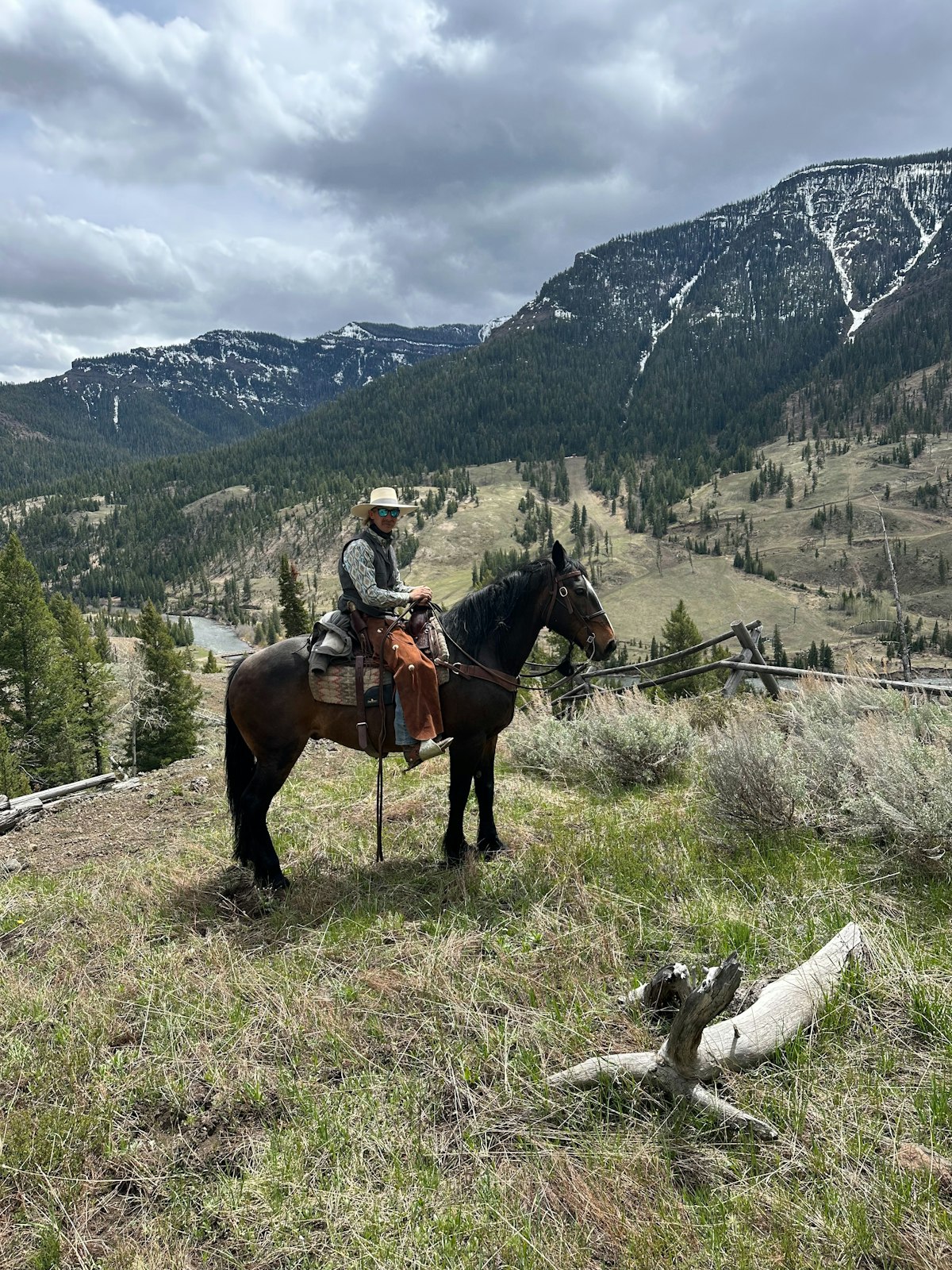
A guided hunt is one of the biggest purchases a hunter makes. You’re talking anywhere from $3,000 for a whitetail package to $20,000+ for a remote mountain elk hunt. And yet most hunters spend more time researching a new rifle than they do vetting the outfitter they’re handing that money to.
I’ve been on both sides of this. I’ve had hunts that delivered everything promised and then some. I’ve also had hunts where the “90% success rate” turned out to be creative math — and where questions I should have asked upfront would have saved me the trip. The difference between a great guided hunt and a frustrating one almost always comes down to what you asked before you booked.
These 20 questions cover everything that matters. Some will feel uncomfortable to ask. Ask them anyway. A good outfitter will answer every single one without hesitation. If they don’t, that tells you something too.
Before you reach out to outfitters, it also helps to understand the full picture — check out our guide on how to choose a hunting outfitter for a broader framework, and if you’re still deciding between guided and DIY, read through our guided vs. DIY hunting comparison first.
Success and Harvest Rates
These are the most important numbers in the conversation, and also the most commonly manipulated ones. Get specifics.
1. What is your documented harvest rate, and over how many seasons?
“We have a great success rate” means nothing. You want a number, and you want context. A 70% harvest rate over two seasons means something very different than 70% over ten. Single-season numbers can be flukes — good weather, above-average elk movement, a particularly productive unit. You want to see the trend over at least five years of data. Ask them to email you the breakdown by year if they have it. Outfitters who track this honestly will have it. Outfitters who don’t will give you a single number and change the subject.
2. How do you define “success” in that number?
This question catches more outfitters than almost any other. Some count “opportunity” — meaning a hunter passed on a shot or couldn’t close the deal — as a success. Others count any legal harvest, including small or young animals the hunter wasn’t targeting. Ask specifically: does your success rate count only harvested animals? Does it include animals taken with both rifle and archery? Trophy quality versus any legal animal? A 75% success rate on spike bulls is not the same as 75% on 340-class bulls. Make sure you’re reading the same scoreboard.
3. What is the average Boone & Crockett or Pope & Young score of harvested animals from your operation, if applicable?
For trophy-focused hunters, raw success rate isn’t enough. You want to know the quality of animals being harvested. Ask for the average score and the range — low, average, high — over the past three seasons. Some outfitters will have photos of every animal taken. Ask to see them. A few minutes scrolling through harvest photos tells you more than a conversation about “quality bulls” ever will.
4. What percentage of clients return for a second hunt with you?
Repeat client rate is an honest proxy for satisfaction. If an outfitter has a 60% return rate, most people who hunt with them liked the experience enough to come back. If it’s 15%, there’s a reason. Not every unhappy client leaves a public review — but they don’t rebook either.
Access and Terrain
Where you’re hunting and how you get there directly impacts your physical preparation, your gear list, and your realistic shot at success.
5. Is the hunt horse-assisted, ATV-assisted, or foot only?
This affects everything — how far you can realistically glass, how deep into the unit you’ll actually get, how much physical fitness matters, and what gear you need to pack. Don’t assume. Some outfitters call a hunt “horseback” but only use horses for the pack-out. Others ride to camp and foot-hunt from there. Get the exact breakdown of how you’ll be covering ground each day.
6. How far is camp from the trailhead or road, and how long does it take to get there?
A spike camp twelve miles in is a fundamentally different experience than a wall tent camp four miles from the truck. Distance affects what you can carry, how the outfitter resupplies, what happens if there’s a medical emergency, and how the weather affects your ability to get in and out. Know what you’re committing to.
7. What is the average distance hunters have to cover to retrieve a harvested animal?
Elk hunting in particular can involve brutal pack-outs. Ask this question and listen carefully. If the outfitter says “oh, we get the horses right to the animal almost every time,” that’s reassuring. If they get vague or wave it off, that’s a flag. Some hunters have ended up doing six-mile pack-outs with 150 pounds of elk on their backs because nobody told them the terrain made horse access impossible in most spots.
8. Can I e-scout the area on OnX or Google Earth before the hunt?
Any outfitter worth booking should be willing to tell you the general unit and let you do your own reconnaissance on mapping software. They don’t have to hand you exact camp coordinates, but if they refuse to tell you which unit you’re hunting until you show up, that’s worth understanding. Most legitimate outfitters are comfortable with hunters who do their homework — it tends to mean more engaged, prepared clients.
Weapon and Regulations
Weapon restrictions vary significantly between outfitters and states, and finding out after you’ve booked that your setup isn’t allowed is a miserable experience.
9. What weapons are legal during the hunt dates you’re offering?
State regulations govern minimum requirements, but hunt dates are tied to specific seasons — archery, muzzleloader, general rifle. Confirm exactly which season your dates fall under and what that means for your setup. A rifle hunt booked in October in some states might actually be a muzzleloader season. Don’t assume.
10. Do you have any weapon restrictions beyond state minimums?
Some outfitters restrict calibers, draw weight, or arrow setups beyond what the state requires — particularly on fair-chase or wilderness designations. A few outfitters prohibit crossbows even in states where they’re legal during archery season, or require minimum bullet weights for certain game. Ask specifically. “Whatever the state allows” is not always the actual answer.
11. Are crossbows permitted, and if so, under what conditions?
Crossbow rules are in flux in many states, and outfitter policies vary widely. If you’re planning to use a crossbow — whether for physical reasons or preference — confirm this explicitly before booking, not after. Some outfitters treat crossbows as archery equipment, others put restrictions on them, and a few don’t allow them at all even when the state permits it.
Camp and Food
You’re going to spend five to ten days in this camp. The comfort level matters more than most hunters admit.
12. What is the camp setup — wall tents, cabins, or spike camps — and what are the sleeping arrangements?
Wall tent camps in the backcountry are a legitimate and often excellent way to hunt remote country. But sharing a tent with three other hunters on a canvas cot is different from having a dedicated sleeping space. Ask how many hunters share a sleeping area, what the bedding situation is (cots, sleeping bags provided, or bring your own), and what privacy you can expect after long days in the field.
13. What does a typical camp meal look like?
Food matters more on a hard hunt than most people expect. After a twelve-hour day on horseback and foot in cold weather, the quality and quantity of meals directly affects your energy, mood, and performance the next day. Some outfitters employ dedicated camp cooks and put out real food — eggs and bacon in the morning, hot dinner, fresh bread. Others run on freeze-dried meals and protein bars. Neither is automatically wrong, but you should know what you’re walking into. Ask about dietary accommodations if relevant.
14. What are the sanitation and shower facilities?
A straight question that saves you from unpleasant surprises. Some backcountry camps have no shower facilities and a latrine. Others have propane-heated showers and composting toilets. For a week-long hunt, this is worth knowing upfront — not as a dealbreaker necessarily, but as part of what you’re signing up for.
Guides and Ratios
Your guide is the single biggest variable in your hunt experience. More than the terrain, more than the elk population, more than anything else. Ask hard questions about who will actually be in the field with you.
15. What is your hunter-to-guide ratio?
One guide for every two hunters is the most common setup. Some premium operations run one-to-one. A few budget operations push to three or four hunters per guide, which means significantly less time glassing your specific areas, less personal strategy, and slower reaction time when something happens. Know the ratio before you commit.
16. How many years of experience do your guides have, and are they licensed in this state?
Guide licensing requirements vary by state, but most western states require licensed outfitters to use only licensed guides on paid hunts. Ask for confirmation. On experience: someone who has guided elk for fifteen seasons in this specific unit knows things that a two-season guide simply doesn’t. Turnover is a real problem in the outfitting industry — ask if the guides you’d be hunting with have worked this same operation for multiple seasons.
17. Will you personally guide any of the hunters, and what role do you play day-to-day?
Some outfitters are in camp every day and guide hunters themselves, at least part of the time. Others book the hunts and delegate everything to employees while they run other business. Neither is automatically bad — an experienced and motivated employee guide can be excellent — but knowing the owner’s actual involvement helps you understand the operation. If they’re personally vested in your success, that usually shows.
References and Reputation
Warning
Any outfitter who hesitates to provide references from past clients in the same hunt season is waving a red flag you shouldn’t ignore. Satisfied clients are an outfitter’s best sales tool — they know this.
18. Can I speak directly with three past clients from the most recent season of this same hunt?
Not testimonials on their website. Not a curated list of their best reviews. Past clients you can call and talk to directly, from the same hunt type you’re booking, in the most recent season. Ask the clients: did the success rate match what was advertised? Were there surprises about camp, terrain, or access? Would you rebook? How did the outfitter handle things when something went wrong? A single conversation with a real past client tells you more than a hundred five-star reviews on their own website.
19. Do you have any complaints on file with your state’s outfitter licensing board or the BBB?
Most states that require outfitter licensing also have a complaint process. Look them up independently — don’t rely on what the outfitter tells you. The Better Business Bureau is imperfect but worth a five-minute search. Your state game department may also have records of outfitter violations. This is research you do on your own, but asking the outfitter directly sometimes shakes loose information, and their reaction to the question is data too.
Contracts and Money
Warning
Never hand over a deposit without a written contract in hand. If the outfitter doesn’t use contracts or pushes back on putting terms in writing, do not book. This protects both parties — a legitimate operation will have no problem with it.
20. What is your deposit structure, and what is your cancellation and refund policy in detail?
This is where hunts that go sideways turn into disputes. Get the full picture in writing: how much is the deposit, when is the balance due, what triggers a forfeiture, and under what conditions you can get a refund. Ask specifically: what happens if you have a documented medical emergency? What if the outfitter cancels or is unable to perform? What if a major weather event makes the hunt impossible? Good outfitters have clear written answers to all of these. A few additional follow-ups that belong in this same conversation:
- What is included in the hunt price, and what are common additional costs (licenses, trophy fees, taxidermy, pack-out fees, gratuity expectations)?
- If I don’t get a shot opportunity through no fault of my own — weather, outfitter equipment failure, vehicle breakdown — what is your policy?
- Do you offer a rebook option at a reduced rate if the hunt doesn’t pan out?
Red Flags to Walk Away From
Beyond the answers to specific questions, watch for these patterns across the whole conversation:
- No documented success rate. If they can’t give you a number tied to actual seasons and actual hunters, they either don’t track it or don’t want you to see it.
- Unusually low price. Guided hunts cost what they cost. If an outfitter is pricing 40% below competitors in the same state and unit, ask why — and be skeptical of the answer.
- Vague answers about terrain and access. Good outfitters know their ground intimately and can describe it clearly. Evasiveness here usually means they’re describing country they’ve barely hunted.
- Pressure to book before you’ve gotten your questions answered. Any outfitter who creates urgency around a booking decision before addressing your questions is prioritizing the deposit over your fit for the hunt. Legitimate outfitters want you to show up informed and with realistic expectations — it makes their job easier and produces better hunts.
- No written contract. Already said it. Non-negotiable.
Frequently Asked Questions
How far in advance should I book a guided hunt?
For premium western elk or deer hunts, twelve to eighteen months out is the norm for top operations. Popular units and dates fill well in advance. If you’re calling an outfitter in March hoping to book that October, you may still find availability — but your choices will be limited. Plan a year ahead if you can.
What should I bring to a guided hunt that outfitters typically don’t provide?
Almost all outfitters provide horses (if applicable), spike camp gear, cooking equipment, and field dressing. What you typically need to bring yourself: your hunting license and tags, all personal firearms or archery equipment and ammunition, personal clothing and layering system, sleeping bag (confirm whether the outfitter provides cots and bags), personal medications, and tip money. Confirm every item with your specific outfitter in writing.
Is it normal to tip a hunting guide, and how much?
Tipping is standard in the outfitting industry and expected by most guides. A common range is $100–$200 per day for a guide who performed well, or 10–15% of the hunt cost for a quality experience. Guides often earn modest base wages and rely on tips as a meaningful part of their income. If the outfitter guides you personally, a tip is still appropriate. Ask your outfitter upfront whether gratuity is built into the price or separate — some operations include it.
What is the most common reason guided hunts disappoint hunters?
Mismatched expectations. Not bad outfitters (though those exist) — mismatched expectations. Hunters who didn’t ask about terrain end up shocked by the physical demand. Hunters who didn’t clarify “success rate” definition feel misled when the numbers don’t mean what they thought. Hunters who didn’t ask about guide ratios didn’t realize they’d be hunting with two other guys and one guide. The 20 questions above exist specifically to close those gaps before money changes hands.
Free Tools
Plan Your Next Hunt
Draw odds, unit guides, deadline tracking, and 38+ planning tools — free for every western hunter.
Get the Insider Edge
Join hunters getting exclusive draw odds data, gear deals, and weekly hunt planning tips.
Related Articles

Guided vs DIY Hunting: Which Is Right for Your Next Hunt?
Guided hunting vs DIY — honest comparison of costs, success rates, time investment, and experience level required. When a guide is worth every penny and when you should go it alone.
How to Choose a Hunting Outfitter: Vetting Guide
Learn how to evaluate and choose a hunting outfitter — from checking references and licenses to understanding contracts, pricing, and red flags that save you thousands.
No comments yet. Be the first to share your experience!