Guided vs DIY Hunting: Which Is Right for Your Next Hunt?
Guided hunting vs DIY — honest comparison of costs, success rates, time investment, and experience level required. When a guide is worth every penny and when you should go it alone.

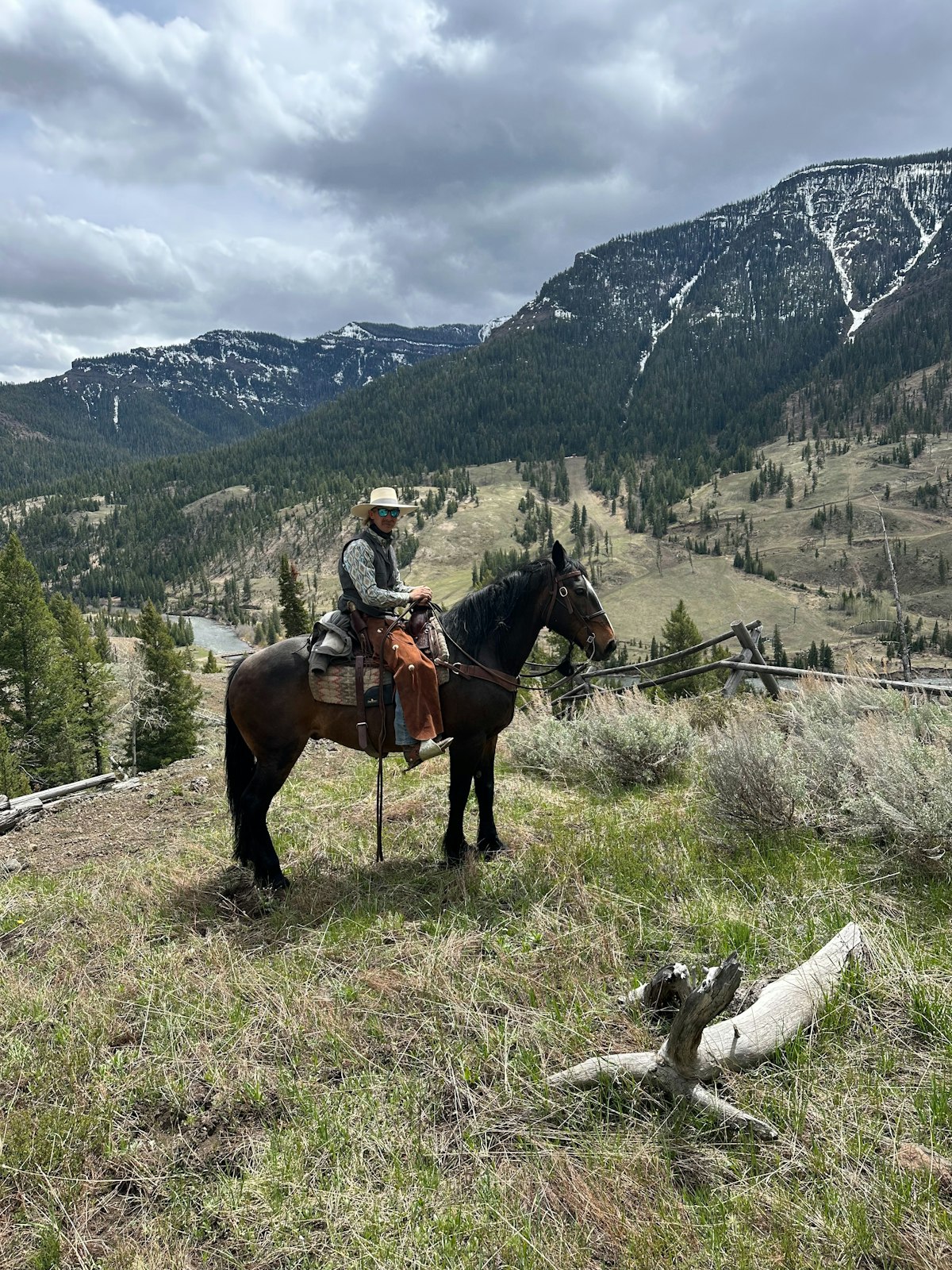
I’ve slept in both. The spike camp I threw together myself at 11,000 feet with a tarp, a broken sleeping pad, and elk bugling fifty yards away — and the outfitter’s wall tent with a wood stove, a cook named Rosalie who made biscuits every morning, and horses packed in with all the meat by noon. Both hunts were among the best of my life. Neither was clearly “better.”
But they cost very different amounts of money. They required very different amounts of preparation. And they were right for very different seasons of my hunting life.
If you’re wrestling with the guided vs DIY decision right now, I’m not going to feed you a sales pitch for either side. I’m going to lay out the honest math, the real experience differences, and the questions you should ask before you write any check.
What You’re Actually Paying For
Let’s start with the number that makes most hunters hesitate: the cost of a guided western elk hunt.
A reputable fully guided 7-day elk hunt in Colorado, Wyoming, New Mexico, or Idaho runs $7,000 to $18,000 depending on the outfitter, the unit, the access method (horseback vs. foot), camp quality, and the reputation the outfitter has built around trophy caliber animals. On top of that, add your elk tag (anywhere from $700 for non-resident OTC to $1,200+ for limited entry), travel, gear, and tips for your guide and wrangler.
All in, a premium guided elk hunt with a top-shelf outfitter lands you somewhere between $10,000 and $22,000.
Now here’s the DIY number: a self-guided backcountry elk hunt on public land, done well, runs $2,500 to $5,000 total. That includes your tag, travel, fuel, camp gear (amortized over multiple trips), food, and any calls, maps, or apps you’re running. If you already own backpacking gear, you can push the low end closer to $1,500 for just the tag and logistics.
The gap is real. But the gap isn’t the whole story.
Success Rates: The Uncomfortable Math
Here’s the stat nobody puts on a bumper sticker: first-time DIY hunters on public land in the West fill their elk tags at roughly 15–30% rates. In heavily pressured units on general OTC tags, that number can drop into the single digits. Most hunters who go DIY on their first western elk hunt come home without an elk.
Reputable guided operations run 60–80% kill rates, sometimes higher on limited entry units with good genetics and low pressure. When an outfitter tells you their success rate, ask them to define it: is that “kill rate” (animal down) or “opportunity rate” (shot opportunities presented)? Those are very different numbers.
Do the math. Five DIY attempts at a 20% success rate = 1 elk in five years, roughly $12,500 to $20,000 in cumulative costs, and five years of hunting time. One guided hunt at 70% success = roughly a 70% chance of an elk in year one, for $12,000 to $18,000.
On pure odds, a quality guided hunt is often a better investment per-elk-on-the-ground than years of DIY attempts — especially if you don’t live in elk country and can’t scout.
Pro Tip
Ask every outfitter you consider for their three-year average kill rate, broken down by weapon (rifle, archery, muzzleloader). Any outfitter worth hiring tracks this and will share it without hesitation.
The flip side: if you’re hunting elk for the experience — the scouting, the physical challenge, the learning curve, the independence — then success rate isn’t the whole metric. A lot of hunters would rather spend five years learning a unit and filling a tag on their own terms than hire someone to put them on an animal. That’s a completely legitimate position, and I’ve been that hunter.
When DIY Makes Real Sense
DIY isn’t for everyone, but it’s absolutely the right call under the right conditions. Here’s when I’d tell a hunter to go it alone:
You have time to scout. The single biggest predictor of DIY success isn’t fitness or shooting skill — it’s pre-season scouting hours. If you can get into your unit twice before the season, identify water, feed, timber transition zones, and wallow locations, you’ve compressed the learning curve dramatically. If you can’t scout until opening morning, guided hunts have a major structural advantage.
You’re hunting with a core group of experienced buddies. A crew of three or four hunters who’ve done western big game, who share camp duties, meat packing, and glassing shifts — that’s a force multiplier that changes the DIY calculus entirely. Elk hunting alone or with a first-timer partner is genuinely hard. Elk hunting with a skilled crew is genuinely great.
You’re focused on the experience over the outcome. If your bucket list item is going on an elk hunt, not specifically killing an elk, DIY gives you more freedom, more time in the field, and more of the process. You’ll learn things no outfitter can teach you because you’ll make mistakes and fix them yourself.
You’ve got two or more years of western hunting under your belt. The learning curve on western elk is steep. After two or three hunts — even unsuccessful ones — you understand thermals, elk vocalization, pressure timing, and recovery logistics well enough to execute. Your first western elk hunt is almost always educational, regardless of whether you tag out.
You’re hunting with family. Some of the most meaningful hunts in a person’s life happen in a camp their family set up themselves. Guided hunts are great, but there’s something different about a camp your son helped you build and a fire your daughter started.
When a Guide Is Worth Every Dollar
I’m not a guide service sales rep, but I’ve been honest with enough hunters to know that some situations genuinely call for an outfitter.
Your first elk hunt. Not because you’re incapable — but because the learning curve is brutal, and failure on a first western hunt kills enthusiasm. A quality guided hunt on your first trip gives you a baseline: you see how elk behave under pressure, how an experienced guide reads country, and what a well-run pack-in camp looks like. You can go DIY after that with real information.
Bucket list bulls. If you’ve drawn a coveted limited entry tag in a trophy unit — a New Mexico unit 34, a Nevada premium elk tag, a Wyoming limited entry — do not gamble that on a DIY first attempt in a unit you’ve never seen. The tag cost alone is $1,000+, you may not draw again for fifteen years, and outfitters who specialize in those units know exactly where the big bulls spend September. Use them.
Limited time windows. A guy who gets one week off per year and can’t pre-scout has a structural disadvantage in DIY hunting that money can solve. An outfitter eliminates the scouting burden. If your time is genuinely scarce, that’s worth pricing into the equation.
Remote wilderness units. Some of the best elk country in the West is accessible only by horse or an 8-mile pack-in on foot. If you don’t have horses and haven’t done backcountry pack-in logistics, partnering with an outfitter who does this daily is a legitimate safety and efficiency decision, not a weakness.
Trophy-focused hunts. If you’re primarily interested in a mature 350+ class bull and you’re not committed to a multi-year DIY learning process in a specific unit, a guided hunt in a low-pressure unit with a high-caliber outfitter is the most direct route to that specific outcome.
Warning
Outfitter “success rates” can be massaged. An operation might count any legal bull as a success even if your goal was a 6x6. Always clarify: success rate on your stated goal, not just any legal animal.
Types of Guided Hunts: Not All Outfitters Are the Same
“Guided hunting” covers a wide spectrum. Understanding the types helps you match the right service to your needs and budget.
Fully guided horseback hunt. The classic western experience. You’re in camp, horses handle the gear, and a dedicated guide is with you every day in the field. Typically 1:1 or 1:2 guide-to-hunter ratio. Most expensive option. Most comfortable. Highest service level.
Drop camp. The outfitter packs you and all your gear into a backcountry location by horse, sets up a base camp, and retrieves you at the end of the hunt. You do all the hunting yourself. Costs significantly less — typically $1,500 to $3,500 depending on distance and duration — and is one of the best value structures in western hunting. You get the logistics advantage of horse access without paying daily guide fees.
Semi-guided. Outfitter provides camp, meals, and some field time, but you’re not with a guide every day. Common on large private ranches. Sits between drop camp and fully guided in both cost and service intensity.
Guide services only. Some hunters hire a local guide for specific days — typically opening morning, or when the rut peaks — without a full camp package. You handle your own lodging and logistics, but pay for local expertise during the highest-leverage time windows. Underutilized and worth knowing about.
For a detailed breakdown of how to evaluate outfitters before committing money, see our guide at /articles/how-to-choose-a-hunting-outfitter.
The Hybrid Approach: Drop Camp Done Right
The best value structure in western elk hunting that most hunters overlook is the drop camp combined with serious personal preparation.
Here’s the model: hire an outfitter purely for the logistics — they pack you and your camp into a remote basin, set up your tent or provide a spike tent package, and you hunt on your own. You’ve done your scouting on OnX, you know the drainages, you’ve called elk before. You’re bringing the hunting knowledge. The outfitter is bringing the horses.
Cost: $2,000–$3,500 for the drop, plus your tag and travel. Total trip often comes in under $6,000 — less than half the cost of a fully guided hunt — but you’re accessing country that’s a genuine 8-mile pack from the trailhead, which most DIY hunters on foot never reach.
This is the approach I’d recommend to any hunter who’s done 2+ western elk hunts, is in solid physical condition, and wants to stretch their budget without sacrificing access to quality country.
Pro Tip
When pricing drop camps, ask specifically: does the package include a cook or any meals? Does the outfitter check camp mid-hunt? Is there a dedicated meat-packing retrieval after a kill, or does that cost extra? Those details add up.
How to Evaluate an Outfitter Before You Pay
If you’re leaning toward a guided hunt, the outfitter evaluation process is where you earn or lose money. Do not skip this.
References. Ask for three references from hunters who went in the last two seasons. Call them. Ask about camp quality, guide competence, animal numbers, how the outfitter handled a bad situation (weather, injury, slow elk activity), and whether they’d book again.
Three-year success rate data. Request kill rates by year and weapon for the last three seasons. One good year can be luck. Three consistent years is a system.
Access method and country. Is this a horseback operation into legitimate backcountry, or is it a “guided” hunt on a 1,200-acre private ranch that’s basically a shooting preserve at elk hunt prices? Both can be legitimate depending on your goals, but understand what you’re buying.
Camp infrastructure. Wall tents with wood stoves are the gold standard for comfort and weather resilience in a 7-day hunt. Ask about sleeping arrangements (cots vs. ground), cook tent setup, and whether the cook is dedicated or the guide doubles as chef after a 12-hour day in the field.
Weapon preferences and access. Some outfitters specialize in archery and have specific calling setups and timber access that are less effective for rifle hunters. Some run dedicated rifle camps in open country. Know which type matches your hunt.
What happens if you wound an animal. This is the question most hunters forget. Ask about blood trailing policy, the outfitter’s experience recovering wounded animals, and whether additional pack-out charges apply if recovery takes an extra day.
For more on this evaluation process, the article at /articles/diy-elk-hunt-planning-guide covers the planning framework whether you go guided or solo.
The Bottom Line
Neither guided nor DIY is universally right. They serve different hunters at different points in their hunting life, with different goals and different amounts of time, money, and experience.
The honest answer most hunting writers won’t give you: if your primary goal is killing an elk and you don’t have the time or experience to close that gap yourself, a quality guided hunt at 70% success is mathematically better than five DIY attempts at 20% success. The numbers don’t lie, and pretending otherwise does hunters a disservice.
But if you’re after the process — the scouting, the independence, the deep knowledge of a piece of country, the self-reliance — then DIY has a value that can’t be calculated in success rates. Some of the most meaningful elk hunting I’ve done was on years I came home empty-handed.
Know which hunter you are right now. Invest accordingly.
Frequently Asked Questions
Is a guided elk hunt worth the cost for a beginner?
For most beginners, yes — with caveats. A quality guided hunt eliminates the steepest part of the learning curve, puts you in front of elk, and gives you a baseline for understanding how elk behave in real hunting pressure. The key is choosing a reputable outfitter with verified references and honest success rate data. A $9,000 guided hunt with a 70% kill rate is a better first elk investment than three failed $3,000 DIY attempts that burn out your enthusiasm.
What is a drop camp and how does it differ from a fully guided hunt?
A drop camp is a logistics service only: the outfitter packs you and your gear into backcountry on horses, sets up a base camp, and retrieves you at hunt’s end. You do all the hunting yourself without a daily guide. It typically costs $1,500–$3,500 compared to $7,000–$18,000 for a fully guided hunt. It’s the best value structure in western elk hunting for experienced hunters who want remote access without full guide fees.
What success rate should I expect from a reputable guided elk outfitter?
Reputable operations typically run 60–80% kill rates on fully guided hunts. Below 50% is a red flag unless the outfitter hunts extremely rugged, high-difficulty country and is transparent about it. Always ask for three-year averages broken down by weapon type, and ask how they define “success” — kill rate vs. opportunity rate are very different metrics.
How many years of experience do you need before DIY elk hunting makes sense?
Most hunters benefit from at least two western big game trips before going fully self-guided on elk. The first trip — guided or not — is largely educational. By the second or third trip, you understand thermals, elk vocalization, pressure responses, and recovery logistics well enough to execute a DIY plan. If you can also put in significant pre-season scouting time in your specific unit, you can compress that timeline.
Can you hire a guide for just part of a hunt instead of the full package?
Yes — this is called a guide-services-only arrangement, and it’s underutilized. Some hunters hire a local guide for the highest-leverage days (opening weekend, peak rut) while handling their own camp and logistics. This costs significantly less than a full guided package and gives you local expertise exactly when elk activity peaks. It works best if you already know the general area and just want tactical support during the critical window.
Free Tools
Plan Your Next Hunt
Draw odds, unit guides, deadline tracking, and 38+ planning tools — free for every western hunter.
Get the Insider Edge
Join hunters getting exclusive draw odds data, gear deals, and weekly hunt planning tips.
Related Articles
20 Questions to Ask a Hunting Outfitter Before You Book
The questions that separate great outfitters from disappointments — success rates, access method, weapon restrictions, camp setup, guide ratios, cancellation policy, and red flags to watch for.
How to Choose a Hunting Outfitter: Vetting Guide
Learn how to evaluate and choose a hunting outfitter — from checking references and licenses to understanding contracts, pricing, and red flags that save you thousands.
No comments yet. Be the first to share your experience!