How to Choose a Hunting Outfitter: Vetting Guide
Learn how to evaluate and choose a hunting outfitter — from checking references and licenses to understanding contracts, pricing, and red flags that save you thousands.
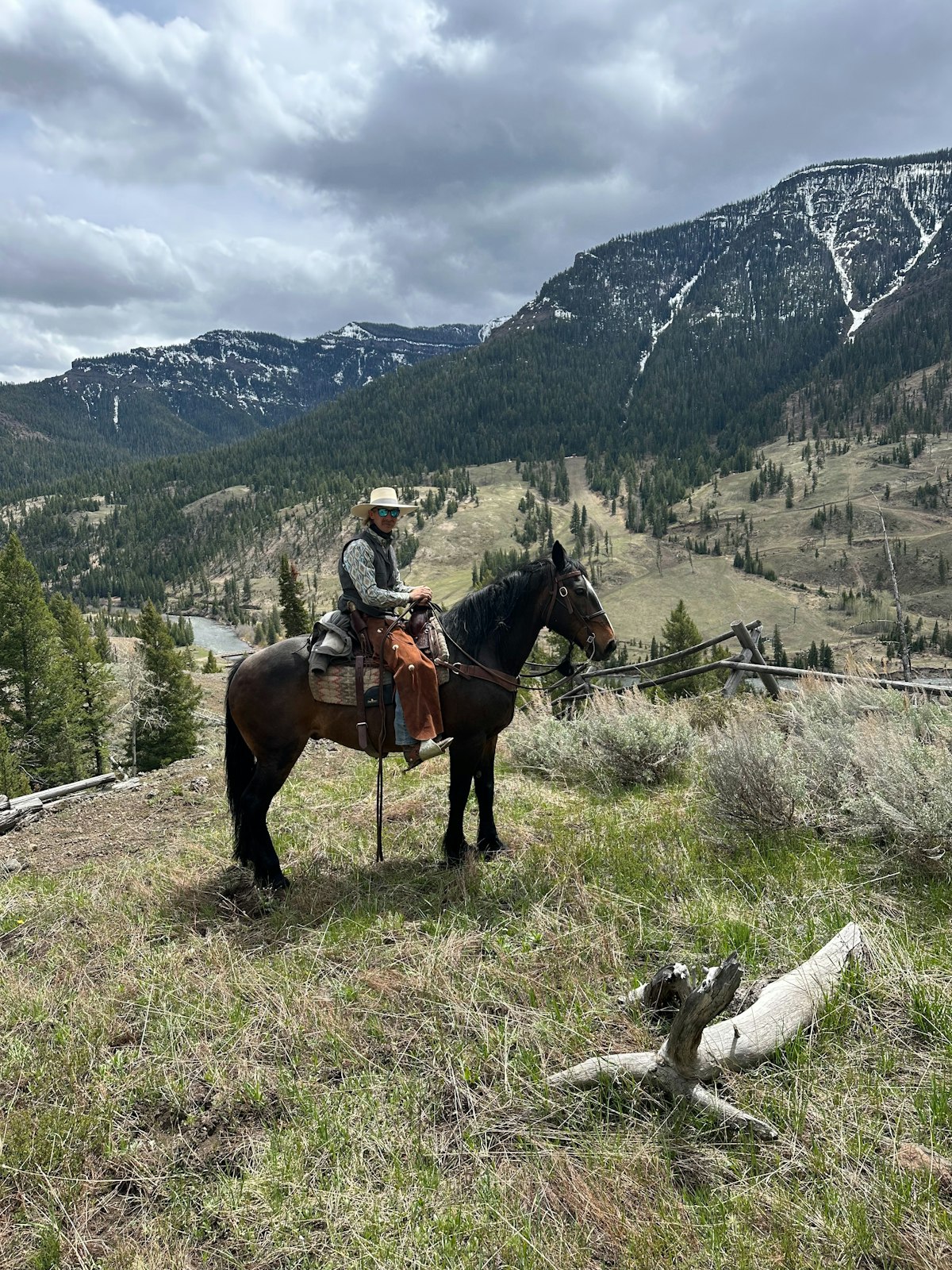
A guided hunt lives or dies on the outfitter. The outfitter controls your access, your guide quality, the terrain you hunt, the food you eat, the camp you sleep in, and ultimately your odds of filling a tag. A great outfitter turns an average unit into a trophy opportunity. A bad one can burn a once-in-a-lifetime tag and leave you $8,000 lighter with nothing but frustration.
The problem is that every outfitter’s website looks professional. Every one has hero photos of dead bulls and five-star testimonials from unnamed clients. Separating legitimate operations from over-promised, under-delivered outfits requires systematic vetting — not gut feeling, not a flashy Instagram feed, and definitely not a convention booth handshake.
This article contains affiliate links. We may earn a small commission if you purchase through these links, at no extra cost to you.
This guide gives you a repeatable process for evaluating any outfitter, whether you’re booking a $3,000 whitetail hunt in the Midwest or a $15,000 guided elk hunt in the Rockies.
Quick Reference: Outfitter Vetting Checklist
| Category | What to Verify | Red Flag |
|---|---|---|
| Licensing | State outfitter/guide license current | No license number provided |
| Insurance | General liability + client coverage | Won’t provide proof of insurance |
| References | 5+ verifiable past clients | Only offers website testimonials |
| Experience | 10+ years operating | Changed names or ownership recently |
| Success Rate | Documented harvest data | Vague claims without numbers |
| Contract | Written agreement with all costs | Verbal-only pricing |
| Refund Policy | Clear cancellation terms | Non-refundable everything |
| Land Access | Permitted, leased, or owned | Can’t describe specific hunting areas |
| Guide Ratio | 1:1 or 1:2 guide-to-client | 1:3+ or “shared guide” without discount |
| Communication | Responsive within 48 hours | Takes weeks to respond or dodges questions |
Step 1: Verify Licensing and Insurance
Every state that requires outfitter licensing publishes a public database of licensed operators. This is your first filter — and it eliminates a surprising number of operations.
State Licensing Requirements
| State | License Required | Verification Source | Annual Cost |
|---|---|---|---|
| Colorado | Yes — Outfitter Registration | DORA (Dept. of Regulatory Agencies) | $560 |
| Montana | Yes — Outfitter License | MT Board of Outfitters | $600 |
| Wyoming | Yes — Outfitter/Guide License | WY Board of Outfitters | $500 |
| Idaho | Yes — Outfitter/Guide License | IOGLB (Idaho Outfitters & Guides Licensing Board) | $700 |
| New Mexico | Yes — Outfitter Registration | NM Dept. of Game & Fish | $200 |
| Oregon | Yes — Guide/Outfitter License | ODFW | $300 |
| Arizona | No state license required | N/A | N/A |
| Texas | No state license required | N/A | N/A |
If an outfitter operates in a licensed state and can’t produce a current license number, walk away. No exceptions.
Unlicensed Outfitters Are Operating Illegally
An outfitter without a valid state license in a state that requires one is breaking the law. This is not a technicality — it exposes you to legal risk if game wardens investigate, may void your tag, and signals that this person cuts corners on everything else too. Verify license status on the state agency’s public database before any money changes hands.
Insurance: Request a Certificate of Insurance showing general liability coverage of at least $1 million. Legitimate outfitters carry this routinely and won’t hesitate to provide it. This protects you if you’re injured on their property or during transport. Some outfitters also carry client property insurance for firearms and gear.
Step 2: Check References — The Right Way
Website testimonials are curated. Social media comments can be fake or incentivized. The only references that matter are real people you can call and talk to for 15 minutes.
How to Get References
- Ask the outfitter for five or more references from the last two seasons — not five years ago, not their best friend from 2018
- Request a mix of successful and unsuccessful hunters — an outfitter who only provides clients who killed trophies is hiding something
- Ask for references from your specific hunt type — if you’re booking a DIY drop camp, don’t accept references from fully guided rifle hunters
What to Ask References
| Question | Why It Matters |
|---|---|
| ”Would you book with them again?” | The single most telling question |
| ”What was the guide-to-client ratio?” | Matches what was promised |
| ”How was the food and camp quality?” | Reveals day-to-day experience |
| ”Did you see game every day?” | Indicates quality of hunting area |
| ”Were there any surprise charges?” | Exposes hidden fee practices |
| ”How was communication before the hunt?” | Pre-trip organization predicts on-trip quality |
| ”What would you change about the experience?” | Forces honest feedback beyond the highlight reel |
If the outfitter resists providing references, or if the references sound scripted, keep looking.
Ask for References From Unsuccessful Hunters
Any outfitter can give you the contact of a hunter who killed a trophy bull. The real test is how the operation performs when things go wrong — bad weather, slow elk, a client who misses. Ask specifically for two references from hunters who did not harvest. How those clients describe the experience tells you more about the outfit than any hero shot.
Step 3: Evaluate the Hunting Area
An outfitter is only as good as the ground they have access to. A world-class guide on mediocre habitat will produce mediocre results.
Questions to Ask About Land Access
- How many acres do you hunt? For elk, legitimate operations need 50,000+ acres of varied terrain. For whitetail, 5,000+ managed acres.
- Is it public, private, or a combination? Public-land outfitters compete with DIY hunters. Private-land outfitters control pressure but may charge more.
- How many clients hunt the same area per season? Overstocking is the fastest way to degrade a hunting area.
- Do you rotate hunting pressure across your concession? Smart outfitters rest certain areas each year.
- What is the documented harvest history for the past five years? Not claimed success rates — actual documented numbers.
Success Rate Reality Check
| Claimed Success Rate | What It Probably Means |
|---|---|
| ”90-100% opportunity” | Opportunity, not harvest — means you might see an animal |
| ”80%+ success” | Possible on private land, ask for documented data |
| ”50-70% success” | Realistic for public-land elk outfitters |
| ”100% success guaranteed” | Either high-fence operation or outright dishonest |
For Western elk hunts, a legitimate public-land outfitter producing 40 to 60 percent rifle harvest rates is doing excellent work. Archery success runs 20 to 40 percent for quality operations. Anyone claiming higher numbers on public land should prove it with documented harvest records, not just claims.
Compare your expectations against our data in the elk hunt cost breakdown which includes typical success rates by state and hunt type.
Step 4: Understand the Contract and Pricing
If there is no written contract, there is no deal. A verbal agreement with an outfitter is worth the paper it’s printed on.
What the Contract Must Include
| Contract Element | Details |
|---|---|
| Hunt dates | Specific start and end dates |
| Total cost | Daily rate, guide fees, and what’s included |
| Deposit amount and due date | Typically 50% at booking |
| Balance due date | Usually 60-90 days before hunt |
| Cancellation/refund policy | What you get back if you cancel, and when |
| What’s included | Meals, lodging, transport, game processing, tags |
| What’s NOT included | Licenses, tags, trophy fees, tips, travel, taxidermy |
| Guide-to-client ratio | 1:1, 1:2, or shared |
| Kill fee or trophy fee structure | Especially for international hunts |
| Wounded animal policy | Who pays for lost or wounded game |
| Liability waiver | Standard, but read it |
Pricing Transparency
| Hunt Type | Typical Price Range | What Should Be Included |
|---|---|---|
| Guided elk (rifle, 5-day) | $5,000 – $8,500 | Guide, meals, lodging, field transport |
| Guided elk (archery, 6-day) | $4,500 – $7,000 | Guide, meals, lodging, field transport |
| Drop camp elk (5-day) | $2,000 – $4,000 | Camp setup, horse pack-in, gear |
| Guided mule deer (5-day) | $4,000 – $7,500 | Guide, meals, lodging, field transport |
| Guided whitetail (3-day) | $2,500 – $5,000 | Guide, meals, lodging, blind/stand access |
| International plains game (7-day) | $4,000 – $8,000 + trophy fees | Daily rate, meals, lodging, PH, trackers |
If a price seems dramatically lower than market rate, ask what’s not included. A “$3,000 elk hunt” that doesn’t include meals, lodging, or field dressing isn’t a deal — it’s a partial quote.
Step 5: Assess Communication Quality
How an outfitter communicates before you book predicts how they’ll perform during your hunt. This is not a minor detail — it is one of the most reliable indicators of operational quality.
Communication Benchmarks
| Metric | Good Sign | Warning Sign |
|---|---|---|
| Initial response time | Within 24-48 hours | More than a week |
| Detail in responses | Specific answers to your questions | Generic copy-paste replies |
| Willingness to call | Offers a phone conversation | Email only, avoids calls |
| Pre-hunt information | Sends a detailed preparation packet | ”Just show up” |
| Gear recommendations | Specific, practical suggestions | Vague or none |
| Post-booking follow-up | Regular check-ins before hunt | Radio silence until hunt week |
An outfitter who takes five days to respond to a booking inquiry is not going to miraculously become responsive when you need them to coordinate logistics for a $7,000 hunt.
Step 6: Verify Guide Quality
The outfitter books the hunt. The guide makes it happen. In many operations, the outfitter is also the head guide. In larger operations, you may be assigned a guide you’ve never spoken to.
What to Ask About Guides
- How long has my assigned guide worked for you? First-season guides have a learning curve.
- What is the guide’s experience with my specific hunt type? Archery elk and rifle elk require different skill sets.
- Can I speak with my guide before the hunt? The best operations facilitate this.
- What happens if my guide and I don’t mesh? Good outfitters will reassign if possible.
Insist on 1-on-1 for Archery Elk Hunting
Archery elk calling setups require instant communication and rapid decision-making between caller and shooter. A 1:2 guide ratio works fine for rifle hunters glassing a basin from a ridge, but it fails completely during an active bugling encounter with a closing bull. If you’re booking an archery elk hunt, 1-on-1 guiding is not a luxury — it’s a functional requirement.
Guide-to-Client Ratio
| Ratio | Best For | Typical Cost Impact |
|---|---|---|
| 1:1 | Archery, backcountry, trophy hunts | Premium ($1,000-$2,000 more) |
| 1:2 | Rifle hunts, social hunters | Standard pricing |
| 1:3+ | Budget hunts, semiguided | Discounted 20-30% |
For any archery elk hunt, insist on 1:1 guiding. The mobility and quick decision-making required during a bugling encounter doesn’t work with multiple clients. For rifle hunts in open country, 1:2 can work well if both hunters are compatible.
Step 7: Check the Booking Timeline
When you book matters almost as much as who you book with. The best outfitters fill their prime dates 12 to 18 months in advance. If a premium outfitter has wide-open availability during peak season, that’s either a new operation or a warning sign.
Booking Timeline by Hunt Type
| Hunt Type | When to Book | Why |
|---|---|---|
| Premium elk (limited-entry) | 12 – 18 months ahead | Contingent on drawing tag |
| OTC elk (archery) | 6 – 12 months ahead | No draw needed, high demand |
| Guided mule deer | 8 – 14 months ahead | Draw dependent in most states |
| Whitetail (Midwest/Texas) | 6 – 10 months ahead | Prime rut dates fill fast |
| International safari | 10 – 14 months ahead | Firearm permit processing time |
If you’re applying for a tag in a state draw system, book your outfitter contingent on drawing. Reputable outfitters accept draw-contingent bookings and will refund your deposit (minus a small processing fee) if you don’t draw. Any outfitter that demands a non-refundable deposit without draw contingency is not someone you want to hunt with.
Use the Application Timeline Planner to coordinate draw applications with outfitter bookings across multiple states.
Red Flags: When to Walk Away
These are not yellow flags. These are walk-away, no-second-chance indicators.
- No state outfitter license in a state that requires one
- Won’t provide verifiable references or only offers references from three or more years ago
- Pressure to book immediately with large non-refundable deposits
- Verbal-only pricing without a written contract
- Unrealistic success rate claims (100% on public-land elk)
- Multiple name changes or ownership transfers in recent years
- Active complaints with state outfitter board or Better Business Bureau
- No social media presence or recent activity — suggests inactive or hiding something
- Guide assigned at the last minute with no opportunity to connect beforehand
- Won’t disclose specific hunting area or acreage
Where to Find Outfitters
| Source | Pros | Cons |
|---|---|---|
| State game agency website | Licensed, verified | No quality ranking |
| Hunting expos (RMEF, SCI, DSC) | Meet in person, ask questions | High-pressure sales environment |
| Online directories (APHA, NRA) | Large selection | No quality vetting |
| Word of mouth from other hunters | Trusted firsthand experience | Limited sample size |
| Booking agents | Vetted operations, recourse if issues | 10-15% commission may be built into price |
| Hunting forums (Rokslide, HuntTalk) | Unfiltered real-world reviews | Can be biased or outdated |
The best approach combines multiple sources. Start with state-licensed outfitter lists, cross-reference with forum reviews, then verify through direct reference calls.
Frequently Asked Questions
How much should I expect to pay for a guided elk hunt?
Guided elk hunts range from $4,500 to $8,500 for a standard 5-to-7-day rifle hunt in Colorado, Montana, Idaho, or Wyoming. Premium outfitters with high success rates on private land or exclusive permits may charge $10,000 to $15,000. Drop camps run $2,000 to $4,000. Our guided elk hunt cost breakdown has detailed pricing by state and hunt type.
Should I book directly or use a booking agent?
Both work. Direct booking saves the commission that some outfitters build into agent pricing (10-15%). Booking agents provide a layer of accountability — they vet operations and can intervene if something goes wrong. For international hunts, agents are particularly valuable because they handle complex logistics. For domestic hunts where you’ve done your own vetting, direct booking is fine.
What percentage deposit is normal?
A 50% deposit at booking is standard across the industry. The balance is typically due 60 to 90 days before the hunt. Deposits are usually non-refundable but transferable to a future date if you cancel with adequate notice. Draw-contingent bookings should have a clear refund policy if you don’t draw your tag.
How do I know if success rates are real?
Ask for documented harvest records, not claimed percentages. Request the total number of hunters per season and the total number of animals harvested. A legitimate outfitter tracks this data meticulously because it drives their business. If they can’t produce numbers, the claimed rates are estimates at best and marketing fiction at worst.
What’s the difference between a guide and an outfitter?
An outfitter is the business that provides the hunting experience — they hold the permits, own or lease the land access, provide lodging and meals, and manage the operation. A guide is the individual who takes you into the field and helps you find and harvest game. Some outfitters are also guides (owner-operated). Large operations employ multiple guides under one outfitter license.
When should I tip my guide and how much?
Tip at the end of the hunt. Industry standard is 10 to 15 percent of the hunt cost for the guide, with additional tips for support staff (cooks, wranglers, camp hands) of $20 to $50 per day each. A quality pair of binoculars is worth bringing on any guided hunt rather than relying on camp optics. If your guide went above and beyond — helped you pack out a bull in the dark, worked extra hours, made the trip exceptional — tip toward the higher end or above.
Tools for Booking Your Next Hunt
- Hunt Cost Calculator — Estimate total costs for any guided hunt
- Draw Odds Engine — Check tag availability before booking an outfitter
- Application Timeline Planner — Coordinate draw applications with outfitter bookings
- Gear Loadout Builder — Build a gear list based on your outfitter’s recommendations
- Garmin InReach Mini — Essential satellite communicator for guided and DIY hunts
- Cheapest Elk Hunts in America — Budget-friendly alternatives to premium guided hunts
Free Tools
Plan Your Next Hunt
Draw odds, unit guides, deadline tracking, and 38+ planning tools — free for every western hunter.
Get the Insider Edge
Join hunters getting exclusive draw odds data, gear deals, and weekly hunt planning tips.
Related Articles

Guided vs DIY Hunting: Which Is Right for Your Next Hunt?
Guided hunting vs DIY — honest comparison of costs, success rates, time investment, and experience level required. When a guide is worth every penny and when you should go it alone.
20 Questions to Ask a Hunting Outfitter Before You Book
The questions that separate great outfitters from disappointments — success rates, access method, weapon restrictions, camp setup, guide ratios, cancellation policy, and red flags to watch for.
No comments yet. Be the first to share your experience!