Wyoming Hunting Guide: Elk, Deer, Pronghorn, Sheep, and the Draw System
Wyoming runs a pure preference point draw system, the largest pronghorn herd in North America, and arguably the best elk hunting in the lower 48. Here's how to plan your Wyoming application strategy.
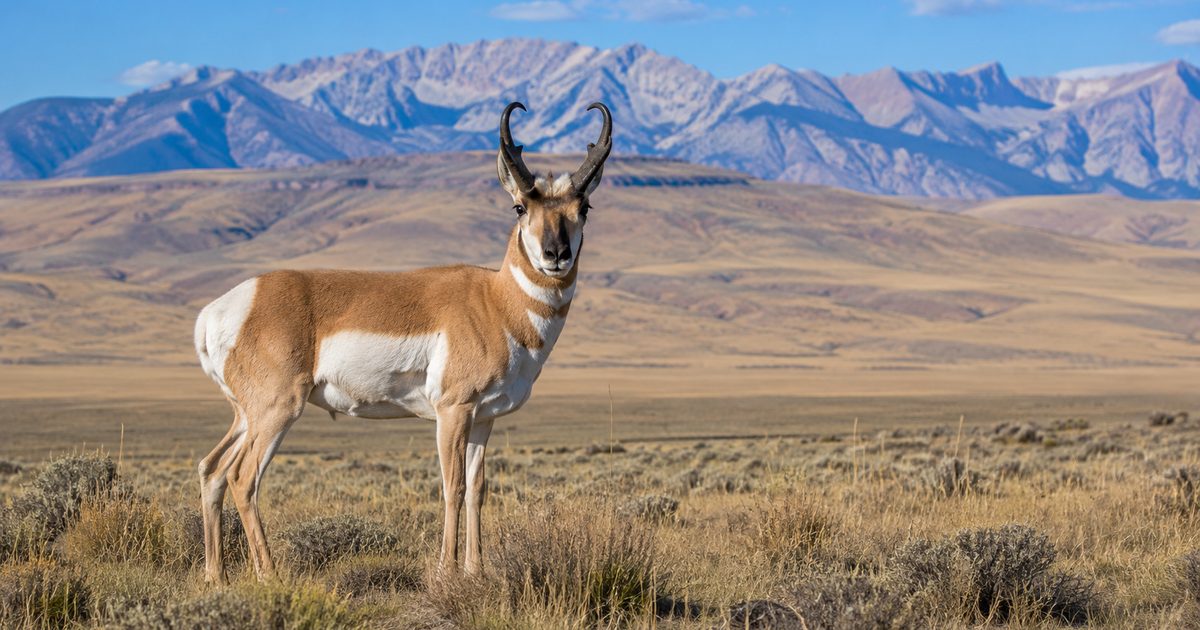
Wyoming doesn’t have the most hunters. It doesn’t have the biggest draw pool or the flashiest application interface. What it has is some of the finest big-game hunting on the continent — mature elk in wilderness country, pronghorn in numbers no other state can match, and a point system that rewards patient, strategic applicants.
Disclaimer: Season dates, tag costs, and regulations change annually. Always verify current information directly with Wyoming Game and Fish at wgfd.wyo.gov before applying or purchasing tags.
How Wyoming’s Draw System Works
Wyoming operates a pure preference point system. That’s not a subtle distinction — it’s the defining feature of how you should approach every application decision here.
In a pure preference system, the hunter with the most points for a given species and hunt area draws first. Period. There’s no random component once you’re past the minimum point threshold. If you have 12 points for elk and the quota is 10 tags, and the 10th highest-point applicant has 11 points, you get a tag. If the cutoff is 13, you don’t. This makes Wyoming’s draw highly predictable compared to bonus-point states like Colorado, where randomness plays a larger role at every tier.
The predictability cuts both ways. It means you can look at historical data and know within a narrow range exactly when you’ll draw a given hunt area. It also means that if you start accumulating points late, you’re permanently behind everyone who started earlier. In Wyoming, the single most important thing a new applicant can do is start buying preference points immediately — for every species, every year, without exception.
Points cost roughly the same as a license fee — a modest annual investment that compounds enormously over time. Wyoming allows you to purchase preference points without applying for a specific hunt area, so there’s no risk of accidentally drawing a hunt you’re not ready for while you’re in the early accumulation phase.
The primary application deadline is June 1 for elk, deer, and pronghorn — and April 30 for special species (moose, sheep, goat, bison). Results come out in spring, typically March through May depending on the species. Wyoming draws are staggered by species, so check WGFD’s published schedule each year rather than assuming everything runs on the same day.
Start All Species on Day One
Wyoming’s pure preference system means every year without a point is a year you’ll never get back. Buy elk, deer, pronghorn, sheep, moose, and mountain goat points your first year — even if you’re a decade away from hunting any of them. The annual cost is small. The compounding value is enormous.
Wyoming Elk: The Best in the Lower 48
This isn’t hyperbole. Wyoming holds roughly 110,000 elk and produces consistent, documented trophy bulls across a range of hunt areas — from roadside-accessible habitat to deep wilderness requiring horse packs or multi-day backpacks. The state’s sheer diversity of elk terrain is matched by the range of draw difficulties, giving hunters at every point level a realistic target.
Wilderness Units: The Top Tier
Wyoming’s most coveted elk tags sit inside and adjacent to the major wilderness complexes: the Teton Wilderness, the Washakie Wilderness in the Absaroka-Beartooth region, and the Wind River Range. These units produce the class of bulls most elk hunters only see in magazines — mature 6x6 and 7x7 bulls in roadless country where hunting pressure is genuinely low.
The trade-off is points. Nonresident hunters should expect to need 10–18 preference points to draw the top wilderness elk hunt areas. For a hunter starting today, that means planning a wilderness elk hunt 10–18 years out. That’s not discouraging — it’s just reality, and it’s why building points from day one matters so much.
Hunt areas in the Teton wilderness complex hold the most competitive tags. Washakie-area units are similarly premium. The payoff is hunting elk in country that looks the way Wyoming has always looked — no roads, no ATV tracks, horses or boots only, bulls that bugle through September timber without ever seeing a hunter.
Mid-Tier Elk: 2–5 Points
Here’s the good news: Wyoming has excellent elk hunting that doesn’t require 15-year patience. Dozens of hunt areas across the state draw at 2–5 preference points for nonresidents and offer outstanding hunting — public BLM and national forest land, accessible terrain, and herds that haven’t been hammered by over-allocation.
The central Wyoming foothills, parts of the Bighorn Mountains, and several areas in the southwest — Carbon, Sweetwater, and Sublette Counties — all have hunt areas that balance point costs with genuine quality. These aren’t consolation hunts. They’re legitimate elk tags in good country, and for most hunters planning a 3–5 year horizon, they’re the right targets.
Use the ProHunt draw odds engine to sort Wyoming elk hunt areas by current point cutoff and run scenarios against your current accumulation.
General Tags: Your Entry Point This Season
Wyoming also offers general season licenses for deer and elk that don’t require a premium preference point draw. These are sold through their own limited draw process at lower nonresident costs and provide genuine public land hunting opportunity — particularly in areas open to BLM and state land access.
General deer and elk tags are the right move for hunters new to Wyoming who want to hunt this season while building points toward premium units. Quality varies by location, but Wyoming’s 49% public land base is large enough that even general tags can produce very good hunts if you put in the scouting work.
General Tags While You Build Points
If you’re just starting your Wyoming point accumulation, consider applying for a general deer or elk license in the same cycle. It won’t compete with your preference point strategy, and it gives you a realistic shot at hunting Wyoming this year or next while your long-term points compound.
Wyoming Pronghorn: The Largest Herd on Earth
No state even comes close. Wyoming holds approximately 500,000–600,000 pronghorn — roughly 40% of the entire North American pronghorn population. The sagebrush basins, high desert plateaus, and grassland valleys of central and southwestern Wyoming are the heart of pronghorn range on the continent.
For hunters, this translates into one of the most diverse pronghorn tag landscapes in the West. Wyoming has hundreds of individual pronghorn hunt areas ranging from effectively OTC-level availability at the low end to 15+ preference points for the most coveted trophy areas.
Low-Cost and Accessible Areas
Much of Wyoming’s pronghorn hunting is accessible to hunters with 0–3 points. The central and northern parts of the state have hunt areas that draw every few years, and some that draw with no points at all in years when demand softens. These aren’t empty of pronghorn — Wyoming has so many animals that even lower-tier areas hold huntable numbers.
Hunters willing to do legwork on public land access can kill a pronghorn buck in Wyoming with minimal point investment and a modest tag budget. The challenge in many areas is access — private land surrounds large blocks of BLM, and navigating your way to public land requires map work and sometimes creative route planning.
Trophy Pronghorn Units
The famous trophy pronghorn areas — parts of Sublette County, Lincoln County, and the Red Desert drainage — require more patience. These areas hold bucks regularly exceeding 80” and sometimes 90”+ in older age classes. The nonresident draw cutoff in top areas runs 10–15 preference points, and competition for these tags has increased as pronghorn hunters across the country recognize what Wyoming’s top areas produce.
Wyoming pronghorn hunting covers archery, muzzleloader, and rifle seasons depending on the season type specified for each hunt area. The rifle rut hunt in September and October catches bucks in full chase — one of the most visual and exciting hunts in western North America.
Wyoming Mule Deer: From General to Trophy
Wyoming’s mule deer population is large and geographically diverse. The state produces both accessible general-season hunting and some of the most exclusive trophy mule deer tags in the West.
General Mule Deer Season
Wyoming’s general deer tag covers most of the state and is available through a limited draw that doesn’t require significant preference points to compete for. Nonresident general deer tags are available in areas like the Thunder Basin, the Bighorns, and the Red Desert — they produce quality bucks on public land for hunters who put in scouting time.
This is genuinely good deer hunting. Wyoming’s mule deer population gives hunters on a general tag a realistic shot at a mature 4x4 buck in country with real antler genetics. You won’t be hunting the cream of the crop, but you’ll be in serious deer country with serious deer.
Sublette and Premium Trophy Units
Sublette County is Wyoming’s equivalent of the most coveted trophy mule deer addresses in the West. The Sublette area and neighboring units in the southwest hold bucks that can push 200” in exceptional cases, with mature 170–185” class deer appearing regularly in good antler years.
Nonresident point costs for premium Sublette-area mule deer units run 10–16 preference points. That’s a long investment. These are the kind of trophy deer opportunities that simply don’t exist in most states at any point price — a limited, predictable draw with country that delivers when you finally hold the tag.
Mule Deer Numbers Shift with Winter Severity
Wyoming mule deer populations are directly tied to winter severity and range conditions. A hard winter can reduce certain units significantly. Before committing points to a specific unit, check WGFD’s most recent herd report — draw odds and tag quality can shift meaningfully in deer-wintering country from one year to the next.
Once-in-a-Lifetime Species: Sheep, Moose, and Mountain Goat
This is where Wyoming’s draw system becomes genuinely long-game. Wyoming limits each hunter to one tag per lifetime for bighorn sheep, desert bighorn, mountain goat, and moose in most hunt areas. You draw it once, you hunt it, and that opportunity is gone. The scarcity drives point accumulation timelines that span decades.
Bighorn Sheep
Rocky Mountain bighorn sheep tags in Wyoming are among the hardest big-game tags on the continent. Nonresident applicants are looking at 15–25+ year timelines to draw premier units in the Wind Rivers, the Absarokas, and the Bighorn Mountains.
The state issues roughly 100–150 nonresident bighorn sheep tags annually across all units. Some less-pressured areas draw at 10–15 years. The most famous units — in Sublette, Park, and Fremont Counties — may require 20 or more years of consecutive point purchases. Desert bighorn sheep tags are even rarer, distributed in units along the Wyoming-Utah-Colorado border.
Moose
Wyoming holds a significant population of Shiras moose — the subspecies native to the Greater Yellowstone Ecosystem and surrounding mountain drainages. Shiras moose are smaller than the Alaska-Canada varieties but produce mature bulls in the 45–55” range. Hunting them in Wyoming wilderness country is an experience most western hunters never get.
Nonresident moose draw timelines run 10–18 years depending on the unit, with premium areas around the Teton wilderness and upper Snake River drainage requiring the longer waits. Like sheep and goats, moose is once-in-a-lifetime — you accumulate points until you draw, then that chapter closes.
Wyoming’s moose population is reasonably healthy, and the state provides solid public land access to moose habitat in the northern and western parts of the state.
Mountain Goat
Mountain goat is Wyoming’s longest game. Nonresident applicants should expect 25–35 year timelines in the most competitive units. Wyoming issues fewer than 100 nonresident mountain goat tags annually — it’s one of the rarest big-game tags in the lower 48.
Units in the Wind Rivers, Absarokas, and Beartooths hold huntable goat populations on dramatic vertical terrain. If you’re 25 years old and starting points today, you might draw a mountain goat tag in Wyoming before you’re 60. That’s the math. Start buying points.
Once-in-a-Lifetime Means Exactly That
Sheep, moose, and mountain goat are lifetime-limited in Wyoming. If you draw and hunt, you can’t apply again. Make sure you’re ready — gear, physical fitness, logistics, time off — before you burn your lifetime tag on a hunt you’re not fully prepared for.
Public Land Access in Wyoming
49% of Wyoming is publicly owned — federal BLM, U.S. Forest Service, National Park Service, and state trust lands combined. That’s a significant public land base, and it’s distributed across the mountains and high desert country where the best hunting lives.
The Wind River Range, the Absarokas, the Bighorns, the Wyoming Range, and the Greater Yellowstone Ecosystem are all primarily federal land. BLM parcels in central and southern Wyoming — the Red Desert, the Powder River Basin, the high sagebrush country between the mountain ranges — cover hundreds of thousands of acres of pronghorn, mule deer, and elk habitat with minimal access restrictions.
Private land checkerboarding is a real issue in some areas, particularly in the agricultural valleys and around private grazing allotments. Use a mapping app that shows land ownership layers and plan your access routes before you drive to the trailhead. Wyoming rewards hunters who do the access homework before the season — not after they’re standing at a locked gate.
Building Your Wyoming Application Strategy
Wyoming’s pure preference system simplifies strategy more than you might expect. The logic is clean and predictable once you understand it.
Year one: Buy preference points for all species — elk, deer, pronghorn, sheep, moose, mountain goat. Also consider applying for a general deer or elk license if you want a realistic shot at hunting Wyoming soon. Track everything with the ProHunt preference point tracker.
Years 2–5: With a small point bank built, start targeting elk hunt areas that draw at the 2–5 point range. Wyoming has excellent elk hunting at this tier. For pronghorn, a unit drawing at 2–3 points will get you into real hunting within a few years. Continue banking sheep, moose, and goat points without burning them.
Years 5–12: Mid-range points open better elk, trophy mule deer in some units, and the first serious pronghorn trophy areas. Review your draw odds each January against WGFD’s most recent point summary data and consult the Wyoming draw odds guide at ProHunt.
Years 12+: Premium wilderness elk, trophy Sublette mule deer, and the opening of realistic sheep and moose draw timelines. These are the hunts people plan decades around. By this point, your point bank across all species becomes one of the most valuable hunting assets you own.
The multi-state planner can help you map Wyoming applications alongside other western states so you’re not doubling up on the same species or burning points in conflicting draws.
Wyoming rewards consistency above everything. Hunters who buy points every single year without exception, who track their accumulation and review draw odds data before every application cycle — those are the hunters who eventually find themselves holding tags in the best country in the lower 48. It’s a long game. The best time to start playing it was a decade ago. The second best time is today.
Next Step
Check Draw Odds for Your State
Tag-level draw odds across 9 western states — filter by species, unit, weapon, and points. Free to use.
Get the Insider Edge
Join hunters getting exclusive draw odds data, gear deals, and weekly hunt planning tips.
Related Articles
Arizona OTC Archery Deer 2026: Unit Limits and Closures
Arizona's OTC archery deer season opens August 21, 2026 — and units close the moment harvest limits fill. Here's every unit's limit, plus the best bets by real archery success rates.
Colorado OTC Elk in 2026: What Changed for Nonresidents
Colorado eliminated unlimited nonresident OTC archery elk west of I-25 for 2026 — and Gunnison rifle tags went draw-only. Here's exactly what's still on the shelf and how to hunt this fall anyway.
Colorado Reissue Licenses: How to Grab Returned Elk Tags
Every Wednesday through fall, CPW sells back surrendered limited licenses — including elk tags nonresidents can't get any other way in 2026. Here's the Tuesday-Wednesday ritual that actually lands one.
No comments yet. Be the first to share your experience!