Group Elk Hunt Planning: Multi-Hunter Trip Checklist
A comprehensive checklist for organizing a multi-hunter elk trip — from date alignment and license applications to camp gear, food planning, and pack-out logistics for multiple kills.
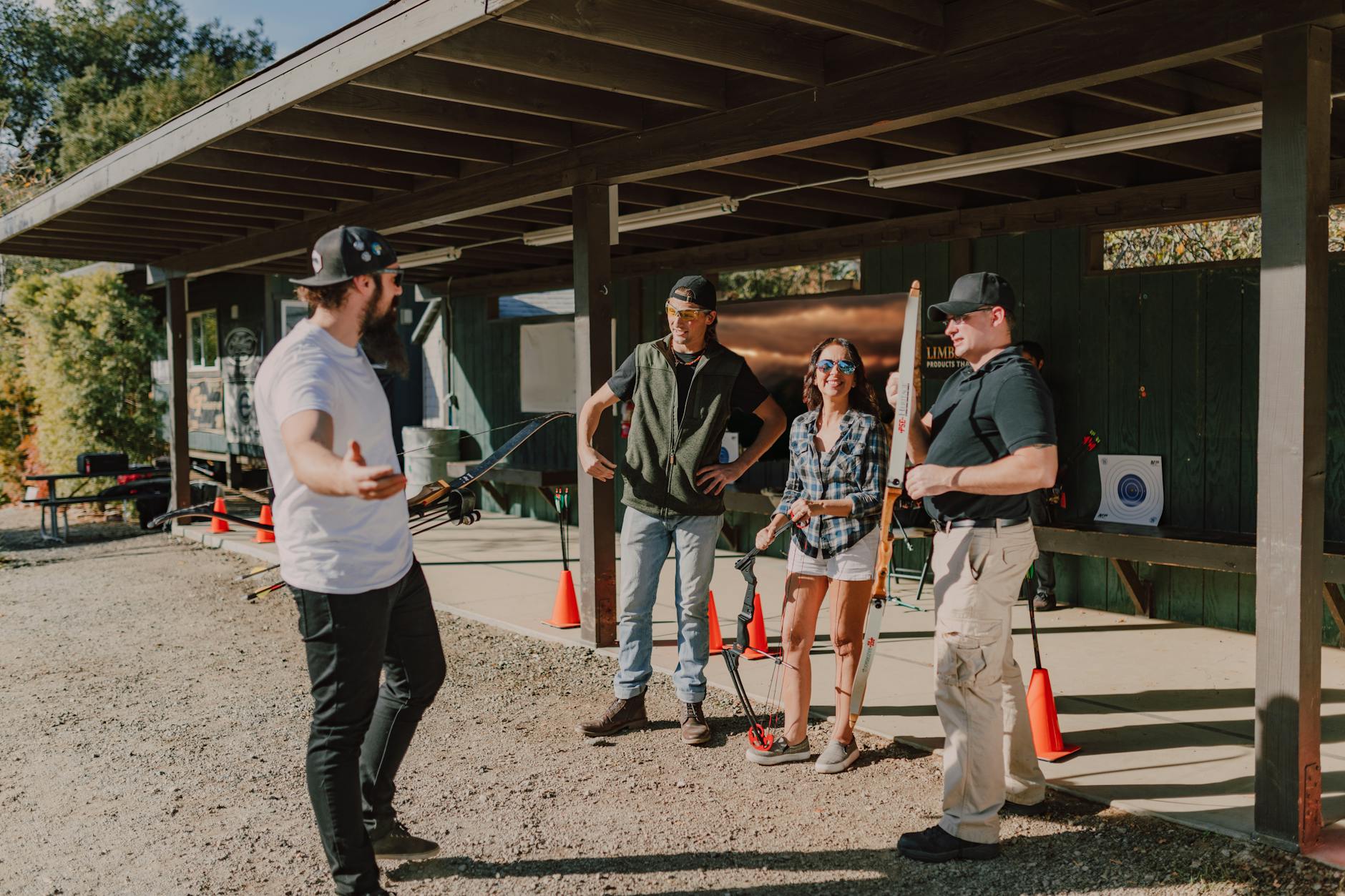
A four-man elk camp is one of the great experiences Western hunting offers — shared miles, shared meals, and shared celebration when someone fills a tag. It’s also four times the logistical complexity of a solo hunt. Date coordination, license applications across multiple states, a camp gear manifest that avoids both gaps and redundancy, food planning for four active hunters in backcountry conditions, and — if the hunting goes well — the logistics of packing out multiple elk simultaneously.
This article contains affiliate links. We may earn a small commission if you purchase through these links, at no extra cost to you.
Do this planning work thoroughly in the spring, and the fall hunt goes smoothly. Skip it, and the first few days of your hunting week are problem-solving instead of hunting.
6+ Months Out: The Foundation Decisions
Date alignment: Get everyone’s available windows on a shared calendar. September archery opener fills up fast and requires the earliest planning. October and November rifle seasons have slightly more flexibility. Set your dates by May — later decisions cascade into every other planning step.
License applications: Non-resident applications for many western states open in January–April. If any party member needs to apply for a draw tag, those deadlines may already be passed by June. Know each hunter’s tag situation and application status before the planning conversation happens.
Hunt area designation: Where specifically are you hunting? A unit, a specific drainage, a general management area. This decision determines everything else — camp location, access points, meat transport logistics.
Vehicle and transport: Equip each vehicle with a satellite communicator for coordination in areas without cell service. Shared two-way radios keep the group connected in the field. One large truck with a hitch and a trailer? Two trucks? Rental for out-of-state hunters? Decide transport logistics early — towing an elk trailer 1,000 miles requires a different vehicle than a passenger car hunt.
3–4 Months Out: Logistics Deep Dive
Camp reservation: Dispersed camping on national forests is generally first-come, first-served and doesn’t require reservations. Private cabin rentals, maintained campgrounds, and camp permits for some wilderness areas do require advance booking. Lock this down by July.
Camp gear manifest: Use a shared document (or the Group Hunt Coordinator tool) to assign gear responsibility. One hunter brings the wall tent or large base camp shelter. One brings the camp stove and cookware. One handles the generator or solar setup. The manifest ensures no duplication and no gaps.
A functional four-person elk base camp needs:
- Sleeping shelter with capacity for 4 in cold weather (wall tent with woodstove is ideal for late October through November)
- Camp stove + fuel (two-burner propane minimum for four hunters)
- Coolers — multiple, large (you may need to chill 400+ pounds of elk)
- Camp table and chairs
- Water filter and containers
- Lighting (headlamps individual + camp lantern shared)
- First aid kit (comprehensive, shared)
- Bear-hanging/bear box setup for meat (required or recommended in many areas)
Important
Food Planning for Four Active Hunters
Active elk hunters in the mountains burn 3,500–5,000 calories per day. Under-feeding a hunting party is a performance and morale mistake. Plan for:
- 3,000 calories per person per day minimum
- Breakfast that’s quick and high-calorie (oatmeal with full-fat additions, eggs, granola)
- Hunting-day lunch that travels in a pack (bars, jerky, nuts, hard cheese)
- Camp dinner that’s substantial and hot (chili, pasta with meat, rice dishes)
- Snack supply for between-meal energy
For a 4-hunter, 7-day hunt:
- Approximate food weight: 100–140 lbs total
- Plan 2–3 town resupply options if the hunt area is accessible
- Assign a food coordinator who shops and packs the communal food
Pack-Out Logistics for Multiple Animals
The best scenario — everyone fills a tag — is also the most logistically demanding. Planning for success rather than hoping for it:
If all four hunters kill bulls: You have potentially 800–900 lbs of boneless meat to move from kill sites to camp, and then from camp to vehicles. This requires either multiple trips per person, pack animals, or a combination.
Pack animal access: For units where horses or mules are legal and practical, arranging pack animal access before season can transform a 4-elk camp from a logistical nightmare to a manageable operation. Some outfitters rent horses by the day specifically for pack-out purposes.
Staggered processing: If multiple animals are killed in quick succession, coordinate processing so at least one hunter is always working on meat while others hunt. Fresh elk meat in warm September temperatures requires prompt processing — it can’t wait three days for everyone to be available.
Vehicle capacity: An elk quarter can weigh 80–100 pounds bone-in, 50–65 pounds boned out. A pickup truck bed can hold a couple of full elk worth of meat comfortably. Four elk will fill two full-size truck beds. Plan accordingly.
The Financial Split
Clarify cost-sharing expectations in writing before the trip. The Group Hunt Coordinator handles this automatically, but the categories to address:
- Fuel for shared vehicle (split equally)
- Camp rental (split equally)
- Communal food (split equally per day)
- Individual license fees (each hunter pays their own)
- Individual taxidermy (each hunter pays their own)
- Commercial processing if used (each hunter pays for their own animal)
- Tips for any hired help (guide, pack outfitter) — discuss and agree in advance
A brief conversation about money before the trip prevents a difficult conversation after it. Group hunts work best when everyone knows what they owe and why.
Do the planning work. It’s less fun than hunting, but it’s what makes the hunting week actually work.
Next Step
Check Draw Odds for Your State
Tag-level draw odds across 9 western states — filter by species, unit, weapon, and points. Free to use.
Get the Insider Edge
Join hunters getting exclusive draw odds data, gear deals, and weekly hunt planning tips.
Related Articles
Arizona OTC Archery Deer 2026: Unit Limits and Closures
Arizona's OTC archery deer season opens August 21, 2026 — and units close the moment harvest limits fill. Here's every unit's limit, plus the best bets by real archery success rates.
Colorado OTC Elk in 2026: What Changed for Nonresidents
Colorado eliminated unlimited nonresident OTC archery elk west of I-25 for 2026 — and Gunnison rifle tags went draw-only. Here's exactly what's still on the shelf and how to hunt this fall anyway.
Colorado Reissue Licenses: How to Grab Returned Elk Tags
Every Wednesday through fall, CPW sells back surrendered limited licenses — including elk tags nonresidents can't get any other way in 2026. Here's the Tuesday-Wednesday ritual that actually lands one.
No comments yet. Be the first to share your experience!