You Drew the Tag — Now What? A Planning Guide for First-Time Limited Entry Hunters
A practical guide for hunters who've just drawn their first limited entry elk, mule deer, or sheep tag. Unit scouting, outfitter decisions, gear preparation, physical training timeline, and how to make the most of a once-in-a-long-time opportunity.
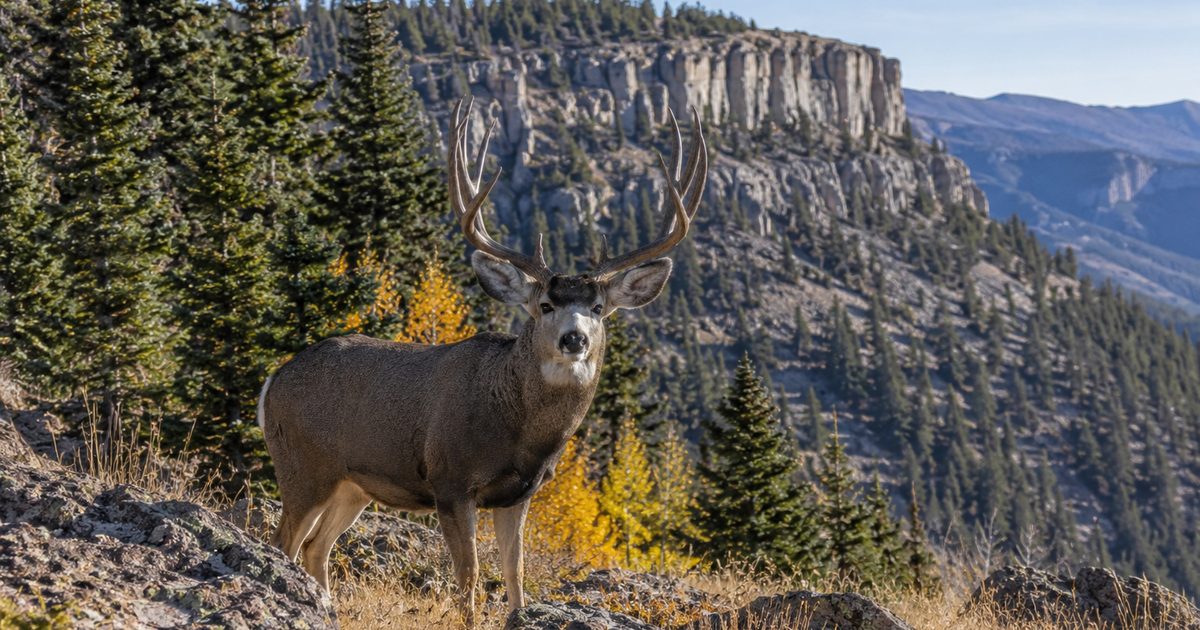
Draw results come out, and your name is on the list.
After years — sometimes decades — of annual applications, you drew a limited entry tag for a unit you’ve been targeting. The first 30 minutes after reading the confirmation email is a particular kind of excitement that most hunters only experience a handful of times in a lifetime. Then reality sets in: the hunt is months away, you’ve never been to the unit, and the weight of a once-in-a-decade opportunity is sitting on you. That pressure is real.
Here’s how to turn it into preparation.
Step 1 — Read the Actual Regulation Before You Do Anything Else
Before you call an outfitter, open a mapping app, or tell anyone else about your tag, pull up the actual regulation booklet and read the entry for the tag you drew. Confirm the season dates, legal weapons, unit boundaries, and any specific restrictions — wilderness-only zones, no-motorized-vehicle areas, mandatory check stations, reporting requirements.
This sounds obvious. It’s not always done. In the excitement of drawing, hunters misread what they actually drew more often than you’d expect — confusing early archery seasons with rifle seasons, misidentifying the unit number, or missing a weapon restriction that changes the entire hunt plan. Verify the exact season type, weapon class, and unit number against the current regulation book before you do anything else. Print the relevant pages and keep them somewhere accessible.
Some units also have specific trophy restrictions (minimum antler point requirements, brow tine rules) that don’t appear prominently in the draw results notification. Know what you can legally shoot before you develop an image in your head of what you’re hunting.
Step 2 — Make the Guided vs. DIY Decision Immediately
The guided versus DIY decision should happen within the first two weeks of drawing. This isn’t a decision you can sit on.
If you’re going guided, outfitters in desirable limited entry units book up fast — sometimes within days of draw results going out to applicants. Tags for quality elk and mule deer units in states like Arizona, Nevada, and New Mexico are public information. Outfitters in those units know draw results have gone out the same day you do. They start receiving calls immediately. The best operations — the ones with proven clients, quality horses, and experience in that specific unit — fill their limited openings first. Hunters who wait two months to start calling often find the top outfitters already fully booked for the season.
Make the decision early, then act on it. If you’re going guided, start calling outfitters this week, not next month.
Outfitters Book Out Fast After Draw Results
Limited entry unit outfitters fill their seasons within days of draw results going public. If you’re going guided, start calling immediately — waiting even a few weeks can cost you the best options in your unit.
If you’re going DIY, the timeline pressure is different but the planning work starts just as early. A DIY limited entry hunt on a tag you’ve spent five or ten years accruing points for deserves months of preparation, not weeks. Start the planning process now.
Step 3 — Begin Serious Unit Scouting
Deep unit research is the highest-return activity available to a DIY hunter from the moment they draw. You have months — use them.
Start with digital tools: OnX Hunt, CalTopo, or TerraServer for terrain analysis. Look for the features your target species uses — bench terrain for elk wallows and travel corridors, rocky south-facing slopes for mule deer, alpine basins for sheep. Identify water sources, access routes, and the terrain transitions where animals tend to concentrate in your specific season window. This isn’t glamorous work, but an experienced hunter with two months of serious map study knows a unit better than most hunters who’ve physically been there twice.
Layer in public data. Most western state game agencies publish unit-level harvest statistics that are worth their weight in gold — success rates by weapon type, average days to harvest, number of tags issued, and sometimes historic population trend data. A unit reporting 78% success on a 10-day bull elk hunt means something very different than a unit showing 31%. Download those reports and study them.
Online hunt reports and state-specific hunting forums fill in what the data doesn’t tell you. Forum threads from hunters who ran that unit in the same season type three years ago describe actual conditions, access road status, where animals were concentrated, and what approach worked. Take individual reports with appropriate skepticism, but patterns across multiple years are reliable.
Physical scouting is the gold standard. Nothing replaces boots on the ground.
A Scouting Trip Is Worth More Than All Your Map Work
A 3-day August scouting trip to your unit — glassing, hiking, learning the country — will teach you more than 40 hours of satellite imagery study. If you can make the trip, do it. You’ll develop a feel for the terrain that no digital tool replicates.
A three-day scouting trip in late July or August tells you things no map reveals: how the access roads actually feel, where the elk sign concentrates, what the terrain does to your legs at elevation, and where water sources are actually reliable versus dried up. If the unit is a long drive or a flight away, this trip costs money. Do it anyway. The tag is the rarest part of this whole equation.
Step 4 — Start the Fitness Timeline Now
If your limited entry hunt requires physical fitness — and most western limited entry big game hunts do — the moment you draw is the moment your training starts.
A rifle elk hunt in moderate terrain at 8,000 feet is manageable for most reasonably fit people with three months of preparation. A backcountry archery elk hunt at 10,000 feet in steep broken country is a different story. A desert bighorn sheep hunt in August heat at altitude is something else entirely — multiple sheep guides describe watching physically unprepared hunters have to abandon the hunt partway through because they couldn’t keep up with the work the terrain demanded.
Calculate how many months you have between now and opening day. Work backward from that date to build a training plan that has you physically peaking in the two weeks before the hunt. If you have six months, you can build substantial cardio capacity and leg strength from a modest baseline. If you drew a late-season December tag and draw results just came out, you have eight months and can get into serious hunting shape. Don’t assume you can accelerate fitness in the final weeks — the body doesn’t work that way.
The specific training doesn’t need to be complicated. Weighted ruck hikes on progressively steeper terrain, combined with regular cardio at target heart rate ranges, covers most of what western mountain hunting demands. For sheep, add elevation — find the highest terrain accessible to you and do your training there. What breaks hunters in the mountains is sustained uphill effort at altitude, not flat-ground cardio capacity. Train specifically for what you’ll actually do.
Fitness Is the Most Commonly Underestimated Prep Item
Most hunters dramatically overestimate how prepared they are for high-elevation, multi-day backcountry hunts. Start training the week you draw. A sheep or remote elk hunt will expose every fitness gap you have — and unlike gear, you can’t buy your way out of it at the last minute.
Step 5 — Build Your Gear List From the Unit, Not From a Generic List
There’s no such thing as a universal western big game gear list. The gear for a Colorado Plateau archery mule deer hunt in 85-degree September heat is fundamentally different from the gear for a late-October Montana elk hunt in a wilderness drainage with a pack string. Generic “western hunting” lists are a starting point at best.
Research the specific conditions your unit sees during your specific season. Pull weather history for the nearest weather station to your hunting area — look at temperature ranges, precipitation frequency, and wind patterns for that week of October or that week of September. Ask the outfitter, if you’re going guided, what gear they see clients fail on most often. Look at past-year forum reports to see what hunters mentioned struggling with.
Build your list from those actual requirements. This matters most for sleep systems and layering — hunters who show up with a 20°F sleeping bag for a unit that regularly sees single digits in late October face miserable nights that degrade their hunting. Hunters who pack a 30-pound layering system for a warm early-season desert mule deer hunt are carrying weight they don’t need. Do the research and match your gear to the actual conditions.
Step 6 — Put Every Preparation Milestone on Your Calendar
The single most common planning failure for drawn tag holders is treating the hunt as far away until it’s suddenly imminent.
It happens every year. A hunter draws a once-in-a-decade tag in April, thinks “I’ve got six months,” and doesn’t start serious preparation until August. In August they realize scouting trips cost money and time to schedule, outfitters are booked, the gear they want is backordered, and they haven’t started the fitness work they needed to start in May.
Mark opening day on your calendar the day you draw. Then mark every preparation milestone working backward from it: physical scouting trip, gear list complete, gear purchased and tested, fitness baseline assessment, fitness peak window, pre-season pack and shakedown, final access road check. Treat those milestones the same way you treat work deadlines — if the scouting trip needs to happen in late July, book it in April.
The hunters who do this well arrive at opening day knowing their unit, carrying gear that fits the actual conditions, and physically capable of handling what the terrain demands. The hunters who don’t arrive hoping things come together. Hope isn’t a hunting tactic.
Step 7 — Handle Logistics Before They Become Last-Minute Problems
For out-of-state limited entry tags, logistics planning is where hunts quietly fall apart in the weeks before opening day.
Start with the licensing structure. In some states, the tag is separate from the base hunting license — you need both before you can legally hunt, and the base license has its own application or purchase requirements. Don’t show up at a trailhead the night before opening day and discover you’re missing documentation.
Wilderness area access is another one. Many limited entry units in high-quality units overlap designated wilderness areas that have their own regulations: no mechanized equipment, pack-in/pack-out requirements, sometimes fire restrictions. Some high-demand wilderness trailheads require advance reservations (Colorado’s wilderness reservation system is the most prominent example). Check these requirements months out, not weeks.
Meat handling and transport logistics — coolers rated for extended temperature hold, game bags, a plan for meat care and transport home — are easy to solve in advance and painful to figure out in the field after you’ve killed something. Same with satellite communication devices if you’re hunting without cell service, and first aid kits appropriate for the distance you’ll be from help.
None of this is exciting planning. All of it matters.
The tag is already the hardest part. Everything after drawing is execution — and execution is just preparation completed on schedule. Start now.
Next Step
Check Draw Odds for Your State
Tag-level draw odds across 9 western states — filter by species, unit, weapon, and points. Free to use.
Get the Insider Edge
Join hunters getting exclusive draw odds data, gear deals, and weekly hunt planning tips.
Related Articles
Arizona OTC Archery Deer 2026: Unit Limits and Closures
Arizona's OTC archery deer season opens August 21, 2026 — and units close the moment harvest limits fill. Here's every unit's limit, plus the best bets by real archery success rates.
Colorado OTC Elk in 2026: What Changed for Nonresidents
Colorado eliminated unlimited nonresident OTC archery elk west of I-25 for 2026 — and Gunnison rifle tags went draw-only. Here's exactly what's still on the shelf and how to hunt this fall anyway.
Colorado Reissue Licenses: How to Grab Returned Elk Tags
Every Wednesday through fall, CPW sells back surrendered limited licenses — including elk tags nonresidents can't get any other way in 2026. Here's the Tuesday-Wednesday ritual that actually lands one.
No comments yet. Be the first to share your experience!