Western Hunting Basecamp: How to Set Up Camp for a 7-Day Elk Hunt
A well-organized basecamp is the foundation of a successful western hunting expedition. How to set up, what to bring, how to organize for meat care and weather, and the camp logistics that most hunters get wrong their first time.

The basecamp isn’t glamorous. It’s the place you leave every morning before first light and return to exhausted every evening. But a well-organized camp is the difference between a hunt that flows and a hunt that fragments into gear searches and cold meals. The logistics of a 7-day western elk expedition — meat care, weather management, gear access, sleep quality — are part of the hunting, not separate from it.
Get the camp right and you show up to each morning’s hunt rested, fed, and focused. Get it wrong and you spend the week managing problems you created before you ever stepped into the timber.
Site Selection
Camp placement relative to your hunting area matters more than most first-time hunters anticipate. The ideal basecamp sits within 1 to 2 miles of your primary hunting terrain. Close enough to reduce morning and evening commute time, far enough that camp noise and human scent don’t contaminate the immediate country you’re hunting.
Water access is the first filter. Either a nearby stream or spring within reasonable distance, or the infrastructure to haul enough water for a full week. A party of two drinking 3 to 4 liters each per day at altitude needs 40 to 50 liters of water before you add cooking and hygiene. Plan for this before you choose a site, not after you arrive.
Tree coverage matters differently by month. In September, you want shade and canopy to keep the camp cool during midday and to protect against afternoon thunderstorms. In October, you want a wind break — a dense stand of conifers or a terrain feature that blocks the prevailing wind from hammering your tent through the night.
If you’re hunting grizzly country — most of Wyoming, western Montana, central Idaho — the camp-to-hunt-area relationship has another layer. Keep enough distance that you’re not attracting bears into your active hunting terrain, and think carefully about how meat care brings the camp into contact with predator pressure.
Shelter and Sleep
Sleep quality directly affects hunting quality. A cold, wet, uncomfortable night means a compromised morning. It compounds over a week.
The minimum shelter for a fall western hunt is a tent rated for 4-season use — not “3-season,” which is marketing language for a tent designed for summer backpacking with modest rain protection. True 4-season tents handle snow load, sustained wind, and temperature drops that western elk country delivers in October. Geodesic or semi-geodesic designs that shed snow rather than collecting it are worth the additional weight for vehicle-based basecamp hunting where you’re not backpacking the tent in.
Sleeping bag choice is where first-timers consistently get it wrong. Hunters who assume a 32°F-rated bag is adequate for October mountain conditions often regret it by day three. A bag rated to 0°F is the starting point for October and November hunts. That rating assumes a base layer — don’t sleep in your base layers you sweated through during the day, change into dry camp layers before bed. The sleeping pad matters as much as the bag: a pad with R-value 4 or higher under a 0°F bag is a functional sleep system. A pad with R-value 2 under that same bag means you’re losing heat to the ground all night.
Pro Tip
Pack your sleep system into the truck last so it’s accessible first. The single most important comfort item in camp is a dry sleeping bag in a warm tent. Store it in a compression sack inside a waterproof bag, and don’t leave it inside a tent that might collect condensation while you’re hunting. A wet sleeping bag in the middle of a 7-day hunt is a serious problem.
Kitchen and Food
Western elk hunters burn 3,500 to 5,000 calories per day at altitude in cold weather. The math is unforgiving — you’re covering miles of steep terrain at 8,000 to 11,000 feet while your body simultaneously manages cold-weather thermoregulation. Under-eating is a real problem that compounds over 7 days into fatigue, slow decision-making, and physical degradation.
Plan 3,500 calories per day at minimum. More if your hunting terrain is steep. Freeze-dried backpacking meals work for deep camp or emergency meals, but a vehicle basecamp can support real food: a 2-burner camp stove, a bear-proof canister or hard-sided cooler for storage, and a folding prep table that keeps the kitchen organized and off the ground.
Two meals anchor the hunting day: coffee and something substantial before you leave at 4am, and hot food when you return at dark. These aren’t luxuries. Hot food after 12 hours of hiking in cold air is functional fuel. A hunter who comes back to cold camp and a bag of trail mix every night doesn’t perform the same as one who eats a real meal and goes to sleep warm.
Stock dry goods that don’t require refrigeration for the first several days — pasta, rice, canned meat, oatmeal, peanut butter, bars — and work through fresh food from the cooler early in the hunt when ice is still effective. Resupply is worth planning if the camp is accessible enough to drive out to a town during a rest day mid-week.
Meat Care Infrastructure
Kill an elk and you need to process and cool the meat within 2 to 4 hours in September heat, within 24 hours in October. Bacteria and spoilage don’t wait for you to figure out your system — they start immediately. Basecamp needs the infrastructure to handle this before the hunt begins, not improvised after the shot.
At minimum: a gambrel and rope system for hanging quarters from a suitable tree (ideally 8 to 10 feet of clearance below the branch), four large breathable cloth game bags — one per quarter — to keep insects and debris off the meat, a cooler large enough to hold 100-plus pounds of boned meat, and enough ice or frozen water jugs to maintain temperature through the back half of the week.
The boning question matters for camp planning. A bone-in elk quarter weighs 60 to 80 pounds. Most hunters packing from public land work in boned-out deboned quarters that run 30 to 45 pounds per bag — more manageable for solo packing and easier to cool in a standard cooler. A good folding table and a sharp set of knives (plus a sharpener) in a designated processing area of camp keeps the work efficient.
Important
In grizzly country — most of Wyoming, Montana, and Idaho — meat hanging distance from camp isn’t optional best practice. Hang meat downwind and at least 200 yards from your sleeping area, and never leave harvested meat unattended without bear spray on your person. The protocol mirrors food storage in bear camp: distance, wind awareness, and controlled accessibility. A bear getting into your meat cache is a safety problem, not just a logistics problem.
Water and Sanitation
A week of hunting requires far more water than most first-timers anticipate — drinking alone runs 3 to 4 liters per person per day at altitude, before cooking, hygiene, and dish cleaning. Either a nearby reliable water source with a quality filter (Katadyn, MSR, and Sawyer all produce reliable backcountry filters) or hauled-in water jugs for the full week.
If using a natural water source, confirm it’s actually reliable at your camp timing — late-September and October mean lower water levels than spring, and a stream that’s marked on a map isn’t always flowing in a dry year. Have a backup plan if the primary source is lower than expected.
Sanitation matters both for legal reasons and practical hygiene across a week of shared camp. A cat hole system 200 yards from camp and water sources, a simple hand-washing station near the kitchen (water jug with a spigot, biodegradable soap), and a solar shower bag hung from a tree branch for midweek hygiene all make a 7-day camp manageable. A camp shower improves week-long morale more than most hunters expect.
Gear Organization
Day 1 camp setup pays dividends every morning and evening for the next 6 days. The investment is 2 to 3 hours of deliberate organization that eliminates the daily cost of a disorganized pile.
Organize the camp into functional zones with clear ownership of each zone:
Hunt staging area — Everything you need for the next morning’s hunt is accessible from the tent vestibule without excavating other gear. Pack loaded and staged, boots and gaiters accessible, weapon within reach.
Dry gear storage — Spare clothing in a dry bag inside the vehicle or tent, not loose in the truck bed where it will eventually get wet. Label what’s in each bag. A wet down jacket mid-week that you can’t replace is a real problem.
Meat care zone — Gambrel, rope, game bags, cooler, knives, and processing table grouped together and separate from the kitchen and sleeping areas.
First aid and emergency — In a known location that every person in camp can find without asking. This includes a satellite communicator if you’re in areas without cell service.
A headlamp goes with you every time you leave the tent at night. Leave another one at the entrance to the tent. The number of times you’ll need a headlamp in a 7-day hunt is high — don’t treat it as optional kit that you’ll find when you need it.
Recommended Gear
The highest-impact camp gear investment is a quality headlamp with a spare set of batteries. Every morning departure and every evening return happens in the dark. A headlamp with a red-light mode for preserving night vision, sufficient lumens for meat processing in dim conditions, and a reliable battery that lasts through a long morning is the most-used item in camp. Black Diamond, Petzl, and Fenix all produce solid options in the $40 to $80 range. Bring two — one primary, one backup.
Weather Contingency
A week of weather monitoring is active camp management, not passive observation. Check the forecast daily for your specific elevation — not the valley forecast, which can be 15°F warmer and completely different in precipitation than what’s happening on the ridge you’re hunting. Most mountain regions have reliable summit forecasts available through the National Weather Service or weather apps with elevation-specific data.
Western elk country delivers weather that first-timers underestimate. A clear October morning can turn into a 12-inch snowstorm by afternoon with very little warning. The hunters who handle this well are the ones who thought through the scenario before it arrived: Where is your vehicle parked? Can you drive out on a forest road with 12 inches of snow and no four-wheel drive? Do you have enough food in camp for an extra day if you can’t drive out? Is your tent anchored in a way that handles serious wind?
Pack for a storm whether or not one is forecast. Extra food for two days beyond your planned hunt duration, a camp shovel for clearing tent entries after overnight snow, traction devices for your vehicle if you’re on steep forest roads, and clothing layers that exceed what you expect to need. The mountain doesn’t care what the forecast said.
The western elk hunt is a physical and logistical challenge that rewards preparation. A camp that functions smoothly — sleep, food, meat care, gear access — removes the friction that costs hunters focus when focus matters most. Build the camp right before first light on day one, and let it work for you every day after.
Next Step
Check Draw Odds for Your State
Tag-level draw odds across 9 western states — filter by species, unit, weapon, and points. Free to use.
Get the Insider Edge
Join hunters getting exclusive draw odds data, gear deals, and weekly hunt planning tips.
Related Articles
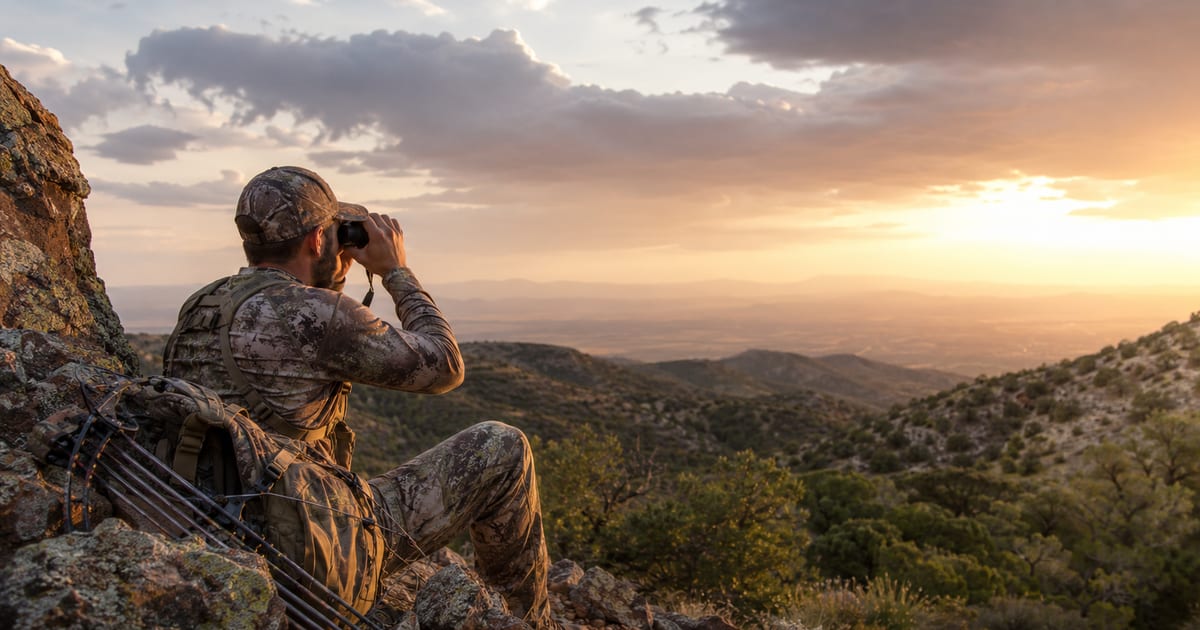
Arizona OTC Archery Deer 2026: Unit Limits and Closures
Arizona's OTC archery deer season opens August 21, 2026 — and units close the moment harvest limits fill. Here's every unit's limit, plus the best bets by real archery success rates.
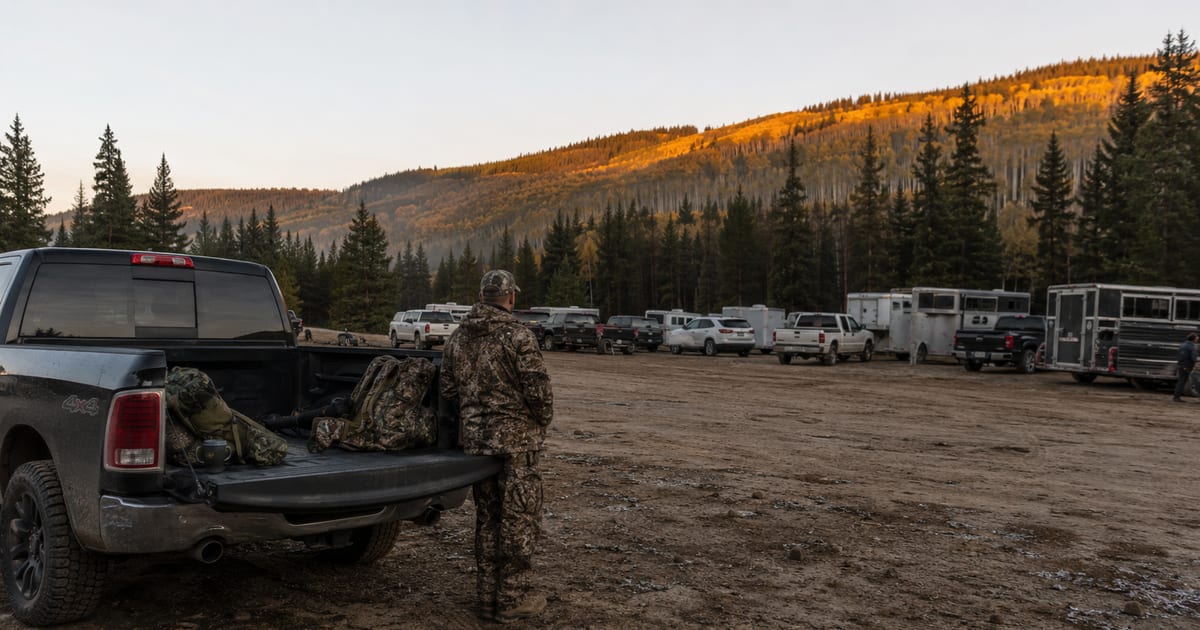
Colorado OTC Elk in 2026: What Changed for Nonresidents
Colorado eliminated unlimited nonresident OTC archery elk west of I-25 for 2026 — and Gunnison rifle tags went draw-only. Here's exactly what's still on the shelf and how to hunt this fall anyway.
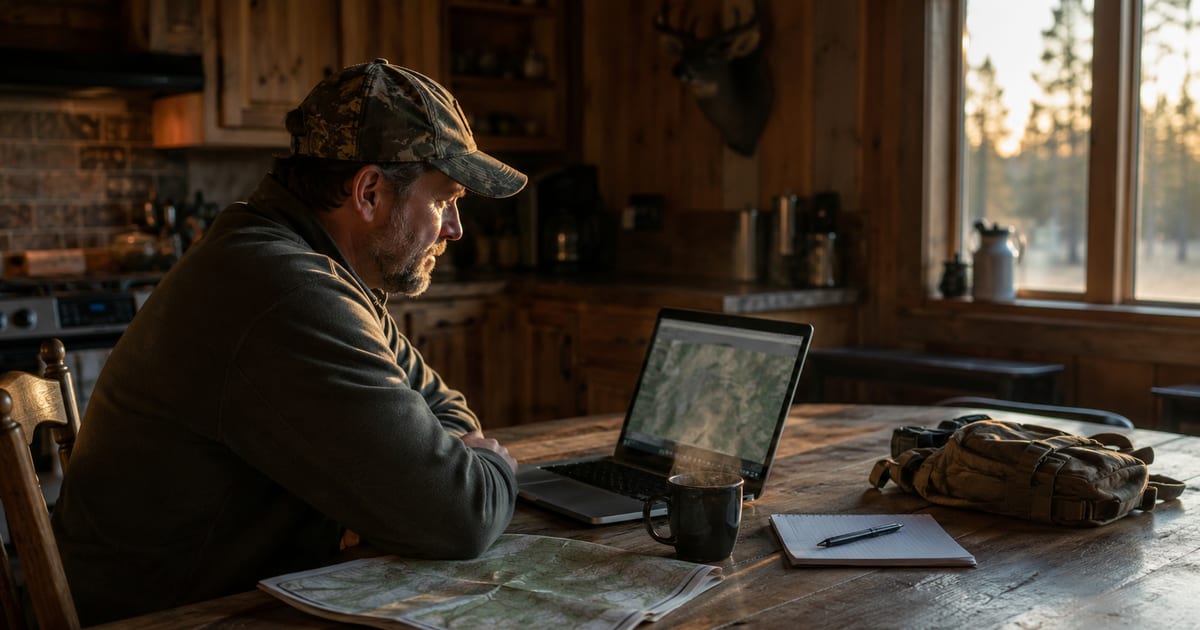
Colorado Reissue Licenses: How to Grab Returned Elk Tags
Every Wednesday through fall, CPW sells back surrendered limited licenses — including elk tags nonresidents can't get any other way in 2026. Here's the Tuesday-Wednesday ritual that actually lands one.
No comments yet. Be the first to share your experience!