Virginia Deer Hunting: Seasons, Zones, and Public Land Access
Virginia deer hunting guide covering season dates, zone regulations, public land access on national forest and WMA land, bag limits, and tactics for whitetail and sika deer.
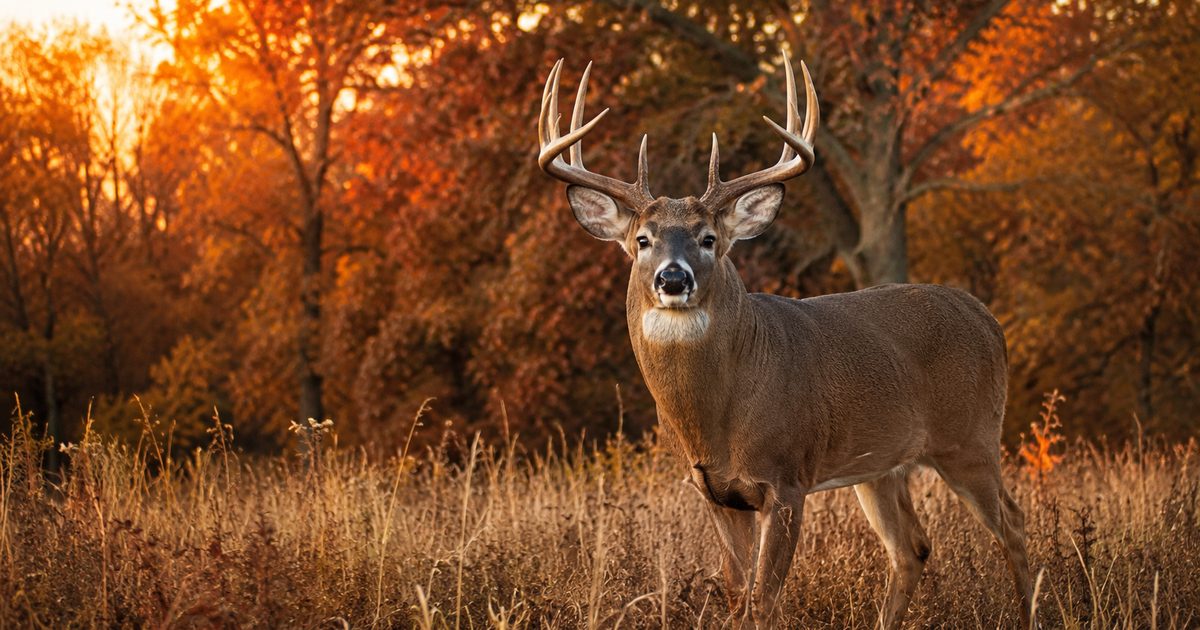
Virginia is a state that rewards hunters who take the time to understand it. You’ve got ridge-and-hollow country in the west where whitetails ghost through oak hollows and thermal currents make every wind call feel like a guess. You’ve got the Shenandoah Valley, arguably one of the most productive agricultural corridors on the East Coast for big-framed bucks. And on the far eastern shore, you’ve got Assateague Island — one of the only places in the continental United States where you can chase sika deer in saltmarsh. No two parts of this state hunt the same way, and that’s exactly what makes a Virginia deer tag worth planning around.
I came to Virginia deer hunting after years of chasing whitetails on flat Midwestern ground. The transition to the Blue Ridge and the western ridgelines was humbling. The terrain here doesn’t let you pattern deer the way you can in a flat ag county. Deer move on thermals as much as wind direction, and the ridge saddles that look like obvious funnels on a topo map don’t always produce the way they do in concept. This guide covers what actually matters for planning a Virginia deer hunt — the regulations, the public land, and the tactics that translate to this specific type of country.
Virginia Deer Season Structure
Virginia’s whitetail seasons are organized into three primary windows, with specific dates varying by management zone. The Virginia Department of Wildlife Resources (VDWR) uses county-level regulations, so checking the current-year digest for your specific county is non-negotiable before you go afield.
| Season | Typical Dates | Equipment |
|---|---|---|
| Early Archery | First Saturday in October – First Saturday in November | Archery only |
| General Firearms | Mid-November – Early January (varies by zone) | Firearms, archery, muzzleloader |
| Late Archery | Runs concurrently with and after General Season through January | Archery only |
| Muzzleloader | Late October (varies) | Muzzleloader |
The early archery window is Virginia’s most consistent buck-on-feet season, particularly in the western counties where hunting pressure during the general season pushes deer into nocturnal patterns. If you’re hunting public land, putting in your best sits during October and early November before the firearms crowd arrives is the smart play.
General Season typically opens the second Saturday of November in most zones — right as the rut is peaking in central and northern Virginia. Timing your hunt around the rut is the single biggest variable you can control. For tactics on reading rut sign and timing your sits, our whitetail rut hunting tactics guide breaks down the full progression from pre-rut through lockdown.
Bag Limits and Antler Restrictions
Virginia’s bag limit is generous by most states’ standards: six deer per license year, with a maximum of three bucks. The state uses a “one buck per day” rule during most seasons.
Antler restrictions apply statewide for bucks harvested during the firearms and muzzleloader seasons. A legal buck must have at least three points on one antler or a main beam of at least 15 inches. Archery seasons are exempt from this restriction in most counties, though a handful of counties in the Northern Piedmont and Tidewater have additional local rules.
Doe days — days when antlerless deer may be harvested — vary by unit. In the western mountain counties and much of the National Forest, doe opportunities are more limited than in the Valley or Piedmont, where overabundant deer populations mean liberal antlerless seasons. Pay close attention to the quota assigned to your hunting zone.
Warning
Antler restriction rules and doe day schedules differ by individual county in Virginia — not just by broad zone. Running the wrong set of regulations for an adjacent county is a common mistake. Always look up your specific county in the current VDWR regulations digest before hunting.
Drive Permits and Quota Hunts
Virginia uses a Drive Permit system on certain WMAs and VDWR-managed lands, particularly for organized deer drives. Hunters participating in a drive on designated areas must carry a valid drive permit in addition to their hunting license. These are available free of charge from VDWR but must be obtained in advance. The rules around drives — party size, flagging requirements, safety zones — are spelled out in the VDWR regulations and enforced strictly on managed areas.
Quota hunts are another major piece of the Virginia public land puzzle. The VDWR allocates a limited number of hunt dates and party slots on WMAs with high pressure or sensitive habitat. These hunts are drawn by lottery, typically with applications opening in late summer. Success rates on quota hunts tend to be significantly higher than walk-in hunting because access is controlled and populations are managed to hunting pressure. If you’re targeting a specific WMA known for quality bucks, applying for the quota draw is often a better use of your time than competing for general-season walk-in access.
Public Land: National Forests
Virginia has two national forests that together cover nearly 1.8 million acres — an enormous amount of public hunting ground that puts Virginia among the best eastern states for free public access.
George Washington National Forest
The George Washington National Forest (GWNF) stretches along the western side of the Shenandoah Valley and into the Allegheny Highlands. It covers roughly 1.1 million acres across multiple ranger districts and includes some of the most productive ridge-and-hollow whitetail country in the East. The Dry River, Lee, and Pedlar Ranger Districts each hold good deer populations, with the highest densities generally on south-facing slopes and in drainages that hold agricultural edges.
Hunting the GWNF requires understanding how deer use the terrain differently than flat ground. On a flat Midwestern farm, wind direction is largely predictable and deer movement corridors are defined by field edges. On a GWNF ridge, thermals determine scent as much as the prevailing wind does. In the morning, thermals pull cool air downslope; by midday, they reverse as the ground heats. A stand positioned at mid-elevation on a hardwood point — the kind of location that channels deer moving between bedding on the upper ridge and feed in the valley draws — will work best when you’re hunting it at the right time of thermic cycle. Hunting the top of a ridge and expecting morning thermal swirls to carry your scent away is a recipe for blown deer.
Pro Tip
On National Forest ridgelines in Virginia, plan your entrance routes based on thermals, not just wind direction. Approach mid-elevation stands from below in the early morning when cold air is still draining downhill. On warm afternoons, approach from above. Getting this wrong blows deer before you even reach your stand.
Jefferson National Forest
The Jefferson National Forest covers roughly 710,000 acres in southwestern Virginia and extends into West Virginia and Kentucky. The terrain here is steep and rugged — long finger ridges, laurel-choked drainages, and hardwood benches that hold deer in numbers if you’re willing to put in the miles to find them. The Mount Rogers and Clinch Ranger Districts are well worth scouting.
One specific opportunity on the Jefferson worth noting is hunting near the Appalachian Trail corridor. The AT runs through Virginia for about 550 miles, and much of that corridor passes through public land open to hunting. However, hunting is prohibited within 25 feet of the AT centerline, and in some designated recreation zones hunting is restricted further. Deer that have been pressured in surrounding country frequently push into the laurel and rhododendron thickets adjacent to the AT corridor, where hunting pressure is lower. Understanding where the trail crosses saddles and drains near water is a starting point for finding these low-pressure pockets.
Virginia Wildlife Management Areas
Virginia operates more than 40 WMAs covering roughly 200,000 acres. Deer hunting access and quality vary dramatically across this system.
Goshen Wildlife Management Area
Goshen WMA in Rockbridge County is one of the most consistently productive WMAs in western Virginia for mature buck sightings. At nearly 34,000 acres, it’s large enough to hold core home ranges for bucks that never encounter hunting pressure. The terrain is steep and demanding — long drainage systems that funnel deer movement, with the best ambush points typically at stream crossings and where secondary ridges drop into the main hollows.
Goshen borders the GWNF to the northwest, effectively creating a contiguous block of public land in the hundreds of thousands of acres. Deer that get pressured on one parcel often shift into the other. If you’re hunting Goshen late in the season and pressure has pushed deer off the WMA core, check the adjacent Forest Service roads for sign.
Shenandoah Valley Farmland Access
The Valley itself — Shenandoah, Augusta, Rockingham, Frederick counties — is not primarily public land deer hunting. This is private farmland country, and the bigger bucks here are on ground that takes relationship-building or lease money to access. That said, smaller blocks of GWNF land pinched between private agriculture on the Valley floor create legitimate edge-hunting opportunities for hunters willing to work access maps carefully.
If you have legitimate private land access in the Valley, the agricultural edges adjacent to hardwood draws are where you want to focus. Corn and soybean fields with woodlot staging areas within 200 yards are the highest-percentage ambush locations during early archery and late season. The rut moves deer out of these patterns briefly, but pre-rut and post-rut feeding on valley ground is predictable enough to hunt hard.
Sika Deer on Assateague Island
Virginia’s most unusual deer hunting opportunity isn’t a whitetail hunt at all. Sika deer — a small cervid native to East Asia — were introduced to Assateague Island in the early 20th century and have thrived in the coastal marsh environment. Today, a healthy population of sika deer inhabits both the Virginia and Maryland portions of the island.
In Virginia, sika deer on the Chincoteague National Wildlife Refuge are managed through a controlled quota hunt with a limited number of permits allocated annually. The hunt takes place in the marsh and pine thicket habitat of the refuge — an environment that’s nothing like hunting whitetails in the mountain counties. Hunters often use small boats or wade into the marsh to reach hunting zones, and calling is extremely effective during the rut. Sika stags produce a distinctive, high-pitched bugle during the September–October rut that carries across the flat marsh in a way that will catch you completely off guard if you’ve never heard it.
The Maryland portion of Assateague also offers sika hunting, with both archery and firearms seasons and somewhat more accessible entry points. For hunters who want to add a unique tick to their species list, the Virginia/Maryland Assateague opportunity is one of the more distinctive hunts available east of the Mississippi.
Pro Tip
Apply for the Chincoteague sika quota hunt as early as the VDWR application window opens — slots are genuinely limited and demand has grown steadily as word of this hunt has spread. The October rut hunt is the most sought-after window, but early archery dates offer better weather and a less-crowded experience.
Terrain-Specific Tactics for Virginia’s Mountain Country
If you’ve hunted whitetails primarily on flat agricultural ground, the shift to Blue Ridge and Appalachian terrain requires adjusting how you think about deer movement. A few principles that matter specifically in this terrain type:
Saddles and benches outperform ridge tops. Deer traveling along a ridgeline almost always use the terrain features that reduce energy expenditure — saddles that drop slightly between two peaks, benches that contour around the face of a ridge, and bench-to-bench connectors that let deer travel without constantly climbing or descending. Ridge tops are visible and windswept; deer avoid spending time on them during daylight.
South-facing slopes are the fall feeding zones. In the oak-dominated forests of western Virginia, mast production is the driver of early season movement. South-facing slopes warm faster, produce more consistent acorn crops, and hold deer feeding actively until well into November. A quick look at a topo map with a compass bearing can help you identify which slopes to prioritize for pre-rut scouting.
Water sources matter more in dry years. The upper drainages in the GWNF and Jefferson can run dry in late summer drought years. When they do, deer concentrate around the lower drainages that hold year-round water, creating predictable patterns that are relatively easy to set up on. Pay attention to precipitation in the months before your hunt.
For calling setups in tight mountain timber, rattling and grunting can be highly effective during the pre-rut and peak rut windows. The enclosed terrain amplifies sound and makes bucks more willing to commit to investigate without being able to see the source. Our deer rattling and calling tactics guide covers the sequencing and intensity adjustments that matter in closed-canopy forest situations versus open agricultural settings.
Quick Reference: Virginia Deer Hunting by the Numbers
| Detail | Info |
|---|---|
| Whitetail Population | ~900,000–1,000,000 statewide |
| Annual Harvest | ~200,000 deer |
| Season Bag Limit | 6 deer total, max 3 bucks |
| Antler Restriction | 3 points on one antler OR 15-inch main beam (firearms/ML seasons) |
| Public Land (NF) | ~1.8 million acres (GW + Jefferson National Forests) |
| WMA Acreage | ~200,000 acres across 40+ WMAs |
| Nonresident License | ~$50 (license) + $20 (deer tag) — verify current VDWR pricing |
| Sika Deer | Quota hunt, Chincoteague NWR (Virginia) |
Frequently Asked Questions
Do nonresidents need a special license to hunt deer in Virginia?
Nonresident hunters need a Virginia nonresident hunting license plus a deer hunting license. Virginia does not require nonresidents to hire a guide for deer hunting — all public land is open to out-of-state hunters on the same terms as residents. Nonresident license costs are higher than resident fees; check the current VDWR fee schedule before purchasing, as pricing updates periodically.
Are there antler restrictions on Virginia WMAs and National Forests?
Antler restrictions apply statewide during firearms and muzzleloader seasons, including all public land. The restriction requires a legal buck to have at least three points on one antler or a main beam measuring 15 inches or longer. Archery-only seasons are exempt from the antler restriction in most Virginia counties, but confirm your specific county’s rules in the current regulations digest.
What is the best time to hunt the Virginia rut?
Whitetail rut timing in Virginia varies somewhat by latitude and elevation, but the peak breeding window for most of the state falls between November 5 and November 20. The western mountain counties and higher elevations in the GWNF and Jefferson can run a few days earlier than the Piedmont and coastal counties. Pre-rut scrape activity typically begins in late October, making the last week of October through mid-November the highest-percentage window for trophy buck movement on Virginia public land.
Can I hunt near the Appalachian Trail in Virginia?
Hunting is legal on public land adjacent to the Appalachian Trail in Virginia, including National Forest sections, with important exceptions. Hunting is prohibited within 25 feet of the AT centerline, and some designated recreation areas along the trail have wider exclusion zones. Hunting on private land that the AT crosses requires landowner permission. Always carry a printed map of the trail corridor boundaries for the specific section you’re hunting.
How do I apply for a Virginia WMA quota deer hunt?
VDWR runs a quota hunt application system through its online licensing portal. Applications typically open in early to mid-summer for fall hunts, with results announced several weeks before the season opens. There is a small application fee per hunt; if you’re not drawn you receive a refund. Priority may be given to applicants who were unsuccessful in previous years in some drawing pools — check the VDWR quota hunt page for current rules. High-demand WMAs like Goshen fill quickly in the drawing, so submitting your application as soon as the window opens is recommended.
Next Step
Check Draw Odds for Your State
Tag-level draw odds across 9 western states — filter by species, unit, weapon, and points. Free to use.
Get the Insider Edge
Join hunters getting exclusive draw odds data, gear deals, and weekly hunt planning tips.
Related Articles

Arizona Unit 36 Border Country Guide
Units 36A, 36B, and 36C sit along the Mexican border west of Nogales — overlooked Coues and javelina country with low draw requirements and solid hunting.

Montana General Elk Tag: Everything You Need to Know
The Montana general elk tag explained — who can buy one, what it covers, best districts, season dates, nonresident options, costs, and tactics for public land.

Arizona Unit 22 Guide: Tonto Basin
Unit 22 runs across the Tonto Basin and the Salt River country — productive elk in the highlands, accessible javelina in the desert, and some of Arizona's most underrated deer country.
No comments yet. Be the first to share your experience!