Tennessee Turkey Hunting: Early Season and World-Class Birds
Tennessee turkey hunting guide — why TN consistently produces quality birds, spring season structure and license costs, the best WMAs and public land, hunting the mountains vs the mid-state ridge-and-valley, and what makes Tennessee a top-tier turkey destination.
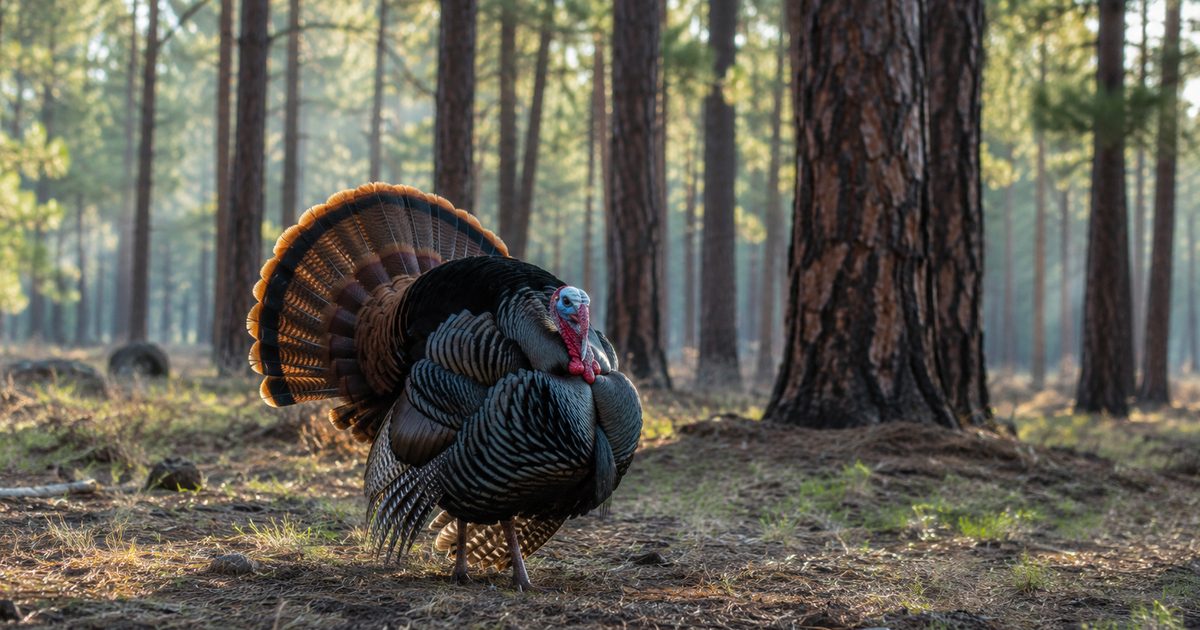
Tennessee does not get the same breathless coverage as Missouri or Kansas when turkey hunting destinations come up, and that is part of what makes it so good. The state carries a population of roughly 300,000 Eastern wild turkeys, one of the highest densities in the Southeast. For background on Eastern wild turkey biology and what distinguishes them from Merriam’s and Rio Grande birds, the wild turkey species guide is worth reading before you plan a trip. The terrain is varied enough to produce birds year after year — limestone ridges, mixed hardwood hollows, agricultural creek bottoms, and bottomland hardwoods in the west. For hunters willing to put in the map work, Tennessee is one of the best turkey states east of the Mississippi.
We have hunted TN birds in all three grand divisions of the state, from the foggy laurel-choked coves of the Smokies foothills to the flat bottomlands along the Tennessee River. What consistently stands out is the call-responsiveness of Tennessee gobblers. These birds have been managed well, they have room to roam, and the spring season starts early enough to catch them at peak gobbling intensity. Here is everything you need to plan a successful hunt.
Season Dates and Limits
Tennessee’s spring turkey season typically opens in the first week of April and runs four weeks, closing in early May. The precise dates shift slightly each year, so always verify the current season structure at the TWRA website (twra.tn.gov) before making travel arrangements.
Daily limit: One gobbler per day. Jakes (males with beards shorter than 6 inches) are legal.
Season limit: Three gobblers for the spring season. That is a generous limit — most hunters will not approach it, but it gives dedicated hunters real flexibility across multiple trips.
Fall season: Tennessee also offers a fall turkey season in designated units, typically October through January, where either-sex harvest is permitted on certain days. Fall turkey hunting in TN is underutilized and can be exceptional for hunters who enjoy running-and-gunning scattered flocks.
Legal shooting hours: One-half hour before sunrise to sunset. Hunting continues through the afternoon — a fact many out-of-state hunters miss. TN afternoon gobblers are very real.
Pro Tip
Tennessee allows you to take gobblers in the afternoon during spring season — don’t pack up after noon. Many of our best setups have come from 2–4 PM when midday birds start moving again.
License Costs
Tennessee keeps licensing costs reasonable, which is a meaningful part of its appeal for nonresident hunters looking to add an eastern turkey state to the rotation.
Residents: A basic hunting license runs approximately $34 for the combined hunting and fishing package. A turkey license costs around $10 additional, bringing the total resident spring turkey cost to roughly $44. Resident seniors (65+) receive significant discounts.
Nonresidents: An annual nonresident hunting license is approximately $80. Add a nonresident turkey license (around $30) and you are at roughly $110 for the season. That is among the most affordable nonresident turkey setups in the eastern half of the country — well below what states like Kentucky or Virginia charge.
All licenses can be purchased online through the TWRA portal or at most Walmart and sporting goods retailers in the state. Tennessee does not have a draw for spring turkey — tags are over-the-counter for both residents and nonresidents.
Important
Tennessee is an OTC turkey state with no draw — walk in, buy a tag, and hunt. For nonresidents who have been locked out of other eastern states, that makes TN one of the most accessible quality turkey destinations on the map.
Why Tennessee Produces Quality Birds
Three factors consistently produce big, call-responsive gobblers in Tennessee.
Geography. The ridge-and-valley system that runs from northeast to southwest through the middle of the state creates exactly the kind of terrain turkeys thrive in — long hardwood ridges, bench flats with mast trees, creek drainages with green browse, and agricultural fields tucked into the valleys. Turkeys use these terrain features like a highway system. Once you understand how birds move between roost ridges and feeding flats, setups become much more predictable.
Food diversity. Tennessee’s mixed landscape means birds are not locked into a single food source. Spring green-up in the hardwoods, newly worked agricultural fields in the valleys, and an abundance of insect activity in moist creek bottoms all come into play across a four-week season. Birds stay in good condition and their range gives hunters multiple options.
Strong management. The Tennessee Wildlife Resources Agency has maintained a healthy harvest with steady population growth over decades. Seasons are calibrated to protect the breeding population while offering genuinely good opportunity. The result is a stable, dense population with older-class gobblers in most parts of the state.
Regional Breakdown
Tennessee’s three grand divisions each hunt differently. Knowing which type of country you’re heading into shapes your strategy before you ever leave the truck.
East Tennessee — Mountains and National Forest
The eastern third of the state is defined by the Unaka Mountains, the Cherokee National Forest, and the ridgelines running toward the Great Smoky Mountains National Park boundary. Birds here are hunted harder and live in more rugged terrain. Foggy April mornings are common at elevation — gobblers sometimes shut down when heavy mist settles into the coves, and you have to commit to a longer game.
The upside is that public access is enormous. The Cherokee National Forest covers over 650,000 acres across two sections (northern and southern), and turkey densities are solid throughout. Hunting pressure is highest on opening weekend close to road access — get in a mile or two and pressure drops dramatically. The terrain rewards scouts who put in the boot work during the off-season.
Middle Tennessee — Ridge-and-Valley and Agricultural Transition
Middle Tennessee is where we have taken our fattest, most call-happy gobblers. The rolling hills and agricultural fields of the central basin and the rim country around it hold exceptional bird numbers. Gobblers here pattern to ag fields early in the season, then transition to ridge hunting as fields green up and insects emerge.
The key to Middle TN is identifying the field-to-timber transition points. A long-spurred gobbler will roost over a ridge, pitch down to a bench above a field at first light, and cruise that edge for 90 minutes before swinging back into the timber. Set up between his roost and that destination and you will get shots.
West Tennessee — Bottomland Hardwoods
Western Tennessee is a different world from the mountains. Flat bottomland hardwoods, cypress sloughs, and agricultural fields that stretch to the horizon define the landscape. Bird numbers are strong, and the hunting style is closer to a classic Deep South turkey hunt — locating birds in big timber flats, using terrain breaks and creek drainages to get close, and calling them across open ground.
West Tennessee WMAs along the Tennessee and Mississippi rivers are worth serious attention for hunters who enjoy bottomland birds.
Top Public Land Options
Cherokee National Forest (East TN): The largest public land block in the state. The northern section (Carter, Johnson, Sullivan counties) and southern section (Monroe, Polk counties) both hold excellent spring turkey populations. Scouting roads and trail systems in winter gives you a major advantage here.
Catoosa Wildlife Management Area (Cumberland Plateau): Over 80,000 acres on the Cumberland Plateau, one of the largest WMAs in the eastern U.S. Turkey densities are very good, and the plateau terrain creates natural travel corridors that are highly pattern-able. Less crowded than east TN national forest units on opening weekend.
Natchez Trace Corridor (Middle TN): The Natchez Trace Parkway and adjacent WMAs in Maury, Wayne, and Lewis counties offer solid middle Tennessee birds with lighter pressure than many state WMAs. The ag-timber transition country along this corridor produces consistently.
Ames Plantation (West TN): Limited public access, but portions of Ames open for limited hunting opportunities. Research access rules well in advance — this is trophy bird country for those who get in.
Warning
Tennessee WMAs fill up fast on opening weekend — especially within two miles of trailhead parking. If you’re hunting opening day on public land, be at your setup before legal shooting time and plan to be significantly off the road. Midweek hunting later in the season dramatically reduces pressure.
Hunting Techniques
Roosting birds. The single highest-leverage thing you can do in Tennessee turkey hunting is locate birds on the roost the evening before. Get into the woods at dusk and listen for fly-up cackles and wing beats. Mark the roost tree or trees, get out quietly, and return before first light. Our turkey scouting guide covers how to read roost sign, identify strutting zones, and build a pre-season map for any terrain type.
Setup and calling. Position yourself 75–100 yards from the roost tree before fly-down. As shooting light arrives, start with soft tree yelps and clucks — you are imitating a hen waking up on the roost. Once birds pitch down, aggressive cutting and yelping can fire up a gobbler that has hens nearby. If birds hang up, slow down. Soft purrs and clucks often seal the deal when a tom is close but cautious. The turkey calling complete guide breaks down every call and the sequences that close the distance on fired-up birds, hung-up birds, and call-shy gobblers.
Decoy use. Full-strut toms or hen-and-jake combos work well on open fields and less-pressured areas. On public land — especially high-pressure WMAs — we prefer to hunt without decoys. The risk of another hunter seeing a decoy and approaching is real. Safety and unpredictability on public land argue for clean setups without foam birds in the ground.
Afternoon hunting. Do not sleep on afternoon birds. After midday, gobblers that struck out in the morning start seeking hens again. Set up near known feeding or dusting areas and use soft calling. Some of our most memorable Tennessee birds have come between 2 and 4 PM.
Nonresident Strategy
Tennessee is legitimately one of the best values in eastern turkey hunting for out-of-state hunters. The combination of OTC tags, affordable license costs, solid bird numbers, and varied terrain makes it competitive with any eastern state. A nonresident can plan a 3–4 day trip to Middle or East Tennessee, target public land, and have a realistic shot at filling multiple tags across a week of serious hunting. Use the Tag-to-Trail Planner to map out public land units, entry routes, and backup locations before your trip.
Focus on mid-week dates after the first week of the season. Opening weekend public land pressure is real. By day five or six of the season, hunters have moved on and vocal birds are still out there.
Pro Tip
For nonresidents targeting Tennessee on a budget, Catoosa WMA and the Cherokee National Forest southern unit are our top two picks. Both have road access, dispersed camping options nearby, and enough acreage to find unpressured birds if you’re willing to walk.
FAQ
When does Tennessee turkey season start? The spring turkey season typically opens the first week of April. Exact dates shift slightly by year — confirm current dates at twra.tn.gov before purchasing licenses or making travel plans.
How many turkeys can you kill in Tennessee per season? The spring season limit is three gobblers with a daily bag of one. You may not take hens during spring season. Some fall units allow either-sex harvest on designated days.
Do nonresidents need a special turkey license in Tennessee? Yes. Nonresidents need both a nonresident hunting license (approximately $80) and a nonresident turkey license (approximately $30). All licenses are OTC — no draw required.
What is the best public land for turkey hunting in Tennessee? Cherokee National Forest and Catoosa WMA are the top public land options for volume and access. Catoosa is particularly good for hunters who want large acreage with lighter pressure than national forest trailhead areas on opening weekend.
Can you hunt turkeys in the afternoon in Tennessee? Yes. Legal hunting hours run from one-half hour before sunrise to sunset. Afternoon hunting is legal and productive throughout the spring season — many hunters overlook this window.
What calling should I use for Tennessee turkeys? Start soft — tree yelps and clucks before fly-down, then transition to standard yelping and cutting as birds hit the ground. If a gobbler hangs up at distance, slow down and switch to soft purrs and clucks. Aggressive calling works well early in the season when toms are fired up; patient soft calling often works better mid-season.
Is Tennessee worth it for a dedicated turkey hunter? Absolutely. The combination of OTC tags, sub-$120 nonresident total cost, strong bird numbers, and diverse terrain from mountains to bottomlands makes Tennessee one of the most compelling eastern turkey states for hunters who do not want to deal with draw lotteries or sky-high license fees.
Next Step
Check Draw Odds for Your State
Tag-level draw odds across 9 western states — filter by species, unit, weapon, and points. Free to use.
Get the Insider Edge
Join hunters getting exclusive draw odds data, gear deals, and weekly hunt planning tips.
Related Articles

Arizona Unit 36 Border Country Guide
Units 36A, 36B, and 36C sit along the Mexican border west of Nogales — overlooked Coues and javelina country with low draw requirements and solid hunting.

Montana General Elk Tag: Everything You Need to Know
The Montana general elk tag explained — who can buy one, what it covers, best districts, season dates, nonresident options, costs, and tactics for public land.

Arizona Unit 22 Guide: Tonto Basin
Unit 22 runs across the Tonto Basin and the Salt River country — productive elk in the highlands, accessible javelina in the desert, and some of Arizona's most underrated deer country.
No comments yet. Be the first to share your experience!