Texas Whitetail Hunting: Hill Country and South Texas
Texas whitetail hunting guide — the different regions of Texas deer hunting, public land options vs private ranch hunting, lease hunting economics, Hill Country vs South Texas genetics and trophy expectations, season structure, and how non-residents can access Texas deer hunting.
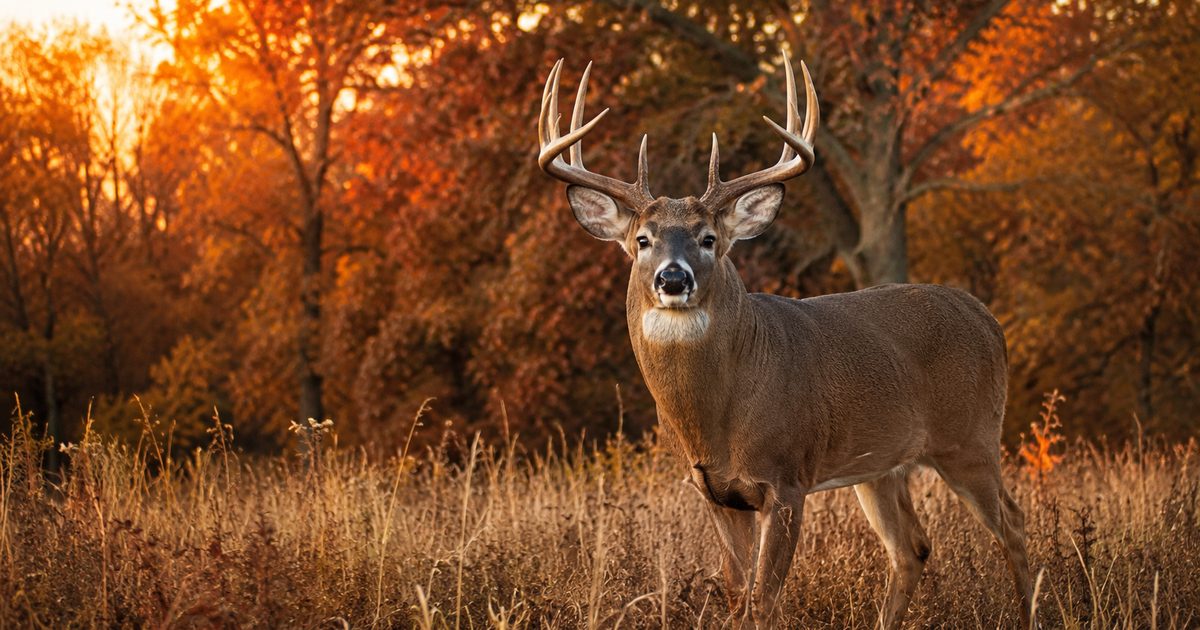
Texas is the single largest whitetail deer state by numbers — the statewide population is estimated at 4 to 5 million deer — and yet for most non-residents, hunting here is harder to access than in almost any western state. There is no draw. The licenses are over the counter. The problem is land. Roughly 95 percent of Texas acreage is privately owned, and private landowners have always treated deer as a commodity with real dollar value. That reality shapes everything: the lease system, the guide industry, the regional differences between trophy destinations, and the small but real public land footprint that exists if you know where to look.
Texas as a Whitetail Destination
No state in the lower 48 produces more record-book whitetail entries over time than Texas. Unlike western states where drawing a tag requires years of preference points — use the draw odds engine to compare western states — Texas whitetail is fully over-the-counter. The genetics are real, the nutrition is real, and on managed private ranches where buck age structure is controlled, the deer grow into animals that rival anything the Midwest can produce.
The tradeoff is access. In Texas, hunting runs on a leasing economy, a guided ranch economy, and a small WMA system that most hunters underutilize. Understanding which path fits your situation is the starting point.
The Hill Country
The Edwards Plateau — what most people call the Hill Country — covers cedar, live oak, and limestone country through Kerr, Edwards, Gillespie, Real, and Bandera counties west of San Antonio. It holds the highest deer densities in the state, and those densities cut both ways.
When land is overstocked — and many Hill Country properties are — you get abundant deer but smaller body weight and smaller antler mass than in South Texas or properly managed lower-density ranches. A mature Hill Country buck at 4.5 years old will often score significantly lower than a same-age buck from the Brush Country. That said, hunt frequency is high and opportunities come often. Many leases here also include axis deer and other exotics, giving hunters multiple species in a single trip.
Expect shared gun memberships to run $1,500 to $3,000 per season, with guided hunts starting around $2,000 for a doe or management buck.
Important
The Hill Country’s high deer density is one of its defining features, but it also means competition for food during drought years can suppress antler growth across the whole property. When booking a Hill Country hunt, ask specifically about the ranch’s deer management program — doe harvest rates, protein supplementation, and trail camera inventory from the prior year tell you far more than marketing language.
South Texas: Where Records Come From
The Brush Country — dense, thorny chaparral covering Duval, Webb, Zapata, and Jim Hogg counties along the Mexican border — is where Texas’s reputation for record-book deer is actually earned. Bucks scoring 180 to 200 inches gross come off well-managed South Texas ranches with enough regularity that outfitters can credibly advertise them as achievable.
South Texas bucks develop thicker beams, heavier mass, and longer tines than comparable-age deer in higher-density parts of the state. The cover is exceptional, stress levels are low, and the longer growing season extends the antler development window. On a managed ranch with controlled buck-to-doe ratios and strict age structure rules, this country genuinely produces world-class deer.
Trophy hunt packages with quality outfitters run $5,000 to $15,000 depending on minimum score. Management buck and doe hunts start in the $2,500 to $4,000 range. Sendero hunting — sitting over long cleared shooting lanes — is the dominant method, with 200-yard shots being routine. A 6.5 Creedmoor, .308, or .300 WSM is the right tool here.
Pro Tip
In South Texas, the mid-to-late November rut pushes mature bucks onto senderos and roads in daylight more reliably than almost any other time of year. If you can only make one trip, the week of November 15 through the end of the month is when the largest bucks are most killable. Outfitters who have hunted the same ranches for decades can tell you with real precision when their specific property peaks — ask them directly and book accordingly.
East Texas Pineywoods
East Texas — the Pineywoods extending from the Louisiana border through Nacogdoches, Sabine, Newton, and Jasper counties — is a different world from the rest of the state. Tall pines, hardwood bottoms, and creek drains replace the open terrain of the Hill Country and South Texas brush. Traditional timber-country tactics work well here: stand over creek pinch points, white oak mast flats, and logging road intersections.
This region also holds the most accessible public deer hunting in Texas. The national forests — Angelina, Davy Crockett, Sabine, and Sam Houston — plus several state WMAs provide the largest blocks of public ground in the state. Trophy expectations are modest compared to South Texas; most bucks taken on public land score 100 to 140 inches, but the hunting is real and the access is genuine.
Public Land Options
Public deer hunting in Texas exists, but the footprint is small relative to the state’s size. The primary options are:
The national forests in East Texas — Angelina, Davy Crockett, Sabine, and Sam Houston National Forests — cover roughly 700,000 combined acres and are open to hunting under standard federal rules. USDA Forest Service maps show open versus closed compartments, and hunting pressure is real during firearms season. Scouting mid-week and arriving early in the season before pressure builds pays off here.
Texas Parks and Wildlife manages a network of Wildlife Management Areas (WMAs) statewide. These range from small tracts to substantial properties. Access typically requires a state hunting license plus a Limited Public Use Permit (LPUP), available through the TPWD website. Some WMAs require advance reservations; others are walk-in. Deer harvest on WMAs varies significantly by property — check TPWD’s Annual Public Hunting Program guide for current rules and quota details.
The reality for most hunters is that public land in Texas is a viable but challenging path. Competition is higher than on private land, mature buck age structure is often compressed by hunting pressure, and the best properties book up quickly during the application period.
Warning
Texas WMA access is not as simple as buying a license and showing up. Many WMAs require a separate Limited Public Use Permit with specific dates and party limits — these sell out. Check the TPWD Annual Public Hunting Program online every summer and secure your permit before the season opens. Walking in without the correct permit is a violation, and game wardens work these areas actively.
Lease Hunting in Texas
The lease system is how most Texas deer hunting actually happens. Landowners lease hunting rights to individuals or clubs for a seasonal fee, with agreed-upon rules covering buck harvest minimums, doe limits, and camp expectations.
Costs run roughly $1,500 to $2,500 per gun per season on a shared Hill Country membership and $5,000 or more for a single-gun slot on a managed South Texas property. Statewide the average hovers in the $3 to $6 per acre range. Most good leases fill by word of mouth and never hit public listings — lease broker platforms like Texas Hunting Land and Hunting Lease Network aggregate available properties, but expect to wait or network locally for anything desirable.
Non-Resident Access
Texas has no non-resident deer quota and no draw — a non-resident buys a hunting license (approximately $315) and deer tags over the counter through TPWD, then figures out land access separately. Compared to western states where non-residents spend $600 to $1,000 on licenses before drawing a tag, the license cost is low.
Non-residents most commonly book a guided outfitter hunt ($3,000 to $8,000 for a South Texas management or trophy buck hunt including lodging and meals), purchase a single-season lease membership on a property that offers outside gun slots, or connect with a Texas hunting club. The license is easy — it’s the land access that takes work.
Season Structure
Texas deer seasons follow a predictable framework that varies slightly by county.
Archery season opens statewide in early October — typically the first Saturday — and runs concurrently through January. Muzzleloader season covers a roughly two-week window in late October to early November. General firearms season opens the first Saturday in November and closes the first Sunday in January.
A youth-only weekend in mid-October precedes the general opener, and select counties run a late antlerless and spike season in January for doe management. Texas is a two-antlered-buck state in most counties; antlerless deer require a separate tag. Always verify county-level antler restrictions before hunting — some counties have specific rules that differ from the statewide framework.
Bottom Line
Texas whitetail hunting is genuinely excellent in the right regions with the right access, but access is the whole game here. Before your hunt, review the deer shot placement guide — South Texas sendero shots at 200 yards require the same aim-point discipline as any other deer hunt. The license and tag system is easy — over the counter, no draw, reasonable fees for non-residents. The land access system is the challenge, and working around it means either paying for a guided hunt, investing in a lease, or putting serious effort into the limited public land network in East Texas.
For trophy deer, South Texas is the real destination — the genetics and management culture in the Brush Country produce deer that are hard to match anywhere in the country. For hunters who want frequency and affordability, the Hill Country delivers deer in volume on a broad range of leases. For hunters willing to grind public land, East Texas national forests offer a legitimate if challenging path.
Texas rewards hunters who understand how the system actually works. If you are also considering western big game, the Tag-to-Trail Planner is useful for mapping those trips alongside your Texas access planning. Get your license over the counter, find your access through a lease or an outfitter you trust, and show up in November when the rut is moving — the deer are there.
Frequently Asked Questions
Does Texas have a deer draw or lottery?
No. Texas whitetail hunting is entirely over-the-counter for both residents and non-residents. Purchase your license and deer tags through the TPWD website or any license retailer — no application, no draw, no points system. You can book a lease or outfitter hunt and buy your license the same day.
What does it cost to hunt deer in Texas on a lease?
Expect $1,500 to $2,500 per gun per season for a shared Hill Country membership and $5,000 or more for a single-gun slot on a managed South Texas ranch. Hunters new to Texas leasing can realistically find a decent Hill Country or central Texas property in the $2,000 to $3,500 range with basic cabin access.
How do I find Texas public land deer hunting?
The national forests in East Texas (Angelina, Davy Crockett, Sabine, Sam Houston) are the best option — open to hunting with a standard license. TPWD WMAs statewide require a hunting license plus a Limited Public Use Permit available through the Annual Public Hunting Program published each summer. Secure your WMA permit early — popular properties sell out.
When is the best time to hunt Texas whitetail?
South Texas peaks in late November, with the two weeks around Thanksgiving offering the most consistent daylight buck movement. The Hill Country rut runs roughly November 1 through mid-November. East Texas follows a similar timeline. The rut window and the first week of firearms season are when mature bucks are most killable regardless of region.
Next Step
Check Draw Odds for Your State
Tag-level draw odds across 9 western states — filter by species, unit, weapon, and points. Free to use.
Get the Insider Edge
Join hunters getting exclusive draw odds data, gear deals, and weekly hunt planning tips.
Related Articles

Arizona Unit 36 Border Country Guide
Units 36A, 36B, and 36C sit along the Mexican border west of Nogales — overlooked Coues and javelina country with low draw requirements and solid hunting.

Montana General Elk Tag: Everything You Need to Know
The Montana general elk tag explained — who can buy one, what it covers, best districts, season dates, nonresident options, costs, and tactics for public land.

Arizona Unit 22 Guide: Tonto Basin
Unit 22 runs across the Tonto Basin and the Salt River country — productive elk in the highlands, accessible javelina in the desert, and some of Arizona's most underrated deer country.
No comments yet. Be the first to share your experience!