South Africa Hunting: The Complete Safari Guide
Plan a South Africa hunting safari — species, costs, outfitter selection, travel logistics, rifle import rules, and what to expect on your first African hunt.
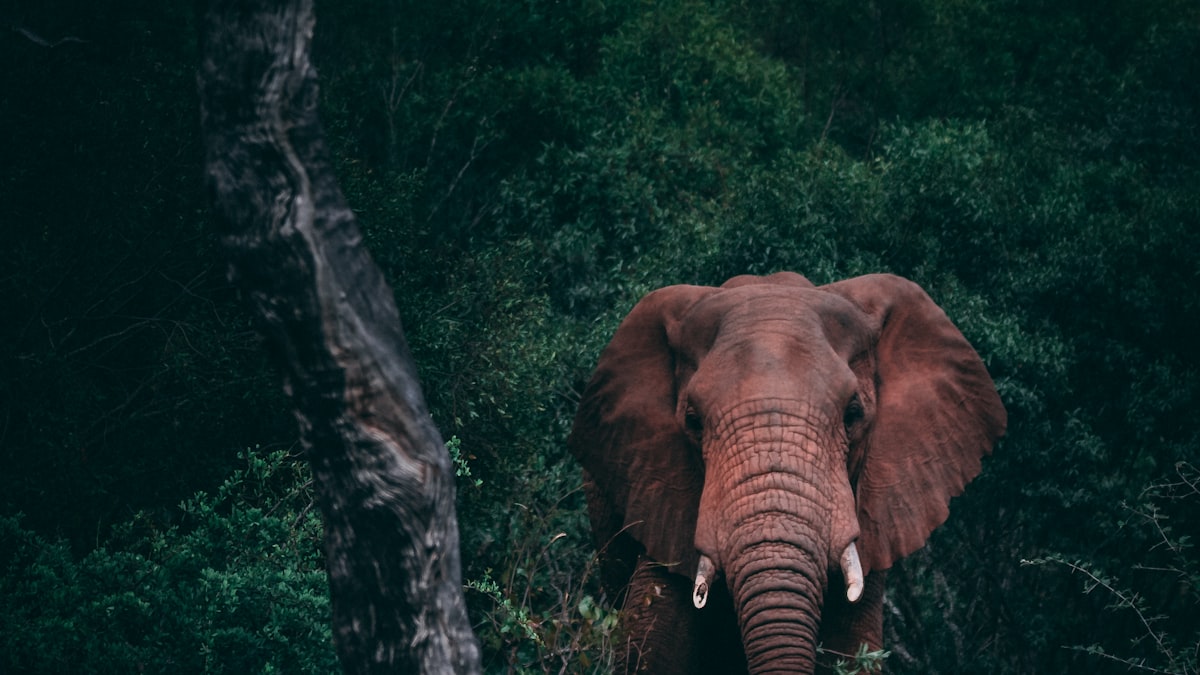
South Africa is the most accessible, affordable, and logistically straightforward hunting destination in Africa. For American hunters accustomed to western big game, a South African plains game safari delivers a completely different experience — 15-30 huntable species, professional hospitality, and costs that are often less than a guided elk hunt in the American West. More than 9,000 registered game farms and hunting operations cover nearly 20 million hectares of managed wildlife habitat across the country.
This article contains affiliate links. We may earn a small commission if you purchase through these links, at no extra cost to you.
Most hunters expect more friction than they find. Direct flights from Atlanta and New York to Johannesburg run 15-16 hours. You can legally import your own rifle with proper permits. Daily rates at reputable outfitters start at $350-450 per day, and a 7-day plains game safari with 5-6 animals harvested can run $5,000-8,000 all-in before taxidermy and shipping.
If you’ve been hunting elk in Colorado or Idaho and want to experience something completely different, a South African safari is the most practical first step into international hunting. This guide covers everything from species selection and outfitter vetting to rifle import procedures and what your budget actually buys.
Quick Facts: South Africa Hunting
| Detail | Info |
|---|---|
| Huntable Species | 50+ (plains game, dangerous game, birds) |
| Hunting Season | Year-round (peak: April – October) |
| Visa Required | No — 90-day tourist visa on arrival for US citizens |
| Firearm Import | Temporary import permit at port of entry |
| Travel Time | 15-16 hours direct from Atlanta/New York to Johannesburg |
| Currency | South African Rand (ZAR) — ~18 ZAR to 1 USD |
| Daily Rate Range | $350-$650/day (plains game outfitters) |
| Trophy Fee Range | $350 (impala) to $3,500+ (sable) for plains game |
| Typical Safari Duration | 7-10 days |
| Language | English widely spoken in hunting industry |
Disclaimer: All data was accurate as of March 2026. Trophy fees, daily rates, and import regulations change annually. Always verify current requirements with your outfitter and the South African Police Service (SAPS) before traveling.
Why South Africa
Four factors make South Africa the top choice for a first African hunt — and a repeat destination for experienced safari hunters.
No country beats South Africa on species variety. Nowhere else do you find 50+ legally huntable species with the infrastructure to chase them. Think about that number. A single 7-day safari can stack kudu, gemsbok, wildebeest, impala, warthog, blesbok, and springbok — all on one property. Compare that to a western elk hunt where you’re grinding after one species for a week.
Infrastructure is first-world. South Africa has modern airports, paved highways, reliable cell service in most hunting areas, and an English-speaking hunting industry. You’re not flying bush planes into remote camps (unless you want to). Most outfitters operate from comfortable lodges with electricity, hot water, prepared meals, and even Wi-Fi.
Cost is competitive. A 7-day plains game safari with 5-6 animals runs $5,000-8,000 before taxidermy. That’s comparable to a guided elk hunt for a single species. On a cost-per-animal basis, South Africa delivers extraordinary value.
Legal and logistical clarity. South Africa has well-established hunting laws, a functioning permit system for firearm imports, and professional hunting associations (PHASA, WRSA) that enforce standards. The legal framework protects both hunters and wildlife.
Huntable Species
Species diversity is the primary draw. Here are the most popular plains game for visiting hunters, organized by price tier.
Entry-Level Plains Game ($350-$1,000 Trophy Fee)
| Species | Trophy Fee Range | Size | Hunting Method | Notes |
|---|---|---|---|---|
| Impala | $350-$500 | 120-160 lbs | Spot-and-stalk, blind | Most common, great first animal |
| Warthog | $350-$450 | 100-200 lbs | Spot-and-stalk, blind | Challenging, fast, entertaining |
| Blesbok | $500-$700 | 150-200 lbs | Spot-and-stalk | Open grassland species |
| Springbok | $450-$600 | 70-100 lbs | Spot-and-stalk | Fast, open plains |
| Mountain Reedbuck | $500-$700 | 60-80 lbs | Spot-and-stalk | Mountain terrain, steep |
| Duiker | $400-$550 | 30-45 lbs | Opportunistic | Small, sneaky, bonus animal |
| Bushbuck | $600-$900 | 80-130 lbs | Blind, tracking | Dense cover, challenging |
Mid-Tier Plains Game ($1,000-$2,500 Trophy Fee)
| Species | Trophy Fee Range | Size | Hunting Method | Notes |
|---|---|---|---|---|
| Kudu | $1,200-$2,000 | 400-600 lbs | Spot-and-stalk, tracking | Africa’s iconic spiral horn |
| Gemsbok | $1,000-$1,500 | 400-500 lbs | Spot-and-stalk | Kalahari icon, spectacular horns |
| Blue Wildebeest | $900-$1,300 | 450-600 lbs | Spot-and-stalk | Tough animal, requires good shot |
| Red Hartebeest | $800-$1,200 | 300-400 lbs | Spot-and-stalk | Open country, wary |
| Zebra | $1,200-$1,800 | 600-800 lbs | Spot-and-stalk | Excellent eyesight, sharp |
| Waterbuck | $1,500-$2,500 | 400-550 lbs | Spot-and-stalk, blind | Near water, heavy-bodied |
| Nyala | $1,800-$2,500 | 200-275 lbs | Blind, spot-and-stalk | KwaZulu-Natal specialty |
Premium Plains Game ($2,500-$5,000+ Trophy Fee)
| Species | Trophy Fee Range | Size | Hunting Method | Notes |
|---|---|---|---|---|
| Sable Antelope | $3,000-$5,000 | 400-550 lbs | Spot-and-stalk | Stunning trophy, prestigious |
| Eland | $2,500-$3,500 | 1,200-2,000 lbs | Spot-and-stalk, tracking | Africa’s largest antelope |
| Roan Antelope | $4,000-$6,000 | 500-600 lbs | Spot-and-stalk | Rare, high-value trophy |
Recommended First Safari Package
For a first-time safari hunter, a 7-day package targeting 5-6 species delivers the best value and experience:
- Kudu — Your trophy centerpiece. A mature 55-inch kudu bull with those corkscrew horns is one of the most striking trophies in all of hunting — worth planning your entire safari around.
- Gemsbok — Spectacular straight horns, a punishing stalk across open ground, and an animal that looks like it belongs on a coat of arms.
- Blue Wildebeest — Tough. This animal soaks up a poorly placed shot better than most, which keeps you honest.
- Impala — Shoot one the first morning. Hundreds of them on most properties, and it burns off the nerves before you’re chasing something expensive.
- Warthog — Chaotic and entertaining. Skull mounts are cheap, and the story is always worth telling.
- Blesbok or Springbok — Open-country, flat-out spot-and-stalk. A completely different style than the bush work you’ll do for kudu.
This package typically runs $4,500-7,000 in trophy fees plus $2,500-4,500 in daily rates (7 days at $350-650/day).
Shoot Your Impala First Morning — It Burns Off the Nerves
Every experienced safari hunter recommends taking an impala on day one, regardless of cost. The first shot in Africa carries more adrenaline than most hunters expect, and impala are everywhere on most properties. Getting that first successful shot — confirming your zero and managing the excitement — makes you a sharper hunter for the expensive species the rest of the week.
Choosing an Outfitter
Your outfitter selection is the single most important decision in planning a South African safari. Get this wrong and nothing else matters. The gap between a professional, ethical operation and a substandard one is enormous.
What to Look For
Professional association membership. Require membership in PHASA (Professional Hunters Association of South Africa) or WRSA (Wildlife Ranching South Africa). These organizations enforce ethical standards and provide a complaint resolution process.
Transparent pricing. A reputable outfitter publishes daily rates, trophy fees for every species, and a clear list of what’s included and excluded. Be wary of outfitters who quote vague “package prices” without itemization.
Verifiable references. Ask for 5-10 recent client references and actually call them. Ask about trophy quality, hunting ethics, lodge quality, food, professionalism, and whether the total cost matched the quote.
Hunt property quality. Ask about property size, terrain variety, and animal density. A 20,000-hectare (50,000-acre) ranch with diverse habitat is very different from a 2,000-hectare fenced property.
Professional hunter (PH) experience. Your PH is your guide, mentor, and safety net. Ask about your PH’s experience level, which species they specialize in, and how long they’ve hunted on the property.
Red Flags
- Prices dramatically below market rate (cutting corners on property or animal quality)
- No professional association membership
- Refuses to provide references
- Vague or changing pricing after initial quote
- High-pressure sales tactics
- “Guaranteed” trophy animals (ethical hunting has no guarantees)
- All-inclusive pricing with no itemized breakdown
Cost Structure Explained
The pricing structure has two components:
Daily rate ($350-650/day). Covers your lodging, meals, PH services, vehicle use, trackers, and field staff. Higher daily rates typically reflect nicer lodges and more experienced PHs.
Trophy fees (per animal). Charged only for animals you harvest. If you shoot a kudu at $1,500 and a warthog at $400, your trophy fees total $1,900. Wounded and lost animals are typically charged at 100% — shot placement matters.
Complete Cost Breakdown
Here’s what a 7-day plains game safari actually costs from wheels-up to trophies-on-the-wall.
Total Budget Breakdown
| Expense Category | Budget Safari | Mid-Range | Premium |
|---|---|---|---|
| Airfare (round trip) | $1,200 | $1,800 | $3,500 |
| Daily Rate (7 days) | $2,450 | $3,500 | $4,550 |
| Trophy Fees (5-6 animals) | $3,500 | $5,500 | $9,000 |
| Tips (PH + staff) | $700 | $1,200 | $2,000 |
| Rifle Permit & Transport | $200 | $200 | $200 |
| Travel Insurance | $150 | $250 | $400 |
| Taxidermy (in-country) | $800 | $1,500 | $3,000 |
| Shipping & US Taxidermy | $1,500 | $3,000 | $6,000 |
| Miscellaneous | $300 | $500 | $800 |
| Total | $10,800 | $17,450 | $29,450 |
Where the Money Goes
Taxidermy and shipping are where budgets blow up. If you opt for skull mounts and dip-and-ship (skulls/hides treated in South Africa and shipped home for mounting), you’ll spend $2,000-4,000. Full shoulder mounts done in South Africa and shipped add $4,000-9,000 depending on how many animals you’re mounting. Many hunters do their first safari as a “scouting trip” with skull mounts only, then go full shoulder mounts on a return trip.
Tips are customary and expected. Standard tipping: $200-300/day for your PH, $25-50/day for trackers and skinners, and $15-25/day for lodge staff. These add up over a 7-day safari.
Budget Tipping Separately — It's Not Optional
Tipping your PH and camp staff is expected practice in South Africa’s hunting industry, not a discretionary add-on. For a 7-day safari, budget $700-1,200 for tips before you depart. Your PH’s tip ($200-300/day) acknowledges the expertise, physical work, and responsibility they carry on your behalf. Not tipping appropriately damages the reputation of American hunters as a whole.
Travel and Logistics
Getting There
Direct flights from Atlanta (Delta) and New York JFK (South African Airways) to Johannesburg O.R. Tambo International Airport run 15-16 hours. From Johannesburg, most hunters either rent a vehicle or are met by their outfitter for a 1-5 hour drive to the hunting area. Domestic connections to Cape Town, Port Elizabeth, or smaller regional airports add 1-2 hours if your hunting area is in the Eastern or Western Cape.
Recommended arrival: Land in Johannesburg at least a day before your safari starts. Jet lag is real after 15+ hours in the air, and you want your first day in the bush to be a hunting day, not a recovery day. Most outfitters will pick you up at the airport and transport you to the lodge.
Importing Your Firearm
South Africa allows hunters to legally import rifles on a temporary basis through SAPS Form 520. The process is handled at the port of entry (Johannesburg or Cape Town international airports):
- Declare your firearm at customs when you land.
- Present your US passport, firearm serial number, and caliber information.
- Complete SAPS Form 520 — the temporary import permit.
- Pay a nominal fee (typically under $50 USD equivalent).
- Your outfitter will assist with any paperwork complications.
The permit is valid for the duration of your visit. On departure, surrender the permit at the same port of entry. The process typically takes 20-45 minutes. Your outfitter can brief you on the current paperwork requirements before you travel — procedures occasionally change.
If you’d rather not travel with your rifle: Most South African outfitters maintain a selection of client rifles in common calibers (.300 Win Mag, .375 H&H, .30-06). Rental typically runs $30-60/day. If you go this route, verify caliber availability with your outfitter well in advance and plan to shoot the rifle before your hunt starts.
Zero Your Rifle at the Lodge Before You Hunt
Even if your rifle was dead-on before you left home, always confirm zero at the lodge on arrival day. Airline baggage handling, pressure changes, and temperature shifts can move a scope. Most outfitters have a shooting range on-property. Spend 30 minutes confirming your zero at 100 meters before the first morning hunt — it’s the most important 30 minutes of your safari.
What to Pack
| Category | Items |
|---|---|
| Clothing | Khaki, olive, or tan — not camo (often restricted on game farms); long sleeves for thornbush; light weight |
| Boots | Comfortable, broken-in walking boots; light mid-cut for warm weather plains game |
| Optics | 10x42 binoculars; your rifle scope; rangefinder recommended |
| Medications | Malaria prophylaxis if hunting KwaZulu-Natal or Limpopo lowveld; travel insurance |
| Sun protection | High-SPF sunscreen; wide-brim hat; UV-protective shirt |
| Miscellaneous | Shooting sticks (most outfitters provide them); earplugs; small daypack |
Note on camo: Many South African game farms restrict camo clothing for legal reasons related to anti-poaching regulations. Check with your outfitter before packing full camo. Neutral earth tones (khaki, tan, olive) are universally acceptable and blend into the African bush just as effectively.
Hunting Season and Timing
Season Overview
| Season | Months | Conditions | Notes |
|---|---|---|---|
| Prime dry season | April – September | Cooler, dry, vegetation sparse | Best visibility; animals concentrated at water |
| Late dry season | October – November | Warming up; still dry | Excellent for most plains game |
| Wet/green season | December – March | Hot, humid, thick vegetation | Harder hunting; some species breed |
South Africa offers year-round hunting, but the dry season (April through September) is the clear favorite for visiting hunters. Vegetation thins out, animals concentrate near water sources, and temperatures are manageable — 60-75°F during the day in June and July, rather than the 85-95°F heat of November and December.
Best Timing for Plains Game
Kudu hunt well throughout the dry season, but June through August produces the most reliable stalks as visibility through the mopane and acacia scrub improves.
Gemsbok are year-round animals in the Kalahari region — heat doesn’t change their behavior much. Any month in the dry season works.
Impala are year-round and predictable. Early morning and late afternoon near water sources.
Warthog are best hunted near water early morning and at evening during the dry season when they’re predictable.
Trophy kudu bulls are most commonly encountered with full coat condition in May through July.
Hunting Methods
Plains game hunting in South Africa centers on spot-and-stalk, but the dense African bush introduces variables that western hunters don’t encounter at home.
Spot-and-Stalk
The dominant method. Your PH will drive roads and tracks in an open vehicle, glassing for game. When a target animal is located, you dismount and stalk to shooting position — typically 80-200 yards for most plains game species.
The critical difference from western elk hunting: shooting sticks are standard. The African bush provides few kneeling or prone shooting positions. Sticks (bipod or tripod shooting sticks) are provided by your PH and used for almost every shot. Practice from sticks before your safari — this is a non-negotiable preparation step.
Blind Hunting
Water-source blinds are effective for warthog, impala, and smaller species. Blinds are positioned over waterholes and natural openings. Archery hunters use blinds almost exclusively. Rifle hunters use them when spot-and-stalk for specific species proves difficult.
Walk-and-Stalk (Tracking)
For kudu and bushbuck, your PH may transition from vehicle to tracking on foot. Fresh tracks in soft soil or sand are read and followed. Walking speeds are slow, deliberate, and silent. Wind management is as critical here as anywhere in North America. Tracking for kudu through thick bush — stopping, listening, scanning — is one of the most engaging hunting experiences available anywhere.
After the Hunt: Trophies
Taxidermy Options
In-country shoulder mounts: South African taxidermists are skilled and well-priced compared to US rates. A shoulder mount done in South Africa runs $350-600 vs. $800-1,500 in the US. Quality is excellent at reputable shops.
Dip-and-ship: Your capes and skulls are preserved (dipped in borax/chemical solution) in South Africa and shipped to a US taxidermist of your choice. This is the most popular approach — cheaper shipping, and you maintain control of the mount quality through a US taxidermist you know.
Skull mounts (European): Cleaned skull with horns only. Very popular for first safaris because shipping costs are dramatically lower than shoulder mounts.
Shipping Timeline
Expect 4-8 months from safari completion to trophies-at-your-door for shoulder mounts or dip-and-ship. US Fish and Wildlife permits, CITES paperwork (for certain species), and ocean freight add time. Your outfitter coordinates this process with a freight forwarding company — a reputable outfitter will handle all export paperwork as part of their service.
Important: Budget $1,500-4,000 for international shipping and US customs clearance depending on the number and size of trophies. Taxidermy and shipping combined are the second-largest line item on most safari budgets after trophy fees.
Frequently Asked Questions
How much does a South Africa plains game safari cost?
A 7-day safari targeting 5-6 animals runs $10,000-18,000 all-in including airfare, daily rates, trophy fees, tips, and basic taxidermy. Budget-end safaris with 5 modest-priced species come in around $10,000-12,000. Mid-range safaris with a kudu as the centerpiece run $14,000-18,000. Premium hunts with multiple $2,000+ species approach $25,000+.
Is South Africa safe for hunters?
The game farms and lodges that host international hunters operate in controlled, private environments with high security. Most hunters report feeling completely safe within the hunting and lodge context. Your PH and outfitter manage logistics in areas they know well. Standard travel precautions apply in urban areas (Johannesburg specifically) — don’t flash valuables, use reputable transportation, and follow your outfitter’s guidance.
Do I need vaccinations to visit South Africa?
Routine vaccinations (hepatitis A, typhoid) are recommended. Malaria prophylaxis is recommended if hunting the northeastern lowveld areas (Limpopo province, parts of KwaZulu-Natal). Most popular hunting areas in the Eastern Cape and Karoo are malaria-free. Consult a travel medicine clinic 4-6 weeks before departure.
Can I bring my own rifle to South Africa?
Yes. South Africa has a legal temporary import process through SAPS Form 520 completed at the port of entry. You declare your firearm at customs, complete the paperwork, and receive a temporary import permit valid for your stay. Your outfitter can walk you through the current procedure. The process takes 20-45 minutes and costs under $50.
What caliber should I bring for plains game?
A .30-caliber rifle (.308, .30-06, .300 Win Mag) handles all plains game from impala to eland. Many hunters bring a 7mm Rem Mag or .300 Win Mag for versatility. For kudu and larger plains game, a premium controlled-expansion bullet at 180-200 grains is appropriate. Avoid frangible varmint bullets — they’re inadequate for wildebeest and larger species. Nothing exotic is needed; what you use for elk or mule deer at home translates directly.
When is the best time to visit for a plains game safari?
May through August is the sweet spot — dry season peak, cooler temperatures (60-75°F), sparse vegetation for better visibility, and animals concentrated near limited water sources. April and September are excellent shoulder months. Avoid December through February for serious hunting — heat, humidity, and green vegetation make stalking harder and trophies less impressive.
How far in advance should I book a South Africa safari?
12-18 months minimum for a quality outfitter during peak season (May-August). Top operations fill their prime dates 18-24 months out. Shoulder season (April, September-October) offers more booking flexibility at 6-12 months. Don’t wait until 6 months before your target dates and expect to find the outfitter and dates you want.
Can I eat the meat from plains game?
Yes. Most plains game species — impala, wildebeest, blesbok, warthog — produce excellent table fare. Impala in particular is considered one of the finest wild game meats available, lean and mild. Your outfitter typically prepares game meat at the lodge during the safari. Export of meat to the US is complex (USDA regulations) and most hunters don’t attempt it — the experience of eating fresh game at the lodge is part of the safari.
Plan Your South Africa Safari
- Hunt Unit Finder — Research African hunting destinations and outfitters
- Ballistics Calculator — Confirm your caliber for plains game
- Gear Loadout Builder — Build a South Africa safari kit list
- Guided Elk Hunt Cost — Compare costs to North American guided hunts
Next Step
Check Draw Odds for Your State
Tag-level draw odds across 9 western states — filter by species, unit, weapon, and points. Free to use.
Get the Insider Edge
Join hunters getting exclusive draw odds data, gear deals, and weekly hunt planning tips.
Related Articles

Arizona Unit 36 Border Country Guide
Units 36A, 36B, and 36C sit along the Mexican border west of Nogales — overlooked Coues and javelina country with low draw requirements and solid hunting.

Montana General Elk Tag: Everything You Need to Know
The Montana general elk tag explained — who can buy one, what it covers, best districts, season dates, nonresident options, costs, and tactics for public land.

Arizona Unit 22 Guide: Tonto Basin
Unit 22 runs across the Tonto Basin and the Salt River country — productive elk in the highlands, accessible javelina in the desert, and some of Arizona's most underrated deer country.
No comments yet. Be the first to share your experience!