South Africa Hunting Safari: The Complete Guide
Everything you need to plan a South Africa hunting safari — costs, species, best outfitters, visa requirements, rifle import rules, and season-by-season tactics.
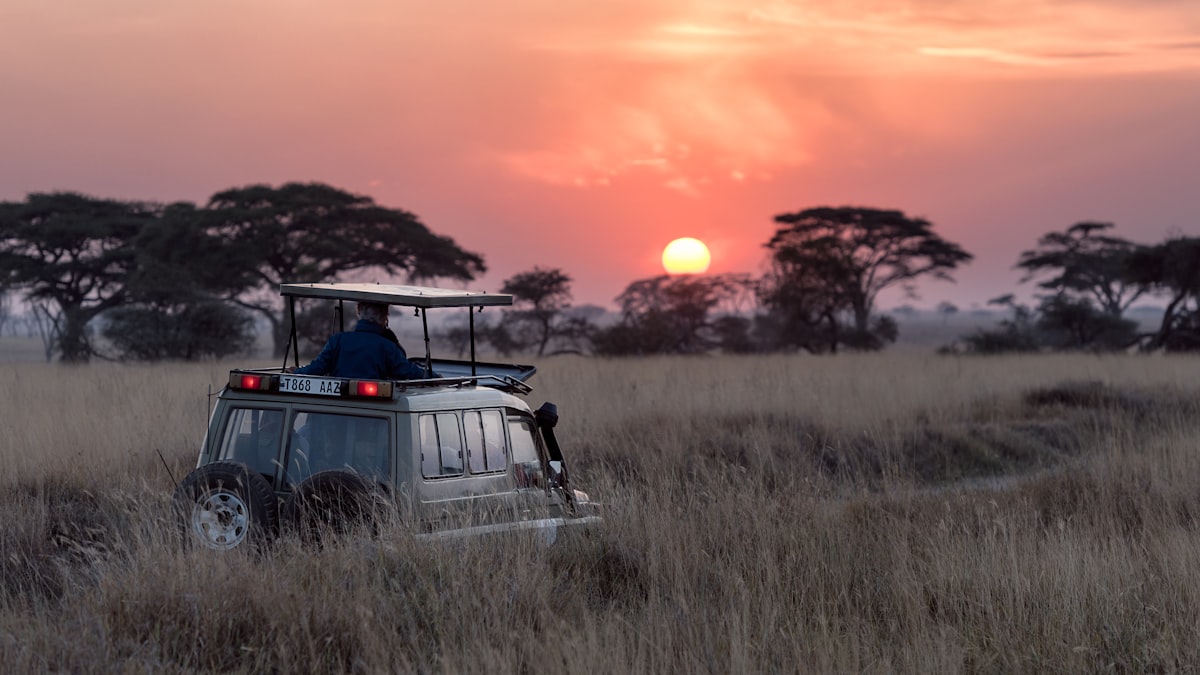
South Africa is the most accessible hunting destination in Africa. More than 10,000 international hunters visit the country every year, drawn by an enormous variety of huntable species, professional outfitting infrastructure that rivals anything in North America, and costs that undercut East African safaris by 40 to 60 percent. You can hunt 30+ species of plains game on a single trip, add dangerous game like cape buffalo without crossing another border, and fly home with trophies that most American hunters will never see in person.
But planning an African safari from scratch is a different animal than booking a guided elk hunt in Colorado. Import permits for firearms, trophy export regulations, taxidermy logistics, travel medical requirements, and a 16-hour flight all add layers that domestic hunts don’t have. This guide covers every piece — from the moment you start budgeting to the day your trophies arrive at your door.
This article contains affiliate links. We may earn a small commission if you purchase through these links, at no extra cost to you.
If you’re comparing outfitter options, our guide on how to choose a hunting outfitter covers the vetting process in detail. For budgeting your total trip, the Hunt Cost Calculator can help estimate all-in expenses.
Quick Facts: South Africa Hunting
| Detail | Info |
|---|---|
| Primary Season | April – October (South African winter / dry season) |
| Peak Months | May – August |
| Huntable Species | 50+ (plains game, dangerous game, small game) |
| Average Safari Length | 7 – 10 hunting days |
| Daily Rate Range | $250 – $500/day (plains game) · $1,000 – $2,500/day (dangerous game) |
| Trophy Fee Range | $350 (impala) – $14,000+ (cape buffalo) |
| Rifle Import | Temporary permit required — applied for through outfitter |
| Visa Required | No visa for US citizens (90-day tourist exemption) |
| Recommended Calibers | .30-06, .300 Win Mag (plains game) · .375 H&H minimum (dangerous game) |
| Flight Time (US) | 15 – 18 hours (typically through Johannesburg) |
| Tipping Custom | 10% of total trophy fees to PH, $15–25/day per staff member |
What Does a South Africa Hunting Safari Cost?
Cost is the first question every hunter asks, and the answer depends entirely on what you want to hunt. A plains game safari with five or six common species can be done for under $5,000 in trophy fees. Add a cape buffalo and the bill jumps by $14,000 or more. Here is a realistic breakdown for the three most common safari packages.
Cost Comparison by Safari Type
| Cost Category | Budget Plains Game (7 days) | Premium Plains Game (10 days) | Dangerous Game + Plains (10 days) |
|---|---|---|---|
| Daily Rate | $1,750 – $2,500 | $3,500 – $5,000 | $10,000 – $25,000 |
| Trophy Fees (typical animals) | $3,500 – $5,500 | $7,000 – $12,000 | $18,000 – $30,000 |
| Airfare (US roundtrip) | $1,200 – $1,800 | $1,200 – $1,800 | $1,200 – $1,800 |
| Taxidermy (dip & pack) | $800 – $1,500 | $1,500 – $3,000 | $3,000 – $6,000 |
| Shipping to US | $1,000 – $2,500 | $2,000 – $4,000 | $3,500 – $6,000 |
| US Taxidermy (mounting) | $1,500 – $3,000 | $3,000 – $7,000 | $5,000 – $12,000 |
| Tips | $500 – $800 | $1,000 – $1,500 | $2,500 – $4,000 |
| Travel Insurance | $150 – $300 | $150 – $300 | $300 – $500 |
| TOTAL ESTIMATE | $10,400 – $17,900 | $19,350 – $34,600 | $43,500 – $85,300 |
These numbers include everything from door to trophies on your wall. The trophy fees and daily rates are non-negotiable in most cases, but airfare, taxidermy, and shipping are where smart planning saves real money.
For a detailed, customizable estimate, run your numbers through the Hunt Cost Calculator.
Trophy Fee Quick Reference
| Species | Typical Trophy Fee (USD) | SCI Minimum Score | Difficulty |
|---|---|---|---|
| Impala | $350 – $500 | 54” | Easy |
| Blue Wildebeest | $800 – $1,200 | 71” | Moderate |
| Kudu | $1,800 – $3,000 | 54” | Moderate-Hard |
| Gemsbok (Oryx) | $900 – $1,500 | 100” | Moderate |
| Warthog | $350 – $500 | 30” | Easy |
| Nyala | $1,800 – $2,800 | 63” | Moderate |
| Zebra (Burchell’s) | $1,200 – $1,800 | N/A | Easy |
| Eland | $2,500 – $4,000 | 77” | Moderate |
| Sable Antelope | $3,500 – $6,500 | 100” | Hard |
| Cape Buffalo | $12,000 – $16,000 | 100” | Expert |
Note: Trophy fees are paid per animal taken. If you wound and lose an animal, you typically still pay the trophy fee. Clarify this policy with your outfitter before booking.
Wounded Animals Still Incur the Full Trophy Fee
In South Africa, if you wound an animal and it is not recovered, you pay the full trophy fee in most operations. This is standard practice and protects the outfitter’s management investment. Clarify the wounded-animal policy in writing before booking. It incentivizes you to take only shots you’re confident in — which is the right approach regardless.
Best Time to Hunt South Africa
South Africa sits in the Southern Hemisphere, so seasons are reversed from North America. The hunting season runs during the South African autumn and winter — April through October.
Season Breakdown
| Month | Temperature (°F) | Conditions | Best For |
|---|---|---|---|
| April | 55 – 78 | End of rainy season, lush bush | Early plains game, still green |
| May | 48 – 72 | Vegetation thinning, cooler | Plains game, visibility improving |
| June – July | 40 – 68 | Dry, cold mornings, thin bush | Peak plains game — best visibility |
| August | 45 – 75 | Dry, warming, animals at water | Plains game, buffalo, predators |
| September | 52 – 82 | End of dry season, very sparse | Late plains game, buffalo rut |
| October | 58 – 85 | Spring rains beginning | Transition month, less predictable |
June through August is the sweet spot for most plains game safaris. The bush is at its thinnest, animals are concentrated around remaining water sources, and morning temperatures are cool enough for comfortable walking. Cape buffalo hunts peak in August and September when bulls are most active during the pre-rut.
Avoid the November-through-March wet season unless you specifically want to hunt birds or have a specialized arrangement. Thick vegetation, extreme heat, and daily thunderstorms make hunting difficult and miserable.
Top Species for a First Safari
If this is your first African hunt, build your species list around animals that offer excellent hunting experiences without astronomical trophy fees. Here is the core list most first-time safari hunters should consider.
The “First Safari Five”
Kudu — The grey ghost of the bushveld. A mature kudu bull with 55-inch spiraling horns is arguably the most beautiful trophy in Africa. They are cautious, have exceptional hearing, and blend into thornbush like smoke. Expect to walk 5 to 10 miles per day when specifically hunting kudu. This is the animal most hunters call the highlight of their first safari.
Blue Wildebeest — Tougher than they look and harder to put down than most plains game. A mature bull offers a solid 200-yard shot challenge and produces some of the best wild game meat on the continent. The “poor man’s buffalo” is a great first dangerous-game rehearsal.
Gemsbok (Oryx) — Striking black-and-white markings with rapier-straight horns that can reach 40 inches. Gemsbok are herd animals found in open semi-arid country, and they require a well-placed shot — they are incredibly tough and can be dangerous when wounded.
Gemsbok Are Dangerous When Wounded — Shot Placement Is Critical
A wounded gemsbok will fight back. Their straight, lance-like horns can penetrate deeply and have killed both hunters and PHs over the years. Wait for a broadside or quartering-away shot at the front shoulder. Do not attempt a frontal shot. If a gemsbok runs after the shot, approach cautiously — treat it as dangerous until confirmed dead.
Impala — The most abundant antelope in southern Africa and the perfect first animal. Trophy fees are low, hunting pressure is minimal, and a mature ram with lyre-shaped 24-inch horns is a beautiful mount. Every first-time safari should start with an impala to settle nerves and confirm your rifle is on zero.
Warthog — Every camp has them. They are comical, fun to hunt, and produce one of the most unique mounts in any trophy room. A mature boar with curved tusks is typically taken opportunistically while hunting other species.
Firearms and Import Requirements
Getting your rifle into South Africa requires advance paperwork but is straightforward if your outfitter handles it properly. South Africa allows temporary import of up to four firearms per hunter.
What You Need
| Requirement | Details |
|---|---|
| Temporary Import Permit | Applied for through SAPS (South African Police Service) — your outfitter files this |
| Processing Time | 8 – 12 weeks minimum (apply early) |
| Documents Needed | Passport copy, rifle serial numbers, caliber, letter from outfitter |
| US Export | No US export license needed for temporary personal-use firearms |
| Ammunition Limit | 200 rounds per caliber |
| Minimum Caliber (Dangerous Game) | .375 H&H or equivalent (minimum 5,300 joules muzzle energy for Big Five) |
Recommended Caliber Setup
| Purpose | Caliber | Typical Bullet | Why |
|---|---|---|---|
| Plains game (all-around) | .30-06 Springfield | 180-grain bonded | Handles everything from impala to eland |
| Plains game + larger species | .300 Win Mag | 180–200-grain bonded | Extra energy for gemsbok, wildebeest, eland at range |
| Dangerous game (buffalo, hippo) | .375 H&H Magnum | 300-grain solid + soft | Legal minimum; proven on thousands of buffalo |
| Dangerous game (premium) | .416 Rigby / .416 Rem Mag | 400-grain solid + soft | More energy and penetration than .375; preferred by many PHs |
Most first-time safari hunters bring a single .300 Win Mag and it covers everything on the plains game list. A hard-sided rifle travel case is mandatory for international flights. If you’re adding cape buffalo, bring a .375 H&H as well — or arrange to use the outfitter’s rifle, which many operations offer at no additional charge.
For a deep dive on rifle selection, see our guide to the best elk hunting rifles — many of the same calibers apply to African plains game.
Practice Off Shooting Sticks Before Your Safari
South African PHs use shooting sticks (a collapsible tripod rest) for virtually all shots. If you’ve only ever shot from a bench, bipod, or prone position, the first time you use sticks in the field will feel awkward. Set up a pair at home and practice standing shots at 100-200 yards for several weeks before departure. A stable sticks shot at 150 yards is far more important than magnum power at 300.
Choosing a South Africa Outfitter
The single most important decision you will make is which outfitter to book. A great outfitter makes an average property feel like paradise. A bad one can ruin a $20,000 trip. South Africa has hundreds of registered outfitters, and quality varies enormously.
What to Look For
- PHASA or WRSA membership — Professional Hunters’ Association of South Africa or Wildlife Ranching South Africa members must follow ethical and legal standards
- At least 10 years in operation — longevity signals sustainability and repeat clients
- Verifiable references — ask for US-based clients you can call, not just website testimonials
- Clear pricing — daily rates, trophy fees, and any additional charges should be in writing before you commit
- Concession size — larger properties (20,000+ acres) produce more free-range hunting quality
- Trophy photo quality — examine social media and hunt reports for animal quality, field conditions, and client satisfaction
Our full guide on how to choose a hunting outfitter covers the vetting process in detail for any destination.
Red Flags
- Won’t provide references or client contact information
- “All-inclusive” pricing with vague trophy fee schedules
- Pressure to book immediately with non-refundable deposits
- No clear policy on wounded/lost animal charges
- Property size under 5,000 acres without transparent high-fence disclosure
Taxidermy and Trophy Shipping
Getting your trophies home is the most complex and expensive part of a South African safari — and the step most first-timers underestimate. The process has two distinct phases: in-country taxidermy work and international shipping.
The Process
| Step | Timeline | Cost Range | Details |
|---|---|---|---|
| Skinning & field prep | Day of harvest | Included in daily rate | Done by camp skinners |
| Dip & pack (in-country taxidermist) | 2 – 4 months after hunt | $80 – $250 per trophy | Salt-cured, chemically treated for export |
| Veterinary & export permits | Included in dip & pack timeline | $100 – $300 total | CITES permits for certain species |
| Shipping to US port | 3 – 6 months after dip & pack | $150 – $500 per trophy | Sea freight via consolidated container |
| US Customs & Fish and Wildlife clearance | 2 – 6 weeks after arrival | $200 – $500 per shipment | Must clear through approved port |
| US taxidermist mounting | 6 – 18 months after receipt | $500 – $2,500+ per mount | Shoulder mount, pedestal, or full body |
Total timeline from hunt to wall: 12 to 30 months. This is normal. African trophy processing moves slowly, and rushing it leads to damaged capes and subpar mounts.
CITES Considerations
Some species require CITES (Convention on International Trade in Endangered Species) permits for import into the United States. Currently, CITES affects:
- Cape buffalo (Appendix II — permit required but routinely issued)
- Elephant (highly restricted — not recommended for first-timers)
- Leopard (country quotas, limited availability)
- White rhino (effectively banned for import)
- Certain antelope subspecies
Your outfitter and taxidermist handle CITES paperwork on the South African side. On the US side, your shipment must clear through an approved Fish and Wildlife port of entry (Los Angeles, Miami, Chicago, Dallas, or New York).
Health, Travel, and Safety
Vaccinations and Medical
| Requirement | Status | Notes |
|---|---|---|
| Yellow Fever | Required if transiting through endemic country | Carry your yellow card |
| Malaria Prophylaxis | Recommended for Limpopo, Mpumalanga, KwaZulu-Natal | Malarone or doxycycline |
| Routine vaccinations | Should be current | Hep A, Hep B, Tetanus |
| Travel insurance | Strongly recommended | Medical evacuation coverage essential |
South Africa’s hunting regions in Limpopo, Eastern Cape, and Free State vary in malaria risk. Eastern Cape is malaria-free. Limpopo and KwaZulu-Natal carry moderate risk during the wet season (November–March) but low risk during peak hunting months (May–August). Consult your travel medicine provider.
What to Pack
Beyond your hunting gear, plan for:
- Power adapter — South Africa uses Type M plugs (large round three-prong)
- Layered clothing — Mornings can be near freezing; afternoons reach 75°F+
- Sunscreen and lip balm — UV exposure is intense, especially at altitude
- Cash for tips — South African Rand (ZAR) preferred, USD accepted at most camps
- Binoculars — Bring your own; camp optics are often low-quality. See our best binoculars guide for optics that work equally well in Africa.
Hunting Methods in South Africa
African hunting uses methods that will feel familiar to North American hunters, with some key differences.
Walk and Stalk
The primary method for plains game. Your professional hunter (PH) will drive to a likely area, then you walk — often for hours — tracking spoor, glassing open areas, and working wind to approach animals within shooting range. Typical shot distances range from 80 to 250 yards, though open-country species like gemsbok and springbok may require 300-yard shots.
Blind Hunting (Water Holes and Feeders)
Sitting over a water hole during the dry season is highly effective for kudu, bushbuck, nyala, and warthog. Morning and evening sits produce the best action. This is a good option for hunters with limited mobility or those recovering from a long walk-and-stalk day.
Dangerous Game Tracking
Cape buffalo hunts are a fundamentally different experience. You will follow fresh tracks for hours — sometimes all day — through thick jesse bush where visibility drops to 20 yards. Your PH will have a backup rifle, and shots are typically inside 60 yards. This is the most physically and mentally demanding hunting in Africa.
Cape Buffalo Are Extremely Dangerous at Close Range
Cape buffalo hunting is categorically different from plains game. These animals are intelligent, aggressive when wounded, and built to survive. Expect shots inside 50 yards in thick vegetation. Follow your PH’s instructions without deviation, keep your rifle ready at all times during the stalk, and never approach a downed buffalo alone. Fatalities from cape buffalo occur every season in southern Africa.
How to Book Your First Safari
Step-by-Step Timeline
| Timeline | Action |
|---|---|
| 12 – 18 months out | Research outfitters, request references, compare packages |
| 10 – 12 months out | Book outfitter, pay deposit (typically 50%) |
| 8 – 10 months out | Submit firearm import permit application through outfitter |
| 6 months out | Book flights, arrange travel insurance |
| 4 months out | Confirm species wish list, final balance typically due |
| 2 months out | Visit travel medicine clinic, purchase remaining gear |
| 2 weeks out | Confirm all documents, print permit copies, finalize packing |
| Day of departure | Carry firearm permits and outfitter letter in carry-on (not checked bag) |
Booking Tips
- Book through a booking agent or direct — agents can negotiate and provide recourse if something goes wrong, but direct booking saves the 10-15% commission that some outfitters build into agent pricing
- Pay with credit card when possible — chargeback protection is valuable for international deposits
- Get everything in writing — daily rates, trophy fee schedule, what’s included (meals, laundry, drinks), what’s not (trophy fees, taxidermy, ammunition)
- Ask about observer rates — non-hunting companions typically pay $150–$250/day for lodging and meals
Frequently Asked Questions
How much does a hunting safari in South Africa cost?
A budget plains game safari with five to six animals runs $10,000 to $18,000 all-in, including flights, trophy fees, daily rates, taxidermy, and shipping. Premium plains game safaris with 10+ species cost $20,000 to $35,000. Adding dangerous game like cape buffalo pushes total costs to $45,000 to $85,000. The Hunt Cost Calculator can help you build a detailed estimate.
Do I need a visa to hunt in South Africa?
US citizens do not need a visa for stays under 90 days. You receive a tourist entry stamp upon arrival at OR Tambo International Airport in Johannesburg. Your passport must be valid for at least 30 days beyond your departure date and have at least two blank pages for stamps.
Can I bring my own rifle to South Africa?
Yes. South Africa allows temporary import of up to four firearms per hunter. Your outfitter applies for a Temporary Firearm Import Permit through the South African Police Service (SAPS). Apply at least 8 to 12 weeks before your trip. You carry the approved permit with you and present it at customs upon arrival.
What is the best caliber for a South Africa safari?
A .300 Win Mag handles every plains game species from impala to eland. If you’re adding cape buffalo, bring a .375 H&H Magnum — that is the legal minimum for dangerous game. Most hunters bring two rifles: one flat-shooting plains game rifle and one heavy-caliber dangerous game rifle. See our best caliber for elk guide — the same calibers that drop elk at 400 yards work perfectly on African plains game.
When is the best time to hunt South Africa?
June through August offers the best combination of thin bush, cool temperatures, and concentrated game around water sources. May and September are also excellent. Avoid November through March — the wet season brings thick vegetation, extreme heat, and daily thunderstorms.
Is South Africa safe for hunters?
The hunting concessions and rural areas where safaris operate are generally very safe. Your outfitter provides door-to-door logistics from airport pickup to drop-off. Use common-sense urban safety precautions if spending time in Johannesburg before or after your hunt — don’t flash expensive gear, use reputable transport, and stay in recommended areas.
How long does it take to get trophies home?
Plan for 12 to 30 months from hunt date to mounted trophies on your wall. In-country dip and pack takes 2 to 4 months. Shipping takes 3 to 6 months. US customs clearance takes 2 to 6 weeks. Your US taxidermist adds another 6 to 18 months for mounting. The taxidermy costs guide covers this process in detail.
How physically demanding is a South Africa safari?
Plains game hunting involves moderate walking — typically 3 to 8 miles per day on mostly flat to rolling terrain. It is far less physically demanding than a Rocky Mountain elk hunt. Dangerous game tracking is more strenuous, potentially covering 10+ miles through thick bush. Hunters with limited mobility can still have a successful safari using blind/water hole hunting methods.
Plan Your South Africa Safari
- Hunt Cost Calculator — Build a detailed safari budget
- How to Choose a Hunting Outfitter — Vet outfitters before you book
- Firearms Comparison Tool — Compare safari rifle options
- Gear Loadout Builder — Build your safari packing list
- Taxidermy Costs Guide — Understand what you’ll spend on trophies
Free Tools
Plan Your Next Hunt
Draw odds, unit guides, deadline tracking, and 38+ planning tools — free for every western hunter.
Get the Insider Edge
Join hunters getting exclusive draw odds data, gear deals, and weekly hunt planning tips.
Related Articles

Canada Elk Hunting: Alberta, BC, and Saskatchewan Trophy Bulls
Canada elk hunting guide — Alberta's trophy bull country, BC's coastal and interior elk, Saskatchewan's wilderness elk, outfitter licensing requirements for nonresidents, rifle vs archery seasons, and what to expect on a Canadian elk hunt.

Namibia Hunting Safari: Oryx, Kudu, and Top Plains Game
Namibia hunting safari guide — why Namibia is the most hunter-friendly African country, plains game species and what to expect, outfitter selection, rifle import process, costs, and how to plan a DIY vs fully guided Namibia hunt.
Argentina Dove Hunting: The World's Best Wing Shooting Experience
Argentina dove hunting guide for US hunters — where to hunt (Cordoba province), what it costs, what to expect shooting 1,500+ birds per day, outfitter selection, and logistics for first-time international hunters.
No comments yet. Be the first to share your experience!