Argentina Dove Hunting: The World's Best Wing Shooting Experience
Argentina dove hunting guide for US hunters — where to hunt (Cordoba province), what it costs, what to expect shooting 1,500+ birds per day, outfitter selection, and logistics for first-time international hunters.
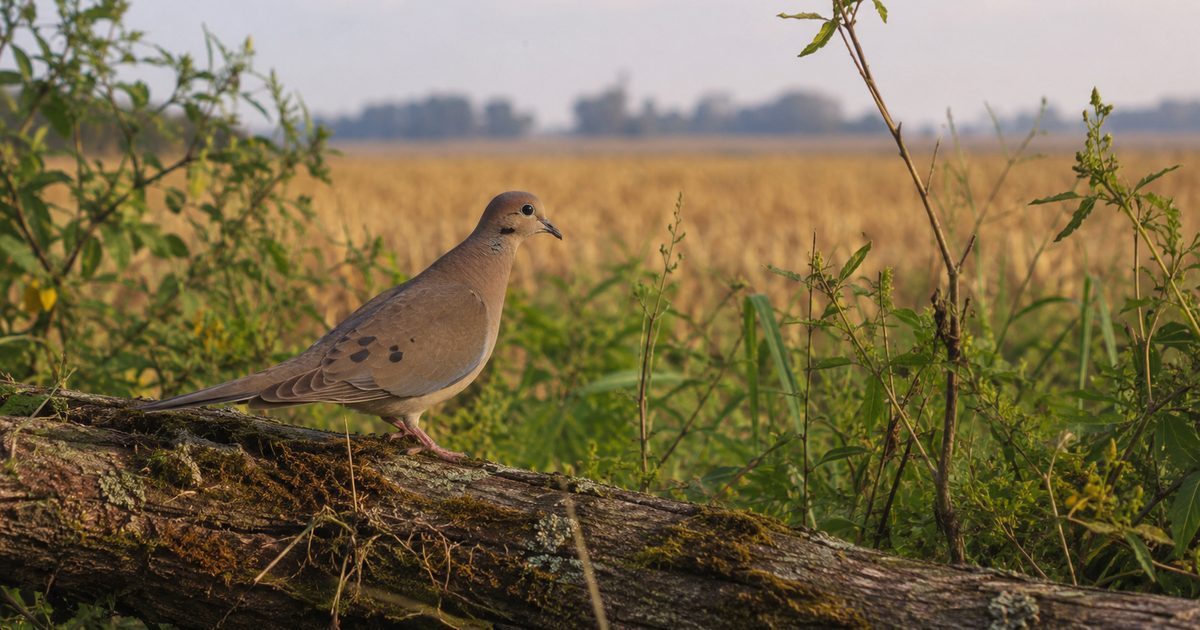
Every serious wing shooter has a list. Pheasants in South Dakota. Quail in south Texas. Maybe ducks in Stuttgart. But at the top of that list — if you’re being honest with yourself — is Argentina.
Specifically, Cordoba province. The dove capital of the world, and it’s not a close race.
I’ve chased birds on three continents, and nothing I’ve encountered compares to a full-day dove shoot in Argentina. Not for volume, not for the rhythm you fall into after the first hour, and not for the experience around the hunt — the lodge, the food, the people. If you’re a wing shooter who hasn’t made this trip, here’s what you need to know to do it right.
Why Argentina? The Case for Cordoba
The short answer: eared doves (Zenaida auriculata) exist in Argentina in numbers that seem biologically impossible. Conservative estimates put the Cordoba province population at 60 to 80 million birds. Some ornithologists put it higher.
These aren’t numbers manufactured by an outfitter marketing department. The eared dove is classified as an agricultural pest by the Argentine government. The birds descend on soybean and sunflower crops in enormous flocks and cause documented, significant damage to the country’s agricultural economy. Legal, high-volume hunting is an official management tool — and it has been for decades.
This matters for a few reasons. First, it’s ethical. You’re not hunting an endangered or even pressured population. You’re participating in active pest management that Argentine farmers actively support. Second, it’s why the hunting is unlimited. No bag limits. No season caps. No daily restrictions. Just birds — more birds than you’ve ever seen in one place — coming off the roost in the morning and heading back in the afternoon.
The central agricultural zone around Cordoba city sits at roughly 1,400 feet elevation in the Pampas region. The landscape is a patchwork of soybean fields, sunflower plots, and native brush. Doves feed in the fields and roost in the treelines. The geography creates natural funneling points that wing shooters exploit, setting up on treeline edges and field margins where birds concentrate.
Pro Tip
Cordoba city has a major international airport with domestic connections from Buenos Aires. Most hunters fly into Ezeiza International (Buenos Aires), then catch a 90-minute domestic flight to Cordoba’s Ingeniero Aeronáutico Ambrosio L.V. Taravella Airport. Budget one full travel day each direction.
The Volume Reality
Let’s establish what “high volume” actually means, because American hunters tend to underestimate it.
On a typical day in Cordoba, a hunter in a productive field position will shoot between 1,000 and 2,000 birds. The more important number is shells — most lodges supply 1,500 shells per shooter per day as a baseline, and experienced hunters frequently run through them before the afternoon flight ends.
Read that again: you can exhaust your ammunition allocation before the birds stop flying.
This creates a shooting experience that is categorically different from anything you’ll find in North America. The first hour, you’re hunting. You’re picking birds, making decisions, calling your shots. By hour three, something else happens. The rhythm takes over. You stop thinking about individual shots and start feeling the lead. Your footwork gets automatic. Your swing smooths out. You discover what your actual gun-handling deficiencies are, because they get magnified when you’re shooting hundreds of shells.
Argentina will expose weak technique the way nothing else will — and it will also fix it faster than anything else will. Hunters routinely come home with transformed wing-shooting instincts after a single trip.
The most common first-day mistake is fatigue. Shooting a thousand shells requires real physical stamina — your shoulders, your wrists, your neck. Pace yourself through the morning flight, especially if you’re not a frequent shooter. The lodge will provide ammunition management guidance. Listen to it.
What a Hunt Day Actually Looks Like
Your typical hunting day in Cordoba follows a structure that Argentine outfitters have refined over decades:
Pre-dawn wake-up. The morning flight starts at first light, and fields can be 30 to 60 minutes from the lodge. You’ll eat a light breakfast — coffee, medialunas, maybe eggs — and load into trucks with your guide and ammunition carriers.
Morning flight (6:00 AM to 11:00 AM). This is the primary shooting window. Birds leave the roost and move to feeding fields. The flight can be extraordinary — sometimes steady, sometimes in dense waves that pile up faster than you can reload. Your guide positions you on productive edges and works with ammunition carriers (typically two per shooter) who keep your gun fed and track spent shells.
Midday break. You return to the lodge around 11:00 AM or noon. This is the asado.
The asado deserves its own paragraph. Argentine grilling culture is serious, and the midday meal at a quality dove lodge is an experience in itself — slow-grilled beef, chorizo, morcilla, salads, local wine, conversation. You’ll eat with your group, the guides, sometimes the lodge owner. It’s unhurried. It’s the social center of the trip. Budget two to two and a half hours.
Afternoon flight (3:00 PM to 6:30 PM). Birds head back to roost in the evening. The afternoon flight can match or exceed the morning, particularly from April through June. You may finish after legal shooting light — Argentina defines that as 30 minutes after sunset, which gives you meaningful late-evening shooting in the fall months.
Dinner. Another substantial meal. Expect excellent beef, wine, and conversation. Lodges that cater to American hunters understand the culture — there will be cold beer, stories, and a comfortable place to clean up and decompress.
Dove Camp Culture and the Lodge Experience
Quality Argentine dove lodges operate at a hospitality level that surprises most American hunters on the first trip. These aren’t rustic camps. The better operations run like boutique hotels with hunting infrastructure attached.
You’ll have a private room, usually with air conditioning and an en-suite bathroom. Meals are prepared by dedicated staff and served formally, with wine. The lodge staff-to-hunter ratio is high — expect personal attention from your guide, dedicated ammunition carriers, and house staff who handle gear cleaning and drying.
The culture is warm and genuinely proud. Argentine guides take the hunting seriously and take the hospitality even more seriously. Tipping is expected and appreciated — budget $50 to $75 per day for your guide and a similar amount split among lodge staff for a multi-day stay.
English is widely spoken at lodges that serve international hunters, but knowing a handful of Spanish phrases will be appreciated. “Bien tirado” (nice shot) and “muchas gracias” go a long way.
Pro Tip
Argentina is in the Southern Hemisphere, which means their fall and winter runs April through July. The best dove shooting aligns with this period. April through June is the sweet spot — post-harvest fields concentrate birds, weather is mild, and the shooting is at its annual peak. July is still excellent but evenings cool down noticeably.
What It Costs
For a 3-day hunt, all-inclusive packages from reputable outfitters run $2,500 to $5,000 per person. That price covers:
- Lodging (private room, all meals, non-alcoholic beverages)
- Guided hunting on private land
- Ammunition (typically 1,500 shells per shooter per day)
- Gun cleaning and storage
- Ground transportation from and to the Cordoba airport
- Field guides and ammunition carriers
What it does not cover: international airfare, domestic Argentine flights (Cordoba from Buenos Aires runs $150 to $250 round-trip), Argentine hunting license fees (typically $100 to $200), trip insurance, alcohol upgrades, and tips.
Budget $4,000 to $6,500 total cost for a 3-day hunt when you include flights and incidentals from a US departure city. Five days, which is the format I’d recommend for a first trip, runs $6,000 to $9,000 all-in depending on departure city and outfitter tier.
Prices have remained relatively stable because Argentine hunting operations are denominated partly in USD and partly in pesos, and the peso’s chronic weakness against the dollar has historically kept this destination competitive for American hunters.
Bringing Your Own Gun vs. Renting
This is a practical decision with real tradeoffs.
Bringing your own. You can legally bring firearms into Argentina as a tourist. The process requires declaring your firearms on your US Customs form when you depart, completing Argentine customs paperwork on arrival (your outfitter will provide the exact forms and assist you at the airport), and obtaining a temporary Argentine firearm permit. The permit is issued at customs with your outfitter’s documentation. Most hunters who go through this process once say it’s manageable — roughly 30 to 45 minutes at customs — and the ability to shoot your own gun is worth it.
You’ll need to transport firearms in a locked, hard-sided case as checked baggage. Notify your airline in advance. Ammunition cannot be transported commercially — you’ll shoot what the lodge provides.
Renting at the lodge. Most quality outfitters maintain a selection of over-under shotguns (typically Browning Citori or equivalent) for guest use. Guns are typically clean and well-maintained. Rental fees are usually $50 to $100 per day or included in some packages.
The practical case for renting: if you’re a casual wing shooter who doesn’t own a dedicated sporting gun, the rental eliminates the customs complexity and lets you focus on the experience. If you’re a serious shooter with a gun you trust, bring it.
For either option, 12-gauge is the standard. Lodge-supplied shells are typically 7.5 or 8 shot in 2¾-inch loads — appropriate for the ranges involved (15 to 40 yards is typical).
Warning
If you bring your own shotgun, verify your homeowner’s or renter’s insurance covers international travel. The firearm temporarily leaves US jurisdiction, and standard policies vary. Some hunters carry separate firearms rider coverage for international trips.
How to Choose an Outfitter
The Argentina dove hunting market ranges from exceptional operations that have been running 20-plus years to budget packages that cut corners in ways that materially affect your experience.
The primary areas where cheap packages fail:
Shell allocation. Packages priced at $1,200 or $1,500 per person typically cap ammunition at 500 to 750 shells per day. That sounds like a lot until you understand that 750 shells disappears in roughly three hours of active shooting. You’ll be standing in a field with no ammunition at 9:30 AM watching birds fly.
Land access. Quality outfitters lease established private agricultural land with documented dove populations. Budget operations sometimes hunt public or marginal land where bird concentrations are inconsistent.
Lodge quality. The photos on a budget website may not match the facility. Ask for recent, unfiltered guest reviews from third-party sources.
Guide experience. Positioning is everything in field shooting. A guide who knows specific field edges, roost lines, and wind patterns will put you in productive spots. An inexperienced guide will park you on a field margin and hope for the best.
The vetting process for any international outfitter should be thorough. We outline the specific questions to ask in our outfitter selection guide — the principles apply directly to Argentine operations. Ask for references from American hunters, ask specifically about shell allocation, and ask about the lodge’s long-term lease arrangements for the land it hunts.
A second benchmark: compare Argentina’s logistics to other international hunting destinations. We cover the selection process for Africa hunting operations in depth — the due diligence framework transfers well to South America.
Warning
Avoid any outfitter that will not provide direct references from American hunters who visited within the past 12 months. The Argentina dove market has legitimate operators and outright scam packages. References are non-negotiable.
What to Pack
The lodge provides: Ammunition, field transportation, gun cleaning, all meals, lodging, guides and loaders.
Bring with you:
- Eye and ear protection (earplugs are essential — you will shoot more rounds in three days than most American hunters shoot in a year)
- Lightweight shooting vest with shell loops
- Boots or shoes you don’t mind getting dirty — fields are agricultural, can be wet or muddy in fall
- Lightweight, breathable clothing (April through June runs 65–80°F during the day; bring a fleece for mornings)
- Sunscreen and a brimmed hat — you’ll be outdoors all day
- Small daypack for water and snacks in the field
- Passport valid at least six months beyond your return date
- Copy of your hunting license documentation (outfitter coordinates, but carry your own copy)
- Cash in USD for tips and incidentals — widely accepted at lodges and in Cordoba city
Leave the heavy gear at home. Lodges are equipped. Packing light makes the travel easier and leaves room in checked bags if you’re transporting a firearm.
Frequently Asked Questions
Do I need a visa to travel to Argentina as a US citizen?
No. US citizens do not need a visa for tourist travel to Argentina for stays under 90 days. You will need a valid US passport with at least six months of validity beyond your return travel date. Your outfitter will provide any hunting-specific documentation required for customs.
How far in advance should I book an Argentina dove trip?
Six to twelve months is the standard lead time for peak season (April through June). Quality lodges at the top tier fill their best weeks quickly, particularly for groups. If you have a flexible timeline, you can sometimes find availability 60 to 90 days out, but you’ll have fewer choices on dates and lodge tier. Start planning in the fall for a following-year spring trip.
Is Argentina dove hunting legal and sustainable?
Yes, on both counts. The eared dove is classified as an agricultural pest under Argentine law, and hunting is actively encouraged as a management tool. There are no bag limits and no season restrictions because the population dynamics don’t require them — hunting pressure has never demonstrably reduced dove populations in Cordoba. Scientific monitoring of the population has been conducted for decades. The birds are genuinely abundant, the farming community actively supports hunting as pest control, and licensed outfitters operate within Argentine law.
What is the shooting difficulty level — is this appropriate for intermediate shooters?
Argentina is appropriate for hunters of all experience levels, including relative beginners. The volume of birds means you will learn quickly regardless of starting skill level. Advanced shooters will challenge themselves with longer crossing shots and deliberate shot selection. Less experienced shooters will benefit from the sheer volume of repetition and the one-on-one attention from guides. The one honest caveat: if you’ve never shot a shotgun before, take a few sessions at a sporting clays course first. You’ll enjoy the trip more.
What happens to the birds?
This is a legitimate question and one quality outfitters address directly. A significant portion of harvested birds are collected and distributed to local communities and workers. Some are processed for consumption at the lodge. The remainder are composted and returned to the land. Argentine lodges that cater to international hunters have developed harvest management systems specifically to address this — it’s part of responsible operation in a market that depends on its ethical reputation.
The Argentina dove hunt is the one trip that wing shooters talk about differently from everything else. Not just because of the volume — though the volume is real and it will rewire your shooting — but because of what the whole package delivers. The asado at noon, the wine, the afternoon flight into the golden hour, the professionalism of operations that have been doing this for a long time. It’s a shooting trip, but it’s also an experience.
Plan it right — right outfitter, right season, right expectations — and it becomes the benchmark everything else gets measured against.
Free Tools
Plan Your Next Hunt
Draw odds, unit guides, deadline tracking, and 38+ planning tools — free for every western hunter.
Get the Insider Edge
Join hunters getting exclusive draw odds data, gear deals, and weekly hunt planning tips.
Related Articles

Canada Elk Hunting: Alberta, BC, and Saskatchewan Trophy Bulls
Canada elk hunting guide — Alberta's trophy bull country, BC's coastal and interior elk, Saskatchewan's wilderness elk, outfitter licensing requirements for nonresidents, rifle vs archery seasons, and what to expect on a Canadian elk hunt.

Namibia Hunting Safari: Oryx, Kudu, and Top Plains Game
Namibia hunting safari guide — why Namibia is the most hunter-friendly African country, plains game species and what to expect, outfitter selection, rifle import process, costs, and how to plan a DIY vs fully guided Namibia hunt.

New Zealand Hunting: Red Stag, Tahr, and Chamois on Public Land
New Zealand hunting guide for US hunters — free-range red stag, Himalayan tahr, and chamois on DOC land, hunting seasons and licenses, guided vs DIY, and what a NZ trophy hunt actually costs.
No comments yet. Be the first to share your experience!