Pronghorn vs. Mule Deer: Which Western Tag Should You Prioritize?
Comparing pronghorn and mule deer hunting: draw odds, physical demands, gear requirements, experience type, and which species fits your hunting priorities — a practical guide for western hunters building their first application portfolio.

Building a western hunting application portfolio for the first time means making early choices about where to focus your energy. Two species consistently land at the top of that first-priority list: pronghorn and mule deer. Both are accessible in reasonable timeframes with the right state selection. Both are genuine western experiences. They just aren’t the same hunt — at all — and treating them as interchangeable is how hunters end up disappointed or unprepared.
Here’s how they actually compare across the variables that matter.
Draw Accessibility
Pronghorn is generally the faster draw. Montana’s antelope draws run as random lotteries in most districts, meaning a zero-point applicant has the same odds as someone who’s been applying for years. Wyoming pronghorn in lower-demand areas draws at 0 to 2 points for nonresidents. Nevada and Oregon offer archery pronghorn tags that are accessible within a short application timeline for most hunters.
Mule deer has fast options too. Montana OTC general deer, Idaho OTC, and Wyoming’s general license all put you in mule deer country without a draw. But the trophy-quality mule deer hunts — limited-entry Wyoming, Colorado’s top GMUs, Utah’s premium units — require more point accumulation than comparable pronghorn opportunities in most states. If your goal is to hunt a premium western mule deer unit, you’re probably looking at a 5 to 10 year runway in most states. A quality pronghorn hunt can happen in 1 to 3 years.
The takeaway isn’t that mule deer is inaccessible. It’s that pronghorn gets you into the field faster, and the faster you’re in the field hunting the West, the faster you’re learning the skills that make every subsequent hunt better.
Physical Demands
Mule deer hunting at its best means steep terrain, high elevation, long miles between glassing positions and where the deer actually is, and a pack-out that can involve multiple days of hard labor. The classic spot-and-stalk mule deer hunt in Wyoming or Colorado puts real physical demands on the hunter. A backcountry muley hunt is a different category of effort from most eastern hunting.
Pronghorn hunting is largely a plains operation. Flat to rolling terrain, more driving than hiking, and a pack-out that rarely involves more than a half-mile carry to the truck. You’ll log miles on foot running stalks across open sage, but the elevation changes are minimal. Neither hunt is more valid than the other. They demand different physical and skill sets, and knowing which you’re signing up for matters.
These Are Almost Separate Sports
Pronghorn hunting and mule deer hunting feel so different in practice that hunters who excel at one sometimes struggle with the other at first. The patience and elevation tolerance demanded by spot-and-stalk mule deer in the mountains is not the same skill set as running a 2-mile flat approach on an antelope in open sage. Clarify which experience you’re actually after before you commit.
Equipment Differences
The gear lists diverge in meaningful ways.
For pronghorn: long-range rifle shooting is the baseline expectation. Antelope hunts on open plains commonly produce shots at 200 to 400 yards — sometimes more. A flat-shooting cartridge (6.5 Creedmoor, .270 Win, 7mm Rem Mag) with a quality scope zeroed at 200 yards is the starting point. Binoculars matter, but pronghorn country puts animals in view naturally — you don’t need to work as hard with glass as you do in broken mule deer terrain. One variable specific to early September pronghorn hunts: heat mirage across flat sage can make shots at 300-plus yards harder to call than the distance suggests. A quality reticle and stable shooting position matter more than raw magnification.
For mule deer: shots in spot-and-stalk terrain tend to run 100 to 250 yards for most encounters — closer than pronghorn on average. But the glass requirements go way up. Evaluating bucks in broken canyon country across a 600-yard drainage demands 20 to 40x spotting scope magnification. A quality tripod and a spotting scope in the 65 to 85mm range are more important investments for a serious mule deer hunt than marginal improvements to your rifle. Add footwear built for steep terrain, layering for the 40-degree temperature swings common in October high country, and a pack rated to carry 60-plus pounds on the pack-out.
The Plains Kit vs. The Mountain Kit
Pronghorn: flat-shooting rifle, quality binos, lighter pack, heat-appropriate clothing for September plains temps. Mule deer: quality spotting scope on a tripod, aggressive footwear, layering system, heavy-duty pack. The crossover items (binos, rifle, layers) are there — but the priority investments are completely different between the two hunts.
Experience Character
The pronghorn hunt moves fast. Glass a buck from your truck window, plan a 2-mile stalk across flat sage, be back at camp by noon with time for an afternoon hunt. Or sit a water source at first light and have an antelope in range before breakfast. Pronghorn country in Wyoming and Montana is big and open, the animals are visible, and productive days happen quickly. You might kill a pronghorn on day one. Many hunters do.
The mule deer hunt is something else entirely. You might glass for four days before finding a buck worth stalking. The stalk might fail twice before the third attempt puts you within range. The pack-out from the canyon takes its own full day. Mule deer hunting at its best is a slow, deliberate exercise in patience and terrain reading. Days where you see nothing are not wasted — they’re part of the education. The reward at the end is proportional to the investment in the middle, and experienced muley hunters wouldn’t trade the slow grind for anything.
Neither experience is better. They’re designed for different hunters at different stages, and both are worth having.
Which Should You Prioritize?
There’s no single right answer. But the guidance breaks down by where you’re starting from.
If you’re new to western hunting: pronghorn is the more forgiving entry point. The terrain is accessible, the animals are visible, the logistics are simpler, and the experience of planning a stalk on antelope in open country teaches the fundamentals of western hunting without the physical commitment and mental challenge of a mountain deer hunt. A first western hunt that goes well sets the foundation for everything that follows.
If you’re a deer hunter first: start with a state’s OTC mule deer option rather than waiting on a draw. Montana, Idaho, and Wyoming’s general license all put you on mule deer without point accumulation. Learning western mule deer country on a general tag while building preference points for limited-entry units is the right bridge strategy. Don’t skip the western deer experience waiting for a premium tag.
If you’re a bowhunter: archery pronghorn is one of the most underrated archery hunts in the West. Getting within 60 yards of a pronghorn on open terrain is genuinely hard — more demanding in some ways than calling elk into range. Pronghorn are wary, fast, and live in country where there’s nowhere to hide. The challenge is real. And archery pronghorn draws faster than archery mule deer in most states.
Archery Pronghorn Is Harder Than It Looks
Pronghorn have exceptional eyesight and live in terrain with almost no cover. Getting an archery shot on a wary buck in open sage requires patience, terrain use, and sometimes a decoy setup to bring animals close enough. Hunters who dismiss antelope as easy because they’re “just” antelope are in for a lesson.
The Combined Application Strategy
Nothing prevents you from applying for both species simultaneously across multiple states. Apply pronghorn in Montana, Wyoming, Nevada, and Oregon. Apply mule deer in Wyoming (general or LE), Idaho, Montana, and Colorado in the same application season. The fees are manageable, the odds stack in your favor across multiple entries, and you might draw both species in the same year — which is a genuinely great problem to solve.
The hunters who build the most productive western application portfolios aren’t choosing between species. They’re playing every realistic angle simultaneously, hunting whatever they draw in a given year, and banking points toward the premium hunts on a parallel track.
Use the Draw Odds Engine to compare draw probabilities by state and species, and the Multi-State Planner to map out a portfolio that accounts for deadlines, fees, and point accumulation across multiple states at once. The right strategy isn’t pronghorn or mule deer. It’s both, in the right order, starting now.
Next Step
Check Draw Odds for Your State
Tag-level draw odds across 9 western states — filter by species, unit, weapon, and points. Free to use.
Get the Insider Edge
Join hunters getting exclusive draw odds data, gear deals, and weekly hunt planning tips.
Related Articles
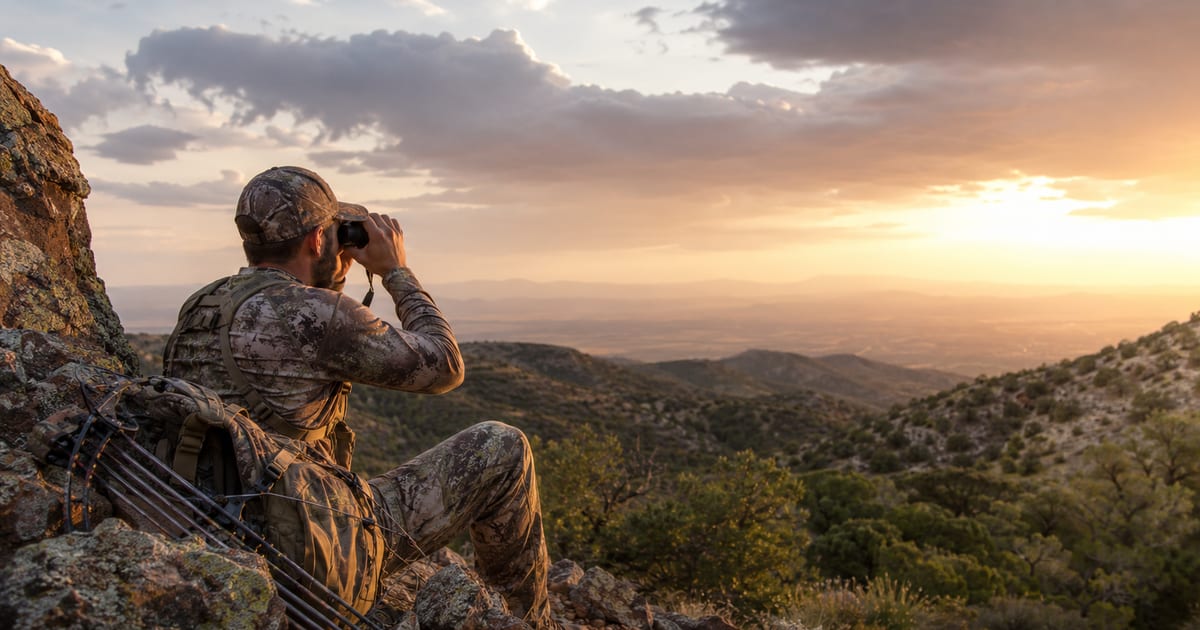
Arizona OTC Archery Deer 2026: Unit Limits and Closures
Arizona's OTC archery deer season opens August 21, 2026 — and units close the moment harvest limits fill. Here's every unit's limit, plus the best bets by real archery success rates.
Colorado OTC Elk in 2026: What Changed for Nonresidents
Colorado eliminated unlimited nonresident OTC archery elk west of I-25 for 2026 — and Gunnison rifle tags went draw-only. Here's exactly what's still on the shelf and how to hunt this fall anyway.
Colorado Reissue Licenses: How to Grab Returned Elk Tags
Every Wednesday through fall, CPW sells back surrendered limited licenses — including elk tags nonresidents can't get any other way in 2026. Here's the Tuesday-Wednesday ritual that actually lands one.
No comments yet. Be the first to share your experience!