New Mexico Hunting Guide: Elk, Deer, Pronghorn, and the January Draw
New Mexico's January draw deadline catches most hunters off guard. Here's what you need to know about elk in the Gila, mule deer in the Sacramentos, pronghorn, oryx, and how to navigate the preference point system.

Disclaimer: Season dates, tag costs, and regulations change annually. Always verify current information directly with New Mexico Department of Game and Fish at wildlife.state.nm.us before applying.
New Mexico sits in a strange category among western states. The hunting is legitimately world-class — Gila country bulls that push 400 inches, desert mule deer you won’t find anywhere else, and the only place in North America where you can hunt African oryx on public land. Yet most hunters don’t have New Mexico on their radar. The reason is simple: the application deadline lands in mid-January, while everyone’s still focused on the holidays and thinking about Arizona, Colorado, or Wyoming draws that close months later.
Miss January and you miss the whole year. That’s the single most important thing to understand about hunting New Mexico.
The January Deadline Problem
New Mexico’s big game draw typically closes in mid-January — earlier than any other major western state. Wyoming closes in February. Arizona closes in February or early March depending on the species. Colorado closes in April. New Mexico’s January window is a scheduling ambush that catches hunters every single year.
Most hunters who aren’t actively planning a New Mexico hunt simply don’t submit an application before that window closes. They’re not careless — they just haven’t gotten there yet. The result is that New Mexico runs less competition in certain units than you’d expect given the quality of game. Your draw odds in many units benefit directly from hunter inattention.
Set a December Reminder, Not January
New Mexico’s big game draw closes in mid-January. Put a December 1st reminder on your calendar to start prepping your application — not a January reminder. By January, the deadline is close enough that a busy week can make you miss it entirely.
The Preference Point System
New Mexico operates on a preference point system, but it’s not a pure preference point draw like Wyoming’s. The system uses a weighted random draw where preference points increase your odds rather than guaranteeing a tag at a specific threshold. One bonus entry goes into the draw for each point held, plus one base entry. A hunter with ten points gets eleven chances to the zero-point hunter’s single entry.
That structure means you can’t bank on hitting a specific unit at a specific point count the way Wyoming allows. It also means the system stays somewhat accessible — a lucky zero-point hunter can still draw a premium tag, which does happen. But the long game still favors point holders in the most limited units.
Nonresidents can accumulate preference points without applying for a tag by purchasing a point-only application each year. The fee is modest. If you’re not ready to hunt New Mexico this year but want to start building, the point-only option keeps your place in line without forcing a tag commitment.
Points don’t transfer between species. Elk points are elk points; deer points are deer points; pronghorn points are pronghorn points. Plan your point accumulation independently by species from the start.
Elk: The Gila and the Marquee Hunt
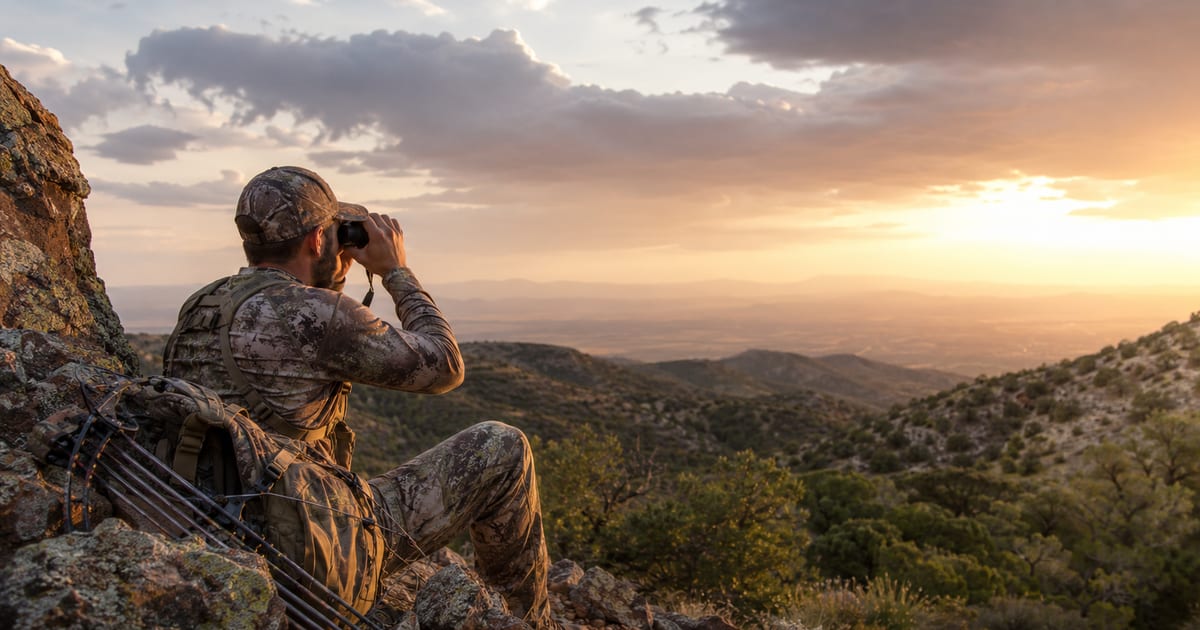
New Mexico elk are what nonresidents come for, and the Gila country justifies the reputation entirely. The Gila Wilderness and surrounding units in the southwest corner of the state produce bulls that don’t exist at scale anywhere else in the lower 48. Documented bulls in the 350–400+ inch class come out of this country regularly. The terrain is remote, steep, and honest — it doesn’t reward hunters who aren’t prepared for what wilderness hunting actually demands.
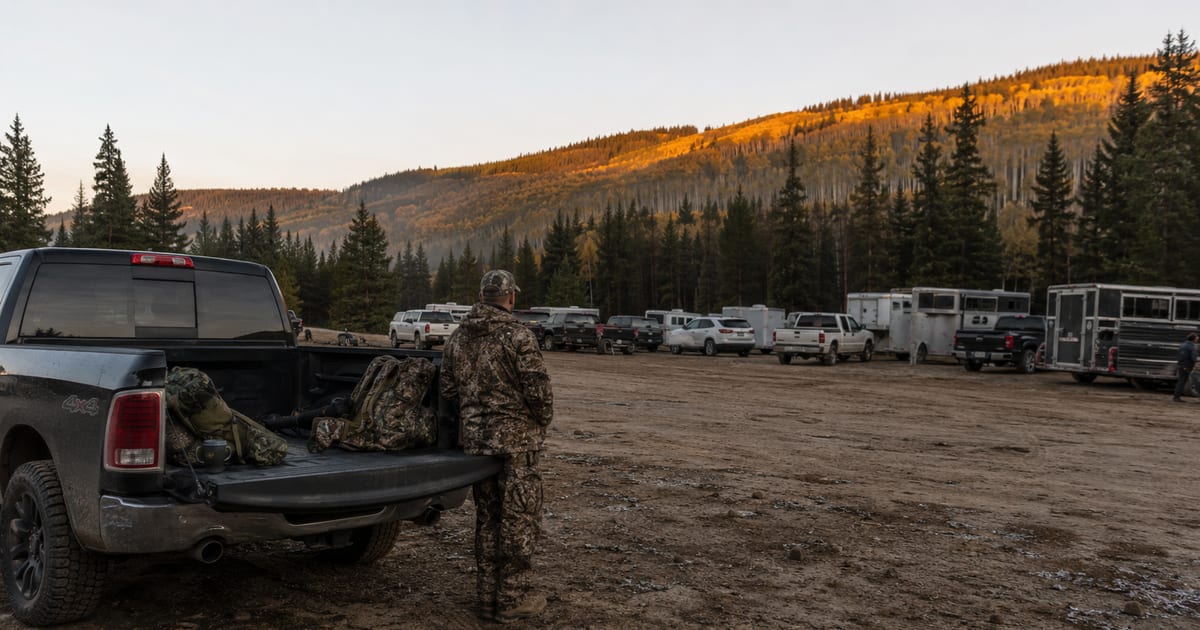
Gila elk hunting is a real wilderness experience. No motorized vehicles inside the wilderness boundary, significant distances from any road, and a physical commitment that separates it from drive-in camp scenarios. Nonresident DIY hunters can do it. They need to arrive fit, navigating confidently, and ready for miles of rough country per day.
Outside the Gila, New Mexico has other legitimate elk destinations. Valles Caldera — the massive volcanic crater northwest of Santa Fe — holds elk in surprising numbers in a setting that doesn’t look like traditional elk country from the outside but hunts like it. The Valle Vidal unit in the north, near the Cimarron side adjacent to Philmont Scout Ranch, produces quality bulls in more accessible terrain. The Jemez Mountains units surrounding Los Alamos see less pressure than the Gila and can offer solid hunting with fewer points invested.
Verify Public Land Access Before You Apply
Many New Mexico units have significant private land embedded in a checkerboard pattern that makes nonresident DIY access difficult. Before targeting any unit, pull the USFS and BLM maps and confirm that enough contiguous public land exists for a real hunt. Units anchored in the Gila and Carson National Forests give you the most straightforward DIY access.
The Private Land Problem
New Mexico’s checkerboard land ownership pattern in several units creates real obstacles for nonresident hunters. Blocks of private ranch land alternate with public land in ways that make some nominally public units functionally inaccessible without crossing private — which requires landowner permission. This isn’t unique to New Mexico, but it’s more pronounced in certain NM units than hunters expect before they pull the maps.
Units with the best public access for DIY nonresidents tend to cluster around the major national forests: Gila, Carson, Lincoln, Santa Fe, and Apache-Sitgreaves. Units with large BLM blocks in eastern New Mexico can work but need careful verification before you commit.
OTC Elk: The Honest Picture
New Mexico does offer some over-the-counter elk options that nonresidents can access. The most common are antlerless tags in certain units, available OTC to help manage herd numbers. Nonresidents can also find some either-sex tags available on a first-come, first-served basis after the draw in units that didn’t fill.
These aren’t the premium archery bull tags that drive most nonresident interest. But they’re real hunting. If you want to hunt New Mexico elk this year without any points, check the NMDGF leftover tag list in May — post-draw leftovers sometimes include shootable tags in units that received fewer applications than anticipated.
For bull tags in premium units, you’re looking at meaningful preference point accumulation. The most limited Gila draw hunts can require a decade or more of points at current application pressure. Use the draw odds engine to check historical point requirements before deciding where to invest your long game.
Nonresident elk tag costs range roughly from $500 for general cow tags to over $1,100 for premium bull tags depending on the hunt code, plus license fees. Budget all-in from the start.
Mule Deer: Underrated Quality
New Mexico’s mule deer get overshadowed by the elk, which is a mistake. The San Juan Basin in the northwest, around the Four Corners area, produces heavy-antlered desert mule deer that rival anything in Utah or Colorado. The Sacramento Mountains in south-central New Mexico — Lincoln National Forest and surrounding units — hold classic mountain mule deer in good terrain.
Desert mule deer in New Mexico’s southern units have their own character entirely. These aren’t the same animals as the high-country mule deer of Colorado or Wyoming. They’re adapted to heat, sparse water, and broken desert terrain, and they’re capable of exceptional antler growth in years when feed conditions come together.
Draw odds for deer in many units are more accessible than elk. Units in the north and east — near Taos, Cimarron, and the Canadian River drainage — often draw in two to four points for nonresidents. Premium trophy units still require investment, but deer points accumulate faster if you’re applying specifically for deer each year rather than putting everything into elk.
Pronghorn: Bonus Points and Open Country
New Mexico pronghorn hunting is excellent but undersubscribed. The San Agustin Plains in the west-central part of the state — the vast grassland around the VLA radio telescope — is genuine pronghorn country. Flat terrain, significant animal numbers, and bucks that don’t get the same national attention as Arizona pronghorn despite comparable quality in the right units.
Tag allocation is smaller than elk or deer in most units. New Mexico runs a bonus point system for pronghorn in the same weighted draw format, and with two or three points nonresidents can draw many pronghorn units. The limited premium units need more patience but aren’t the decade-long commitments that the best elk tags require.
Pronghorn seasons typically run in late August and September, placing them in a favorable weather window for the high desert. Spot-and-stalk on antelope in open country is direct, physical hunting — the challenge is judging bucks at distance and making clean shots across the flat ground where pronghorn live.
Pronghorn Makes a Strong First Western Hunt
If you’ve never hunted western big game before, a New Mexico pronghorn tag is one of the best first draw applications you can make. Pronghorn are highly visible in open terrain, active during shooting hours, and challenging enough to require real range estimation and shot discipline — without the physical demands of mountain elk hunting.
Desert Bighorn Sheep: Limited but Legitimate
New Mexico’s desert bighorn program is small but real. The Lincoln National Forest front — units in the Sacramento and Guadalupe Mountains — supports desert bighorn populations producing rams worth hunting. The Hatchet Mountains in the boot heel of the state have a separate population managed on an extremely limited basis.
Total nonresident desert bighorn tags in New Mexico can be counted on one hand in most years. Draw odds for nonresidents are very low. This isn’t a realistic species to anchor your New Mexico strategy around unless you’re treating the sheep application as a long-odds lottery ticket while banking points across a broader portfolio.
Barbary sheep (aoudad) occupy their own niche in the Guadalupe Mountains and surrounding ranges in southeast New Mexico. Barbary sheep are an introduced species managed somewhat differently, and hunting opportunities — including on private ranches in the area — are available on a basis outside the main draw system.
Oryx: The Only Hunt Like It in North America
New Mexico’s oryx program is genuinely one-of-a-kind. Gemsbok were introduced to the White Sands Missile Range in the 1970s as part of an exotic game program. The population expanded beyond the range boundaries onto adjacent public land, creating a huntable population on Bureau of Land Management land in the Tularosa Basin.
You can hunt African gemsbok in New Mexico. The animals are large, distinctively marked black-and-white, and carry long straight horns exceeding a meter on mature individuals. They’re hunted on foot in desert conditions, often across open bajada terrain where long-range shooting is common. It’s technically big game hunting but operates in a completely different visual and physical environment from mountain elk.
The tag pool is limited. Draw odds for nonresidents are meaningful but not guaranteed without points. Hunt areas center on federal land around the missile range boundaries in Otero County. If oryx is on your bucket list and you’re not booking a trip to Namibia, New Mexico is your only option in the continental United States.
Oryx Points Are Separate — Don't Forget to Apply
Oryx have their own preference point category in New Mexico’s draw system. Many hunters bank elk and deer points but forget to apply for oryx points annually because it feels like a novelty species. Five or six years of oryx points puts nonresidents in a legitimate draw position. Start them early and don’t let years slip.
Application Strategy for Nonresidents
New Mexico rewards hunters who treat it as a multi-year system rather than an impulse January application.
File every January. Missing a year costs you a point. At the scale of the weighted draw, that’s a year of odds improvement gone. Use the preference point tracker to log every state’s deadlines so January doesn’t slip past during a busy stretch.
Match species to your timeline. Elk in premium Gila units is a long game — five to ten or more points for the best rifle hunts, longer for archery. Deer and pronghorn in many units draw in two to four points. If you want to hunt New Mexico soon, start with pronghorn or deer while banking elk points separately.
Prioritize units with genuine public land. Before applying, confirm the unit has viable public land for DIY access. Units with heavy private land checkerboarding are huntable on guided trips or with landowner permission, but a nonresident DIY hunt requires contiguous public access you can actually use.
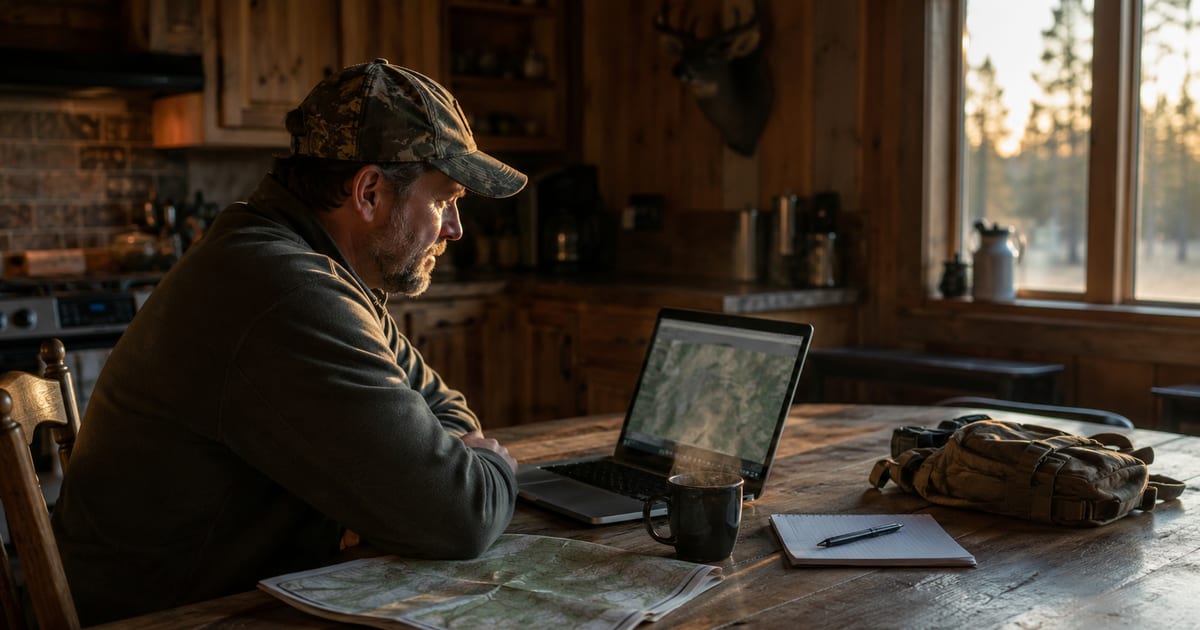
Read the draw odds before committing. New Mexico publishes historical draw odds data annually. Cross-reference that with the draw odds engine before sending your January application. Historical odds don’t predict the future perfectly, but they tell you whether you’re looking at a two-year draw or a twenty-year draw.
The Bottom Line
New Mexico consistently produces elk, deer, and pronghorn that compete with any state in the West — and the oryx hunt exists nowhere else. The hunters who miss it aren’t missing it because the hunting is second-tier. They’re missing it because January is a hard deadline to catch when you haven’t deliberately built it into your annual planning calendar.
Build it in. Start your point accumulation this year. New Mexico rewards patience and early action in equal measure, and the January hunters who’ve been quietly banking points for five years are drawing tags that the rest of the hunting world doesn’t know exist.
Track your New Mexico draw odds and application history at prohunt.com/draw-odds/new-mexico/.
Next Step
Check Draw Odds for Your State
Tag-level draw odds across 9 western states — filter by species, unit, weapon, and points. Free to use.
Get the Insider Edge
Join hunters getting exclusive draw odds data, gear deals, and weekly hunt planning tips.
Related Articles
Arizona OTC Archery Deer 2026: Unit Limits and Closures
Arizona's OTC archery deer season opens August 21, 2026 — and units close the moment harvest limits fill. Here's every unit's limit, plus the best bets by real archery success rates.
Colorado OTC Elk in 2026: What Changed for Nonresidents
Colorado eliminated unlimited nonresident OTC archery elk west of I-25 for 2026 — and Gunnison rifle tags went draw-only. Here's exactly what's still on the shelf and how to hunt this fall anyway.
Colorado Reissue Licenses: How to Grab Returned Elk Tags
Every Wednesday through fall, CPW sells back surrendered limited licenses — including elk tags nonresidents can't get any other way in 2026. Here's the Tuesday-Wednesday ritual that actually lands one.
No comments yet. Be the first to share your experience!