Nebraska Deer Hunting: Whitetail, Mule Deer, and Draw Tag Guide
Nebraska deer hunting guide — OTC whitetail tags, mule deer draw odds in the Sandhills and Panhandle, public land access on state wildlife management areas, and why Nebraska produces giant bucks.
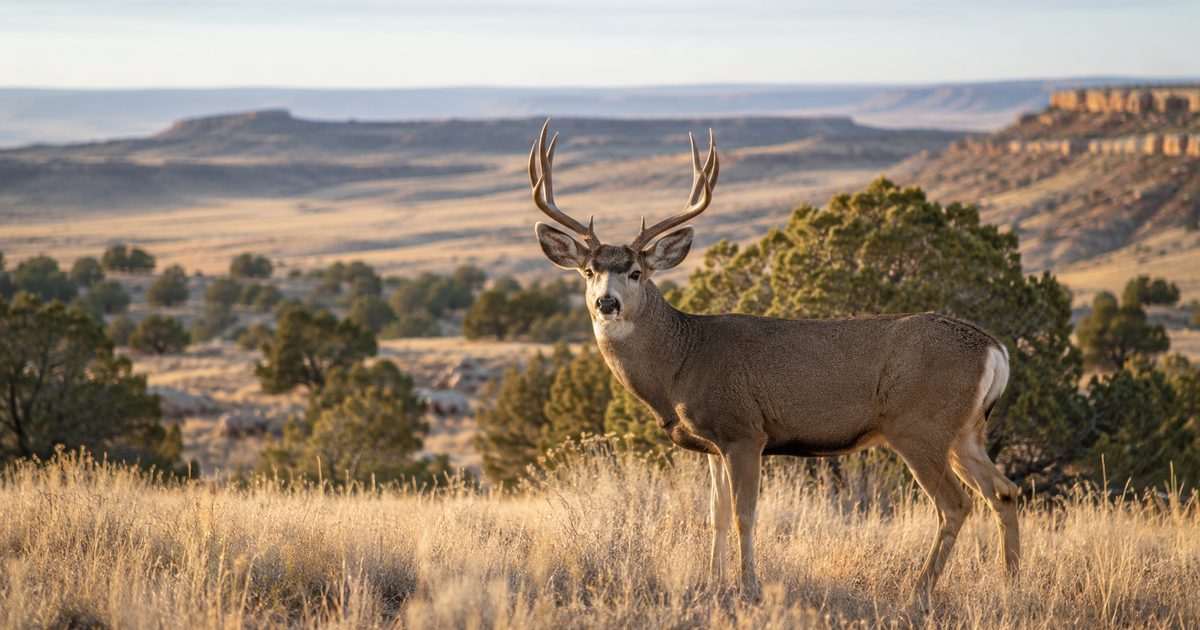
Nebraska doesn’t get the national spotlight that Kansas or Iowa get, but hunters who’ve spent time in the Platte River corridor or wandered the cedar draws of the Sandhills know what this state is capable of producing. Mature whitetail bucks here can compete with anything on the continent. The state offers over-the-counter deer tags, a Walk-In Access program that rivals any in the country, and mule deer draw hunts in terrain that looks more like Wyoming than the Midwest. If you haven’t seriously considered Nebraska, you’re leaving a legitimate trophy opportunity on the table.
Quick Facts: Nebraska Deer Hunting
| Detail | Info |
|---|---|
| Primary Species | Whitetail deer, mule deer |
| OTC Tags Available | Yes — archery any-deer, antlered-only firearm, anterless by unit |
| Mule Deer Draw | Limited permit system, Sandhills and Panhandle units |
| Application Deadline | Typically late July for firearm permits |
| Resident License + Deer Permit | ~$35 base license + $28 firearm deer permit |
| Nonresident Deer Permit | ~$270–$310 depending on season and unit |
| Walk-In Access (WIA) Acres | 1.2+ million acres — one of the largest programs in the US |
| Public Land (WMAs + National Forest) | ~450,000 acres across state WMAs, Nebraska National Forests |
| Season Structure | Archery: Sep–Jan · Muzzleloader: Nov · Rifle: Nov (two firearm seasons) |
| Boone and Crockett Entries | Consistently in top 10 states for typical whitetail entries |
Nebraska’s Deer Hunting Regions
Nebraska divides into four broad hunting zones that each produce deer differently. Understanding which zone fits your goals makes the difference between a frustrating trip and a wall-hanger.
The Sandhills
The Sandhills occupy the north-central portion of the state — roughly 20,000 square miles of grass-stabilized sand dunes, shallow lakes, and winding creek drainages. It’s one of the most intact grassland ecosystems in North America, and for deer hunters, it’s a largely overlooked goldmine.
Whitetail densities here aren’t as high as the crop-ground counties, but the bucks that survive to maturity are exceptional. Hunting pressure is low. Landowner access is limited in places, but the WIA program fills gaps in ways that aren’t obvious until you pull up the Nebraska Game and Parks Access Atlas. Timber-creek drainages cut through rolling hills and give mature bucks the same kind of thermal cover they’d use in big-woods country.
Mule deer also occupy the Sandhills, particularly in the western portions where grass transitions to more open shortgrass and yucca. Draw permits are required for mule deer in these units, and competition for the best units is growing — but it hasn’t reached the application pressure you’d see in Colorado or Wyoming.
The Platte River Corridor
The Platte River runs east-west across the state, and the cottonwood and willow bottoms lining both sides of it hold some of the highest whitetail densities in Nebraska. Ag country presses right up to the river in most places — corn and soybeans within a half mile of heavy timber cover creates the exact habitat combination that grows mature deer fast.
Public access along the river is patchwork, but the WIA program adds thousands of acres in prime zones each season, often in places adjacent to both cropfields and timber. Any hunter willing to do the legwork of pulling the current-season WIA map and walking creek bottoms will find deer sign that most hunters never see.
The Panhandle
The Nebraska Panhandle — the narrow western strip that presses against Colorado and Wyoming — is mule deer country. Ponderosa pine breaks, rugged canyon terrain, and open plains create classic muleys habitat. The Nebraska National Forests (Nebraska National Forest and Samuel R. McKelvie National Forest) provide legitimate backcountry access in units where private land dominates everywhere else.
Whitetail are present in the Panhandle’s creek drainages, but the dominant deer hunting story here is mule deer. Draw odds for the best units are moderate — not automatic, but not multi-year grinds either.
Eastern Nebraska
The tier of counties along the Missouri River and Iowa border holds the highest agricultural intensity in the state. Corn, soybeans, and CRP grass create a productivity machine for whitetail. Buck-to-doe ratios and herd management vary by private land philosophy, so the quality of hunting depends heavily on where you can get access. Public hunting on eastern Nebraska WMAs is available but heavily pressured during firearm seasons.
The Walk-In Access Program: Nebraska’s Best-Kept Secret
If there’s one thing Nebraska deer hunters should know that most out-of-state hunters don’t, it’s this: Nebraska’s Walk-In Access program is massive, well-managed, and genuinely underutilized.
WIA enrolls private agricultural and grassland acres into a public access program for a season. Landowners receive annual payments in exchange for allowing licensed hunters to walk in without any additional permission required. The program covers over 1.2 million acres statewide — one of the largest voluntary public access programs in the United States.
The practical value is enormous. A lot of the best Sandhills whitetail and mule deer country sits on private ranches with no traditional public access. WIA puts chunks of that into play every season. The access boundaries shift year to year as landowners opt in and out, so you need the current-season map — available through the Nebraska Game and Parks Commission’s online access atlas — not last year’s printout.
Pro Tip
Download the Nebraska Game and Parks Access Atlas app before your hunt. It shows real-time WIA boundaries, WMA locations, and National Forest access points in one map layer. The WIA enrollment changes annually, so always check the current-season data rather than relying on saved maps from previous years.
A few things to know about hunting WIA land in Nebraska:
- No camping on WIA parcels unless specifically noted
- Walk-in only — motorized vehicle access is prohibited even if you have a legal tag
- Hunting hours follow standard Nebraska Game and Parks regulations
- WIA access runs September 1 through January 31, covering all deer seasons
- The western Sandhills and Republican River units tend to have the highest WIA acreage concentrations relative to total county land area
For public land hunters used to competing for access in high-pressure states, WIA-enrolled ground in the Sandhills or along the Niobrara River corridor represents a genuine advantage. You’re hunting private land quality at public land cost.
Nebraska’s Deer Tag System
Whitetail OTC Tags
Nebraska’s deer tag system is designed around over-the-counter availability for whitetail, with some unit-specific restrictions on antlerless tags.
Every licensed hunter can purchase:
- Archery deer permit — statewide any-deer (antlered or antlerless), no draw required
- Firearm deer permit (antlered) — antlered whitetail or mule deer depending on unit, OTC
- Firearm antlerless permit — unit-specific, some issued OTC and some by permit drawing
The key distinction between any-deer and antlered-only tags matters in unit selection. The archery season any-deer tag gives you maximum flexibility throughout the September through January window. The firearm antlered tag is issued statewide OTC for the November rifle seasons but is unit-specific for management areas.
Warning
Nebraska’s deer regulations change unit structures more frequently than most states. Verify the current year’s unit boundaries and tag availability on the Nebraska Game and Parks Commission website before purchasing tags. What was an OTC antlerless unit last year may have moved to a drawing this year, or vice versa.
Nonresidents can purchase OTC archery and firearm antlered tags without any draw. This is one of the more attractive features of hunting Nebraska versus neighboring Kansas or Iowa, where nonresident firearm tags can require multi-year draws for the best units.
Mule Deer Limited-Entry Draw
Mule deer in Nebraska are managed under a permit system. The Sandhills and Panhandle management units have separate permit allocations, and competition for the best units — particularly the Panhandle rifle seasons — has increased as word has gotten out about Nebraska mule deer quality.
Draw odds for mule deer vary significantly by unit and season type. Archery mule deer permits in some Sandhills units draw at near-100% odds. Rifle permits in Panhandle units have tightened in recent years and may require multiple applications before drawing. Nebraska uses a preference point system, so banking points in low-odds units is a viable long-term strategy for nonresidents targeting a specific unit.
Applications typically open in spring with a July deadline. Nonresident mule deer permit fees run in the $300–$400 range depending on season type.
Nebraska Deer Season Structure
Nebraska runs a multi-season structure with overlapping opportunities across fall and winter:
| Season | Typical Dates | Tags Required |
|---|---|---|
| Archery | Sep 1 – Jan 15 | OTC any-deer permit |
| Early Muzzleloader | Late Oct – early Nov | Separate muzzleloader permit |
| Firearm Season 1 | Early-to-mid November | OTC antlered permit + antlerless if desired |
| Firearm Season 2 | Late November | Same permits, second opportunity |
| Late Muzzleloader | December | Separate late-season permit |
| Late Archery | Continues through Jan 15 | Original archery permit |
The firearm season split — two separate rifle seasons in November — gives hunters real flexibility. If the rut is early, Season 1 catches peak chasing behavior. If conditions are tough in early November, Season 2 can land right in the lockdown or secondary rut period. For hunters focused specifically on rut tactics, see our complete guide to whitetail rut hunting for the breakdown on timing your hunt around breeding phases.
Nebraska’s archery season runs one of the longest windows in the Midwest — September 1 through mid-January covers the full pre-rut, rut, and late-season cold fronts. The late archery season in December and January, when deer are focused on caloric feeding before the hard winter, can produce excellent stand hunting over food sources.
Why Nebraska Grows Trophy Whitetail
Nebraska isn’t an accident. There are specific reasons why this state produces big-bodied, heavy-antlered bucks at a rate that surprises hunters who haven’t paid attention to it.
Agricultural land pressure relief on public ground. In high-agriculture states like Iowa and Illinois, hunting pressure on private ground is intense. Mature bucks in Nebraska’s Sandhills and river-bottom WMA zones experience dramatically lower hunter pressure than bucks on comparable habitat in neighboring states. Age structure — the primary driver of antler quality — improves when bucks survive more seasons.
River bottom habitat. The Platte, Niobrara, and Republican River corridors create ideal whitetail habitat: dense woody cover immediately adjacent to high-calorie ag food sources. Bucks can bed in cottonwood bottoms that are nearly impenetrable on foot and feed in cornfields within 200 yards. They reach heavy body weights and corresponding antler mass.
Sandhills genetics and nutrition. The Sandhills forage base — native grasses, forbs, agricultural grain in creek-bottom fields — supports excellent mineral intake. Soil mineral content in this part of the Great Plains has been linked to strong antler development in research on regional buck quality. Combined with low pressure, genetics cycles forward without being disrupted by heavy harvest of young bucks.
Low hunting pressure in key units. Nebraska simply doesn’t have the same density of hunters per square mile that Kansas, Iowa, or Missouri do in comparable habitat zones. Fewer hunters means more bucks reach 4.5 and 5.5 years old — ages where antler mass is at its peak. This pressure differential is real and measurable in Boone and Crockett entry data.
Public Land Access: WMAs and Nebraska National Forests
State Wildlife Management Areas
Nebraska Game and Parks manages over 170 WMAs totaling roughly 155,000 acres. The distribution is uneven — some areas are small waterfowl parcels, but a number of WMAs in the Sandhills and Republican River region are large enough to hunt seriously. WMAs along the Platte River offer river-bottom timber hunting with a public-land character that feels more like hunting a river floodplain in the South than the Midwest.
WMA hunting pressure peaks hard during firearm seasons. If public WMA hunting is your primary plan, the archery season or late-season muzzleloader periods offer significantly less competition.
Nebraska National Forests
The Nebraska National Forest (which includes units in both Halsey and Chadron) and the Samuel R. McKelvie National Forest in Cherry County together provide over 250,000 acres of federally managed public land in the Sandhills and Panhandle.
The Bessey Ranger District near Halsey is one of the largest hand-planted forests in the United States — ponderosa pine stands rising out of Sandhills grass — and it creates unique habitat for both whitetail and mule deer. Hunting pressure on national forest land is lower than on state WMAs, particularly for archery hunters willing to move away from roads.
The Oglala National Grassland in the Panhandle adds another 94,000 acres of open-country mule deer habitat adjacent to Chadron State Park. This is serious mule deer terrain with genuine stalking opportunities in open breaks.
Stand Hunting vs. Spot-and-Stalk in Nebraska
Whitetail hunting in Nebraska’s river bottoms is fundamentally a stand-hunting game. River-bottom timber hunts demand patience over rub lines, scrapes, and pinch points where deer funnel between cover and crop edges. The standard Midwest deer hunting toolkit applies: hang stands in October to let thermals clear, hunt downwind of primary food sources in early season, and shift to staging areas and scrape lines as October transitions into November.
The rut changes the equation. Nebraska’s rut timing mirrors the Great Plains core — peak breeding runs approximately November 5–20 in most years, though individual years shift a few days based on photoperiod and weather. During this window, mobile hunting and calling become legitimate tools. Rattling setups in river-bottom timber can be devastatingly effective on pressured bucks that haven’t heard horns all season. For a full breakdown on calling sequences and rattling setups, our deer rattling and calling tactics guide covers what works in Midwest agricultural terrain.
Mule deer in the Sandhills and Panhandle favor a different approach. Spot-and-stalk is the primary method, particularly in the open breaks country of the Panhandle. Glass from high ground, identify a buck worth pursuing, and work the wind on a close-range stalk. This is the same style of hunting that applies to Western mule deer anywhere — patience on the glass, deliberate stalk execution, and comfort with shots in the 100–250 yard range.
Pro Tip
For Sandhills whitetail on WIA ground, look for creek-bottom timber corridors that connect separate grassland blocks. These drainages act as travel funnels. Deer using WIA grassland for bedding will filter through the timber during low-light transitions. A hang-and-hunt setup in a cedar draw with the wind checked can produce encounters with bucks that have never seen a hunter on foot.
Gear Considerations for Nebraska Deer Hunting
Nebraska deer hunting doesn’t demand extreme gear, but a few specific items matter:
Wind checker. Both the Sandhills and river bottoms produce swirling thermals at dawn and dusk. A reliable wind checker — milkweed, powder bottle, or electronic — is non-negotiable when setting stands in variable terrain.
Turkey call for sanity check. Some Nebraska WMA and WIA parcels allow walk-in access but have specific boundary restrictions. Carry a paper map or downloaded GPS boundary on your phone; the cell coverage in Sandhills counties is genuinely poor.
Rain gear. Nebraska November weather swings from 60-degree shirtsleeve days to blizzard conditions within 48 hours. Packable rain gear and a set of insulated base layers that can handle both ends of the range are worth the weight.
Flatbed or ATV for meat hauling. On larger WMAs and WIA parcels in the Sandhills, you may be parking a mile or more from where you kill a deer. A pack frame rated for 100+ pounds of boned-out meat, or access to a UTV if regulations allow, makes the difference between a manageable pack-out and a brutal one.
FAQ
Does Nebraska require a preference point to draw a mule deer tag?
Nebraska does use a preference point system for its limited-entry deer permits, including mule deer. Points accumulate when you apply and don’t draw. In lower-demand units — especially archery mule deer in the Sandhills — you may draw in your first or second year. Higher-demand Panhandle rifle permits may require 3–5 points or more depending on the unit.
Can nonresidents buy OTC whitetail tags in Nebraska?
Yes. Nonresidents can purchase over-the-counter archery deer permits and antlered firearm permits without any draw. This is a genuine advantage compared to Iowa and Kansas, which have highly competitive nonresident draw systems for firearm deer tags. Nonresident antlerless permits are unit-specific and may require a drawing.
What is the best unit for trophy whitetail in Nebraska?
The Sandhills units in Cherry, Brown, and Rock counties consistently produce mature bucks with less hunting pressure than eastern Nebraska counties. The Platte River corridor in Buffalo and Kearney counties also produces large bucks, but private land control is tighter. For public land hunters, WIA-enrolled ground in the Sandhills or Niobrara River corridor offers the best combination of trophy potential and accessible acreage.
How does Nebraska’s Walk-In Access program work for deer hunters?
The WIA program enrolls private land into a voluntary public access agreement for the season. You don’t need additional landowner permission — a valid Nebraska hunting license and the appropriate deer tag are all you need. Access boundaries are published annually by Nebraska Game and Parks and are available through their online atlas and printed maps. The program runs September 1 through January 31 for deer, covering all seasons. Walk-in only; no motorized vehicles.
When is the whitetail rut in Nebraska?
Nebraska’s peak rut runs approximately November 5–20, consistent with most Great Plains states. Pre-rut scrape activity typically starts in late October. The secondary rut (doe fawns cycling) can produce a second burst of buck movement in mid-December, which overlaps with the late muzzleloader season and continuing archery opportunity. Cold fronts significantly accelerate daytime deer movement in November — the best rut hunting in Nebraska almost always coincides with a temperature drop.
Next Step
Check Draw Odds for Your State
Tag-level draw odds across 9 western states — filter by species, unit, weapon, and points. Free to use.
Get the Insider Edge
Join hunters getting exclusive draw odds data, gear deals, and weekly hunt planning tips.
Related Articles

Arizona Unit 36 Border Country Guide
Units 36A, 36B, and 36C sit along the Mexican border west of Nogales — overlooked Coues and javelina country with low draw requirements and solid hunting.

Montana General Elk Tag: Everything You Need to Know
The Montana general elk tag explained — who can buy one, what it covers, best districts, season dates, nonresident options, costs, and tactics for public land.

Arizona Unit 22 Guide: Tonto Basin
Unit 22 runs across the Tonto Basin and the Salt River country — productive elk in the highlands, accessible javelina in the desert, and some of Arizona's most underrated deer country.
No comments yet. Be the first to share your experience!