Kentucky Deer Hunting: Whitetail in the Bluegrass State
Kentucky has produced more B&C records than almost any other state. Here's how to hunt it — licenses, seasons, public land, and why KY whitetail are special.
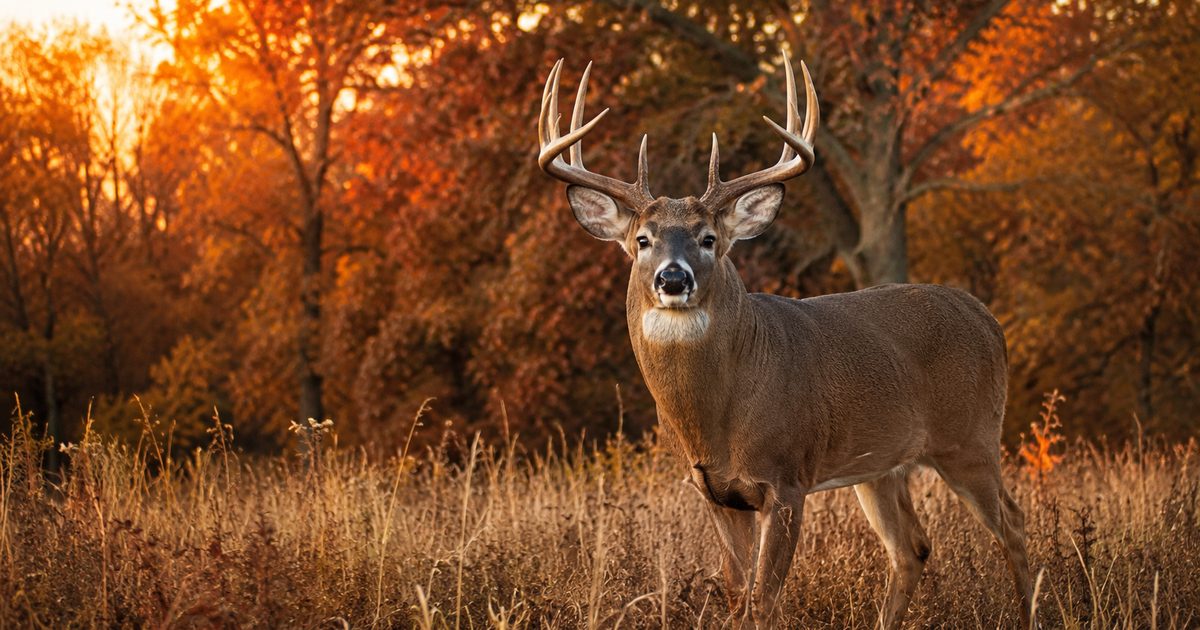
Kentucky doesn’t get the same national press as Iowa or Illinois, but talk to serious whitetail hunters and they’ll tell you: the Bluegrass State belongs in the conversation for the best record-book deer hunting in the country. The numbers back it up. Kentucky consistently ranks in the top three states for Boone and Crockett typical whitetail entries, and it has produced more 170-inch-plus bucks than most hunters realize. The combination of rich limestone-based soils, diverse habitat, a liberal deer program, and light hunting pressure in many counties has quietly made Kentucky one of the most productive whitetail states east of the Missouri River.
This guide covers everything you need to plan a Kentucky deer hunt — license costs, season structure, public land options, regional breakdowns, and the tactics that consistently put mature bucks on the ground in hardwood country.
Why Kentucky Produces Giant Whitetails
The answer starts underground. Kentucky’s geology is dominated by karst limestone formations across the Bluegrass and Pennyroyal regions. Limestone-rich soils produce high-calcium browse, mineral licks, and agricultural crops with exceptional nutritional density. Deer eating high-calcium food sources throughout their lives develop heavier, more symmetrical antlers — the same reason the Illinois and Iowa record books are padded with giants from corn and soybean country.
Kentucky adds something those states don’t always have: terrain diversity. The eastern mountains offer steep hardwood hollows where big bucks can disappear. The western farmland counties give you classic ag-edge hunting with food plot potential. The river bottom counties along the Green, Cumberland, and Tennessee Rivers produce the kind of habitat — thick cover, accessible water, diverse food — that lets bucks age naturally.
The state also benefits from relatively low nonresident hunting pressure compared to Iowa, Wisconsin, or Ohio. There’s no nonresident quota system, no preference point game, no lottery for a deer tag. You buy a license, buy a tag, and hunt. That accessibility keeps the average hunter volume manageable in most counties, and mature bucks that might survive two seasons in a high-pressure state routinely make it to five or six years old in quieter Kentucky counties.
Kentucky’s Deer Population and Habitat
The Kentucky Department of Fish and Wildlife Resources (KDFWR) estimates the statewide deer population at roughly 900,000 to 1 million animals. Annual harvest typically runs 130,000 to 150,000 deer, with the buck harvest of mature deer (2.5 years and older) representing a significant portion of that number in managed counties.
Habitat falls into four broad types that every Kentucky deer hunter should understand:
Hardwood ridges and hollows dominate the eastern half of the state. Mature red and white oak stands provide the backbone of the annual food chain. A hard mast year in eastern Kentucky draws deer from miles around — you’ll find concentrations of deer under productive white oak flats that rival anything you’d see in a food plot. During poor mast years, deer shift to secondary food sources and travel patterns change dramatically.
River bottom systems along the Green River, Licking River, Cumberland River, and their tributaries offer classic whitetail habitat: thick bedding cover in cutover timber and cane thickets, soft mast from persimmons and pawpaws, and the travel corridors that allow bucks to cover ground during the rut without exposing themselves in open country. These bottoms hold some of the biggest deer in the state.
Agricultural ground in western Kentucky — particularly the Purchase and Pennyrile regions — produces an Iowa-like hunting dynamic where deer feed in bean and corn fields and bed in adjacent woodlots and field edges. These counties have the highest genetic potential for record-book deer, and they’re relatively accessible to hunters willing to do permission work on private ground.
Reclaimed coal country in the eastern coalfields has some of the most overlooked deer hunting in Kentucky. Strip mines reclaimed to native grasses and planted food plots mixed with adjacent timber create habitat diversity that supports high deer densities. Access can be tricky — much of this land is leased by coal companies — but public WMA holdings in this region offer real opportunity.
License Costs and Structure
Kentucky runs one of the most hunter-friendly licensing structures in the country. The deer program is genuinely liberal: multiple antlerless tags, low fees, and minimal bureaucratic friction.
| License/Tag | Resident | Nonresident |
|---|---|---|
| Hunting License | $28 | $110 |
| Deer Permit (1 antlered + 1 antlerless) | $30 | $185 |
| Additional Antlerless Permit | $12 | $35 |
| Youth Hunting License | Free (under 16) | — |
| Senior Hunting License | Reduced fee | — |
Residents can purchase multiple antlerless tags throughout the season as antlerless quotas allow. The state does not cap the total number of deer a resident can harvest — antlerless harvest is managed by county-level quotas and season structure, not statewide limits.
Nonresidents pay $185 for the standard deer permit, which is among the lower nonresident deer tag prices in the Midwest. Compared to Iowa ($569 for nonresident deer), Indiana ($150+), or Ohio ($188+), Kentucky represents real value for a nonresident hunter targeting record-class ground. The non-resident hunting license guide breaks down Kentucky’s fees alongside neighboring states if you’re comparing destinations. Licenses and permits are available online at fw.ky.gov or through licensed agents.
Stack Your Nonresident Trip
At $185 for a nonresident deer permit, Kentucky is one of the best-value record-book states in the country. Plan your trip around the Nov 8–15 rut peak and combine a firearms and archery deer hunt — the state allows crossbow during all archery seasons.
Season Calendar
Kentucky’s deer season structure is among the most generous in the whitetail range. Hunters have multiple opportunities across archery, firearms, and muzzleloader seasons that collectively span nearly four months.
| Season | Typical Dates | Notes |
|---|---|---|
| Early Archery | Early September – mid-October | Statewide; includes crossbow |
| Youth/Early Firearms | Mid-October (weekend) | Youth and mobility-impaired hunters |
| Archery (continued) | Continues through January | |
| Firearms (Modern Gun) | Early November – mid-November | Approximately 16 days; prime rut overlap |
| Late Muzzleloader | Mid-December | Statewide |
| Late Archery / Late Season | Continues through January | Some counties close earlier |
The modern gun season is the centerpiece of the Kentucky deer season. It’s typically scheduled to overlap directly with the primary rut, which in Kentucky peaks in the first two weeks of November. The combination of firearm access and peak rut movement makes this the highest-harvest period of the year and the primary target window for nonresident hunters. The whitetail rut hunting tactics guide covers calling, rattling, and all-day sit strategies for maximizing the November firearms rut window.
Always verify current season dates and county-specific regulations with KDFWR before hunting (fw.ky.gov). Season dates, antlerless quotas, and county regulations change annually.
Antler Point Restrictions and Trophy Management
Kentucky does not impose statewide antler point restrictions. Hunters in most of the state can harvest any legal buck. This has historically contributed to some hunting pressure on young bucks in high-access areas, but it also means hunters aren’t navigating confusing APR regulations across county lines.
Several wildlife management areas and some private cooperatives operate voluntary or mandatory APR programs. KDFWR manages its WMAs with a range of tools including antlerless quota systems, special permit hunts, and cooperative deer management zones.
The lack of statewide APRs actually works in favor of mature buck populations in the many low-pressure counties. When hunting pressure is low and habitat quality is high, bucks survive to maturity naturally — no regulation needed. The counties in western Kentucky and along the major river systems consistently produce mature deer regardless of harvest regulation, simply because the land isn’t hunted hard enough to remove bucks before they reach 4 or 5 years of age.
Public Land Overview
Kentucky’s public land hunting picture is better than most hunters realize, particularly for deer.
Daniel Boone National Forest is the flagship public land option, covering approximately 708,000 acres across 21 counties in eastern and south-central Kentucky. The forest is divided into two ranger districts — the Cumberland District and the Stearns District — and offers a mix of open and special regulation areas. Deer density in the Daniel Boone varies by district; the Cumberland District historically carries higher deer numbers. Some areas within the forest are managed as hunter use areas with quota permits, while the bulk of the forest is open general access.
Wildlife Management Areas (WMAs) operated by KDFWR total over 100 individual units spread across the state. Size ranges from small several-hundred-acre parcels to the Peabody WMA in western Kentucky at over 100,000 acres. Western Kentucky WMAs in Muhlenberg, Hopkins, and McLean counties offer agricultural edge hunting on reclaimed mine land with food plots managed by KDFWR — legitimately good deer hunting on public ground that not enough hunters bother to explore.
State forests add another layer. Kentenia State Forest, Pennyrile State Forest, and several others are open to hunting under state regulations. These tend to be lightly hunted and carry good deer populations.
Corps of Engineers land around major reservoirs — Barren River Lake, Green River Lake, Lake Cumberland, Rough River Lake — provides riparian and upland deer habitat with minimal competition. These areas are often overlooked by hunters focused on the more famous WMAs.
Western KY WMAs Are Underrated
The Peabody WMA complex in Muhlenberg and Ohio counties offers food plots, managed habitat, and agricultural edge hunting on over 100,000 acres with very light pressure. It’s worth the drive to western Kentucky for any hunter tired of crowded public ground in the eastern part of the state.
Top Hunting Regions
Western Farmland Counties (Muhlenberg, Ohio, McLean, Henderson, Daviess)
This is Kentucky’s record-book corridor. The combination of limestone soils, row crop agriculture, and relatively low hunting pressure creates conditions for bucks to reach full maturity. A 5-year-old buck in Henderson or Daviess County can carry 160 to 180 inches of antler. The farming community here is generally receptive to hunters who approach permission requests professionally — knock doors early (August, September), offer something in return, and be respectful of the land.
River System Counties (Cumberland, Green, Tennessee River drainages)
The river bottoms along the Cumberland in Lyon and Trigg counties and along the Green River in Butler, Edmonson, and Hart counties produce some of the most consistent mature buck hunting in Kentucky. The Land Between the Lakes National Recreation Area in Lyon and Trigg counties offers an unusual combination of public land access and quality deer habitat that produces respectable bucks annually, though it’s hardly a secret.
Eastern Coal Country (Letcher, Knott, Perry, Pike Counties)
These counties get less hunting attention from nonresidents, but the deer quality can surprise you. Bucks in the eastern mountains tend to be slightly smaller-bodied with narrower racks compared to western Kentucky deer, but exceptional genetics do exist. The main advantage is timber company land access — some eastern Kentucky timber companies offer leasing programs or permit-based public access that gives hunters access to huge tracts of lightly hunted ground.
Central Bluegrass (Boyle, Lincoln, Garrard, Rockcastle Counties)
The central Bluegrass is technically horse farm country with limited public access, but hunters with farm permission in this region find some of the richest soils in Kentucky and deer that benefit from high-quality agriculture. The Boyle-Lincoln county area consistently produces B&C eligible bucks and receives very little hunting pressure outside of private farm holders.
Rut Timing in Kentucky
The Kentucky rut follows a predictable photoperiod-driven calendar that deer hunters can plan around with confidence. Does come into estrus in a tight window driven by daylight length, not weather — which means the rut timing is consistent year to year regardless of temperature or precipitation.
Pre-rut scrape and rub activity typically begins in mid to late October. Bucks start working scrape lines along field edges, logging roads, and creek bottoms. This is an excellent time for mock scrape setups and subtle grunt calling.
Seeking and chasing kicks into gear in late October through early November. Bucks begin covering ground during daylight hours, checking does and sparring with rivals. This is arguably the most exciting hunting of the year — you’ll see more buck movement than at any other time, and the action can be unpredictable in the best way.
Peak lockdown rut in Kentucky typically falls between November 8 and 15, with November 10–12 being the historically consistent peak in most counties. During lockdown, mature bucks disappear with does and daylight movement can actually slow — but this is when calling and rattling can pull a dominant buck out of thick cover.
Second rut in late November to early December catches unbred does cycling again. This window is shorter and less intense, but hunters who target the second rut on public land — when pressure has dropped significantly — often find mature bucks moving freely.
The Kentucky firearms season is deliberately scheduled to overlap the primary rut peak. If you can only hunt one window, plan your trip for November 8–15.
Tactics That Work: Stand Hunting in Hardwood Country
Kentucky’s hardwood terrain rewards patient stand hunters who do their homework on food sources, travel corridors, and buck sign.
White oak focus in September and October. Before firearms season, the best deer hunting in eastern and central Kentucky follows the white oak crop. Scout aerial imagery and topographic maps to identify south-facing slopes with heavy white oak canopy — deer will visit the same producing trees every morning and evening during a good mast year. A mobile hang-on stand set 20 yards downwind of a primary white oak flat is a high-percentage setup through October.
Creek bottom funnels for the firearms rut. During the rut, bucks move parallel to creek drainages while checking doe bedding areas. Hang stands at the pinch points where creek bottoms narrow — between a logjam and a steep bank, or where two tributaries join. These travel corridors concentrate rutting buck movement more reliably than open terrain setups.
Logging road intersections. In Daniel Boone country and eastern WMA ground, old logging roads create natural corridors that deer follow at night and sometimes in daylight during the rut. A stand overlooking a logging road intersection — especially one with active scrapes — is a classic Kentucky setup that produces mature bucks year after year.
Don’t overlook midday sits during the rut. Kentucky hunters who hunt only morning and evening during firearms season are leaving encounters on the table. Rutting bucks move freely from 10 a.m. to 2 p.m. as they search for does, and midday encounters on well-placed stands are common during the November 8–15 window. Bring a lunch and stay in the tree.
Food Sources and Timing
Understanding Kentucky’s food source calendar gives you a meaningful edge in stand placement throughout the season.
September–October: White oak acorns dominate where available. When the white oak crop is strong, deer barely touch agricultural fields — they’re gorging on acorns within their core areas. Hard mast scouting in August tells you where to hang stands before the season opens.
Late October–November: As acorn supplies deplete, deer transition to red oak mast (less preferred but abundant) and begin hitting agricultural fields — corn stubble, standing beans, and food plots — more aggressively. This transition period coincides with pre-rut activity and creates reliable patterns.
November (rut): Does are the food source. Mature bucks neglect feeding during peak rut and focus entirely on locating does. Hunting food sources during lockdown is less productive than hunting doe bedding areas and travel corridors.
December–January: Late-season deer return to a calories-first strategy. Standing corn and brassica food plots pull deer in during late season, often producing the most predictable and concentrated movement patterns of the year. Hunters who have permission on farms with standing corn or food plots can find big bucks highly patternable in December.
Poor Mast Years Change Everything
In low white oak years, deer scatter more widely in search of alternative food sources. Patterns that worked the previous season may be completely different. Scout fresh each year — don’t assume last year’s hot stands will produce when the mast crop fails.
CWD Status in Kentucky
Chronic Wasting Disease has been confirmed in Kentucky. KDFWR first detected CWD in the state in 2022 in a captive deer facility, and wild deer CWD cases have subsequently been confirmed in several counties. The department has established a CWD surveillance zone with mandatory carcass movement restrictions for deer harvested in affected counties.
Before hunting, check the current CWD zone boundaries at fw.ky.gov. Hunters harvesting deer in surveillance zones are required to submit samples for testing and are restricted in what parts of the carcass they can transport out of the zone. Boned-out meat, cleaned skulls, and finished taxidermy mounts are generally permitted — whole carcasses and unprocessed spines are not.
The CWD situation in Kentucky is still relatively early-stage compared to states like Wisconsin, Colorado, or Pennsylvania, but hunters should stay informed. The KDFWR CWD response program includes voluntary and mandatory testing opportunities at check stations during firearms season.
Trophy Expectations
Kentucky produces more record-book typical whitetails per square mile than almost any other eastern state, but what does that mean in practical terms for hunters?
Western farmland counties are where the B&C giants live. A mature 5-year-old buck in Henderson, Daviess, or Muhlenberg county will typically carry 130 to 160 inches of antler, with exceptional individuals reaching 170 to 190 inches. These are the deer that end up in Boone and Crockett and Safari Club International record books. Hunting this ground requires private land access — most of the productive farmland is leased or private.
River system counties produce deer in the 125 to 155-inch class on average, with outliers pushing 170 inches where pressure is low. These areas are more accessible to public land hunters and offer a realistic shot at a 140-inch buck for a hunter willing to put in time on WMA and Corps ground.
Eastern mountain counties tend to produce deer in the 100 to 130-inch class, with exceptional bucks in the 140s showing up in less-pressured drainages. Body weights in eastern Kentucky are somewhat lighter than western Kentucky deer, but the antler genetics can surprise you — the terrain and low pressure allow bucks to age fully.
A realistic nonresident goal for a week-long Kentucky hunt, hunting good habitat with fair private land access, is a legitimate crack at a 130-inch or better buck. Hunters with established private land permission in the western counties should expect genuine record-book opportunities most seasons.
Planning Your Kentucky Hunt
When to go: Book your trip for November 8–15 if you want firearms rut hunting. If you prefer archery and less crowded conditions, the last week of October offers excellent pre-rut bow hunting with scrape and rub activity at its peak. Use the tag-to-trail trip planner to map your Kentucky hunt from license purchase through pack-out.
Private land permission: Kentucky is a permission-knocking state. The best deer hunting is on private agricultural ground, and most of it is either personally hunted by the landowner or leased. Start knocking doors in August — offer to help with farm work, bring a gift, and come back the following year whether you fill a tag or not. Relationships built over multiple seasons produce the best access.
Outfitter options: A number of Kentucky outfitters operate in the western and central counties, offering guided or semi-guided hunts on managed private land. Guided Kentucky whitetail hunts typically run $2,500 to $4,500 for a 5-day hunt with lodging. Given Kentucky’s nonresident tag cost ($185), this remains affordable compared to guided hunts in Iowa or Kansas.
Lodging and access: Louisville, Lexington, Bowling Green, and Paducah all serve as regional base camps with good hotel and rental options. Western county hunts out of Owensboro or Madisonville put you within 30–45 minutes of premier whitetail ground. Daniel Boone National Forest hunts work well out of London or Corbin.
Maps and regulations: onX Hunt and HuntStand both carry accurate Kentucky land ownership and public land boundary data. Download offline maps for your hunt unit before you go — cell coverage in eastern Kentucky hollows is unreliable. Always carry a printed copy of KDFWR regulations.
Always verify current season dates, county antlerless quotas, CWD zone restrictions, and license requirements directly with the Kentucky Department of Fish and Wildlife Resources at fw.ky.gov before your hunt. Regulations change annually and county-specific rules can affect your hunt significantly.
Kentucky doesn’t advertise itself the way Iowa or Kansas does, and that quiet confidence is part of what makes it special. The record book speaks for itself. If you haven’t looked seriously at Kentucky for your next whitetail destination, it’s time to start.
Next Step
Check Draw Odds for Your State
Tag-level draw odds across 9 western states — filter by species, unit, weapon, and points. Free to use.
Get the Insider Edge
Join hunters getting exclusive draw odds data, gear deals, and weekly hunt planning tips.
Related Articles

Arizona Unit 36 Border Country Guide
Units 36A, 36B, and 36C sit along the Mexican border west of Nogales — overlooked Coues and javelina country with low draw requirements and solid hunting.

Montana General Elk Tag: Everything You Need to Know
The Montana general elk tag explained — who can buy one, what it covers, best districts, season dates, nonresident options, costs, and tactics for public land.

Arizona Unit 22 Guide: Tonto Basin
Unit 22 runs across the Tonto Basin and the Salt River country — productive elk in the highlands, accessible javelina in the desert, and some of Arizona's most underrated deer country.
No comments yet. Be the first to share your experience!