Idaho Nonresident Hunting: The Complete Guide
Everything nonresident hunters need to know about hunting Idaho — OTC general elk tags, the controlled hunt draw system, bonus points, the 10% nonresident cap, license costs, January deadline, and how to build a realistic multi-species strategy.
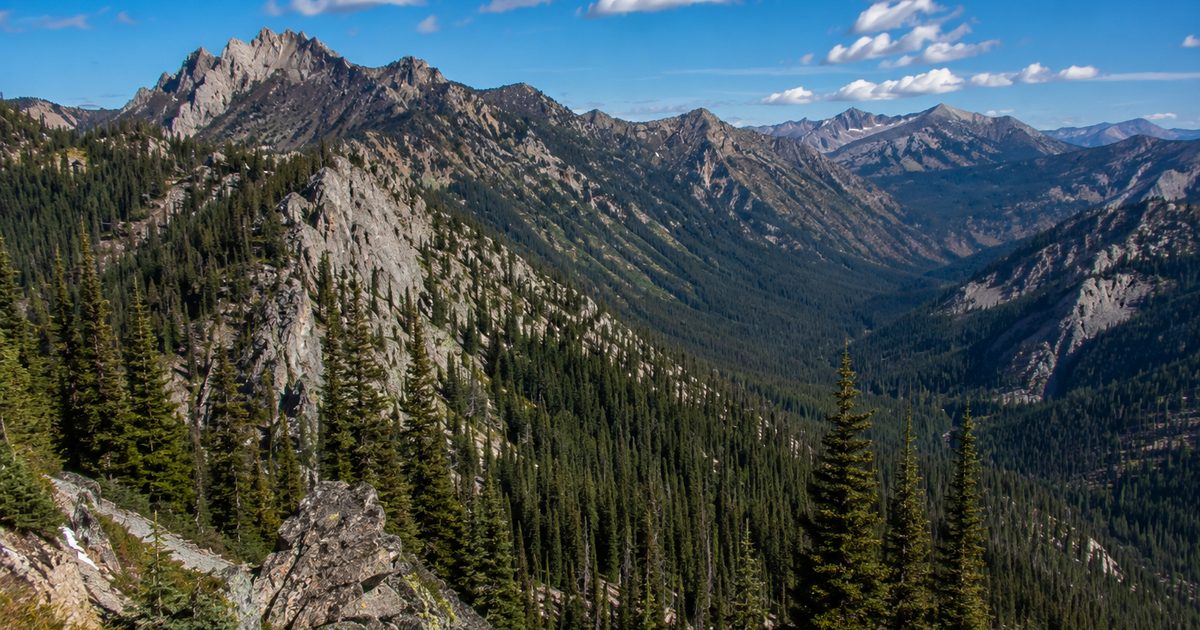
Idaho is one of the most genuinely wild hunting destinations left in the lower 48. Nearly 12 million acres of designated wilderness — including the Frank Church-River of No Return and the Selway-Bitterroot — gives the state a backcountry hunting character that’s hard to find anywhere else. But Idaho’s licensing system is legitimately complex, and nonresidents who don’t understand how it works often either miss the best opportunities or get frustrated by the parts that take patience.
This guide cuts through the confusion. Here’s what you can buy over the counter, what requires a draw, how bonus points work, what’s realistic in your first few years, and how to build a multi-species Idaho strategy that actually makes sense.
Idaho’s Two-Track System: General Tags vs. Controlled Hunts
Idaho separates its hunting opportunities into two distinct categories.
General tags are available over the counter with no draw. They cover hunting in general seasons across most of the state. For nonresidents, the most important general tag is the general elk tag — and the fact that it exists over the counter puts Idaho on the short list of western states with accessible nonresident elk hunting without a draw.
Controlled hunt tags are issued through a lottery draw. Deer, pronghorn, bighorn sheep, mountain goat, and moose all require controlled hunt permits. So do premium elk hunts — including dedicated elk hunts in the Frank Church and other special management zones. Controlled hunt draw odds improve with Idaho’s bonus point system, which we’ll cover in detail below.
The application deadline for all Idaho controlled hunts is in January. That’s earlier than almost every other western state. Set your reminder now — missing Idaho’s deadline isn’t fixable.
The 10% Nonresident Cap
Idaho limits nonresident hunters to 10% of available controlled hunt tags in most hunts. This cap applies across species. It means that even in a hunt where total success odds are reasonable, nonresidents are competing for a much smaller pool of tags than residents.
The practical effect: check Idaho-specific nonresident draw odds, not blended odds that include resident applicants. A hunt that draws at 40% overall might draw at 10–15% for nonresidents when the allocation math plays out. The draw odds engine breaks this down by hunt number so you’re not working with misleading blended figures.
What’s Available Over the Counter
Nonresidents can buy a general elk tag over the counter for most of Idaho’s hunting zones. The general tag covers hunting during the general season (typically October through November) in general open zones. That includes large swaths of the state — the Clearwater region, the Salmon River country, southern Idaho units, and others.
The general elk tag isn’t cheap. Nonresident general elk licenses run around $701 plus the base license fee and applicable tags, putting total costs in the $750–$800 range before any gear or travel. But you’re buying a guaranteed tag in a state with real elk numbers and some of the best wilderness hunting on the continent.
General Tag = Your Guaranteed Idaho Elk Hunt
Apply for controlled hunts every year to build bonus points, but don’t structure your Idaho elk strategy around drawing a controlled hunt in your first few years. Buy the general tag, pick a unit with solid public access, and hunt. You’ll learn the country, understand the pressure patterns, and build a useful baseline for the future.
The Bonus Point System
Idaho uses a true bonus point system (not a preference point system). Each year you apply for a controlled hunt and don’t draw, you accumulate one bonus point. In the draw, your name is entered once for every bonus point you hold, plus one base entry. A hunter with five points gets six entries. A hunter with zero points gets one.
This is different from a preference point system where points guarantee you’ll eventually draw. In Idaho’s bonus point system, high-point applicants have better odds — but they’re not guaranteed draws. Hunters with many points can lose to hunters with fewer points; it just happens less often as the point gap widens.
Species have separate bonus point pools. Points for elk don’t help you in the deer draw, and deer points don’t transfer to pronghorn. Track each species separately.
Idaho by Species: What’s Realistic and When
Elk
General elk is the starting point for most nonresident hunters. You can hunt elk in Idaho on day one with an OTC general tag, no draw required. Controlled hunt elk permits — which cover premium units, earlier archery seasons in trophy areas, and dedicated zones like the Frank Church wilderness elk hunts — become accessible as you accumulate bonus points.
Most competitive controlled elk hunts in Idaho require 3–8 bonus points for reasonable draw odds for nonresidents. Some top-tier Frank Church hunts take longer. Use the Idaho draw odds page to target controlled hunts where your current point total puts you in a competitive window.
Deer
Idaho deer — mule deer and whitetail — require a controlled hunt permit in most units. There’s no general over-the-counter deer tag for nonresidents comparable to Montana’s system. You’ll apply and accumulate bonus points each year you don’t draw.
Mule deer controlled hunts in the upper Salmon and Lemhi regions, along with parts of the Owyhee country in southern Idaho, are worth targeting once you have 2–4 points. Many of these units see meaningful nonresident draw odds at moderate point levels — they’re not the decade-long grinds that some other western states demand.
Idaho Deer Requires a Controlled Permit — Plan for It
Many hunters assume Idaho works like Montana and come expecting an OTC deer tag. It doesn’t work that way. Nonresidents need a controlled hunt deer permit, and in most units that requires applying and accumulating bonus points over several seasons. Budget for a few application years before planning a deer hunt trip.
Pronghorn
Pronghorn antelope hunting in Idaho is available in the southern part of the state, primarily in units along the Snake River Plain. Tags are limited, and the 10% nonresident cap tightens competition significantly. Expect to spend 2–5 years accumulating bonus points before you’re drawing pronghorn in most target units.
That’s not a reason to skip the application. Put in every January — the bonus points accumulate regardless of whether you’re actively planning a pronghorn trip yet.
Bighorn Sheep, Mountain Goat, and Moose
These are the lottery-ticket applications. Idaho has huntable populations of all three, but tag numbers are small and nonresident draw odds — even with accumulated bonus points — are extremely low in most units. Bighorn sheep in particular can take a decade or more of applying before a nonresident draws.
Apply every year. Don’t plan trips around them. Treat them as potential career highlights that might happen someday rather than targets for a specific timeline.
Idaho’s Three Major Hunting Regions
Geography shapes tag availability and pressure differently across the state. Here’s how the three major regions break down for nonresidents.
Frank Church — River of No Return Wilderness
The Frank Church is 2.4 million acres of roadless wilderness — the largest such area in the lower 48 outside Alaska. Elk numbers are real, but access requires either a multi-day backpack or a float trip down the Middle Fork of the Salmon River. The Frank Church has dedicated elk hunt numbers that draw separately from general units, and these are among the most sought-after wilderness elk hunts in North America.
Nonresident hunters targeting the Frank Church should expect to spend 4–8 bonus points before drawing a dedicated wilderness hunt number. General tag hunting is also possible in portions of the Frank Church during general season, which lets you experience the country without waiting for a controlled permit.
Selway-Bitterroot Wilderness
The Selway-Bitterroot covers approximately 1.3 million acres along the Idaho-Montana border. Like the Frank Church, access is serious — most hunters reach hunting camps via horse or extended backpack. Elk densities in roadless portions are high, and this is one of the few places in the West where you can still expect to hunt elk with minimal human pressure if you’re willing to earn the distance.
General elk tags cover hunting in the Selway-Bitterroot during general season. Some units within the wilderness boundary also have controlled elk permits for specific seasons.
Clearwater Region
The Clearwater drainage in north-central Idaho is more accessible than the Frank Church or Selway, with better road access and more trailhead options. Elk numbers are solid, and the region also holds whitetail deer in the lower elevations along river corridors.
The Clearwater is often the entry point for first-time Idaho elk hunters on general tags. It’s not a wilderness experience in the same sense as the roadless areas further south, but it’s real hunting on real public land with access that doesn’t require a horse string or a floatplane.
Start in the Clearwater, Dream About the Frank Church
For your first Idaho elk hunt, the Clearwater region’s road access, available camp spots, and solid general-season elk numbers make it the most practical starting point. Apply for Frank Church controlled hunts each January to build bonus points while you’re gaining experience in the more accessible country.
Building a Multi-Species Idaho Strategy
Idaho rewards hunters who apply consistently across multiple species and plan their trips around what they’ve drawn. Here’s a realistic framework.
Year One: Buy the general elk tag. Hunt in the Clearwater or another accessible general unit. Apply for deer, pronghorn, sheep, goat, and moose controlled hunts to start accumulating bonus points. You won’t draw most of these. That’s expected — the point is to start the clock.
Years Two and Three: You have one or two bonus points. Your odds in deer and pronghorn draws are improving. Consider targeting mule deer controlled hunts in southern Idaho units where 2-point applicants have reasonable odds. Continue the elk general tag hunting. Apply for Frank Church or other premium elk controlled hunts knowing you’re still building toward competitive odds.
Years Four Through Six: With 4–6 bonus points, you’re now competitive in a wider range of deer and pronghorn controlled hunts, and some of the mid-tier elk controlled hunts start becoming realistic. This is when Idaho really opens up. Use the multi-state planner to sequence Idaho controlled hunt targets against other western states you’re pursuing so you’re not burning points in competing directions.
Long Game: Keep applying for sheep, goat, and moose every January without fail. These tags can happen — and when they do, they’re typically the hunt of a lifetime. Idaho sheep and goat country is spectacular.
January Deadline — Set a Reminder Right Now
Idaho’s controlled hunt application deadline is in January, earlier than any other major western draw state. It’s the deadline most often missed by nonresidents who are focused on April deadlines in Colorado, Utah, or Wyoming. Put it in your calendar with a two-week warning.
Idaho License Costs at a Glance
| License Type | Approximate NR Cost |
|---|---|
| Base nonresident license | ~$155 |
| General elk tag | ~$701 (plus base license) |
| Controlled hunt application fee | ~$5–$15 per species |
| Deer controlled hunt tag (if drawn) | ~$300–$400 |
| Pronghorn controlled hunt tag (if drawn) | ~$200–$300 |
| Bighorn sheep tag (if drawn) | ~$2,000+ |
| Mountain goat tag (if drawn) | ~$750+ |
Costs shift year to year, and the premium species tags especially can vary. Always verify current fees at Idaho Fish and Game before applying.
What Idaho Offers That’s Hard to Find Elsewhere
The combination of OTC general elk hunting, legitimate wilderness backcountry, a functional bonus point system, and genuine wild country sets Idaho apart. You can plan a guaranteed elk hunt in the Frank Church or Selway-Bitterroot country on a general tag starting in year one. The controlled hunt system gives you a structured path to better and better opportunities over time.
It’s not Montana’s no-points simplicity, and it’s not Wyoming’s long wait game. Idaho sits in between — accessible from day one on elk, with a clear accumulation path to premium tags if you’re willing to play the long game.
Check Idaho draw odds for current controlled hunt odds by species, zone, and bonus point level. Apply every January. Hunt every fall.
Sources & verification
Seasons, license fees, application windows, and draw structure for Idaho change every year. Always verify the current details against the official Idaho agency before applying or hunting.
- Idaho Department of Fish & Game — idfg.idaho.gov
Next Step
Check Draw Odds for Your State
Tag-level draw odds across 9 western states — filter by species, unit, weapon, and points. Free to use.
Get the Insider Edge
Join hunters getting exclusive draw odds data, gear deals, and weekly hunt planning tips.
Related Articles
Arizona OTC Archery Deer 2026: Unit Limits and Closures
Arizona's OTC archery deer season opens August 21, 2026 — and units close the moment harvest limits fill. Here's every unit's limit, plus the best bets by real archery success rates.
Colorado OTC Elk in 2026: What Changed for Nonresidents
Colorado eliminated unlimited nonresident OTC archery elk west of I-25 for 2026 — and Gunnison rifle tags went draw-only. Here's exactly what's still on the shelf and how to hunt this fall anyway.

Colorado Reissue Licenses: How to Grab Returned Elk Tags
Every Wednesday through fall, CPW sells back surrendered limited licenses — including elk tags nonresidents can't get any other way in 2026. Here's the Tuesday-Wednesday ritual that actually lands one.
No comments yet. Be the first to share your experience!