Idaho Hunting Guide: Elk, Deer, Bighorn Sheep, and the OTC Opportunity
Idaho is the rare western state where you can buy an over-the-counter elk tag and hunt this fall while also banking points toward premium draws. Here's the full picture on how Idaho's system works.

Idaho occupies a genuinely unique position among western hunting states. It’s the rare place where you can walk into a sporting goods store — or click through the Fish and Game website — and buy an over-the-counter elk tag for this fall. No draw. No preference points. No waiting. That kind of access doesn’t exist in most of the West anymore, and hunters who overlook Idaho because it’s not Nevada or Montana are missing one of the continent’s most underrated hunting destinations.
But Idaho isn’t just an OTC state for hunters who couldn’t draw elsewhere. It runs a real draw system for premium units and limited species, and its controlled hunts — for elk, deer, bighorn sheep, moose, pronghorn, and mountain goat — are genuinely competitive. The dual-track nature of Idaho’s system is its defining characteristic: you can hunt here this year AND build a point bank for the future simultaneously.
Disclaimer: Season dates, tag costs, and regulations change annually. Always verify current information directly with Idaho Fish and Game at idfg.idaho.gov before applying or purchasing tags.
Idaho’s System: OTC Meets Controlled Draw
Most western states run either a pure draw system (Wyoming, Nevada) or a bonus-point draw system with OTC archery exceptions (Colorado, Montana). Idaho is different. It splits its elk and deer tags between general season (OTC) zones and controlled hunt zones, with the dividing line based on unit-level management goals rather than a statewide rule.
In general season zones — which cover significant portions of Idaho’s northern, central, and eastern regions — any licensed hunter can purchase a tag and hunt. Nonresident general season elk tags are available annually. This is the OTC access that makes Idaho stand out.
In controlled hunt units, the draw applies. These hunts are allocated through annual applications, and Idaho uses a bonus point system for most controlled hunts — each unsuccessful application earns a point that increases your odds in future draws. Unlike Wyoming’s pure preference system, Idaho’s bonus points provide a statistical boost rather than a guaranteed queue position, meaning a hunter with 5 points still competes against hunters with 6 or 7, but with higher draw odds.
Application deadlines for most controlled hunts fall in late May to June, which is notably later than Arizona (February) or Wyoming (January). Idaho’s later deadline gives hunters more time to research and plan, but it also means results come back later in summer — worth knowing when you’re building a multi-state application calendar.
Idaho's Later Deadline Is Actually an Advantage
Idaho’s controlled hunt deadline in late May gives you time to see draw results from other states first. If you draw a premium tag in Colorado or Nevada, you can adjust your Idaho applications accordingly — a planning advantage you don’t have with earlier-deadline states.
Idaho Elk: OTC Backcountry and Premium Controlled Hunts
Idaho’s elk hunting reputation is built on backcountry. The Clearwater drainage, the Lochsa River corridor, the Frank Church River of No Return Wilderness, and the Selway-Bitterroot Wilderness collectively hold one of the largest roadless elk habitats in the lower 48. Bulls here live their entire lives in country that most hunters never reach — deep drainages, dense lodgepole and spruce timber, steep terrain that separates casual hunters from committed ones.
OTC General Season Zones
Idaho’s general season elk zones give any licensed hunter access to real backcountry elk hunting. Units in the Clearwater region (Units 10–12, 17, 19–20 and their neighbors), the Selway drainage (Units 25, 26A, 27), and the Frank Church area (Units 23, 25, 26) are general season in many configuration years, covering vast blocks of national forest and wilderness land.
The backcountry commitment is real. Much of this country requires multi-day packing trips — either horse packing or backpacking — to reach the areas where elk live undisturbed. Road-accessible portions of general zones see pressure, especially in rifle season. Drop into a drainage that takes a day to reach and the hunting changes completely.
Idaho’s OTC archery season runs through most of September into October, covering the rut in general zones. Rifle seasons typically open in October. Muzzleloader seasons vary by zone. Check current regulations — season structures in Idaho can change by unit and year.
Controlled Hunt Units: 2–8 Points for Premium Areas
For hunters chasing the best bull quality in the state, Idaho’s controlled elk hunts cover units that receive tighter tag allocations and better-managed buck-to-cow ratios. The Selway and Lochsa drainage controlled hunts, units in the upper Salmon River country, and some eastern Idaho units adjacent to the Yellowstone plateau require 2–8 bonus points for nonresidents to draw at reasonable odds.
That’s a significantly shorter timeline than Wyoming’s top wilderness units at 10–18 points. An Idaho controlled elk tag in a premium unit is achievable within 3–8 years for most nonresident hunters — a mid-range investment that delivers wilderness elk hunting matching anything Wyoming or Montana offers.
Use the ProHunt draw odds engine to compare Idaho controlled hunt odds by unit and season type, sorted by your current point total.
Backcountry Elk Requires Real Preparation
The Frank Church and Selway-Bitterroot wilderness areas have no roads. Plan for a pack-in of 10–20+ miles to reach undisturbed elk. A wall tent or quality backpacking shelter, pack-out capability for a quartered bull, and multiple days of food are the minimum for these hunts — not optional extras.
Idaho Mule Deer: OTC and Trophy Draws
Idaho’s mule deer system mirrors the elk structure: OTC general season tags in many zones, controlled hunts for premium areas. The state’s mule deer population is concentrated in the southern and eastern portions of Idaho, where the terrain transitions from heavy timber to the open sagebrush, canyon country, and high desert that mule deer favor.
General Season Deer
General season deer tags in Idaho cover substantial portions of the state and are available over the counter to nonresidents. In many areas — particularly the central and northern zones — general season deer tags provide legitimate hunting on national forest and BLM land without any draw requirement.
Buck quality on general tags varies widely by zone and hunting pressure. Northern Idaho’s heavy timber country holds deer but can be difficult to hunt, especially with rifles. The snake River canyon zones, the Lemhi Range foothills, and the Owyhee Plateau all offer general season hunting where mule deer densities are higher and terrain is more favorable for spot-and-stalk tactics.
Trophy Draw Units: Owyhee and Lemhi Country
Idaho’s mule deer trophy addresses are Owyhee County in the southwest and the Lemhi Range in the east-central part of the state. These areas hold mature bucks that consistently produce 170–190” class deer, with exceptional individuals exceeding 200”.
Owyhee County’s controlled deer hunts are among the most sought-after tags in Idaho. The high desert canyon country here — rimrock, sagebrush flats, creek bottoms — is classic trophy mule deer habitat. Nonresident draw odds for the best Owyhee controlled hunts require 5–10 bonus points in competitive years, though some units offer better odds for hunters willing to accept a later season or lower-density zone.
The Lemhi Range provides a different experience — high alpine terrain with trophy bucks that summer at elevation and drop to lower slopes during the October-November rut window. Controlled hunts here draw at 4–8 points for nonresidents depending on the specific hunt.
Check draw history at the Idaho draw odds page on ProHunt before committing your points to a specific deer unit.
Idaho Bighorn Sheep: The Most Accessible in the West
Here’s a fact that gets overlooked by hunters focused on Wyoming or Colorado: Idaho is one of the more accessible bighorn sheep states in the West.
Wyoming and Colorado typically require 20–25 years for a nonresident to draw a quality bighorn sheep tag. Idaho distributes 150–200 annual bighorn sheep tags across its units, and nonresident applicants are looking at 8–15 year timelines in many units rather than two-plus decades. That’s still a long wait — but it’s a meaningful difference for hunters who want to hunt bighorn in their prime hunting years rather than their mid-60s.
Idaho’s sheep country spans the Salmon River breaks, the Hells Canyon complex, the Owyhee Mountains, and the Lost River Range. The Snake River drainage units — the Hells Canyon bighorn population in particular — hold quality rams in dramatic canyon terrain that’s unlike any other sheep habitat in the West.
Rocky Mountain bighorn sheep and California bighorn sheep both occur in Idaho. Rocky Mountain bighorn tags are concentrated in the central mountain ranges; California bighorn tags cover the Snake River corridor and southwest canyon country. Both draw types use the bonus point system.
Start banking sheep points from your first year of Idaho applications. Even at 8–15 years, a hunter who starts at 25 draws at 33–40 — well within prime hunting years.
Idaho Sheep: Apply Early and Consistently
Idaho’s bonus point system for bighorn sheep means early applicants have a real statistical edge. Skipping even one or two years in your early accumulation period can delay your draw by multiple years relative to hunters who started the same time and never missed. Consistency matters here more than any other application decision.
Idaho Pronghorn: Bonus Points and Short Timelines
Pronghorn hunting in Idaho is geographically limited — pronghorn habitat in the state is concentrated in the southwest corner, particularly the Owyhee Plateau, the Bruneau area, and the Snake River Plain. Idaho doesn’t have the massive pronghorn numbers of Wyoming, but it does have good populations in the right areas and a bonus point system that gets nonresident hunters into the draw at 2–5 points in many units.
Most Idaho pronghorn hunts are controlled — there’s no general season OTC pronghorn tag. Tags are limited and the draw runs competitively, but nonresidents don’t face decade-long timelines the way they do with sheep or moose. A realistic pronghorn strategy in Idaho involves buying points for 2–4 years, then targeting mid-tier units with improving draw odds.
The Owyhee pronghorn country is connected to the same geographic corridor that produces trophy mule deer — open high desert terrain with good antelope numbers and BLM access once you navigate the private land fringe. Tag for tag, Idaho pronghorn is among the more achievable controlled hunts in the system.
Idaho Moose: Shiras Moose in Wild Country
Idaho holds Shiras moose in the northern panhandle, the Island Park area in the southeast, and the central mountain drainages. Moose densities are lower than Wyoming or Montana, but the habitat is genuine — thick riparian timber, high mountain meadows, and the kind of remote country moose favor.
Idaho moose tags use a preference point system (unlike the bonus point system for sheep and pronghorn), meaning point accumulation matters more predictably over time. Nonresident draw timelines vary significantly by zone — panhandle moose hunts in the far north can draw at 5–10 points, while prime Island Park-area units compete more heavily.
Total annual nonresident moose allocations in Idaho are small — usually well under 100 tags statewide. But moose is a once-in-a-lifetime tag in most zones, so the math favors starting points early and staying patient.
Mountain Goat: Sawtooth and White Cloud Country
Idaho mountain goat tags cover some of the most spectacular terrain in the lower 48. The Sawtooth Mountains, the White Cloud Peaks, and the Lost River Range hold small but stable goat populations, and Idaho distributes a limited number of tags annually to hunters willing to chase them into vertical country.
Draw timelines for nonresident mountain goat tags run 15–25 years in competitive units — shorter than Wyoming’s 25–35 year timeline but still a long game. Idaho goat tags are lifetime-limited in most zones, same as Wyoming. The scenery alone makes the wait feel justified.
Public Land: 64% of Idaho Is Yours to Hunt
Idaho has one of the highest percentages of public land ownership of any western state. 64% of Idaho is publicly owned — national forests, BLM land, wilderness areas, state endowment land, and other federal holdings cover the majority of the state’s 53 million acres.
The Frank Church River of No Return Wilderness alone is 2.37 million acres — the largest contiguous wilderness area in the lower 48 outside Alaska. The Selway-Bitterroot Wilderness adds another 1.3 million acres. Together they form a roadless block that few places in North America can match.
BLM land in southern and southwestern Idaho — the Snake River Plain, the Owyhee Plateau, the Bruneau-Jarbidge desert — provides open access for pronghorn, mule deer, and upland bird hunters without the trailhead congestion that plagues some national forest units. This is the access advantage that makes Idaho’s general season tags genuinely valuable — you’re not hunting a postage stamp of public land surrounded by locked private gates.
Access logistics are still important. State highways in central Idaho are few, and road closures in spring and fall affect how early and late you can reach certain drainages. Plan around the Forest Service road schedule for whatever zone you’re hunting.
Idaho as Your Western Hunting Foundation
Idaho’s dual-track system makes it the best western state for hunters trying to solve a specific problem: how do I hunt this year while building toward better hunts in the future?
Here’s the strategy that works for most hunters.
Immediate opportunity: Buy an Idaho general season elk tag and hunt a Clearwater or Frank Church zone this fall. No draw, no wait. You’re hunting real backcountry elk on a budget that doesn’t require a multi-year point investment. Pair this with a general season deer tag if the zone permits.
Short-term controlled hunts: Apply for Idaho pronghorn controlled hunts with 0–2 bonus points from day one. At 3–5 points, target Owyhee mule deer and the first tier of controlled elk hunts. These are achievable within 3–6 years for most hunters.
Long-term accumulation: Start sheep points immediately. The 8–15 year nonresident timeline means a hunter who starts at 30 could realistically hold a bighorn sheep tag before 45 — a genuinely different calculus than Wyoming or Colorado where that timeline doubles. Add moose and goat points and let them compound.
Track all of this with the ProHunt preference point tracker and compare Idaho against your other western state applications using the multi-state planner.
Idaho doesn’t get the press that Wyoming or Montana generates among serious western hunters. That gap in reputation is a hunting opportunity in itself — less competition in some draw categories, general season OTC access in wilderness country that’s comparable to anything in the West, and a public land base that puts 64% of the state within legal reach of any licensed hunter.
Hunt Idaho this year. Build for something bigger next year. That’s the Idaho strategy, and it’s one of the best value propositions in western hunting.
Next Step
Check Draw Odds for Your State
Tag-level draw odds across 9 western states — filter by species, unit, weapon, and points. Free to use.
Get the Insider Edge
Join hunters getting exclusive draw odds data, gear deals, and weekly hunt planning tips.
Related Articles
Arizona OTC Archery Deer 2026: Unit Limits and Closures
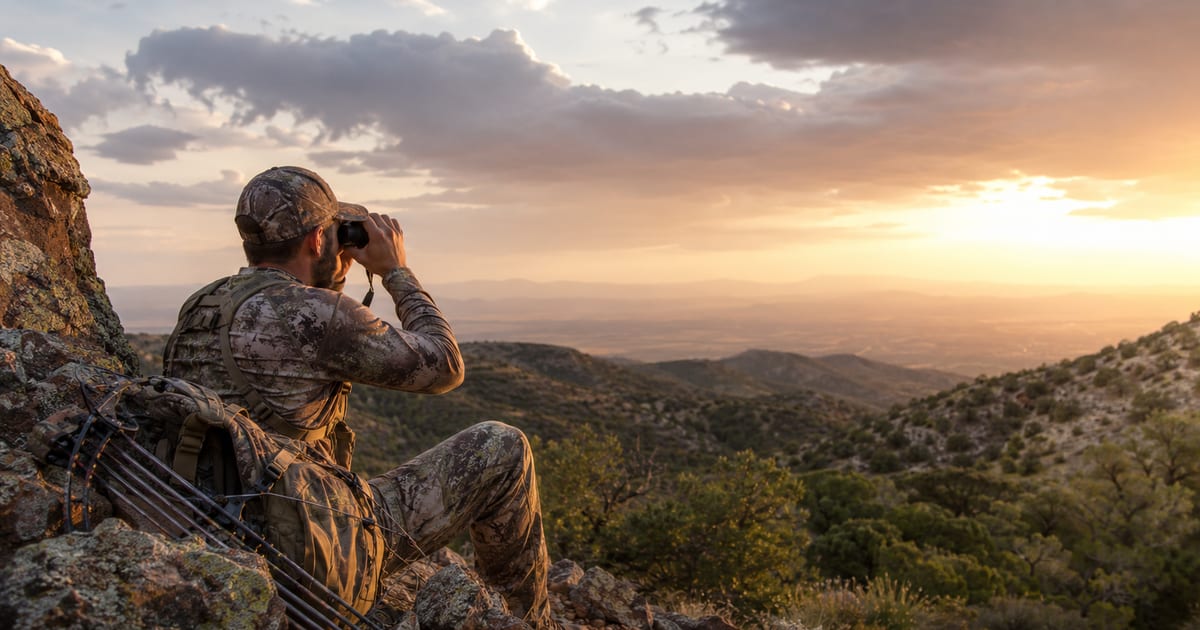
Arizona's OTC archery deer season opens August 21, 2026 — and units close the moment harvest limits fill. Here's every unit's limit, plus the best bets by real archery success rates.
Colorado OTC Elk in 2026: What Changed for Nonresidents
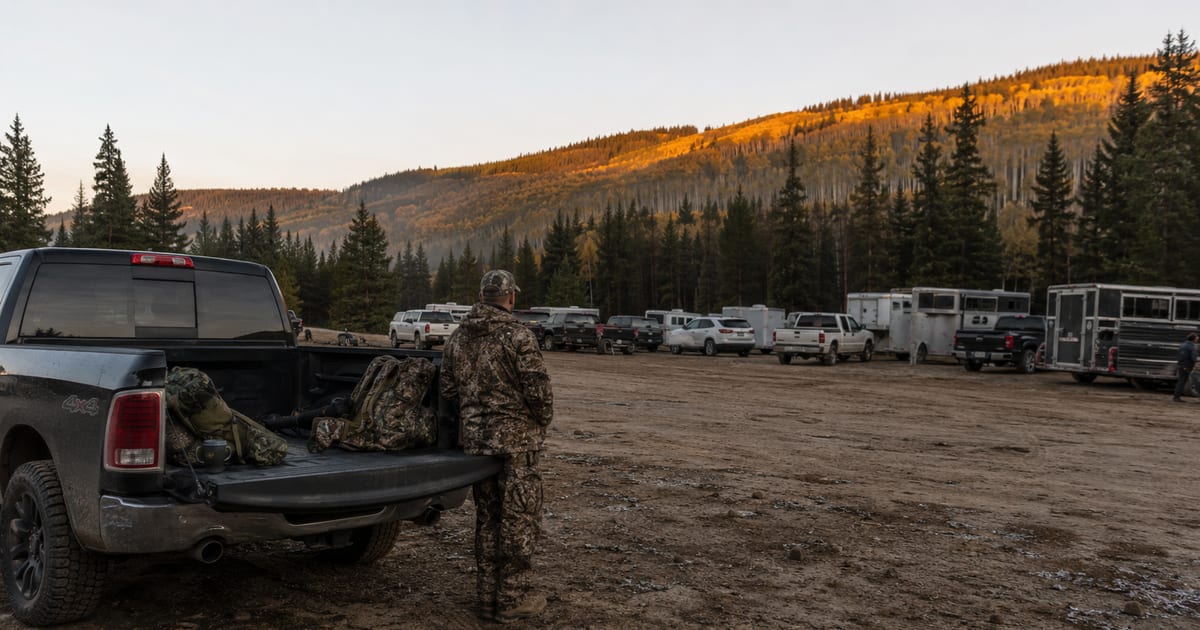
Colorado eliminated unlimited nonresident OTC archery elk west of I-25 for 2026 — and Gunnison rifle tags went draw-only. Here's exactly what's still on the shelf and how to hunt this fall anyway.
Colorado Reissue Licenses: How to Grab Returned Elk Tags
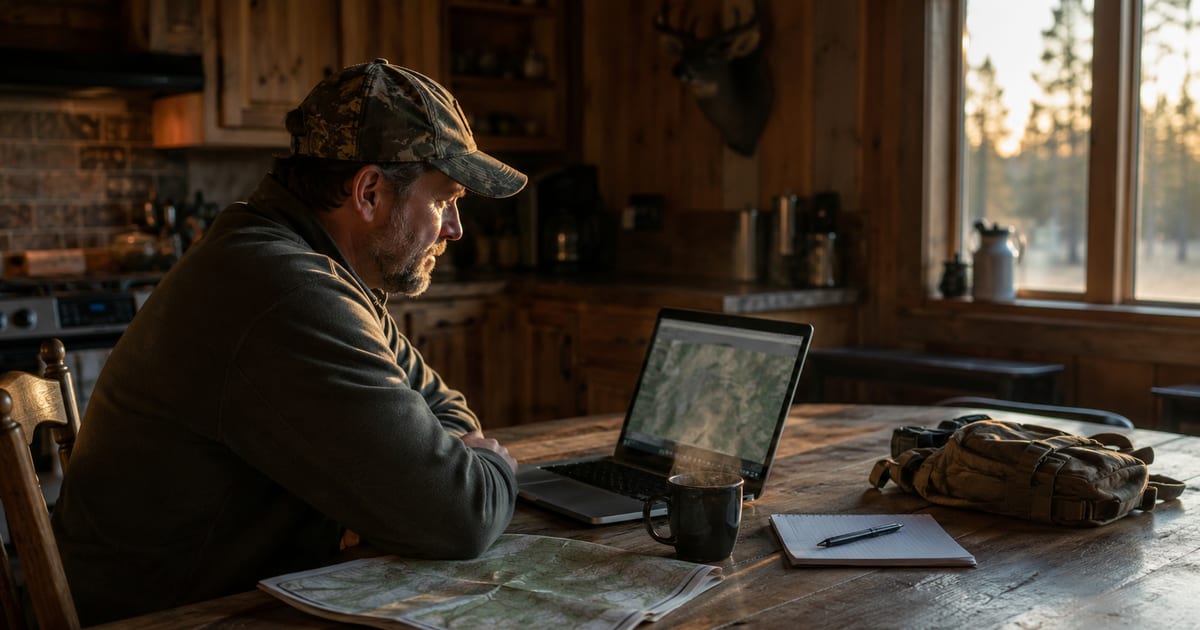
Every Wednesday through fall, CPW sells back surrendered limited licenses — including elk tags nonresidents can't get any other way in 2026. Here's the Tuesday-Wednesday ritual that actually lands one.
No comments yet. Be the first to share your experience!