Hunting with Kids: How to Make the First Hunt Stick
A practical guide to introducing kids to hunting — the right age, the right first hunt, gear that actually fits, and how to manage expectations so they want to come back.

The first hunt either hooks a kid for life or burns them out for good. There’s no neutral outcome. A miserable day — frozen, bored, carrying gear that doesn’t fit, watching an animal they couldn’t shoot at — is worse than staying home. The goal of that first trip isn’t a filled tag. It’s leaving the trailhead with a kid who’s already asking when they can go again.
Here’s how to set that up right.
When to Start
There’s a difference between observation trips and real hunts, and treating them the same is a mistake. Kids as young as 5 or 6 can go on glassing trips, ride along to check trail cameras, or sit in a ground blind with you. Those trips build the vocabulary — they learn what antlers look like at 400 yards, why you move slowly into the wind, what a fresh track means. None of that requires a firearm or a license.
The actual first hunt — where they carry a tag and make a shot decision — is a different calculation. Physically, most kids aren’t ready before 10. Mentally, some aren’t ready until 12 or 13. The threshold questions are simple: Can they handle a firearm safely without supervision lapsing? Do they understand shot placement and what killing an animal means? Can they sit still for two hours without a screen? If the answer to any of those is no, add another year of observation trips.
Check your state’s minimum age requirements early. Some states allow youth hunting as young as 8 with a mentored license, others hold the line at 12 or 14 for certain species. Don’t plan around an age that isn’t legal in your state.
Mentored Hunting Licenses
Most states offer a mentored or apprentice hunting license that lets kids hunt before completing a full hunter education course, as long as a licensed adult is within arm’s reach. It’s a great way to get one real season in before the formal certification process.
Choose the Right First Hunt
This is where most well-meaning hunting parents get it wrong. They plan the hunt they want — a backcountry elk trip, a remote mule deer unit, five days in the wilderness — and bring the kid along. That’s your hunt. Not theirs.
A kid’s first hunt needs three things: visible animals, manageable terrain, and a realistic shot at success. All three point to the same place: pronghorn on open sagebrush flats.
Pronghorn are the most underrated beginner hunt in the West. You can see them from the road. You don’t have to hike eight miles before legal shooting light. Spot-and-stalk on flat ground is physically achievable for a 10-year-old. Tags are often easier to draw for youth licenses. And when you get close — 200 yards on open ground — a kid who’s been to the range can make that shot. The whole hunt might be over by 9 AM. That’s a good thing.
Compare that to a first bull elk hunt: days without seeing animals, vertical terrain that grinds adults down, calling sequences that require patience and perfect stillness. That hunt is incredibly hard to execute well even for experienced hunters. For a kid on their first trip, it’s a setup for disappointment.
Mule deer are a solid second option on semi-open terrain. Elk can come later — once they’ve got a kill under their belt and know they want more of this.
Let Them Pick the Target
If you’ve spotted multiple animals, let your kid choose which one to stalk. That small decision creates ownership. They’re not just along for the ride — they’re driving. It changes the whole energy of the hunt.
Gear That Actually Fits
Adult gear on a small body doesn’t just look awkward — it creates real problems. A rifle that’s too long makes safe handling difficult and destroys accuracy. A pack with straps bottomed out at maximum adjustment will cut into shoulders and cause a kid to quit by noon.
Rifles: A youth-sized stock is worth getting right. For pronghorn or deer, a .243 Win or 6.5 Creedmoor in a youth profile shoots flat, kicks minimally, and is accurate enough for 200-yard shots. Have them shoulder it dry in the store. If they can’t reach the trigger without contorting their grip, it’s the wrong gun. A bipod or shooting sticks matters more for youth hunters than for adults — they need the rest.
Packs: 20 to 30 liters is right for a kid on a day hunt. Load it with no more than 15 pounds — snacks, water, extra layers, binos. The shoulder straps should sit on the actual shoulder, not riding up toward the ears. A pack that fits makes a kid more mobile and keeps them from associating hunting with physical misery.
Layering: Kids run cold faster than adults because they have less mass and they’re not working as hard. The parent who’s sweating through the stalk isn’t a reliable thermometer. Pack an extra mid-layer for them, and make sure their base layer is wool or synthetic — not cotton. Wet cotton at elevation in October has ended more than a few hunts early.
Shooting Sticks for Youth Hunters
A lightweight tripod shooting system like the Spartan Javelin or a simple Harris bipod for prone shots gives youth hunters a steady platform that compensates for lighter rifles and developing muscle control. Don’t skip this — a clean first-shot kill matters more than anything for keeping a kid engaged.
Managing Expectations on the First Hunt
Say this clearly, before you leave: “You might not shoot anything, and that’s okay. We’re here to hunt, and hunting sometimes means going home empty-handed.”
Then actually mean it. Kids read adults. If you’re visibly disappointed when they pass on a marginal shot or when an animal blows out at 400 yards, they feel it. They’ll either pressure themselves into a bad shot or start associating hunting with failing your expectations. Neither outcome is good.
The flip side is also true: don’t oversell the hunt. “We’re definitely going to see tons of animals” sets up a specific expectation that wildlife doesn’t always honor. Go in with “we’re going to try our best and see what happens,” and mean that too.
What you can control: the preparation, the gear, the glassing sessions, the time in the field. What you can’t control: the animals. Teach that distinction early, and your kid will handle the hard days a lot better.
Keeping Them Engaged Through the Hunt
Long glassing sessions are where a lot of kids mentally check out. Give them a job. Put the binos on them and ask what they see. Walk them through reading terrain — where would you hide if you were a deer? Why is that draw likely to hold animals at noon? What does a pronghorn silhouette look like at 600 yards versus a rock?
Scouting trips in the weeks before the hunt build investment. Pull up onX or a state hunting atlas together. Show them the drainage you’re planning to glass, the water source two miles in, the fence gap the animals are known to use. A kid who helped plan the hunt cares about executing it.
Calling — even if they’re not the one doing it — is engaging. An elk bugling back from 300 yards is a full-body experience that doesn’t require pulling a trigger to leave a mark.
After a Successful Kill
Handle this one carefully. A clean kill is a success and should feel like one, but don’t gloss over what just happened. Some kids are totally fine; others are surprised by their own emotional response. Both are normal.
Don’t rush to the field dressing. Give them a minute. Some families say a word over the animal. That’s not sentimental — it’s a way of acknowledging that something real just happened.
For field dressing, scale the involvement to the kid’s comfort level and age. A 10-year-old doesn’t need to be elbow-deep in a gut pile on their first hunt. Watching and handing tools is enough. By the third or fourth hunt, most kids want to be more involved. Let the process unfold naturally.
The pack-out is often the best part for kids — they’re carrying real weight, doing real work, and the whole experience becomes a physical story they can tell. Don’t minimize it. Make it feel like the accomplishment it is.
Firearms Safety First, Always
Before the first hunting trip, your kid should have completed a hunter education course — or be actively enrolled in one. Four-rules firearm safety should be automatic and ingrained before a single field day. If you’re doing a mentored hunt first, run through the rules explicitly every single morning.
Muzzle discipline, trigger discipline, and knowing what’s beyond the target aren’t things you review once and move on from. They’re habits you build through repetition until they’re reflexive. For young hunters, there’s no such thing as too many safety reminders. That’s not condescending — that’s how good habits form.
The first hunt that sticks is simple: the kid was treated like a capable person, given real gear that fit, saw animals, and came home feeling like they’d done something genuine. Everything else is secondary to that experience.
Next Step
Check Draw Odds for Your State
Tag-level draw odds across 9 western states — filter by species, unit, weapon, and points. Free to use.
Get the Insider Edge
Join hunters getting exclusive draw odds data, gear deals, and weekly hunt planning tips.
Related Articles
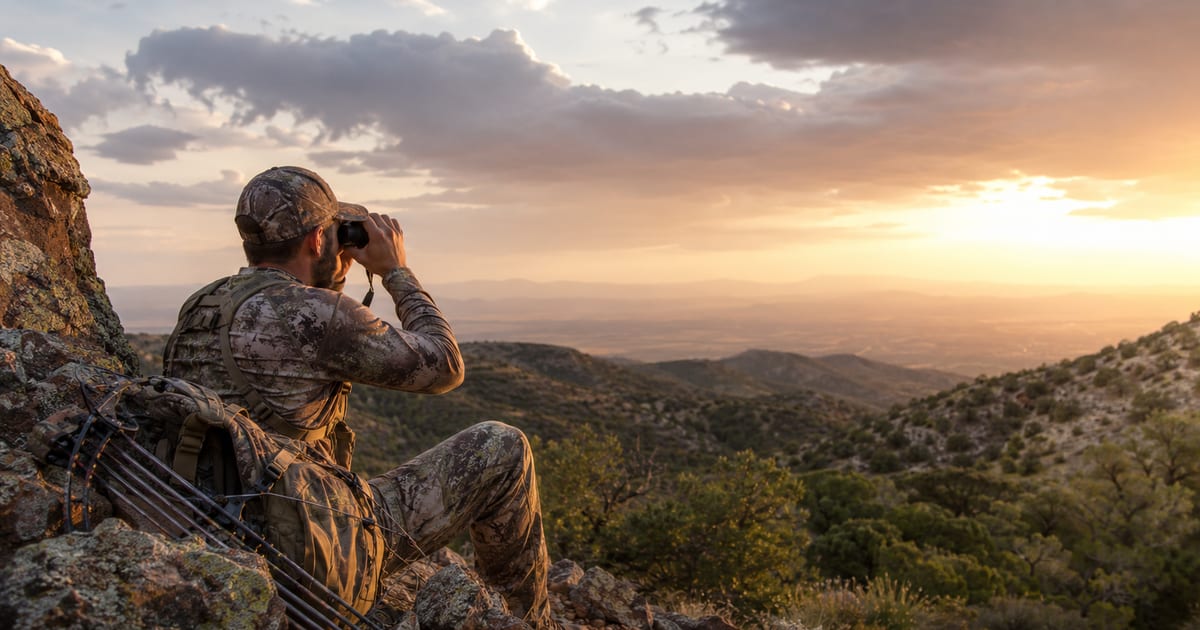
Arizona OTC Archery Deer 2026: Unit Limits and Closures
Arizona's OTC archery deer season opens August 21, 2026 — and units close the moment harvest limits fill. Here's every unit's limit, plus the best bets by real archery success rates.
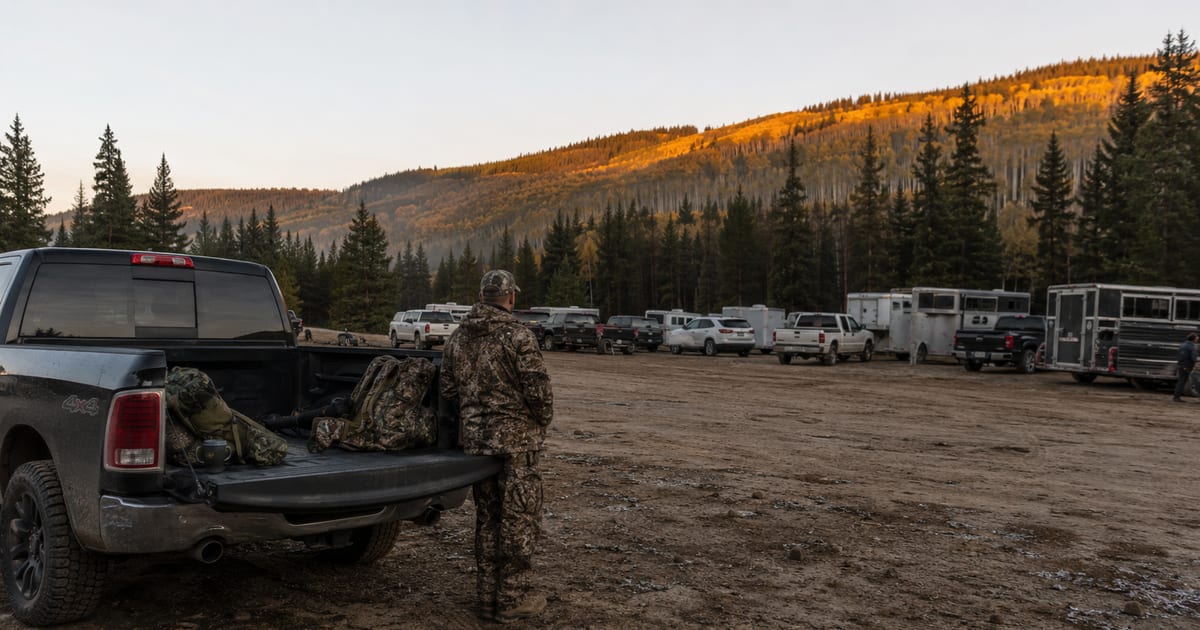
Colorado OTC Elk in 2026: What Changed for Nonresidents
Colorado eliminated unlimited nonresident OTC archery elk west of I-25 for 2026 — and Gunnison rifle tags went draw-only. Here's exactly what's still on the shelf and how to hunt this fall anyway.
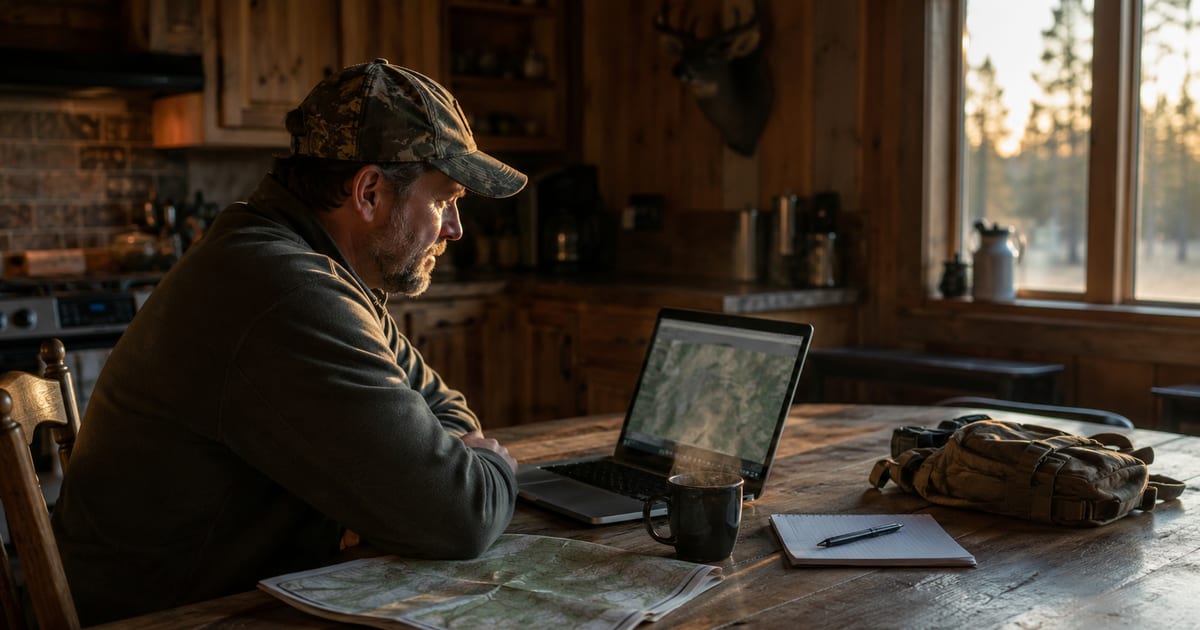
Colorado Reissue Licenses: How to Grab Returned Elk Tags
Every Wednesday through fall, CPW sells back surrendered limited licenses — including elk tags nonresidents can't get any other way in 2026. Here's the Tuesday-Wednesday ritual that actually lands one.
No comments yet. Be the first to share your experience!