Hunting in Rain and Fog: Why Bad Weather Makes for Good Hunting
Rain and fog aren't reasons to stay in camp — they're tactical advantages. How elk and mule deer behave in wet conditions, fog as a stalking tool, when weather is too severe to hunt, and what to wear for an all-day wet hunt in elk country.
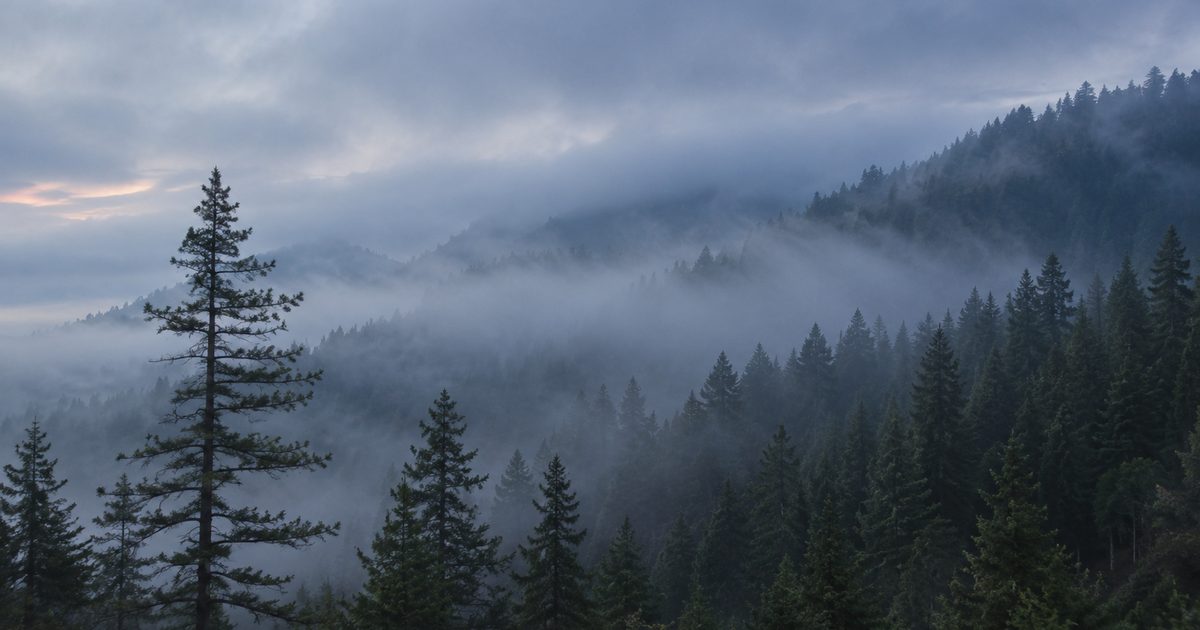
Most hunters look at a gray, dripping morning and think about staying in camp. That’s exactly why you should be pulling on your rain gear and heading out. The hunters who push through bad weather are the ones who find elk standing in openings they’d never touch on a calm bluebird morning, and deer working through timber at noon when they’d normally be bedded until dark.
Bad weather hunts aren’t comfortable. They’re often the most productive days of the season.
Why Human Activity Drops — And Animal Activity Rises
On the first clear day of elk season, every trail in a popular unit has boot prints. ATVs are running roads, hunters are glassing from high points, and pressure is maxed out. Animals pattern that pressure fast and go nocturnal or push into country that gets them away from human noise and scent.
A rainy morning hits the reset button. Casual hunters stay in. Road hunters don’t bother. Weekend warriors who drove four hours to be there are sitting in the truck looking at their phones. The woods go quiet in a way that doesn’t happen on nice days, and animals that have been pressured hard suddenly feel safe enough to feed in daylight.
That’s the first advantage. The second is what rain does to sound.
Wet ground, wet leaves, wet pine needles — all of it dampens the noise your approach makes. You can cover ground in rain that would be impossibly loud in dry conditions. A stalk across a hillside covered in dry oak leaves is a nightmare. The same hillside after a night of rain is nearly silent underfoot. The approach window that was 40 yards on a dry day opens up to 60 or 80 yards in wet conditions before an elk picks up your footsteps.
Start Moving When the Rain Starts
The first 20 minutes of a new rain event are often the most productive. Animals that have been bedded or holding tight will frequently start moving as conditions shift. Don’t wait it out — that’s the moment to be on your feet and covering ground.
How Elk Behave Differently in Rain
Elk are built for mountain weather. A steady light rain doesn’t bother them. What it does is change their feeding and movement behavior in ways that favor a patient hunter.
In dry conditions, elk feed in open meadows at first and last light, then push into dark timber during midday. Rain extends that window. Bulls that would normally be bedded by 9 a.m. are still on their feet at 10 or 11. Cows work through openings during midday hours that would be completely dead on clear days. The feeding timeline expands, and if you’re in the right location, you get more looks at animals in light you can actually shoot in.
Rain also affects elk’s alertness to distant sounds. A bull that would hear your footsteps at 100 yards on a calm dry morning has that advantage reduced by steady rainfall. Wind-driven rain affects scent dispersal in ways that can work in your favor — scent doesn’t hang and pool the way it does in calm air. It gets pushed, diluted, and dispersed differently. That doesn’t mean you can ignore wind direction, but it changes the equation.
Bulls that have been rut-pressured and call-shy often become more responsive during rain. When everything else goes quiet, a soft cow call carries differently. Some of the best close-range calling encounters happen during steady rain — something about the ambient sound seems to make bulls less cautious about committing.
Mule Deer in Rain and Fog
Mule deer are less dramatically affected by rain than elk, but the same principles apply. Bucks that have been avoiding open terrain during hunting pressure will move through exposed country during rain in ways they simply won’t on bluebird days.
Fog is the bigger tactical variable for mule deer. A heavy morning fog over a basin changes your visibility, obviously — but it also changes theirs. A 200-inch mule deer buck standing at 400 yards has one distinct advantage: he can see you coming from a long way off, and he’ll leave before you’re ever close enough to matter. Fog collapses that advantage. His visual range drops to the same 100 to 150 yards yours does, and that gap is a lot easier to close on a stalk.
Fog also breaks up your silhouette. On a clear day, the human outline is recognizable to prey animals at distance even without movement. Fog softens edges and makes a figure at 150 yards less distinctly human-shaped. That buys time on a stalk.
Don't Let Fog Make You Overconfident
Fog cuts visibility both ways. It’s easier to close distance — but it’s also easier to blunder into a deer’s immediate space before you realize it. Move slowly in heavy fog, glass short distances frequently, and be ready to shoot quickly if an animal materializes inside your safety margin.
When Weather Is Too Severe to Hunt Effectively
There’s bad weather that helps, and there’s weather that shuts everything down. Knowing the difference matters.
Heavy driving rain — the kind that comes in sideways and makes visibility difficult even with good optics — moves animals into the densest available cover, where they’ll stay until it stops. Hunting hard driving rain is usually just misery without reward. Bulls that would be moving in a moderate drizzle are bedded tight in the timber, not coming out for anything.
Electrical storms should clear the field entirely, not just for animals but for you. Being above treeline or on an open ridge during lightning is genuinely dangerous. This isn’t a risk worth taking. Get to lower elevation and timber, wait it out, and come back when the storm passes.
Wind above 25 mph is the real deal-breaker for most hunting scenarios. Animals don’t like it. They feel vulnerable because their primary sensory tools — ears and nose — are overwhelmed by noise and swirling air currents. Elk and deer push into thick timber and bed until wind calms down. You won’t call a bull out in 30-mph winds no matter how perfectly you execute. High wind days are best used for scouting, glassing from sheltered vantage points, and covering ground to find new areas rather than hunting specific setups.
A steady 10-15 mph rain with calm to light winds? That’s the money day. Pull on your best rain gear and move.
Gear Protection in Wet Conditions
Wet hunting creates gear problems that can get serious fast if you’re not prepared.
Optics fogging is the most common frustration. The outside of your scope or binocular lenses gets wet, then you fog them up wiping them down, then they’re useless. Keep a clean microfiber cloth inside a sealed bag in your chest pocket. Wipe in one direction, not circles. A quality scope with nitrogen purging won’t fog internally, but the external lenses still need maintenance. Lens covers that you can flip up with one hand are worth having.
Water in a rifle action is a real problem during heavy rain over multiple days. Modern bolt rifles with stainless or coated finishes hold up well, but wood stocks can shift zero as they absorb moisture. Synthetic stocks are strongly preferred for serious wet-weather hunting. Keep the muzzle down when moving through heavy precipitation, and run a dry patch through the bore each morning.
Bow strings absorb moisture and lose speed and consistency. Wax your string before a wet hunt, not after. A string in poor condition on a wet morning will shoot differently than it did in dry practice conditions, and that’s a problem when an elk is at 35 yards.
Rangefinders are often not fully waterproof despite marketing claims. Treat them carefully in heavy rain, keep them inside your jacket when not actively using them, and check your manufacturer’s actual IP rating rather than assuming they’re waterproof because they’re meant for field use.
Rain Gear Worth the Investment
For a full day in elk country, a two-layer Gore-Tex or equivalent breathable waterproof jacket and pants are worth every dollar over cheap alternatives. You won’t stay dry in a $40 rain poncho after hour four of a wet stalk. Sitka, Kuiu, and First Lite all make legitimate all-day wet weather systems — treat it as a one-time gear investment, not an annual replacement.
Scent Discipline When Everything Smells Different
Rain changes the scent environment in ways most hunters don’t think about carefully enough. The earth smells different, the vegetation smells different, and the air carries scent differently than it does in calm dry conditions.
Your baseline assumption should stay the same: wind direction determines your approach angle, period. Rain doesn’t give you a pass on scent discipline. What it does is change how scent disperses once it leaves your body.
In dry calm conditions, your scent cone is relatively predictable — it follows the wind in a fairly consistent pattern. In rain, especially with variable or gusty conditions, scent gets pushed down by falling rain, scattered by the turbulence associated with rain fronts, and dispersed more quickly. This can actually help you on a stalk because your scent doesn’t hang in a specific spot as persistently. But a bull that gets a direct hit of your scent in rain will spook just as hard as one that smells you on a calm day.
Wet clothes also carry scent differently. If you’ve been sweating hard under rain gear, you’ll smell more strongly when you stop moving and cooling down than you would in dry conditions. Take that into account on still-hunt approaches — if you’ve been moving fast to close distance, give yourself a few minutes of cool-down time before your final approach.
What to Wear for an All-Day Wet Hunt
This is more tactical than it sounds. Getting wet and getting cold in the mountains is a problem that builds slowly — you’re often two to three miles from camp when your gear fails.
Start with a wool or synthetic merino base layer. Cotton kills in wet conditions, full stop — it holds moisture against your skin and robs heat. Merino stays warm when wet and dries faster than any other natural fiber.
Mid-layer needs to be compressible enough to stuff in your pack when you warm up on a climb, and insulating enough to put back on during a cold glassing session. A lightweight synthetic puffy or a fleece pullover covers that role well.
Your outer shell should be fully seam-sealed and waterproof-breathable — not water-resistant. Water-resistant shells wet out after two hours of steady rain. Fully waterproof breathable shells stay dry from the outside while letting moisture escape from the inside. That difference matters enormously on a six-hour wet stalk.
Gaiters keep debris and rain runoff out of your boots on sidehills and thick brush. They’re underrated for wet hunting and make a real difference in keeping your feet dry when everything else is soaked.
Keep a dry pair of insulated gloves in a sealed bag in your pack. Wet gloves on a scope or a trigger are both miserable and tactically slow. The dry pair comes out when conditions deteriorate enough to need them.
Never Leave Camp Without Rain Gear
Weather in mountain country can shift faster than a forecast suggests. Even if it looks clear when you leave camp, carry your full rain kit every single day. The hunters who get caught unprepared in a sudden storm are the ones who left their rain gear in camp because the morning looked fine.
The hunters who fill tags consistently in the West are the ones who understand that a weather forecast isn’t a hunting forecast. Some of the best elk in units that receive heavy pressure are walking around in the rain right now, moving through openings no one is watching. Bad weather days are earned days. Get out there.
Next Step
Check Draw Odds for Your State
Tag-level draw odds across 9 western states — filter by species, unit, weapon, and points. Free to use.
Get the Insider Edge
Join hunters getting exclusive draw odds data, gear deals, and weekly hunt planning tips.
Related Articles

Arizona Elk Calling: September Archery
September archery elk in Arizona means calling. Here's the practical guide to bugles, cow calls, and the timing that produces bulls.
Arizona Hound Hunting Regulations Guide
Arizona hound hunting for bear and lion requires specific permits and tags. Here's the complete regulatory guide for 2026.

Arizona Shed Hunting: Rules & Season Guide
Arizona has specific rules on shed antler collecting. Here's the complete guide to the season, the ethics, and the most productive areas.
No comments yet. Be the first to share your experience!