Deer Stand Placement: Finding the Right Tree Every Time
Master deer stand placement with strategies for pinch points, funnels, rub lines, scrapes, entry/exit routes, wind thermals, and seasonal movement patterns.
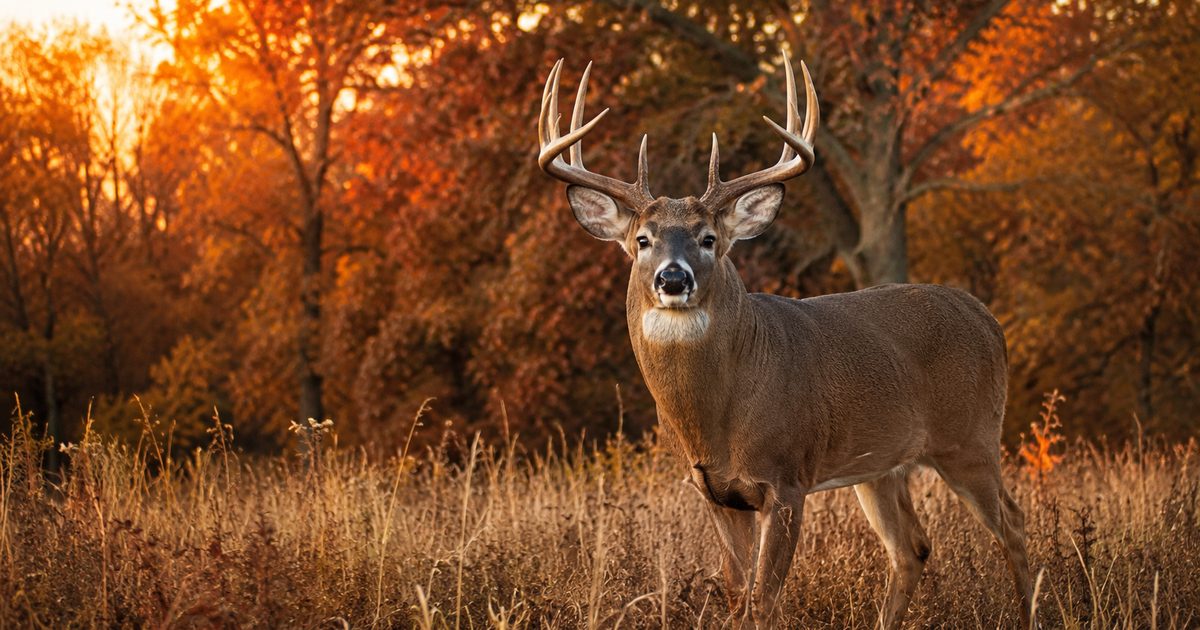
Picking a tree is easy. Picking the right tree — the one where a mature buck will step into the open at 25 yards with the wind in your face — takes a completely different skill set. Stand placement is arguably the single biggest factor separating consistent whitetail hunters from those who spend season after season watching squirrels. We’re going to break down exactly how we approach it, from satellite scouting all the way to hanging the stand.
Start With Digital Scouting
Before we ever lace up a boot, we spend serious time on OnX Hunt or Spartan Forge. Satellite imagery reveals terrain features, habitat edges, and travel corridors that would take days to find on foot. We’re looking for:
- Terrain pinches — anywhere the landscape squeezes deer movement into a narrow band
- Field corners and ag edges — evening food destination stands
- Drainage fingers running into hardwood flats — classic funnel and bedding travel routes
- South-facing slopes — thermal advantages in cold weather, preferred bedding on mild days
- Timber cuts and clear-edge transitions — early-season food and staging areas
Mark five to ten candidate locations on your map before stepping onto the property — this saves time and limits scent intrusion from aimless wandering.
Boots on the Ground: Reading Sign
Digital scouting narrows the field; boots on the ground confirm it. During late winter and early spring, deer sign is at peak visibility. Snow is gone, leaves are down, and you can walk an entire ridge system in a morning.
What we’re reading:
Rub lines — Individual rubs mean a buck passed through. A rub line — multiple rubs spaced 50 to 100 yards apart, all on the same side of trees — is a directional travel route used repeatedly. Rubs on large-diameter trees (4+ inches) indicate mature bucks. Hang your stand 30 to 40 yards off a confirmed rub line so the buck is broadside or quartering away as he passes.
Scrape lines — Scrapes are a pre-rut and rut inventory tool for bucks. A cluster of fresh scrapes with an overhanging licking branch tells you where a buck is checking does and leaving his calling card. Mock scrapes set near confirmed natural scrapes can redirect traffic closer to your stand.
Trails — Not all trails are equal. A worn, hoof-punched trail through soft ground with fresh tracks beats a faint single-file path every time. Look for convergence points where two or more trails merge — deer funnel naturally through those nodes.
Pro Tip
Post-season scouting (January–February) is the best time to identify rub lines and scrape locations. Sign is still fresh from the prior season, and your intrusion now won’t affect fall deer behavior. Mark everything in OnX so the data is there when planning opens in August.
Funnels vs. Pinch Points: Know the Difference
These terms get used interchangeably, but they describe different things.
A funnel channels deer from one area to another — a narrow timber strip connecting two woodlots, a creek bottom cutting through open field, or a ridge saddle between two hills. Deer use funnels because they offer cover and the path of least resistance.
A pinch point is the tightest part of a funnel — where deer have almost no choice but to pass through a specific spot. A 30-yard gap between a lake and a fence line is a pinch point. So is a saddle between two steep ridges. Pinch points are the money locations for all-day rut sits, because any buck cruising does through that funnel will walk through your shooting lane.
We prioritize pinch points for rut hunting and broader funnel stands for early-season and late-season pattern work.
Bedding-to-Feeding Routes and Stand Timing
Whitetails operate on a bedding-to-feeding loop. Understanding that loop determines whether a morning or afternoon stand makes more sense.
Afternoon stands intercept deer moving from bedding to food. These work best positioned between 100 and 200 yards off the bedding area, close enough to catch deer before last light, far enough back that you don’t blow deer out of bed on the walk in.
Morning stands intercept deer returning from feeding to bed. These require stands positioned closer to the bedding area — and they demand near-perfect wind and extremely careful entry routes. A bumbled morning entry can pressure deer off a bedding area for days.
Buck bedding and doe family group bedding require separate consideration. Doe groups tend to bed in predictable locations — thick draws, cedar tangles, marsh edges. Mature bucks bed differently: high on ridges with a downwind nose covering their back trail, or in isolated pockets that see almost no human pressure. A buck’s bedroom is almost always within 200 yards of a terrain feature he can use to scent-check a doe bedding area without exposing himself.
Important
We map buck bedding candidates by identifying south-facing benches and secondary ridge points on topographic overlays in OnX. These spots let a buck bed with sun on his back, watch downhill visually, and let thermals carry doe scent up from the valley. They rarely look like “classic” deer habitat but produce consistent big-buck encounters.
Wind, Thermals, and Entry/Exit
Ignoring thermals is one of the most common stand-placement mistakes. Even with a steady wind, thermals follow a predictable daily cycle: air cools and falls downhill in the morning, warms and rises in the afternoon. A stand that’s perfect at 2 p.m. may be a scent disaster at 7 a.m. if you’re hunting a valley bottom.
Morning thermals demand stands positioned on high ground or mid-slope where thermals pull scent away from deer below. Afternoon thermals push scent down, so flat-terrain and bottom-land stands become more viable.
Entry and exit routes are just as critical as the stand location itself. The best stand in the county is worthless if you blow deer out reaching it. We plan two-route systems: a clean entry route that keeps us out of bedding areas and away from feeding areas, and an exit route that accounts for where deer will be at the end of the sit. Walking out through a staging field at 9 p.m. is silent and scent-free; walking through a beded bedding area does permanent damage.
Warning
Never cut directly through known bedding areas on the way to or from your stand. Even a single intrusion mid-season can push a mature buck out of a core area for the rest of the season. Plan your access routes in August before the season starts, and stick to them.
Stand Height: How High Is High Enough
The general best-practice range is 15 to 25 feet. Here’s how we calibrate that:
- Open timber with good sightlines — 17 to 20 feet is plenty; going higher reduces your effective shooting angle.
- Dense cover or brush — 22 to 25 feet gets you above the visual noise and reduces the chance deer look directly at you.
- Terrain with steep slopes above your stand — stay lower, since you’re already naturally concealed by the hillside behind you.
Height helps with scent dispersal too. At 20+ feet, thermals carry your scent above deer rather than directly into their noses on light winds. That said, no amount of height eliminates poor wind choice — height reduces risk, it doesn’t eliminate it.
Always use a safety harness and lineman’s belt from the moment you leave the ground. Every time.
Seasonal Stand Adjustments
Stand locations that produce in October rarely produce in November. We run three distinct stand categories for whitetails:
Early Season (September–mid-October): Food-source stands. Soft mast (acorns, apples), standing beans or corn, and food plots. Position downwind of the preferred food source with clear shooting lanes into staging cover. These stands live and die by summer scouting — the food source that pulled deer in July may be gone by October.
Pre-Rut and Rut (late October–mid-November): Funnel, pinch point, and rub/scrape-line stands. Bucks abandon food-based patterns and begin covering ground looking for does. All-day sits become worthwhile. This is when the terrain-based stands we identified in the off-season pay off. Lock onto doe family group travel corridors — bucks will find them.
Late Season (late November–January): Back to food. Deer are calorie-starved and will push through pressure to reach high-energy sources. Late-season brassica plots, standing corn, and south-facing browse are the targets. Hunt afternoons, position tight to the food source, and wait for cold snaps — movement spikes hard when temperatures drop.
Frequently Asked Questions
How far from a bedding area should I hang a morning stand?
We aim for 80 to 150 yards from the edge of confirmed bedding cover. Any closer and you risk bumping deer before you’re settled in the stand. Any farther and deer may reach their beds before first legal light. The exact distance depends on terrain — a stand on a ridge overlooking a bedding draw can be much closer than one on flat ground.
Can I hang multiple stands in the same funnel?
Yes, and we recommend it. A single funnel or pinch point may have four or five viable stand trees depending on wind direction. Hanging stands for northwest, south, and northeast winds lets you hunt the same high-value location throughout the season without burning it on a bad-wind day.
How often should I rotate between stands?
Our general rule is no more than two sits in the same stand before giving it three to four days of rest. Mature bucks pattern hunters faster than hunters pattern deer. The exception is during peak rut — a prime pinch-point stand can be hunted daily since buck movement is largely unpredictable and wind-driven scent pressure matters more than over-hunting a single tree.
Does hang-and-hunt work, or should I always pre-hang stands?
Both approaches have a place. Pre-hung stands give you the cleanest entry, minimal intrusion, and time to clear shooting lanes. Hang-and-hunt with a climber is valuable for responding to fresh sign — a new rub concentration or scrape line found opening week. The key is having mobility equipment ready and knowing how to set up quietly.
For how to use these locations during the peak rut, see our whitetail rut hunting tactics guide.
Next Step
Check Draw Odds for Your State
Tag-level draw odds across 9 western states — filter by species, unit, weapon, and points. Free to use.
Get the Insider Edge
Join hunters getting exclusive draw odds data, gear deals, and weekly hunt planning tips.
Related Articles

Arizona Elk Calling: September Archery
September archery elk in Arizona means calling. Here's the practical guide to bugles, cow calls, and the timing that produces bulls.
Arizona Hound Hunting Regulations Guide
Arizona hound hunting for bear and lion requires specific permits and tags. Here's the complete regulatory guide for 2026.

Arizona Shed Hunting: Rules & Season Guide
Arizona has specific rules on shed antler collecting. Here's the complete guide to the season, the ethics, and the most productive areas.
No comments yet. Be the first to share your experience!