Hunting in High Wind: When to Hunt, When to Wait, and How to Adapt
High wind changes everything — how deer and elk behave, where your scent goes, and whether your stalk has any chance of working. Here's how to read the wind and decide when to stay in your tent.
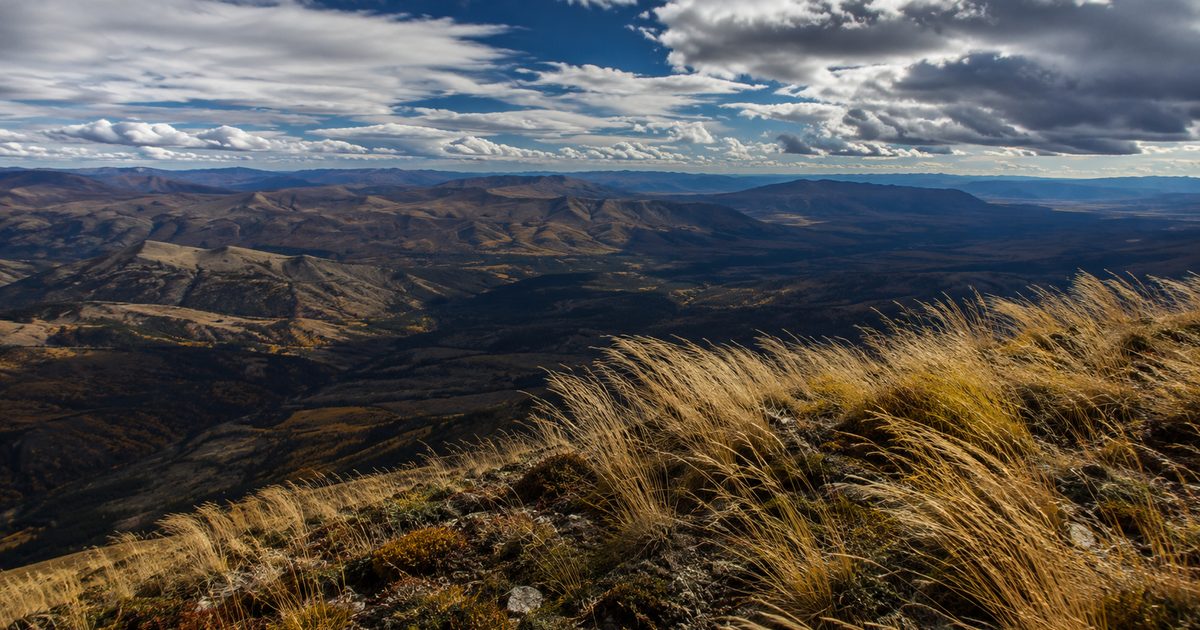
Wind above 20 mph is not hunting weather. That’s the conventional wisdom, and it’s mostly right — but the full picture is more useful than a blanket rule. Wind doesn’t affect all species the same way. It doesn’t affect all hunting styles equally. And it doesn’t affect early morning and midday the same way.
Understanding what wind actually does to game behavior — and to your ability to hunt effectively — lets you make real decisions instead of just waiting for a calm day that may never arrive in October.
Why Big Game Hates Sustained High Wind
Deer and elk navigate the world primarily through sound and smell. When the wind is howling at 20 to 30 mph, both senses are compromised. The constant noise of wind moving through trees, grass, and brush creates an overwhelming auditory background that masks the sounds a predator makes moving through cover. A deer can’t hear a coyote approaching from downwind. An elk can’t hear a hunter’s footsteps on a rocky approach. That sensory deprivation makes prey animals nervous, and nervous prey animals don’t move.
Research on deer behavior during high-wind days consistently shows reduced daytime movement — fewer camera hits, fewer field sightings, smaller home range traversal. It’s not that deer disappear. They bed down early, stay bedded longer, and tend to choose protected, sheltered locations where the wind is broken by terrain or timber. A bull elk that would normally cover three miles during his morning rut circuit might stay bedded in a dark timber pocket until the wind drops.
The pattern is almost universal: sustained wind above 15 to 20 mph dampens big game movement significantly. Above 25 mph, you’re often looking at near-zero daytime activity from deer and elk. They’ve simply decided the risk of moving without full sensory capacity isn’t worth it.
The 25 MPH Threshold
Sustained gusts above 25 mph are rarely worth hunting for deer and elk. Animals bed early and don’t move, your precision for shooting deteriorates, and stalking becomes nearly impossible. Use those days for scouting from above, camp organization, or rest.
The Exception: Elk in the Rut
Elk during the rut — roughly mid-September through early October — are the one consistent exception to the “don’t hunt wind” rule. A fired-up bull in the peak rut will respond to calls even in moderate wind. His testosterone is running the show, not his survival instincts.
That said, “moderate” is the key word. A 10 to 15 mph steady wind during the rut? You can absolutely call elk effectively. Variable gusts hitting 25 mph? The calling becomes unpredictable. Bulls that are still rut-active will sometimes charge calls even in sloppy wind conditions, but they’re also more erratic — more likely to hang up, more likely to circle for a scent check that cuts off their approach, more likely to spook at your position when a gust swirls behind you.
In rutting elk country, wind above 20 mph means you need to change your setup geometry constantly. Get out of drainages where thermals swirl. Hunt ridgelines and open parks where the wind is at least consistent in direction, even if strong. A predictable 20 mph wind is more manageable than a 10 mph wind that reverses every three minutes.
Glassing in Wind: When It’s Actually an Asset
Here’s something most hunters don’t consider: a windy day is often a productive glassing day. When you’re glassing a ridge or basin from an elevated vantage point, you’re above the erratic ground-level thermals. The wind at your position is more consistent and carries your scent away from the country you’re glassing. You’re not moving through the terrain — you’re observing it.
Game that’s bedded down in wind doesn’t disappear. It beds in predictable spots: sheltered draws, timbered benches protected from the prevailing wind direction, the lee side of ridgelines. A few hours of systematic glassing on a high-wind day will show you exactly where elk and deer bed when the weather turns. That knowledge is worth more than the hunting day you lost — you’ve just scouted a pattern that applies every time the wind comes up.
Glass the Lee Side First
On windy days, start your glass on the protected, downwind side of terrain features. Ridgelines, draws, and timbered benches facing away from the prevailing wind hold far more bedded animals than exposed hillsides on high-wind days.
Pronghorn Are Different
Pronghorn are the outlier in this discussion. They live on open terrain without the timber cover that deer and elk use for wind protection. They can’t bed in sheltered draws the same way. Their primary survival sense is vision — not smell, not hearing. A pronghorn in a wide-open basin on a 30 mph day is still operating near full sensory capacity because his eyes work fine regardless of wind speed.
This means spot-and-stalk pronghorn hunting in high wind is actually workable, sometimes better than calm conditions. The wind covers your noise. The animals aren’t as displaced from their normal range because they can’t retreat to timber. Your scent disperses quickly rather than hanging in calm air and flagging your approach.
The challenge with stalking pronghorn in high wind is that their vision is exceptional — roughly 8x magnification equivalent — and they scan constantly. Cover your approach using terrain rather than relying on noise suppression. A stalk that keeps you below a rise, a wash, or a contour line will succeed far more often than one that relies on noise cover alone.
Stalking Deer and Elk in Wind: The Noise Advantage
Brush noise is the biggest giveaway on a still-hunting approach. Every branch you brush, every dry leaf under your boot, every twig that snaps — animals hear it. In a 15 mph wind, moving vegetation creates enough ambient noise to mask most footfalls and brush contact. This is the one genuine hunting advantage wind provides for deer and elk hunters.
Still-hunting through dense cover on a windy day is the most productive application of this advantage. Move during gusts. Stop when the wind drops. Time your steps to the noise of moving branches. Deer bedded in downwind timber on a windy day aren’t moving, but they can be stalked into at surprisingly close range if you let the wind’s noise work for you.
This only works if your scent is managed. The wind covering your sound does you no good if your scent is drifting straight to the animal’s nose. You need both: noise cover from the wind and scent carry away from the animal. That combination happens when you’re stalking with the wind in your face or quartering into the wind. Cross-wind approaches are the next best option. Any time the wind is even slightly at your back, stop and reassess.
Variable Gusts Are the Worst Stalking Condition
A steady 15 mph wind is manageable. Gusts that swing from 5 to 25 mph and change direction unpredictably are nearly impossible to stalk in. Your scent direction changes faster than you can reposition. If the wind is gusty and swirling, don’t stalk — glass and wait for a better window.
Reading Ground-Level Thermals vs. Upper-Air Wind
What you feel on your face and what’s carrying your scent to an animal 300 yards away are often different things. Upper-air wind direction and ground-level thermals frequently diverge, especially in mountain terrain.
The standard tools for checking wind — a puff of fine powder, a small piece of thread, watching smoke — show you what the wind is doing at your exact location. But an elk bedded in a canyon bottom 400 yards downslope may be in a completely different thermal regime. Cool air draining down-canyon in the early morning can be carrying your scent directly to that animal even while your wind check at the ridgeline shows a cross-breeze.
Learn the thermal cycle in your hunting country:
- Dawn to mid-morning: Cool air drains downhill. Thermals move down-canyon.
- Mid-morning to early afternoon: Sun heats slopes, thermals begin rising.
- Afternoon: Thermals pull uphill consistently.
- Evening: Temperatures drop, thermals reverse and drain downhill again.
In steep canyon country, this cycle can be compressed and erratic. Glassing from above in the morning lets you hunt with downhill thermals pulling your scent away from animals below. Approaching from below in the afternoon lets rising thermals carry your scent uphill, away from bedded elk on benches above you. Work with the thermal cycle, not against it.
When to Stay in Your Tent
The decision to not hunt is harder than it sounds. Tags are expensive. Days are limited. Sitting in a tent while shooting light passes feels like waste.
But sustained high wind with unpredictable direction isn’t just unproductive — it’s actively counterproductive. Animals are educated by encounters with hunters. A bull that smells you and blows out of a drainage on a bad-wind day is now a hunter-pressured bull in the days that follow. You’ve spent a hunting-day credit and made your future hunting harder.
The rule that holds up: if wind is sustained above 25 mph and swirling erratically, stay off the mountain. Glass from a vehicle if you can access a good vantage point. Organize gear. Eat a real meal. Rest your legs. Come back tomorrow when conditions let you hunt with precision rather than just stumbling around hoping for luck.
Wind Speed Tools in the Field
A basic anemometer app on your phone isn’t accurate enough for hunting decisions — phone sensors don’t measure wind well. A dedicated handheld anemometer (Kestrel makes the most popular hunting models) gives you real wind speed and direction data, plus temperature and humidity. It’s worth the $50 to $100 investment.
The Steady Wind Advantage
A steady 10 to 15 mph wind is actually good hunting weather. Animals move slightly less than on calm days, but their behavior is still relatively normal. More importantly, your scent control is easier. A consistent wind direction means you can position with confidence. You know where your scent is going. The approach lines that work are clear.
The worst wind condition for hunting isn’t high wind — it’s unpredictable, variable wind in the 5 to 15 mph range. It’s strong enough to occasionally carry your scent and create random noise, but not consistent enough to give you a reliable scent direction. Deer and elk stay alert and active in those conditions, which sounds good, but it means your scent management is constantly unreliable.
If you have a choice between hunting in calm air, hunting in a steady 12 mph breeze, and hunting in variable gusts between 5 and 20 mph — hunt the steady breeze. You’ll make fewer mistakes and the animals are predictable enough to hunt effectively.
Wind is part of the game in western elk and deer country. It’s rarely an excuse to stay home entirely. Read it, use it where it helps you, and back off when it’s working against you — that discipline separates hunters who fill tags consistently from the ones who always seem to have bad luck with weather.
Next Step
Check Draw Odds for Your State
Tag-level draw odds across 9 western states — filter by species, unit, weapon, and points. Free to use.
Get the Insider Edge
Join hunters getting exclusive draw odds data, gear deals, and weekly hunt planning tips.
Related Articles

Arizona Elk Calling: September Archery
September archery elk in Arizona means calling. Here's the practical guide to bugles, cow calls, and the timing that produces bulls.
Arizona Hound Hunting Regulations Guide
Arizona hound hunting for bear and lion requires specific permits and tags. Here's the complete regulatory guide for 2026.

Arizona Shed Hunting: Rules & Season Guide
Arizona has specific rules on shed antler collecting. Here's the complete guide to the season, the ethics, and the most productive areas.
No comments yet. Be the first to share your experience!