Hunting for Beginners: Your Complete First-Year Roadmap
Complete hunting beginner's guide — the right path into hunting as an adult beginner, hunter education, choosing your first species, gear minimums, finding public land, understanding regulations, your first season expectations, and resources that actually help.
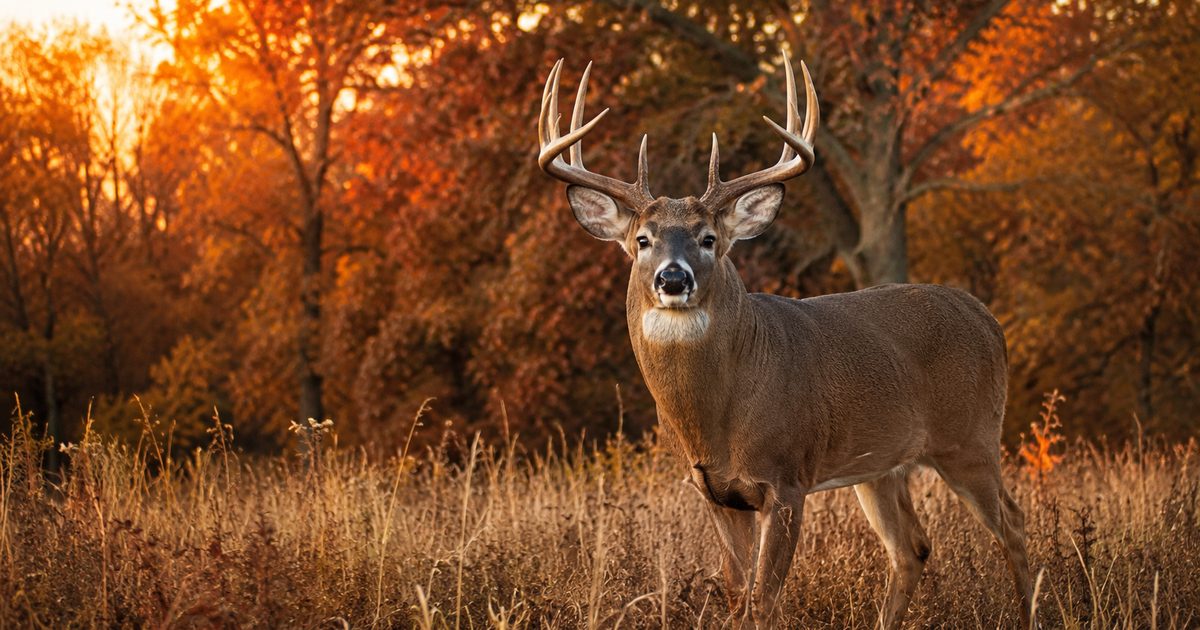
Starting hunting as an adult is more common than most people realize, and the path in has never been more accessible. We see it constantly — someone grew up in the suburbs, got curious after a hunting trip with a friend, or just decided they wanted a more direct relationship with the food they eat. Whatever brought you here, the process of becoming a hunter follows a clear sequence. This guide walks you through every step. If you eventually want to pursue western big game, understanding the draw odds engine early puts you years ahead — preference points accumulate from the first year you apply, even before you are ready to hunt.
Why Adults Take Up Hunting
The motivations vary widely. Some people come for the meat — a freezer full of wild venison is a compelling reason on its own. Others want time in the field away from screens, something physical and purposeful. Many are drawn to the conservation aspect: hunters are the primary funding source for wildlife management in the United States through the Federal Aid in Wildlife Restoration Act (the Pittman-Robertson tax on firearms and ammunition). And some simply grew up around it and are finally finding the time.
Whatever your reason, one thing is consistent across adult beginners: the learning curve feels steep at first and flattens fast. Most people who get through their first season — even without killing anything — come back the following year with more knowledge and more confidence.
Important
Adult-onset hunters make up a growing share of new license buyers. State game agencies have noticed and many now offer specific mentored hunting programs, apprentice licenses, and adult hunter education courses designed for people who didn’t grow up in the sport.
Step 1: Hunter Education
Hunter education is legally required in all 50 states before you can purchase a hunting license as a first-time hunter. This is not optional and there are no workarounds, but it is also not the barrier it might sound like.
Most states now offer a hybrid course format: you complete the classroom portion online at your own pace (typically 8–12 hours of content) and then attend a single field day in person, usually on a Saturday morning, where you handle firearms safely, demonstrate what you learned, and receive your certificate of completion. The full course is free or very low cost — many states charge nothing, and the most expensive we have seen is around $25.
The content covers four main areas: firearm safety, wildlife identification, hunting regulations basics, and ethics and conservation. None of it is technically difficult. The firearm safety material is thorough and worth taking seriously even if you already own guns — it frames everything in the context of hunting specifically.
To find your state’s approved course, go directly to your state wildlife agency’s website or visit the IHEA-USA (International Hunter Education Association) course finder. Search for your state, choose the online-plus-field-day option if available, and register for a field day date that works for you. You will receive your hunter education certificate the same day you complete the field day. Keep it — you will need it when you buy your first license.
Pro Tip
Schedule your field day before you start buying gear. The field day exposes you to experienced hunters and instructors who can answer practical questions about your state’s regulations and give you local context that no website can match.
Step 2: Choose Your First Species
Picking your first quarry is one of the most important decisions a beginner makes, and it is often made poorly. New hunters default to deer because that is what they see on television, but deer hunting has a steep skill and gear investment curve. Here are the four most practical first species and the honest case for each.
Squirrel is arguably the best first hunting species that no one talks about. The season is long (typically September through February in most states), no draw is required, bag limits are generous, and the skills you develop — moving quietly, reading habitat, identifying game — transfer directly to everything else. A basic .22 rifle or a 20-gauge shotgun is all you need. Squirrels are also excellent table fare.
Dove is the most social first hunting experience available. Dove season opens September 1 in most dove states, the action is fast, the gear list is short (a shotgun, shells, a hunting license, and blaze orange in some states), and dove fields are often public or accessible through state wildlife areas. Missing repeatedly is expected and not embarrassing — even experienced wingshooters miss more doves than they hit.
Turkey gives a beginner an interactive, single-animal experience during spring season (typically March through May). You call, the bird responds, and the whole encounter unfolds at close range. Turkey hunting requires patience more than equipment, and the spring season means comfortable temperatures and excellent visibility.
Whitetail deer is the most popular big game animal in the country, and for good reason — the populations are healthy, public land access is widespread, and a successful season fills a freezer for months. But deer hunting rewards patience, scouting, and scent control in ways that smaller game does not demand. We recommend beginners consider a year of small game first, but if deer is your target, the path is clear and we cover it in Step 3.
Step 3: Gear Minimums
The hunting industry will try to sell you everything at once. Resist this. Here is what you actually need for a first whitetail deer season — the most gear-intensive beginner scenario.
A rifle in a common caliber (.308 Winchester, .30-06 Springfield, 6.5 Creedmoor) or a compound bow if you prefer archery. You do not need a premium optic to start — a mid-range fixed-power scope or a budget variable scope from a reputable brand is adequate for most deer hunting distances.
Blaze orange is legally required in most states during firearm deer season. Check your state regulation booklet for the exact requirement (some states specify square inches of orange; others just require a vest and hat). Buy a blaze orange vest and hat — they are inexpensive and non-negotiable.
Hunting license and tags. In most states this is a base hunting license plus a deer tag (sometimes separate, sometimes bundled). Buy them online through your state wildlife agency’s portal. Print or download the app version.
Boots designed for the terrain you will hunt. Waterproof insulated rubber boots cover most whitetail hunting scenarios. You will walk in wet leaves, stand in mud, and sit still for hours — footwear matters more than any other piece of clothing.
Everything else — camo clothing, scent control products, rangefinders, trail cameras — comes after you have successfully navigated a season with the basics.
Step 4: Find Public Land
You do not need to own land or know a landowner to hunt. Millions of acres of public land are open to licensed hunters across the country.
The three main categories of federal public land for hunters are National Forests (managed by the U.S. Forest Service), Bureau of Land Management (BLM) land, and National Wildlife Refuges that allow hunting. State-managed Wildlife Management Areas (WMAs) are often the most hunting-friendly public lands available, since they are specifically managed to support game populations.
To find these areas, use OnX Hunt or HuntStand — both apps show land ownership layers, public land boundaries, and road access. OnX in particular has become the standard tool for public land hunters. The free tier shows basic layers; the paid subscription unlocks property owner data and offline maps, which are worth it once you are actively planning a season.
When you find a public land unit, download the unit map from your state wildlife agency’s website and read the specific rules for that area. Some WMAs have closed areas, special regulations, or require a permit. This information is on the agency website, not in the main regulation booklet.
Warning
Not all public land is huntable. National Parks are closed to hunting. Some National Wildlife Refuges have closed zones or species-specific rules. Always verify a specific parcel is open to hunting for your species before committing to it.
Step 5: Understand the Regulations
Your state hunting regulations are a free document available as a PDF download and in print at any sporting goods store that sells licenses. Every hunter is legally responsible for knowing and following these rules — “I didn’t know” is not a defense during a conservation officer encounter.
The regulation booklet can look intimidating at first. The practical approach: read only the sections that apply to you. Find the section for your state, your species (deer, turkey, squirrel), your weapon type (rifle, shotgun, archery), and your zone or unit. Read those pages carefully. Pay attention to season dates, legal shooting hours (typically 30 minutes before sunrise to 30 minutes after sunset), bag limits, antler restrictions if any, and tagging requirements.
Tagging rules for deer are the ones that trip up new hunters most often. In most states you must tag the animal immediately after harvest, before moving it. Know this before your season opens.
If anything is unclear, call your state wildlife agency. Their regional biologists and enforcement officers take these calls regularly and are genuinely helpful. This is not a trap — it is a public service.
Your First Season: Honest Expectations
Here is what most hunting content will not tell you directly: you probably will not kill an animal in your first season, and that is completely normal.
Experienced hunters go multiple seasons without filling a tag on a specific species. The variables — weather, animal behavior, timing, access, skill — stack in ways that make success genuinely uncertain. First-year hunters are learning the fundamentals of all of those variables simultaneously while also managing the emotional experience of hunting for the first time.
What a first season actually gives you is a working education. You learn how animals move, where they feed and bed, what conditions concentrate them and what conditions scatter them. You learn your land — the trails, the terrain features, the spots that feel right versus the ones that produce nothing. You develop patience in a way that nothing else teaches. And you start to understand the physical and logistical rhythm of a hunting day: pre-dawn starts, gear checks, setup, the long wait, the walk out.
If you kill something, great — the whole process of field dressing, transporting, and processing an animal is its own education. If you do not, you have still done the work that makes next season better.
Building the Foundation
The resources that actually help beginners are not always the most visible ones. Beyond this guide, three things accelerate your development faster than anything else.
Find a mentor. One experienced hunter willing to spend a few days in the field with you is worth a hundred YouTube videos. Look for mentored hunting programs through your state wildlife agency, or simply ask around — hunters are generally generous with their time when someone is genuinely trying to learn.
Join a state or local hunting organization. Quality Deer Management Association (now National Deer Association), the National Wild Turkey Federation, and state-level groups like your state’s wildlife federation all have local chapters that run youth and adult mentoring events, public land access initiatives, and workshops.
Use the tools that professionals use. OnX Hunt for land and scouting. Your state agency’s app or portal for licenses and regulation lookup. ProHunt’s draw odds engine if you plan to pursue species that require tags through a lottery draw — understanding the points system and application deadlines early puts you years ahead of the curve when you eventually want to pursue elk, pronghorn, or mule deer in western states. Colorado is one of the most beginner-friendly elk draw states — you can check available units at the Colorado draw odds page to start building a realistic multi-year plan.
Frequently Asked Questions
Do I really have to take hunter education if I already know how to shoot?
Yes. Hunter education certification is a legal requirement in all 50 states for first-time license buyers, regardless of your firearms experience. The course covers more than shooting mechanics — it includes wildlife law, hunting ethics, and state-specific regulations context. The field day takes about half a day and most people find it more useful than they expected.
What is the cheapest way to start hunting?
Squirrel hunting with a .22 rifle is the most economical entry point in hunting. A basic .22 rifle runs $150–$250, shells are cheap, a hunting license in most states is under $30, and no special gear is required. You can hunt public land within driving distance of most towns. The total cost to get into the field for a squirrel season is often under $300.
How do I find someone to hunt with as a beginner?
Your state wildlife agency is the best starting point — most states have mentored hunting programs that pair beginners with volunteer mentor hunters. The National Deer Association (NDA) and National Wild Turkey Federation (NWTF) also run mentored hunt events. Local sporting goods stores often know local hunting clubs. If you already own firearms and shoot at a range, striking up a conversation there with hunters is effective.
When should I start applying for big game draw tags?
As soon as you are licensed. In most western states, building preference or bonus points for species like elk, mule deer, and pronghorn requires applying every year — even in years you have no realistic chance of drawing. Every year you miss an application is a year of points you cannot recover. Apply for the units you are interested in the first year you are legally eligible, even if you are not ready to hunt them yet.
Bottom Line
Hunting as an adult beginner is more accessible than the gear industry and media landscape makes it appear. Hunter education, a practical first species, minimal gear, public land, and a honest read of the regulations get you into your first season. After that, the best teacher is time in the field.
Start this season, not next year. Every season you wait is a season of experience you do not have.
Free Tools
Plan Your Next Hunt
Draw odds, unit guides, deadline tracking, and 38+ planning tools — free for every western hunter.
Get the Insider Edge
Join hunters getting exclusive draw odds data, gear deals, and weekly hunt planning tips.
Related Articles

Your First Deer Hunt: What to Know Before You Buy the Tag
Choosing mule deer vs. whitetail, picking a state and unit, building a minimum gear kit, scouting before opening day, and what actually happens when you're standing over your first deer. Practical, honest, no fluff.

Your First Mule Deer Hunt: What to Expect and How to Prepare
A beginner's guide to planning a first mule deer hunt — how muleys differ from whitetail, choosing your first tag, physical prep, the glassing-first approach, gear priorities, and what to do when opening day doesn't go as planned.

Your First Pronghorn Hunt: A Complete Beginner's Guide
Pronghorn is one of the best first western hunts — open country, accessible tags in multiple states, and a challenge that teaches you real glassing and stalking skills fast.
No comments yet. Be the first to share your experience!