Hunting in Africa: Tanzania vs South Africa vs Namibia
A head-to-head comparison of Africa's top three hunting destinations — costs, species, regulations, outfitter quality, and what to expect on safari in Tanzania, South Africa, and Namibia.
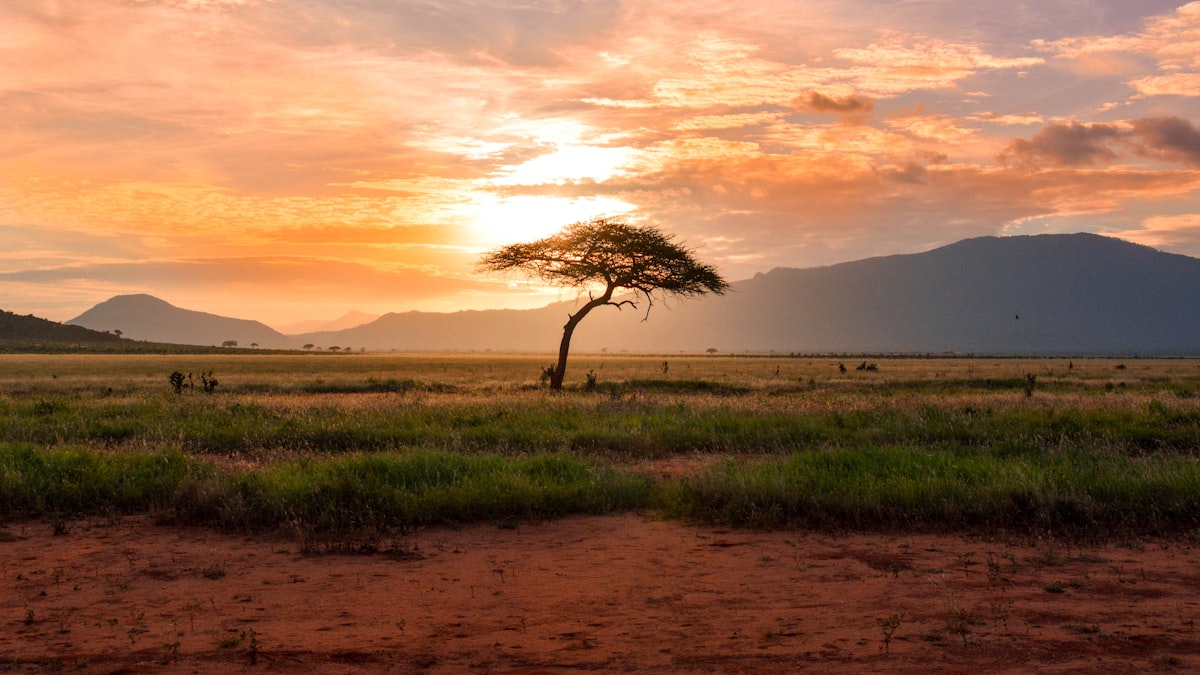
Africa is the ultimate hunting destination. Nothing else comes close. No other continent offers the combination of species diversity, wilderness scale, and raw big-game adventure that an African safari delivers. From Cape buffalo in Tanzania’s Selous to gemsbok on the Namibian plains to kudu in the South African bushveld, hunting Africa is a transformative experience that most hunters describe as the best hunt of their lives.
But “hunting in Africa” covers an enormous range of experiences, and choosing the wrong country — or the wrong outfitter — can turn a dream trip into an expensive disappointment. Tanzania, South Africa, and Namibia are the three most popular destinations for North American hunters, and each offers a fundamentally different style of safari. The costs, the species, the regulations, the terrain, and the hunting culture vary significantly across all three.
This article contains affiliate links. We may earn a small commission if you purchase through these links, at no extra cost to you.
This guide compares these three countries across every metric that matters, so you can choose the destination that matches your budget, your goals, and the kind of experience you’re looking for. If you’ve already decided on South Africa, check our dedicated South Africa safari guide. For help evaluating outfitters in any country, see our outfitter selection guide.
Quick Comparison: Tanzania vs South Africa vs Namibia
| Factor | Tanzania | South Africa | Namibia |
|---|---|---|---|
| Total Cost (10-day plains game) | $15,000–25,000 | $5,000–12,000 | $7,000–15,000 |
| Total Cost (dangerous game) | $35,000–80,000+ | $15,000–35,000 | $25,000–50,000 |
| Primary Experience | Classic wilderness safari | High-volume plains game | Free-range desert/savanna |
| Hunting Style | Walk-and-stalk, tracking | Walk-and-stalk, stand | Walk-and-stalk, spot-and-stalk |
| Species Diversity | 50+ huntable species | 40+ huntable species | 30+ huntable species |
| Dangerous Game | Big Five + hippo | Big Five (Cape buffalo most popular) | Leopard, elephant (limited) |
| Terrain | Savanna, miombo woodland, swamps | Bushveld, mountains, Kalahari | Desert, savanna, rocky mountains |
| Typical Safari Length | 14–21 days | 7–14 days | 10–14 days |
| Firearm Import | Straightforward with PH assistance | Straightforward | Straightforward |
| Best Time to Hunt | June–November (dry season) | April–October (winter) | May–October (dry/winter) |
| Concession System | Government hunting blocks (limited operators) | Private ranches + some government land | Private conservancies + concessions |
| Trophy Quality (Plains Game) | Excellent | Good to excellent | Excellent |
| Trophy Quality (Dangerous Game) | Among the best in Africa | Good (buffalo), limited others | Limited dangerous game |
Tanzania: The Classic African Safari
Tanzania offers what many consider the purest African hunting experience remaining on the continent. Vast government-allocated hunting blocks, free-ranging wildlife, and a tradition of foot-based tracking create a safari that feels closer to the hunts of the early 20th century than anything available in southern Africa.
What Makes Tanzania Different
Tanzania’s hunting operates on a concession system. The government allocates hunting blocks — often hundreds of thousands of acres — to licensed outfitters who hold exclusive rights for a set period. You hunt an enormous tract of wild land with no other hunting parties. That exclusivity changes everything. The scale, the solitude, and the truly wild nature of the animals set Tanzania apart from any other African destination.
The hunting is physically demanding. Tanzania safaris involve significant daily walking — often 10–15 miles — through miombo woodland, along river systems, and across open savanna. Professional hunters (PHs) and trackers locate game by reading spoor (tracks), listening for alarm calls, and glassing open areas. There’s very little road hunting or blind sitting.
Species Available in Tanzania
| Species | Trophy Fee (Approx.) | Availability | Trophy Quality |
|---|---|---|---|
| Cape Buffalo | $6,000–12,000 | Common | Excellent — old, hard-bossed bulls |
| Lion (male, 6+ years) | $25,000–40,000 | Limited quota | World-class |
| Leopard | $10,000–18,000 | Moderate | Excellent |
| Elephant | $20,000–40,000 | Limited quota | Good |
| Greater Kudu | $2,500–3,500 | Moderate | Very good |
| Sable Antelope | $4,000–6,000 | Limited | Excellent |
| East African Eland | $2,500–4,000 | Moderate | Very good |
| Wildebeest | $800–1,200 | Common | Good |
| Zebra | $800–1,200 | Common | Good |
| Impala | $400–600 | Common | Good |
| Warthog | $400–600 | Common | Good |
| Hippopotamus | $4,000–6,000 | Moderate | Good |
| Crocodile | $3,000–5,000 | Moderate | Good |
For Cape buffalo hunting, nothing touches Tanzania. The Selous Game Reserve (now Nyerere National Park hunting blocks), the Masailand concessions, and the western Tanzania blocks produce old, hard-bossed dagga boys with heavy bosses and wide spreads. A Cape buffalo safari in Tanzania stands as the gold standard of dangerous game hunting.
Cost Breakdown: Tanzania
| Cost Category | Plains Game (14 days) | Cape Buffalo (14 days) | Full Safari (21 days) |
|---|---|---|---|
| Daily rate | $1,200–1,800/day | $1,500–2,500/day | $1,500–2,500/day |
| Trophy fees (typical bag) | $5,000–10,000 | $8,000–15,000 | $15,000–35,000 |
| Government fees/permits | $2,000–3,000 | $2,500–4,000 | $3,000–5,000 |
| Charter flights (in-country) | $1,500–3,000 | $1,500–3,000 | $2,000–4,000 |
| International airfare | $1,500–2,500 | $1,500–2,500 | $1,500–2,500 |
| Tips (PH, trackers, staff) | $2,000–3,500 | $3,000–5,000 | $4,000–7,000 |
| Taxidermy/dip-and-pack | $2,000–4,000 | $1,500–3,000 | $4,000–8,000 |
| Shipping trophies | $1,500–3,000 | $1,000–2,000 | $3,000–6,000 |
| Total Estimate | $17,000–30,000 | $20,000–37,000 | $35,000–75,000 |
Of the three countries, Tanzania costs the most. Daily rates run higher, government fees are substantial, and in-country charter flights — necessary to reach remote hunting blocks — add significant cost. Tipping culture is also more generous — professional hunters, trackers, skinners, and camp staff all expect gratuities.
Pros and Cons: Tanzania
Pros: Tanzania holds the largest wilderness hunting blocks in Africa — government-allocated concessions covering hundreds of thousands of acres with genuinely free-ranging game and almost no hunting pressure per block. You get access to all of the Big Five, the best Cape buffalo on the continent, and a classic walking safari experience that no other country can replicate.
Cons:
- Most expensive destination
- Minimum 14-day safaris (most operators)
- Longer international travel (additional in-country flights)
- Government bureaucracy can be unpredictable
- Fewer plains game species than southern Africa
- Trophy export can be slow
South Africa: The Accessible Safari
South Africa is where most first-time African hunters go, and for good reason. It’s the most affordable, the most accessible, and it offers the highest species diversity of any African hunting destination. You can hunt 20+ species in a 7-day trip, fly directly into Johannesburg, and be in the hunting area within hours of landing.
What Makes South Africa Different
Most hunting in South Africa takes place on private game ranches. These ranches range from a few thousand acres to 50,000+ acres, and landowners run them specifically for hunting. The landowner or outfitter controls the wildlife, habitat, and hunting pressure.
This ranch-based system is both South Africa’s greatest advantage and its most debated feature. On the positive side, it creates high game densities, predictable trophy quality, and comfortable safari conditions. The criticism is that some operations are little more than large fenced enclosures where game management crosses the line into something closer to farming than free-range hunting. The quality spectrum is wide — choosing the right outfitter is critical.
The best South African operations hunt vast, unfenced properties (or properties with game-proof fencing enclosing thousands of acres) where animals behave naturally. These hunts feel genuinely wild. The worst are small, heavily stocked properties where hunting involves little more than walking up to animals accustomed to humans. Do your research.
Species Available in South Africa
| Species | Trophy Fee (Approx.) | Availability | Trophy Quality |
|---|---|---|---|
| Cape Buffalo | $8,000–14,000 | Common (ranch and wild) | Good to excellent |
| Greater Kudu | $1,200–2,500 | Very common | Good to excellent |
| Gemsbok (Oryx) | $800–1,500 | Common | Good |
| Blue Wildebeest | $600–1,200 | Very common | Good |
| Black Wildebeest | $800–1,200 | Common | Good |
| Impala | $300–500 | Extremely common | Good |
| Warthog | $250–450 | Very common | Good |
| Zebra (Burchell’s) | $800–1,200 | Common | Good |
| Nyala | $2,000–3,500 | Common (eastern regions) | Excellent |
| Waterbuck | $1,500–2,500 | Moderate | Good |
| Springbok | $400–800 | Common | Good |
| Blesbuck | $400–700 | Common | Good |
| Eland | $1,500–3,000 | Moderate | Good |
| Sable Antelope | $5,000–8,000 | Limited | Good to excellent |
| Bushbuck | $800–1,200 | Moderate | Good |
| Red Hartebeest | $800–1,200 | Common | Good |
No other African destination tops South Africa’s species list. A typical 7–10 day safari can include 8–15 animals across multiple species, giving first-time African hunters an incredible introduction to the continent’s game.
Cost Breakdown: South Africa
| Cost Category | Budget Safari (7 days, 5 animals) | Standard Safari (10 days, 8–10 animals) | Premium Safari (14 days, buffalo + plains game) |
|---|---|---|---|
| Daily rate | $250–350/day | $350–500/day | $500–800/day |
| Trophy fees (typical bag) | $3,000–5,000 | $5,000–10,000 | $15,000–25,000 |
| International airfare | $1,200–1,800 | $1,200–1,800 | $1,200–1,800 |
| Tips | $500–1,000 | $1,000–2,000 | $2,000–3,500 |
| Taxidermy/dip-and-pack | $1,500–3,000 | $2,500–5,000 | $4,000–8,000 |
| Shipping trophies | $1,000–2,500 | $2,000–4,000 | $3,000–6,000 |
| Total Estimate | $7,500–13,500 | $12,000–23,000 | $26,000–45,000 |
Lower daily rates and competitive trophy fees make South Africa the most affordable African hunting destination by a significant margin. A budget-conscious hunter can complete a meaningful 7-day safari with 5+ animals for under $10,000 — less than a guided elk hunt in the American West.
Detailed South Africa safari cost breakdown
Pros and Cons: South Africa
Pros: For hunters on their first African trip, South Africa checks nearly every box. It’s the most affordable destination, carries the highest species diversity of any country on the continent, and flies direct from US hubs into Johannesburg. Seven-day trips are genuinely viable, outfitter options span every price point, and the well-developed hunting infrastructure means logistics are straightforward even for hunters new to international travel.
Cons:
- Ranch-based hunting varies wildly in quality
- Some operations feel more agricultural than wild
- Fenced properties common (research specific operations)
- Trophy quality less consistent than wild populations
- Can feel commercial compared to Tanzania/Namibia
- Fewer dangerous game opportunities outside buffalo
Namibia: The Middle Ground
Namibia sits between Tanzania and South Africa in cost, wildness, and experience. It offers free-range hunting on vast private conservancies, dramatic desert and mountain terrain, and some of the best gemsbok and kudu hunting in Africa — all at a price point between South Africa’s accessibility and Tanzania’s premium.
What Makes Namibia Different
Namibia’s hunting model is built on private conservancies — large tracts of land where landowners manage wildlife as a renewable resource. Unlike South African game ranches, Namibian conservancies tend to be unfenced (or bordered by game-proof fencing enclosing truly vast areas of 50,000–200,000+ acres). The game is free-ranging within these properties, creating a more wild hunting experience than typical South African ranches.
Namibia’s terrain is dramatic and varied. Kalahari red sand dunes, the rocky Erongo Mountains, the Caprivi Strip’s riverine forests, and the otherworldly Skeleton Coast create hunting country that looks unlike anywhere else in Africa. The hunting itself is primarily walk-and-stalk and spot-and-stalk across open or semi-open terrain, with long glassing sessions from elevated points.
Species Available in Namibia
| Species | Trophy Fee (Approx.) | Availability | Trophy Quality |
|---|---|---|---|
| Gemsbok (Oryx) | $700–1,200 | Very common | Excellent — Namibia is the top destination |
| Greater Kudu | $1,200–2,500 | Very common | Excellent |
| Springbok | $300–600 | Very common | Good to excellent |
| Hartmann’s Mountain Zebra | $1,500–2,500 | Moderate | Excellent |
| Blue Wildebeest | $600–1,100 | Common | Good |
| Red Hartebeest | $700–1,200 | Common | Good |
| Warthog | $250–450 | Common | Good |
| Eland | $1,500–2,800 | Moderate | Good to excellent |
| Leopard | $10,000–15,000 | Limited quota | Good |
| Elephant (Caprivi) | $25,000–40,000 | Very limited | Good |
| Cheetah | $3,000–5,000 | Limited | N/A (problem animal control) |
| Steenbok | $200–400 | Common | Good |
| Duiker | $300–500 | Moderate | Good |
| Black-Faced Impala | $2,000–3,500 | Limited (endemic) | Excellent |
| Damara Dik-Dik | $1,500–2,500 | Limited (endemic) | Excellent |
Namibia’s gemsbok (oryx) hunting is the best in Africa. The Kalahari and central Namibian populations produce long, straight-horned specimens that are the definitive gemsbok trophy. Greater kudu from the rocky mountain regions also reach exceptional size. Namibia’s two endemic species — the black-faced impala and the Damara dik-dik — attract collectors looking for animals not available anywhere else.
Cost Breakdown: Namibia
| Cost Category | Plains Game (10 days, 6–8 animals) | Plains + Leopard (14 days) | Premium Safari (14 days, diverse bag) |
|---|---|---|---|
| Daily rate | $300–500/day | $500–800/day | $400–700/day |
| Trophy fees (typical bag) | $5,000–9,000 | $15,000–25,000 | $8,000–15,000 |
| International airfare | $1,500–2,200 | $1,500–2,200 | $1,500–2,200 |
| In-country transfers | $500–1,000 | $500–1,000 | $500–1,000 |
| Tips | $800–1,500 | $1,500–3,000 | $1,200–2,500 |
| Taxidermy/dip-and-pack | $2,000–4,000 | $3,000–6,000 | $2,500–5,000 |
| Shipping trophies | $1,500–3,000 | $2,000–4,000 | $1,500–3,500 |
| Total Estimate | $11,500–21,000 | $24,000–42,000 | $16,000–30,000 |
Pros and Cons: Namibia
Pros:
- Free-range hunting on vast conservancies
- Dramatic, photogenic terrain
- Best gemsbok and kudu hunting in Africa
- Endemic species not available elsewhere
- German colonial influence = efficient infrastructure
- Lower pressure and more personal safari feel
- Excellent conservation model
Cons: Namibia’s biggest limitation is dangerous game — options are thin compared to Tanzania or South Africa, and species diversity overall runs lower than South Africa’s ranch circuit. Most US flights connect through Johannesburg, adding travel time. The desert heat is real; daytime temperatures regularly push past 100°F, and some hunters underestimate how much that affects daily hunting hours. The outfitter pool is smaller too, which means fewer options if your first choice doesn’t pan out.
Choosing Your Destination
By Budget
| Budget Range | Recommended Destination | What You Get |
|---|---|---|
| Under $10,000 | South Africa | 7-day safari, 5–7 animals, plains game |
| $10,000–20,000 | South Africa or Namibia | 10–14 days, 8–12 animals, quality trophies |
| $20,000–35,000 | Namibia or Tanzania | Premium plains game or entry-level dangerous game |
| $35,000–50,000 | Tanzania | 14-day Cape buffalo safari with plains game |
| $50,000+ | Tanzania | Full dangerous game safari, Big Five access |
By Hunting Goal
| Goal | Best Destination | Why |
|---|---|---|
| First African safari | South Africa | Lowest cost, highest species count, easiest logistics |
| Cape buffalo | Tanzania | Largest wild buffalo populations, best PHs for DG |
| Trophy kudu | Namibia | Largest kudu consistently come from rocky Namibian terrain |
| Gemsbok/oryx | Namibia | Namibia is the world standard for gemsbok |
| Maximum species diversity | South Africa | 40+ species available, packages for collectors |
| Wilderness experience | Tanzania | Largest hunting blocks, least developed, most remote |
| Leopard | Tanzania or Namibia | Both offer quality leopard hunting on quota |
| Family/non-hunter friendly | South Africa | Game viewing, wine country, tourism infrastructure |
| Endemic species | Namibia | Black-faced impala, Damara dik-dik, Hartmann’s zebra |
| Lion | Tanzania | Most consistent legal lion hunting remaining |
By Experience Level
| Hunter Profile | Recommended Destination | Notes |
|---|---|---|
| First international hunt | South Africa | Gentle learning curve, English-speaking, familiar food |
| Experienced western hunter | Namibia | Walk-and-stalk hunting translates well, moderate logistics |
| Advanced big game hunter | Tanzania | Demanding walking, dangerous game, remote conditions |
| Bowhunter | South Africa or Namibia | Both offer waterhole blind archery; Tanzania rarely allows bows |
Logistics: Guns, Flights, and Trophy Shipping
Firearm Import
All three countries allow hunters to import firearms with proper documentation. The process is generally straightforward when your outfitter’s PH handles the paperwork on your behalf.
| Logistic | Tanzania | South Africa | Namibia |
|---|---|---|---|
| Firearms allowed | 2 rifles + 1 shotgun | 4 firearms | 3 firearms |
| Import permit | Arranged by outfitter | Applied for in advance or at airport | Applied for in advance |
| Ammunition limit | 100 rounds per caliber | 200 rounds total | 100 rounds per caliber |
| Handguns | Not permitted | Not permitted for hunting | Not permitted |
| Recommended caliber (plains game) | .300 Win Mag, .30-06 | .300 Win Mag, .30-06, 7mm Rem Mag | .300 Win Mag, .30-06, 7mm Rem Mag |
| Recommended caliber (dangerous game) | .375 H&H minimum (legal requirement) | .375 H&H minimum for Big Five | .375 H&H minimum for dangerous game |
International Flights
| Route | Tanzania | South Africa | Namibia |
|---|---|---|---|
| Direct from US | No | Yes (JFK–JNB, ATL–JNB) | No |
| Typical connection | Doha, Amsterdam, or Addis Ababa | N/A (direct available) | Johannesburg |
| Flight time | 18–24 hours | 15–17 hours (direct) | 18–22 hours |
| Airport | Kilimanjaro (JRO) or Dar es Salaam (DAR) | Johannesburg (JNB) | Windhoek (WDH) |
| Visa required (US citizens) | Yes ($50, available on arrival) | No (90-day tourist entry) | No (90-day tourist entry) |
Trophy Shipping
Getting trophies home is often the most frustrating part of an African safari. The process involves:
- Skinning and preparation — the outfitter’s skinners handle this in camp, usually within hours of returning from the field
- Dip-and-pack facility — a licensed taxidermist treats, dries, and packs the trophies for export; quality varies, so ask your outfitter which facility they use
- Veterinary certificates and export permits — government paperwork that can drag on for weeks or even months depending on the country and species
- USFWS import permits — certain CITES-listed species (leopard, elephant) need these before the trophies can clear US customs
- Shipping — sea freight runs $1,500–3,000 but takes 3–6 months; air freight cuts that to 2–4 weeks but costs more
Typical timeline from hunt to receiving trophies at home: 6–18 months depending on country, species, and shipping method.
Typical shipping cost: $1,500–6,000 depending on trophy volume and method.
Choosing an Outfitter
The outfitter you choose matters more than the country you hunt in. Full stop. A mediocre outfitter in Tanzania will deliver a worse experience than an excellent outfitter in South Africa. Here’s what to evaluate:
| Evaluation Criteria | What to Look For |
|---|---|
| Experience | 10+ years operating in the specific hunting area |
| References | 5+ hunters willing to talk, including those who didn’t take all target species |
| Professional Hunter (PH) | Licensed, experienced, personally assigned (not rotated) |
| Concession/property quality | Size, game density, management history |
| Success rates | Species-specific harvest data over 5+ years |
| Trophy handling | In-house skinning, partnership with reputable dip-and-pack |
| Hidden costs | Government fees, community fees, vehicle charges, ammunition surcharges |
| Communication | Responsive before booking, detailed pre-trip information |
Complete guide to choosing a hunting outfitter
Compare outfitters side by side
Frequently Asked Questions
How much does an African hunting safari cost?
A budget South African plains game safari starts at $5,000–8,000 for 7 days with 5 animals. A standard Namibia safari runs $10,000–20,000 for 10–14 days. A Tanzania Cape buffalo safari costs $20,000–40,000 for 14 days. Add taxidermy and shipping ($3,000–8,000) to all figures. These numbers include daily rates, trophy fees, and in-country costs but not international airfare.
Is African hunting ethical?
Legal, regulated hunting in Africa is widely recognized by conservation organizations as a powerful conservation tool. Hunting revenue funds anti-poaching operations, habitat preservation, and community development programs that give local populations economic incentive to protect wildlife. The alternative — land conversion to agriculture with no wildlife value — is the actual threat to African game populations. Countries with well-managed hunting programs (Namibia is the gold standard) have the healthiest wildlife populations on the continent.
What rifle should I bring to Africa?
A .300 Win Mag handles 90% of plains game species effectively. Dangerous game changes the equation — all three countries legally mandate a .375 H&H Magnum or larger for Cape buffalo, elephant, and lion. Many experienced African hunters bring two rifles: a .300 Win Mag for plains game and a .375 H&H or .416 for dangerous game.
Can I bow hunt in Africa?
Yes, primarily in South Africa and Namibia. Both countries offer archery safari opportunities, typically hunting from ground blinds over waterholes. Tanzania generally does not permit bow hunting. Archery safaris in South Africa are well-established, with outfitters providing purpose-built blinds at distances of 20–30 yards from water sources.
How far in advance should I book an African safari?
Book 12–18 months in advance for the best dates and outfitter selection. Premium Tanzania hunting blocks and top-tier Namibian conservancies fill early. South Africa has more capacity and shorter lead times — 6–12 months is usually sufficient. Dangerous game hunts (especially lion and leopard with quota limitations) should be booked as far in advance as possible.
Do I need vaccinations to hunt in Africa?
Tanzania requires a yellow fever vaccination for entry — bring the yellow card as proof at the border. South Africa and Namibia do not require yellow fever vaccination unless arriving from an endemic country. Malaria prophylaxis is strongly recommended for Tanzania and parts of northern Namibia and South Africa. Consult a travel medicine clinic 4-6 weeks before departure. A quality hard-sided rifle case is essential for international airline travel.
How do I get my trophies home?
Your outfitter’s recommended taxidermist takes care of the dip-and-pack process — treating, drying, and boxing trophies for international export. That same facility coordinates veterinary certificates and export permits with the relevant government agencies, though the paperwork timeline is out of everyone’s hands. Most hunters go sea freight ($1,500–3,000) and accept the 3–6 month wait. If you want trophies home in 2–4 weeks, air freight will get them there for $3,000–6,000. CITES-listed animals like leopard and elephant need additional USFWS import permits before US customs will release them — your PH or taxidermist will walk you through that process.
Which country is safest for American hunters?
All three countries are safe for hunters traveling with established outfitters — but the picture looks different depending on where you are. Namibia consistently ranks as the safest country in sub-Saharan Africa, and that reputation is well-earned; crime in hunting areas is essentially non-existent. South Africa’s cities tell a different story, with Johannesburg and Cape Town carrying real urban crime risks, but rural hunting properties are a different world entirely — secure, remote, and well-managed. Tanzania demands more logistical care. Your outfitter handles all in-country security, transport, and movement, so the key is choosing an experienced operator who knows the area.
Plan Your African Safari
- South Africa Hunting Safari Guide — Detailed South Africa planning
- Outfitter Comparison Tool — Compare African safari outfitters
- Hunt Cost Calculator — Budget your African safari
- How to Choose a Hunting Outfitter — Vetting guide for safari operators
- Taxidermy Costs Guide — Plan your trophy budget
Free Tools
Plan Your Next Hunt
Draw odds, unit guides, deadline tracking, and 38+ planning tools — free for every western hunter.
Get the Insider Edge
Join hunters getting exclusive draw odds data, gear deals, and weekly hunt planning tips.
Related Articles

Canada Elk Hunting: Alberta, BC, and Saskatchewan Trophy Bulls
Canada elk hunting guide — Alberta's trophy bull country, BC's coastal and interior elk, Saskatchewan's wilderness elk, outfitter licensing requirements for nonresidents, rifle vs archery seasons, and what to expect on a Canadian elk hunt.

Namibia Hunting Safari: Oryx, Kudu, and Top Plains Game
Namibia hunting safari guide — why Namibia is the most hunter-friendly African country, plains game species and what to expect, outfitter selection, rifle import process, costs, and how to plan a DIY vs fully guided Namibia hunt.
Argentina Dove Hunting: The World's Best Wing Shooting Experience
Argentina dove hunting guide for US hunters — where to hunt (Cordoba province), what it costs, what to expect shooting 1,500+ birds per day, outfitter selection, and logistics for first-time international hunters.
No comments yet. Be the first to share your experience!