Elk Camp Planning: How to Set Up a Successful Backcountry Elk Hunt Base
How to plan an elk camp for a western backcountry hunt. Camp location strategy, shelter options, food planning, meat care logistics, and the practical decisions that separate a functional camp from a miserable one.
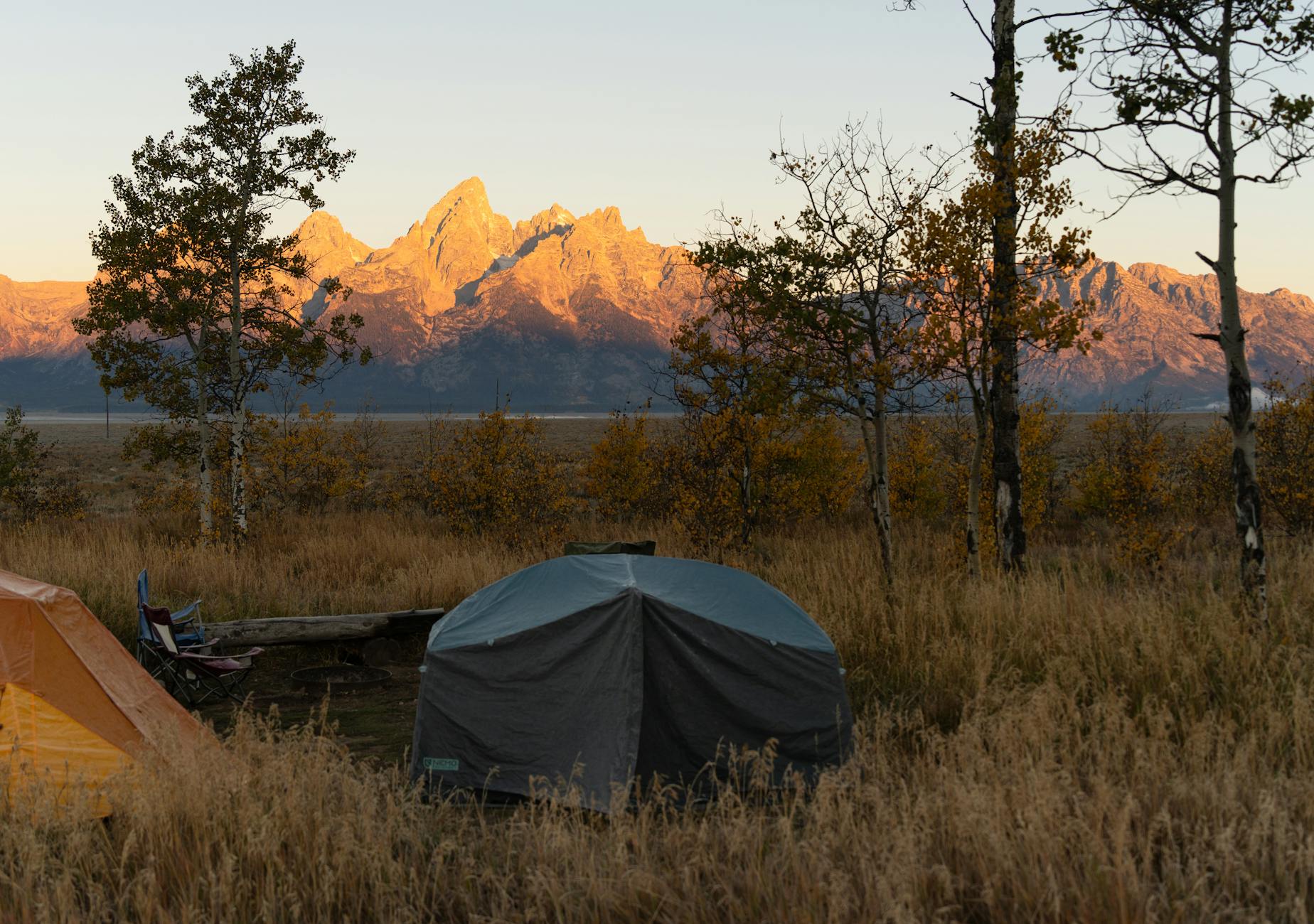
Before you make a single gear decision for a backcountry elk hunt, you need to make one fundamental choice. That choice determines your shelter weight, your food quantity, your meat care logistics, and how far you can realistically hunt from camp each day. Everything downstream from it changes based on what you decide here.
The decision: drive-in base camp, spike camp, or full backcountry pack-in?
Get this right and the rest of the planning process gets a lot cleaner.
The Three Camp Structures
Drive-in base camp puts you at a developed site or dispersed camping area within 0-3 miles of your hunting terrain. You’ve got the truck. Maximum comfort, no meaningful weight restrictions, and the easiest meat care logistics of any option — your cooler or meat pole is right there when you need it. For units where roads push into good elk country, this setup is hard to argue with. The trade-off is road pressure. If you can drive to it, everyone can drive to it.
Spike camp is a forward camp pushed 5-10 miles into the hunting area, usually set up by a pack-in trip or by horse. You’re cutting weight down to what a spike setup demands — lighter shelter, limited food, no luxuries. The entire structure is built around maximizing your time inside elk country and away from the pressure that concentrates around road systems. It’s the standard in the Rocky Mountain wilderness hunt tradition for a reason.
Full backcountry pack-in means everything on your back for 7-10 days. Weight management becomes unforgiving at this level. The calorie-per-ounce math matters. Your shelter system, sleep system, and food need to function at the edge of what’s bearable to carry. Most serious backcountry elk hunters who run this setup are working in ultralight gear and have done the mileage before.
Make this decision before you open a gear checklist. Everything else follows from it.
Camp Location Strategy
Don’t camp where the elk are.
This sounds obvious, but hunters make this mistake every season. Human camp presence — foot traffic patterns, fire smell at night, noise in the morning — pushes elk off their core areas within 0.5 miles of camp. You’re essentially paying a daily tax on your own hunting ground for every day the camp is in the wrong place.
Set up at least 0.5-1 mile from your primary hunting terrain. Ideally you want to be downwind from it and positioned in a natural depression or drainage that buffers noise and scent. The goal is for your camp’s activity signature to be invisible to the terrain you’re hunting.
Find a water source for camp that’s separate from the water sources you’re hunting. When you’re pulling water from the same spring or creek that elk are watering at, you’re adding human pressure to a resource they depend on. Keep them distinct.
Camp Distance From Hunting Terrain
Putting camp in the elk’s living room reliably degrades encounter rates. Human camp presence — fire smell, noise, foot traffic — pushes elk off their patterns within 0.5 miles. Set camp at minimum 0.5-1 mile from your primary hunting terrain, downwind, and in a natural depression or drainage that buffers scent and sound.
Shelter Options
Wall tent (canvas): the traditional elk hunting shelter, and still the best option for drive-in and horse-pack operations. A 12x14 canvas wall tent with a wood stove is as comfortable as elk camp gets. It’s heavy — 30-40 lbs with frame or poles — and it requires horses or vehicles to move. The weather protection is excellent; a good canvas tent in a sustained mountain storm is a legitimately dry and warm environment. Don’t consider this for anything you’re carrying on your back.
Backpacking tents: a quality 2-person freestanding tent in the 3-5 lb range handles most elk hunting weather without problems. Not as warm as a wall tent in a serious October storm, but adequate for experienced backcountry campers who know what they’re doing. This is the working choice for most foot-travel elk hunters. Buy a four-season tent or a three-season tent with a good vestibule — elk country weather moves fast and unannounced.
Bivy/tarp: the ultralight option. A bomber tarp setup or a single-wall bivy weighs under 2 lbs and covers the shelter requirement with the least possible weight impact. It requires campcraft skill — you need to know how to site a tarp in changing wind and what to do when conditions deteriorate at midnight. Appropriate for dry September hunting in most western states. Risky in late October or November when wet snow is possible and temperatures can drop hard overnight.
Match your shelter to your camp type. Weight is the constraint on pack-in hunts; weather protection is the constraint on late-season hunts. In most cases, a good 3-season tent is the right answer for anyone hunting on foot.
Food Planning
Elk hunters in mountain terrain burn 3,500-5,000 calories per day. A 7-day hunt requires 24,500-35,000 calories minimum. That’s a lot of food. The planning failure most hunters make isn’t buying bad food — it’s buying too little of it and running short mid-hunt when they’re already physically depleted.
Standard backpacking food runs 1.5-2 lbs per day for a complete supply. At 2 lbs per day on a 7-day hunt, you’re packing 14 lbs of food before you add a single piece of gear. That weight is real and it compounds. The only way to manage it without going hungry is calorie density.
What high calorie density actually looks like:
- Nuts: 150-180 calories per ounce. A 1 lb bag of mixed nuts is 2,400-2,900 calories
- Olive oil: 240 calories per ounce, packs in small containers, adds to anything
- Hard cheese: 110-120 calories per ounce, doesn’t require refrigeration for 5-7 days
- Jerky: 60-90 calories per ounce, high protein, shelf-stable
- Freeze-dried dinners: 400-600 calories each, convenient, expensive per calorie
Freeze-dried meals earn their place as evening calories after a full day — the cooking is fast and the cleanup is nothing. But don’t build your entire food supply around them. The economics don’t pencil out, and nuts and oil pack more calories per ounce.
Calorie Density Calculation for a 7-Day Pack-In
The most common pre-hunt planning failure is underestimating caloric needs. At 3,500-5,000 calories per day in mountain terrain, a 7-day hunt requires 24,500-35,000 calories. Target 2 lbs of food per day with at least 50% coming from high-density items — nuts, olive oil, hard cheese — rather than bulky items that add weight without proportional calories.
Water treatment: a filter — Sawyer Squeeze or similar at 3 oz — is non-negotiable in elk country. Giardia and other waterborne pathogens live in mountain water sources regardless of how clean they look. Don’t use chemical treatments as your primary method. They affect taste and require a 30-minute wait time that’s genuinely inconvenient during active hunting. A lightweight filter processes water fast and adds almost no pack weight.
Meat Care Logistics
Meat care needs to be thought through before the hunt, not after the kill. When a bull goes down, you’re going to be tired, potentially alone, and working against a temperature clock. Having made these decisions in advance saves the animal.
The core questions: how far is the kill area from camp? How many loads does the pack-out require? What’s the temperature forecast?
Above 45°F: game bags with good airflow are your only option. The meat needs to cool immediately and stay cool, which means the pack-out starts the same day as the kill. Don’t leave a carcass overnight when temperatures are above 45°F expecting it to be fine in the morning. It won’t be.
Below 40°F: quartered meat in breathable game bags can hang overnight, giving you one additional day for the pack-out. This is the temperature window that makes multi-day backcountry hunts significantly more manageable for solo hunters.
Meat Care Temperature Decision Tree
Above 45°F, same-day pack-out is required to preserve meat quality. Heat and meat don’t wait. If your kill area is more than 3 miles from camp and temperatures are warm, you need a realistic plan for moving all four quarters before the meat spoils — or you need a hunting partner who can help.
Game bags: mesh game bags — Caribou Gear or similar quality — allow airflow for cooling while protecting from insects. Pack at minimum four bags for quarters and two smaller bags for backstraps and trim. Stuff them into your pack before the hunt. Elk hunters who leave camp without game bags and then kill an elk have a memorable and avoidable problem.
Emergency and Safety
Elk country in September and October produces life-threatening weather without warning. A clear morning can turn into 60 mph wind and 8 inches of snow by afternoon. Every backcountry hunter should leave the trailhead with three things: a PLB (personal locator beacon) or satellite communicator, a field-trauma first aid kit, and a fire-starting kit that works in wet conditions.
PLB and Satellite Communicator Requirement
Backcountry elk hunting without a distress signaling device increases rescue response time from hours to days. A Garmin inReach Mini runs under $350 and weighs 3.5 oz. A PLB (no subscription required) is lighter and cheaper but one-directional. Either device changes the outcome of a serious backcountry emergency.
The field-trauma kit deserves a moment. Standard first aid kits are built for blisters and headaches. A backcountry hunting kit should include a tourniquet, a chest seal, hemostatic gauze, and an Israeli bandage. Accidents with sharp implements — field dressing, processing — account for a meaningful percentage of hunting injuries. The kit should be able to manage a deep laceration or puncture wound until a rescue response arrives.
Hunting Day Logistics From Camp
Efficiency in the morning routine separates hunters who maximize time on the mountain from those who waste the best hours of the day dealing with camp. Pre-pack the day pack the night before — every item that goes out with you should already be staged before you go to sleep. Eat in the dark if you need to. Your glassing position should be occupied at first light, not thirty minutes after it.
This seems small. It isn’t. Over a 7-day hunt, the hunters who are consistently on point at first light are in a categorically different hunt than the hunters who are still pulling on gear while the elk finish their morning movement.
For elk hunts involving horses and horse camp logistics, see our horse packing hunting guide.
Next Step
Check Draw Odds for Your State
Tag-level draw odds across 9 western states — filter by species, unit, weapon, and points. Free to use.
Get the Insider Edge
Join hunters getting exclusive draw odds data, gear deals, and weekly hunt planning tips.
Related Articles
Arizona OTC Archery Deer 2026: Unit Limits and Closures
Arizona's OTC archery deer season opens August 21, 2026 — and units close the moment harvest limits fill. Here's every unit's limit, plus the best bets by real archery success rates.
Colorado OTC Elk in 2026: What Changed for Nonresidents
Colorado eliminated unlimited nonresident OTC archery elk west of I-25 for 2026 — and Gunnison rifle tags went draw-only. Here's exactly what's still on the shelf and how to hunt this fall anyway.
Colorado Reissue Licenses: How to Grab Returned Elk Tags
Every Wednesday through fall, CPW sells back surrendered limited licenses — including elk tags nonresidents can't get any other way in 2026. Here's the Tuesday-Wednesday ritual that actually lands one.
No comments yet. Be the first to share your experience!