Best States for Pronghorn Hunting in 2026
Pronghorn are the most accessible big game draw in the West — if you pick the right state. Here's how Wyoming, Colorado, Nevada, and other states compare.
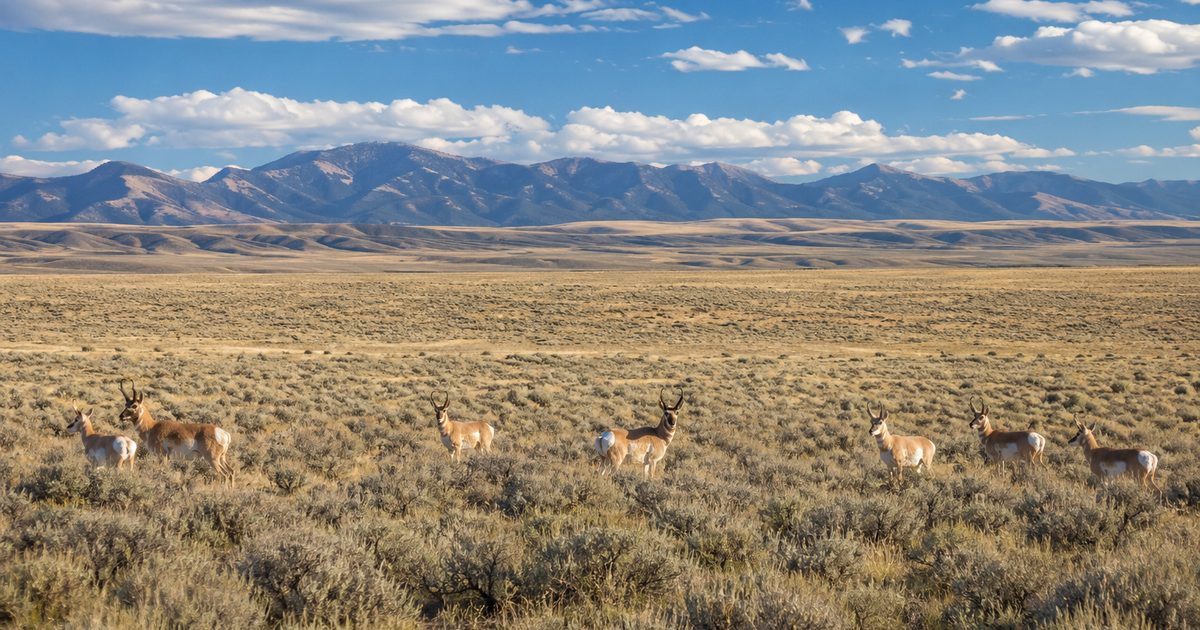
No big game animal in North America offers a better return on investment than the pronghorn antelope. Tags are cheaper than elk, draw odds are faster than sheep, and the hunting itself is pure Western adventure — wide-open sagebrush country, 300-yard shots across flat basins, and animals that demand your optics game be dialed in.
The trick is knowing which state to hunt and when to go. Pronghorn opportunity varies dramatically across the West, from over-the-counter doe tags in Wyoming to multi-year Nevada draws for trophy bucks. This guide breaks down every major pronghorn state into honest tiers so you can build a smart multi-state application strategy.
Why a Multi-State Application Strategy Works
Most big game species — elk, mule deer, bighorn sheep — force you to pick one or two states and grind a point system for years. Pronghorn is different. Application fees run $10–$20 in most states, tag costs are reasonable when you draw, and a handful of states run pure random draws with no point system at all.
This means you can realistically apply in five or six states every year, accumulate points where they matter, and collect pronghorn tags with far more regularity than any other western big game. A well-structured pronghorn application portfolio can put you in the field every one to two years — sometimes every year — without ever burning a major elk or deer point preference.
Use the Draw Odds Engine to plug in your current points and see actual draw odds before you apply each season.
Tier 1 — World-Class Opportunity, Apply Every Year
These two states belong on every pronghorn hunter’s annual application list. Draw odds are realistic for nonresidents, tags are affordable, and the hunting quality justifies the trip.
Wyoming
Wyoming is the gold standard for pronghorn hunting in North America. The state holds the largest free-ranging pronghorn population on the continent, and that population density translates directly into hunting opportunity. Check current Wyoming draw odds by unit before you apply each season. Eastern Wyoming units — the basins around Casper, Rawlins, and the Wyoming Range — are legendary for buck numbers and consistent access.
Nonresident draw odds in many Wyoming antelope units land between 30% and 80% for a general license. That’s remarkable by western standards. Tags run approximately $376 for nonresidents, which is steep compared to some states but still far cheaper than a nonresident elk tag anywhere. Multiple units offer over-the-counter doe tags that don’t require any draw at all, which lets you get into the state and scout for a future buck tag.
The real sleeper play in Wyoming is leftover tags. After the draw closes each spring, Wyoming releases a significant antelope leftover list in early summer — sometimes hundreds of tags across dozens of units. Many of these are in quality hunting country that simply didn’t fill during the draw. If your draw application doesn’t come through, check back hard in late June and early July.
Wyoming’s preference point system means accumulating points does help in the most competitive trophy units, but most hunters can draw a solid Wyoming antelope tag with zero to two points in the right unit.
Colorado
Colorado is the best pronghorn value for nonresidents who want a fast draw. Browse Colorado draw odds by unit to find northeastern and San Luis Valley units with accessible nonresident odds. The state’s antelope population is concentrated in the northeastern corner and the San Luis Valley basin country, and nonresident draw odds are genuinely accessible — most quality units clear within one to three preference points for nonresidents.
Tags cost approximately $220 for nonresidents, making Colorado the most affordable Tier 1 option. The preference point system favors anyone who applies consistently; unlike elk and mule deer, where nonresidents can wait 10 or 15 years for a premium unit, the pronghorn draw moves fast enough that a new applicant can expect to draw a solid tag within two to four years in most units.
Colorado also runs a leftover tag system post-draw. Watch the Colorado Parks and Wildlife website in early August for the over-the-counter leftover list — some years it includes tags in units that drew at 50%+ odds during the regular draw. These are first-come, first-served purchases, so check early.
Don't Sleep on Leftover Tags
Wyoming and Colorado both release significant pronghorn leftover lists each summer. These are quality tags in legitimate hunting country that simply didn’t fill during the draw. If your draw application comes up empty, check both states’ leftover lists in late June and early July. The Leftover Tag Tracker monitors these releases so you don’t miss them.
Tier 2 — Quality Hunting, Moderate Draw Timeline
These states offer excellent pronghorn hunting but require a bit more patience, a different point system strategy, or a higher tolerance for draw uncertainty.
Montana
Montana runs a pure random draw for antelope — no preference points, just equal odds for every applicant every year. That’s a double-edged sword. You can’t grind your way to a guaranteed tag, but you also start fresh with competitive odds every single season.
Eastern Montana holds strong pronghorn populations in the high plains and badlands country east of Billings and Miles City. The terrain is classic antelope country — big rolling grasslands with scattered coulees and occasional creek drainages. Nonresident tags run approximately $270, and draw odds in many units are reasonable enough to justify annual applications.
The random draw structure makes Montana an ideal “always apply” state. You may draw in year one or year seven, but your odds don’t diminish over time.
Nevada
Nevada’s Great Basin pronghorn hunting is underrated. The state holds a modest but healthy antelope population across its northern basins, and the bonus point system means consistent applicants can work toward a draw in three to eight points for quality units.
Nonresident tags are Nevada’s best value at approximately $175 — the lowest price among Tier 2 states. The tradeoff is that Nevada’s antelope herds are smaller and more spread out than Wyoming or Colorado, so success depends heavily on scouting and covering ground. If you’re comfortable hunting in remote high-desert country where you may not see another hunter all week, Nevada delivers a unique experience.
Apply in Nevada every year starting now. The bonus point system compounds over time, and three to five years of consistent applications will put you in draw position for solid units. See Nevada draw odds to compare unit-level opportunity before committing your points.
New Mexico
New Mexico runs a pure random draw — no preference points, no accumulation system, just equal odds every year for every applicant. For hunters who hate the complexity of multi-state point management, that simplicity is genuinely appealing.
The desert pronghorn habitat in New Mexico’s basin country is unlike anywhere else. Southern units near the Estancia Valley and the eastern plains hold huntable populations, and the terrain gives spot-and-stalk hunting a different character than the northern Great Plains. Nonresident tags run approximately $150, making New Mexico the most affordable option in this tier.
Apply every year. Some applicants draw in year one. Others wait five or six years. The odds don’t change, so patience is the only strategy.
Utah
Utah’s preference point system applies to pronghorn, and some units are accessible within two to five points for nonresidents. Better trophy units run longer, but the baseline opportunity is solid for hunters willing to accumulate points systematically.
Nonresident tags are approximately $215. The state’s western desert units and the Great Basin country near Tooele and Millard counties hold consistent populations. Utah is worth adding to your annual application list, particularly if you’re already purchasing preference points for elk or deer — the incremental cost to apply for pronghorn is minimal.
Tier 3 — Accessible Draw, Lower Trophy Expectations
These states offer legitimate pronghorn hunting for hunters who prioritize an easy draw over record-book potential.
Idaho
Southeastern Idaho holds scattered antelope populations in the high desert country near the Nevada border and the Snake River Plain. Draw odds are generally accessible because herd sizes are smaller and fewer hunters apply. Check Idaho draw odds by unit before applying to identify the specific units with the strongest nonresident odds. If you want an Idaho antelope tag as part of a broader Idaho trip — or simply want to punch your first pronghorn tag — the draw is forgiving.
The tradeoff is lower buck numbers and a shorter season window. Do your homework on specific units before applying.
Oregon
Southeastern Oregon’s antelope country, centered around the Hart Mountain area and the basin country south of Burns, offers controlled hunt draws with decent nonresident odds. See Oregon draw odds by unit for current nonresident tag numbers and point requirements before applying. Oregon’s antelope population is modest, and the hunting experience skews toward wilderness solitude over trophy density.
Worth applying in Oregon if you want to experience a unique corner of the West. Manage expectations on buck quality relative to Wyoming or Colorado.
State Comparison at a Glance
| State | NR Tag Cost | Point System | Typical NR Draw Wait | OTC Available |
|---|---|---|---|---|
| Wyoming | ~$376 | Preference | 0–3 pts most units | Yes (doe tags + leftovers) |
| Colorado | ~$220 | Preference | 1–3 pts most units | Leftovers only |
| Montana | ~$270 | None (random) | Varies, equal odds | No |
| Nevada | ~$175 | Bonus | 3–8 pts quality units | No |
| New Mexico | ~$150 | None (random) | Varies, equal odds | No |
| Utah | ~$215 | Preference | 2–5 pts most units | No |
| Idaho | ~$185 | None (random) | 1–3 yrs | No |
| Oregon | ~$225 | Preference | 1–4 pts | No |
How to Build Your Pronghorn Application Portfolio
The right approach depends on your timeline and goals.
If you want a tag in the next two years: Apply in Wyoming (target eastern units with 0-point draw odds), Colorado (northeastern units), Montana, and New Mexico simultaneously. With four applications in the mix, drawing at least one tag within two seasons is realistic.
If you’re building toward a trophy buck: Start accumulating preference points in Wyoming’s premium units and Nevada bonus points now while hunting accessible units in the meantime. A three- to five-year timeline gets you into trophy-class country in both states. The Preference Point Tracker helps you manage your point bank across multiple states in one place.
If you want the cheapest entry point: New Mexico’s random draw at $150 NR with no application fee sunk in points is hard to beat for a first pronghorn.
Apply Everywhere — The Math Works
Pronghorn is the ideal “apply everywhere” big game species. The costs are lower, draws are faster, and you can realistically expect a tag within two to four years in multiple states simultaneously. Apply in Wyoming, Colorado, Nevada, New Mexico, and Montana every single year — the combined application cost is less than most gear purchases, and you’ll be in the field far more often than hunters who wait on one state’s premium elk draw.
Planning Your Season
Once you hold a tag, the real work begins. Pronghorn live in open country and require disciplined glassing, long-range accuracy, and an understanding of their daily movement patterns. They’re not elk — you don’t call them in, and you don’t still-hunt through timber. Everything happens at distance in plain sight.
For a complete breakdown of how to scout, glass, and execute a pronghorn stalk across different western terrain types, read the Western Pronghorn Strategy Guide.
For up-to-date draw odds by unit in every western state, the Draw Odds Engine pulls current data so you can compare specific units before committing your application. After the draw closes each season, use the Leftover Tag Tracker to monitor Wyoming and Colorado leftovers in real time.
Tag costs and draw odds reflect publicly available 2025–2026 season data. Application deadlines, tag prices, and unit-level draw odds change annually — always verify current information directly with each state fish and wildlife agency before applying.
Next Step
Check Draw Odds for Your State
Tag-level draw odds across 9 western states — filter by species, unit, weapon, and points. Free to use.
Get the Insider Edge
Join hunters getting exclusive draw odds data, gear deals, and weekly hunt planning tips.
Related Articles

Arizona Unit 36 Border Country Guide
Units 36A, 36B, and 36C sit along the Mexican border west of Nogales — overlooked Coues and javelina country with low draw requirements and solid hunting.

Montana General Elk Tag: Everything You Need to Know
The Montana general elk tag explained — who can buy one, what it covers, best districts, season dates, nonresident options, costs, and tactics for public land.

Arizona Unit 22 Guide: Tonto Basin
Unit 22 runs across the Tonto Basin and the Salt River country — productive elk in the highlands, accessible javelina in the desert, and some of Arizona's most underrated deer country.
No comments yet. Be the first to share your experience!