Arizona Black Bear Hunting: Complete Guide
Arizona's Mogollon Rim produces some of the largest black bears in the West. Here's how to draw a tag, find bears, and hunt canyon country successfully.
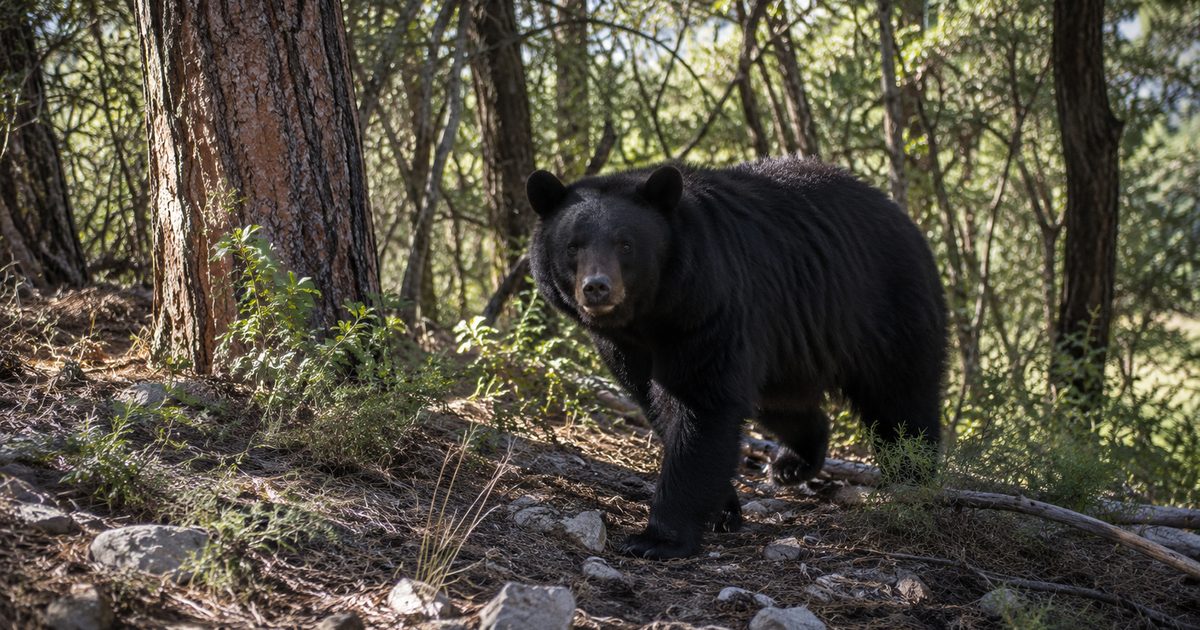
Most non-residents chasing western big game never seriously consider Arizona black bear. They’re laser-focused on elk, mule deer, and antelope — all the charismatic draws that dominate the bucket-list conversation. That oversight is exactly why Arizona bear tags are one of the better-kept secrets in western hunting. The Mogollon Rim country holds a substantial bear population, the draw odds are far more reasonable than most AZ big game, and the bears themselves are impressive — this is not country that produces skinny, marginal animals. A Rim country boar in the 300–400 pound range is not unusual.
If you’ve been sleeping on Arizona bear, this guide covers the draw system, the best units, season timing, and the tactics that produce results in high desert canyon country.
Quick Facts: Arizona Black Bear
| Detail | Info |
|---|---|
| Primary Habitat | Mogollon Rim, ponderosa pine and mixed conifer, 5,000–8,500 ft |
| Bear Size | Large; boars of 300–400+ lbs documented on the Rim |
| Color Phase | Nearly all black (cinnamon rare, unlike MT/ID) |
| Spring Season | Late April through mid-May (varies by unit) |
| Fall Season | Mid-August through November (archery open; rifle varies) |
| Baiting | Prohibited statewide |
| Draw System | Linear bonus points (same as all AZ big game) |
| NR Draw Odds | 5–15% depending on unit, typically 0–2 points needed |
| Application Deadline | February 3 in 2026 (verify current year at azgfd.com) |
| Tag Cost (NR) | ~$325 (bear tag) + application fee |
Disclaimer: Season dates, fees, and unit-specific regulations change annually. Verify all current rules with Arizona Game and Fish Department at azgfd.com before applying.
The Draw System: Linear Bonus Points
Arizona uses a bonus point system for bear where your weighted entries equal your bonus points plus one. It’s a linear system — each additional point adds one more entry to the draw pool.
With zero points, you have one entry. With two, you have three entries. With five, six entries. This straightforward structure rewards patience, and it also means that in lower-demand units, hunters with zero or one point have a legitimate shot every cycle. Bear tags represent one of the better entry points into Arizona’s draw system precisely because demand hasn’t caught up with what the resource actually offers.
Bear Draw Odds vs. Other AZ Big Game
Arizona bear generally draws in the 5–15% range per unit with 0–2 points — dramatically more accessible than premium elk or mule deer units that require 10–15+ points. If you’re building an Arizona portfolio, bear is an excellent place to start accumulating experience while your elk points mature.
The application opens in fall and closes the February 3 in 2026 (verify current year at azgfd.com). You can apply for both spring and fall tags in the same cycle. If you want to compare exact draw odds across units and point levels before you commit your application, the Draw Odds Engine pulls current Arizona data and shows your actual probability by unit.
Best Units: Mogollon Rim Country
The Mogollon Rim is an 800-mile geological escarpment that slashes across central Arizona, dropping 2,000 feet in elevation over a matter of miles. Above the Rim, the terrain opens into rolling ponderosa pine parkland and mixed conifer. Below it, steep canyon walls, oak woodland, and pinyon-juniper country create a transition zone that bears use heavily during both feeding periods and the dry-heat months when they push toward reliable water and food.
Unit 22 consistently ranks among Arizona’s top bear units. It covers a substantial chunk of the Rim between Show Low and Payson, with a mix of national forest and state trust land. The oak brush and berry patches on the south-facing slopes below the escarpment concentrate bears in late summer and fall. This unit draws serious pressure from local hunters who know the terrain, but it produces bears every season.
Unit 27 and Unit 28 round out the classic Rim trio. These units push further west toward the Tonto Basin country, where the Mogollon Rim meets drainages flowing toward the Salt River system. The canyon country here is more broken than the high plateau to the east, and that rugged terrain provides cover that older boars prefer. If you’re willing to commit to difficult access — some areas require significant hiking or pack-animal logistics — you can find areas with light hunting pressure.
For non-residents who haven’t been to the Rim before, the Hunt Unit Finder is useful for comparing these units on public land percentage, terrain type, and access points before you make your unit selection.
Two Seasons, Two Different Hunts
Arizona offers spring and fall bear seasons, and they’re fundamentally different experiences.
Spring Season (late April – mid-May) puts bears on the landscape as they emerge from winter dormancy hungry and actively feeding. Vegetation is greening up, and bears are moving through lower-elevation terrain before summer heat pushes activity patterns higher. Spring bears are often in excellent coat condition, and a boar that has shed winter weight and is actively feeding across open slopes can be spotted and glassed from distance. The downside: spring can be unpredictable weather-wise, and bears haven’t accumulated the fat they’ll carry by fall.
Fall Season (mid-August – November) is the longer season and the one that produces the largest bears. By late summer, bears are in hyperphagia — the pre-denning feeding frenzy where a mature boar might consume 20,000 calories a day. They’re working oak brush mast, juniper berries, and any other calorie-dense food source they can locate. The archery season opens in mid-August, which means early-fall hunters are dealing with temperatures that can still hit 90°F at mid-elevation on the Rim.
Hunting Arizona Heat: August Archery Considerations
Early archery season on Arizona bear is a legitimate challenge. Temperatures in mid-August on the south-facing slopes below the Rim can still hit the upper 80s during midday. Bears know this and pattern their activity accordingly — you’ll see most movement within the first two hours of daylight and the last hour before dark. Midday bears are bedded in deep shade, and a spot-and-stalk on a bedded bear in heavy oak brush is low-percentage.
Heat Safety in August Bear Country
Dehydration and heat exhaustion are real risks in early archery season. Start pre-dawn, carry a minimum of 4 liters of water per day in the field, and plan to be out of direct sun by 10 AM if temps are climbing. Bears will be in shade before you want to be — don’t fight the heat, work the same edges and shade they do.
The practical play for August archery is to focus hunting effort in the early window, glass canyon rims during the middle of the day from shaded positions where you can observe terrain without moving through it, and then push hard again in the final 90 minutes of daylight. If you locate a bear in the morning and lose it to heat, that animal will almost certainly return to the same food source in the evening.
Water Sources: The X-Factor in Dry Years
Arizona’s bear country is periodic drought country. In years when summer monsoon rains fail to materialize, the berry and mast crops that bears depend on come up short, and food becomes concentrated. More importantly for hunters, water becomes the great equalizer.
In drought conditions, bears travel predictable routes to reliable water sources — natural tanks, developed water catchments on national forest, springs — and the intervals between water visits compress. A dry year can concentrate bears around reliable water the same way it does elk and mule deer. If you’re hunting a unit in a drought year, pulling up water sources with the Tag-to-Trail Planner and identifying which ones held water through midsummer is worth as much as any other scouting information you can gather.
No Baiting: Spot-and-Stalk is the Game
Baiting is prohibited statewide in Arizona. That’s a hard line. You will find this separates Arizona from states like Idaho and Montana where baiting over bait piles is common practice — and it fundamentally changes the hunting style. Arizona bear hunting is spot-and-stalk, period.
The proven approach on the Mogollon Rim is to glass from elevated vantage points that allow you to cover large swaths of south-facing slopes, oak brush flats, and canyon edges. Early morning, bears are feeding on whatever is available — acorns in fall, berries, grass, insects in spring. They move slowly and methodically, and a bear working an oak brush slope at 400 yards is visible from the right vantage if you’re patient.
Glass first at low magnification to identify movement, then confirm the animal and begin planning your approach. Mogollon Rim country is noisy underfoot — dry oak leaves, rocky ledges, crumbling volcanic talus — so your stalk needs to account for wind direction above everything else. Bears have extraordinary noses. A stalk that lets the bear wind you before you close to shooting range is a dead stalk, regardless of how well you executed the early approach.
Color Phases: Mostly Black in Arizona
Hunters coming from Montana, Idaho, or British Columbia are accustomed to seeing a high percentage of cinnamon and blonde color phases mixed into black bear populations. Arizona bears are different. The vast majority of Mogollon Rim bears are true black in color, with cinnamon phase animals being genuinely uncommon. If you’re hunting Arizona with a cinnamon or brown color phase bear as the target, manage your expectations accordingly — you may see one across a multi-year hunting career in the state, or you may not.
For trophy assessment, focus on body size indicators — ear spacing relative to head width, visible fat rolls along the back and hindquarters, and gait — rather than hoping to sort by color phase.
Licensing and Application Timeline
The Arizona big game application opens in fall and closes the February 3 in 2026 (verify current year at azgfd.com). Non-residents should purchase a hunting license ($160 as of early 2026) before applying — you need a valid AZ license to submit an application. The bear tag itself runs approximately $325 for non-residents on top of the application fee.
If you don’t draw in a given cycle, your bonus point accumulates automatically. In Arizona’s linear system, going from zero to two points gives you three entries versus one — a meaningful improvement in most units where bear demand is moderate.
Plan Your AZ Bear Application Now
The February deadline comes up fast, especially if you’re layering multiple western state applications. The Application Timeline tool tracks all major western state deadlines in one place so you don’t miss the window.
Why Arizona Bear Is Underrated
The honest answer is that non-residents pass on Arizona bear because it doesn’t have the same marketing footprint as elk or mule deer. There’s no viral social media content from Rim country boar hunts the way there is for September bull elk. Arizona bear exists in a quiet corner of the western hunting conversation, and that’s exactly why the draw odds remain reasonable while the quality of the resource doesn’t match the perception.
The Mogollon Rim holds a healthy, well-managed bear population. The hunt is legitimate spot-and-stalk work in dramatic country — ponderosa pine, oak brush, canyon walls, reliable water. A mature Arizona boar is a serious animal by any measure, and the opportunity to draw that tag with one or two bonus points in a state that makes most big game hunters wait a decade for premium tags is genuinely unusual.
If you’re building a western hunting strategy and haven’t penciled in Arizona bear, it deserves a closer look than it typically gets.
Next Step
Check Draw Odds for Your State
Tag-level draw odds across 9 western states — filter by species, unit, weapon, and points. Free to use.
Get the Insider Edge
Join hunters getting exclusive draw odds data, gear deals, and weekly hunt planning tips.
Related Articles

Arizona Unit 36 Border Country Guide
Units 36A, 36B, and 36C sit along the Mexican border west of Nogales — overlooked Coues and javelina country with low draw requirements and solid hunting.

Montana General Elk Tag: Everything You Need to Know
The Montana general elk tag explained — who can buy one, what it covers, best districts, season dates, nonresident options, costs, and tactics for public land.

Arizona Unit 22 Guide: Tonto Basin
Unit 22 runs across the Tonto Basin and the Salt River country — productive elk in the highlands, accessible javelina in the desert, and some of Arizona's most underrated deer country.
No comments yet. Be the first to share your experience!