Wyoming Elk Tag Planning: The Complete Strategy Guide for Nonresidents
How to build a Wyoming elk application strategy that works — OTC Type 1 general tags, limited-entry draw units 9/10/75/87, the Thorofare, preference point math, nonresident costs, and January deadlines explained.

Wyoming is one of the most misunderstood elk states in the West. Ask five hunters and you’ll get five different answers about whether it’s worth applying, when to buy a tag, and which units actually produce mature bulls. The truth is that Wyoming’s system rewards hunters who understand it — and punishes those who don’t. Before you spend money on applications or point-only purchases, you need to understand the structure.
Start by pulling current Wyoming draw odds for any unit you’re considering. Point requirements shift every year, and what was a 3-point draw five seasons ago might be a 7-point draw today.
The Three Tag Types and What They Actually Mean
Wyoming doesn’t just have “elk tags.” It has a tiered license system where the type of tag determines where you can hunt, what kind of access rules apply, and whether you need a draw at all. Most nonresident hunters see the system summarized in a single paragraph online and get confused. Here’s the full breakdown.
Type 1 General Elk License — This is Wyoming’s over-the-counter option for nonresidents. You buy it directly from Wyoming Game and Fish without going through a draw. It’s valid in general elk hunt areas that overlap with the regular season. The catch for nonresidents: Type 1 licenses in designated wilderness areas require you to be accompanied by a licensed Wyoming outfitter or a qualifying Wyoming resident. Outside wilderness on public land, you can hunt DIY. The Type 1 is the “hunt this fall” option — it doesn’t require advance planning through the draw system.
Type 2 Limited-Entry License — Another any-elk or antlered draw tag, usually with a different season window than the Type 1 in the same hunt area. Type 2 quotas are smaller but so are the applicant pools, and the odds are frequently far better. In 2026, hunt area 7’s Type 2 paid nonresidents 15.1% while its Type 1 paid 2.3% — same area, same year, roughly six times the odds.
Type 4 and Type 5 Licenses — Antlerless, Not Premium — This is the one that trips people up, and getting it wrong costs you a season. Type 4 and Type 5 are antlerless elk tags. In our Wyoming data, all 49 Type 4 hunts and all 9 Type 5 hunts are antlerless. They are not the trophy tier — they’re cow tags, and they exist for population management.
That makes them the most useful tags in the state for a nonresident who wants to hunt this year. Plenty of Type 4 hunts showed zero nonresident applicants in the 2026 random report, and area 62’s Type 5 paid nonresidents 85.7%. Just apply for one knowing it’s a cow hunt.
Type 4 Is a Cow Tag — Don't Apply For It Expecting a Bull
An earlier version of this guide described Type 4 as Wyoming’s premium trophy tier. That’s wrong, and it’s an expensive mistake to act on. Every Type 4 and Type 5 elk hunt in our WGFD-verified Wyoming data is antlerless. The premium any-elk tags are Type 1 and Type 2. Check the hunt type on your application before you submit it.
You Can Hold Both an OTC and a Draw Tag
Wyoming allows nonresidents to hold a general license and a limited-entry license in the same season, provided the specific unit regulations don’t restrict it. The practical play: buy a Type 1 OTC tag as your baseline plan, apply for a limited-entry unit you actually want, and hunt something regardless of draw results. Read the current regulations carefully before purchasing both — some units have restrictions.
Top Wyoming Elk Units: What the Preference Point Math Looks Like
Before the unit list, one framing note. We don’t publish Wyoming point requirements, because the WGFD demand reports we ingest don’t contain them — they carry tags, applicants, and odds only. Everything below is a published draw percentage, labeled by residency and year.
A correction worth making explicitly: hunt areas 9 and 10 are not Bighorn Mountains elk units. Area 9 is Cody / Carter Mountain in the northwest and isn’t flagged for elk in our data at all, and area 75 is Rock Creek / Pilot Hill in south-central Wyoming, not the northwest Shoshone country. If you’ve been planning around those descriptions, confirm boundaries on the WGFD map portal before you apply.
Here’s what the elk areas with the best verified nonresident odds actually paid in 2026:
| Hunt Area | Region | Hunt | NR odds, 2026 | Res odds, 2026 |
|---|---|---|---|---|
| 7 | Dubois / East Fork | Type 2 any elk | 15.1% | 90.8% |
| 98 | Wamsutter / Red Desert | Type 1 any elk | 7.3% | 87% |
| 47 | Big Piney / Marbleton | Type 1 any elk | 6.7% | 100% |
| 108 | Frannie / Deaver | Type 1 any elk | 4.1% | 27.4% |
| 7 | Dubois / East Fork | Type 1 any elk | 2.3% | 32.5% |
| 62 | Table Mountain / Fremont | Type 1 any elk | 1.2% | 16.9% |
Unit 87 — Part of the Thorofare country in the Washakie Wilderness. Unit 87 is wilderness hunting — which means the outfitter requirement applies for nonresidents, and the physical demands are serious. This is the Thorofare: the most remote country in the lower 48 by most estimates. Getting in requires either a multi-day horseback ride or a grueling foot approach. The elk are there. Getting to them is the challenge. Some outfitters have run these drainages for decades and produce consistently.
The Thorofare — Technically spread across Units 68, 69, and 87 depending on how you’re accessing it. This is Wyoming’s most iconic elk country and its most demanding. Don’t plan a Thorofare hunt if you’re not prepared for 10-hour days in the saddle, September storms, and genuine wilderness. But if you are prepared — and you hire the right outfitter — it’s one of the last truly wild elk experiences in the lower 48.
Point Accumulation Math Worth Doing
If you’re starting at zero points and targeting Unit 75 or 87, you’re looking at roughly 6–10 years before you’re competitive in the 75% draw pool. At $50/year for a nonresident elk preference point, that’s $300–$500 in point costs before your license. Start now — every year you skip costs you a year on the back end. Use the preference point tracker to monitor your timeline across multiple states.
The January Deadline and Why It Matters
Wyoming’s big game draw application deadline falls in January — earlier than most western states. Colorado’s deadline is April. Arizona and Nevada draw in spring. Wyoming in January means if you’re not paying attention, you can blow past it while your focus is on other states.
The Wyoming Game and Fish application system typically opens in November for the following year’s draw. Applications close in January — the exact date varies slightly by year, so confirm on the WGFD website each season. Draw results are announced in May or June. If you don’t draw, your preference point is credited automatically and carries forward.
Point-only applications follow the same January deadline. If you want to build points without hunting, you still need to apply by January and pay the point fee. Skipping the deadline for one year doesn’t just cost you a hunt — it costs you 365 days of waiting compounded over the entire length of your strategy.
The 20% Nonresident Cap
Wyoming imposes a statutory nonresident allocation cap on most elk units. Nonresidents receive approximately 20% of the available tags in most limited-entry units — the resident pool gets 80%. This cap applies across both the 75% draw pool and the 25% random pool within the nonresident allocation.
In practical terms, this means even units with moderate total tag numbers can have very few nonresident tags available. A unit might issue 100 total elk tags in a season, but nonresidents are competing for roughly 20 of them. That’s why the draw can feel tight even in units that aren’t considered truly premium.
The cap also affects OTC Type 1 sales. When nonresident OTC license sales hit the statutory cap in a given general hunt area, sales stop — even if the season hasn’t started yet. Popular general areas near Yellowstone and the Shoshone have historically sold out well before the opener. Buy early.
OTC Tags Sell Out in Popular Areas
Wyoming’s nonresident OTC elk license sales are capped by unit and by the statewide nonresident allocation. In busy general hunt areas near the Teton and Washakie wilderness complexes, those tags can sell out months before the September opener. Wyoming Game and Fish opens license sales in late January or February. Buy immediately — don’t wait until summer.
What a Wyoming Elk Tag Actually Costs
Tag costs in Wyoming are straightforward but not cheap. For the 2024 season, a nonresident elk license ran $692 for Type 1 general. The limited-entry Type 2 and Type 4 licenses cost more — $1,002 and higher depending on the specific license class. Add the base Wyoming hunting license at around $14, and you’re looking at a minimum of $706 just for the paper to hunt.
The draw application fee is $15 (non-refundable) plus the preference point fee of $50 if you don’t draw. If you apply annually and don’t draw for 7 years, you’ve spent roughly $455 in application and point fees before ever purchasing a license.
For wilderness hunts, add the outfitter. A fully guided horseback elk hunt in the Thorofare or North Absaroka runs $6,000–$15,000 for the hunt alone, depending on operation quality, camp style, and duration. Most run 7–10 days. Drop camps — where the outfitter packs you in and leaves you to hunt — run $2,500–$5,000 and satisfy the outfitter requirement legally.
Total cost of a Wyoming wilderness elk hunt for a nonresident, all-in: expect $8,000–$18,000 in a guided or drop camp scenario. That’s not a casual trip. Plan accordingly.
The Physical and Logistical Reality
Wyoming’s top elk units aren’t forgiving. Even the Bighorn units — more accessible than the Thorofare — involve serious terrain. You’re hunting at 9,000–11,000 feet in September and October, in country that can see snow any day after August 15. A mature bull in this state weighs 600–800 pounds. Pack-out logistics need to be planned before you pull the trigger.
For wilderness hunts, your outfitter handles the logistics. For non-wilderness Type 1 DIY hunts, you’re responsible for everything — camp, access, pack-out, and meat care. Elk meat spoils fast in warm weather. September temperatures in Wyoming can hit 70 degrees in the valleys. Get the animal broken down and in game bags within 1–2 hours of the shot.
Know your physical limits before you book. The Thorofare isn’t the place to discover you can’t handle 10-mile days at altitude. Train specifically for western elk hunting — loaded pack carries, elevation gain, and mile volume — in the months leading up to the hunt. Your fitness directly determines whether a Wyoming hunt is an adventure or a survival exercise.
Building a Strategy Across Multiple Time Horizons
The hunters who get the most out of Wyoming build a layered plan. Near-term: buy a Type 1 OTC general tag and hunt non-wilderness public land on your own. This gets you into Wyoming elk country immediately, costs under $800 in tag fees, and puts real hunting experience in your bank.
Medium-term: apply for the Type 2 hunts while you accumulate points. Area 7’s Type 2 paid nonresidents 15.1% in 2026, the best any-elk number in our data. You’re hunting something worthwhile before your premium-unit strategy matures.
Long-term: stack points toward Unit 75, 87, or the Thorofare drainage while hunting something meaningful every year. At 7–10 years out, you’re competitive for the best nonresident draw tags in the state.
The draw odds engine lets you model all three horizons at once — enter your current point total, set a target unit, and see your projected draw year at current applicant trends.
Start With a Type 1 Tag While You Build Points
If you’ve never hunted Wyoming elk, buy an OTC Type 1 general license this year. Pick a non-wilderness unit on the Shoshone or Bridger-Teton National Forest, do your e-scouting homework, and hunt DIY. You’ll learn the terrain, the elk behavior, and the logistics before you spend $15,000 on a Thorofare outfitted hunt. The experience is worth more than any amount of online research.
Frequently Asked Questions
When does the Wyoming elk draw application open? Typically November, with a January close. Confirm the exact date annually on the Wyoming Game and Fish website — it shifts slightly year to year.
Can a nonresident hunt Wyoming elk without an outfitter? Yes, in general hunt areas that don’t carry a wilderness designation. Outside designated wilderness on national forest and BLM land, DIY hunting is legal for nonresidents. The outfitter requirement applies only inside wilderness boundaries under the Wilderness Act.
How many points do I need for the Thorofare? Hunt area 87 in our data is LaBarge / Piney Creek in western Wyoming, not Thorofare country — the Thorofare name attaches to area 130, which is a deer area. Confirm the boundary before you build a Thorofare plan around an area number. And since our source reports carry no point thresholds, pull current draw odds on Wyoming draw odds and read the percentages for your residency rather than chasing a point count.
What’s the nonresident tag cost for Wyoming elk? $692 for a Type 1 general license in 2024. Limited-entry licenses run higher. Add the $14 base hunting license and you’re at $706+ minimum. Verify current costs on the WGFD fee schedule before planning — fees adjust annually.
Is Wyoming worth applying for if I can only hunt every few years? Yes, with caveats. If you can’t apply and accumulate points consistently, your draw timeline stretches. Wyoming’s point system rewards consistent annual applications. If you’re an every-few-years applicant, focus on the OTC Type 1 option rather than premium units.
Sources & verification
Seasons, license fees, application windows, and draw structure for Wyoming change every year. Always verify the current details against the official Wyoming agency before applying or hunting.
- Wyoming Game & Fish Department — wgfd.wyo.gov
Next Step
Check Draw Odds for Your State
Tag-level draw odds across 9 western states — filter by species, unit, weapon, and points. Free to use.
Get the Insider Edge
Join hunters getting exclusive draw odds data, gear deals, and weekly hunt planning tips.
Related Articles
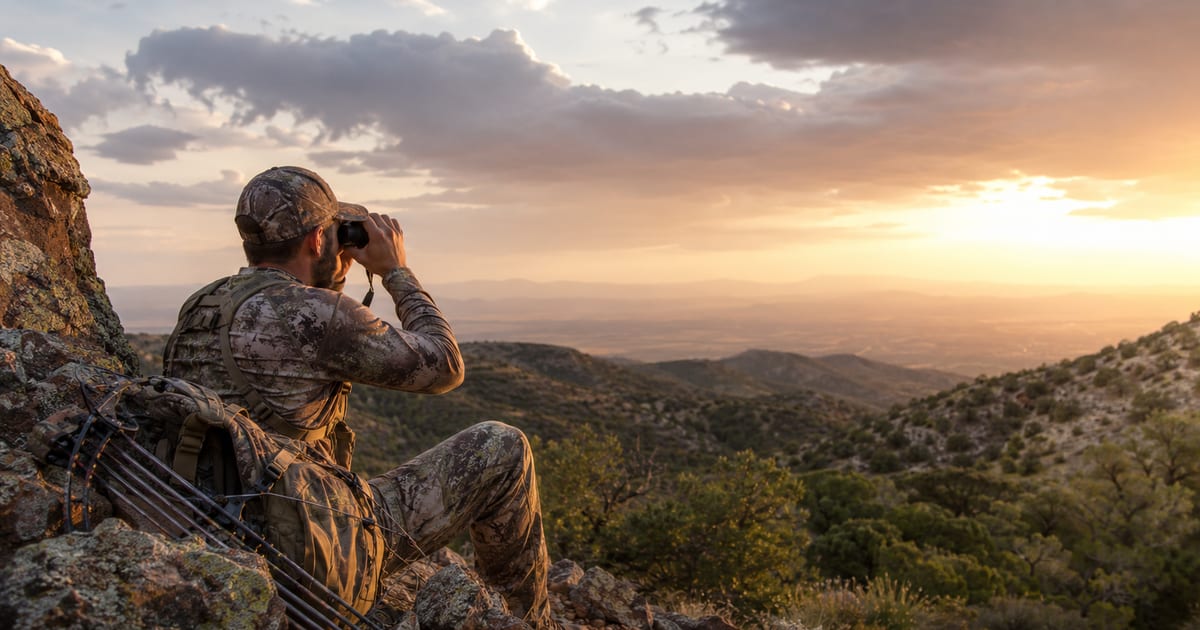
Arizona OTC Archery Deer 2026: Unit Limits and Closures
Arizona's OTC archery deer season opens August 21, 2026 — and units close the moment harvest limits fill. Here's every unit's limit, plus the best bets by real archery success rates.
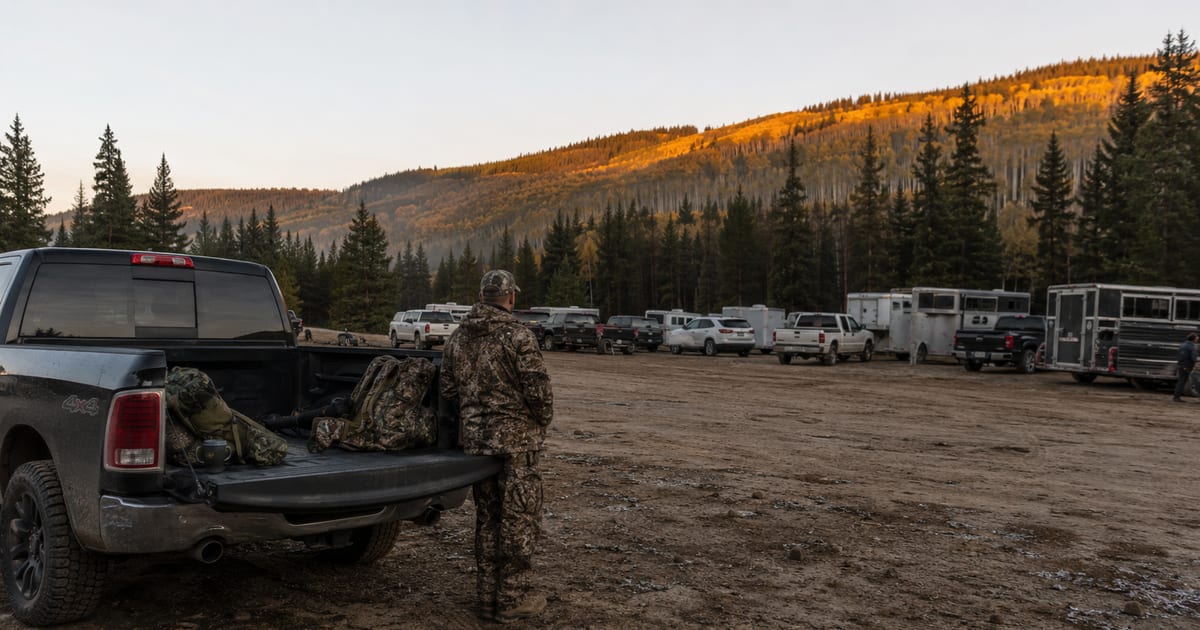
Colorado OTC Elk in 2026: What Changed for Nonresidents
Colorado eliminated unlimited nonresident OTC archery elk west of I-25 for 2026 — and Gunnison rifle tags went draw-only. Here's exactly what's still on the shelf and how to hunt this fall anyway.

Colorado Reissue Licenses: How to Grab Returned Elk Tags
Every Wednesday through fall, CPW sells back surrendered limited licenses — including elk tags nonresidents can't get any other way in 2026. Here's the Tuesday-Wednesday ritual that actually lands one.
No comments yet. Be the first to share your experience!