Wyoming Antelope Hunting: The Complete Guide
Plan your Wyoming antelope hunting trip with this complete guide. Best units, draw odds, tactics, calibers, and field care for WY pronghorn season.
This article contains affiliate links. We may earn a small commission if you purchase through these links, at no extra cost to you.
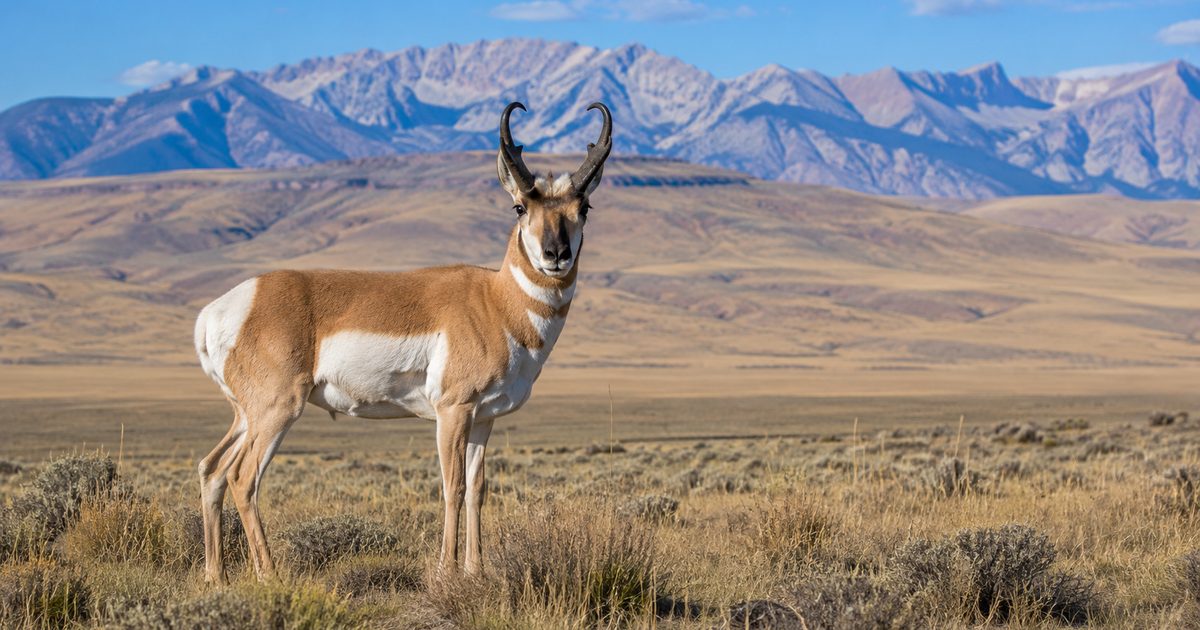
Wyoming is pronghorn country. The state holds more antelope than people in most of its counties and produces more pronghorn tags than every other state combined. If you’ve never hunted antelope, Wyoming antelope hunting is where you start. If you’ve been chasing pronghorn for years, it’s where you keep coming back. No other state offers this combination of animal numbers, public land access, draw odds, and wide-open hunting that’ll test your shooting, stalking, and patience all in the same day.
The state’s pronghorn population fluctuates between 400,000 and 500,000 animals across millions of acres of sagebrush prairie, grassland, and high-desert plateau. Roughly 50,000 to 60,000 pronghorn tags go out annually — more than any other state by a massive margin. For nonresidents, the draw odds are genuinely good, the costs are reasonable, and the hunting itself is unlike anything else in North America.
This guide covers everything you need to plan a Wyoming antelope hunt from application to field care: the best units, how the draw works, what it costs, proven tactics, caliber recommendations, and how to handle meat when it’s 80°F at midday.
Use our Draw Odds Engine to check current draw odds for any Wyoming pronghorn unit before you apply.
Understanding Wyoming’s Pronghorn Draw
Pronghorn hunting in Wyoming runs through a hunt area system with individual tag allocations per area. Each area has a set number of tags for residents and nonresidents, and the draw determines who gets them. The system is straightforward once you understand the structure.
Tag Types
Wyoming issues four pronghorn tag types. Type 1 (Buck/Doe) is the standard tag — it lets you harvest one antelope of either sex and covers the vast majority of applicants. Type 2 (Doe/Fawn) restricts harvest to does or fawns and serves primarily as a population management tool in high-density areas; draw odds tend to run better than Type 1, and Wyoming often offers multiple areas to choose from. For bowhunters, Type 6 is the archery-only pronghorn tag drawn separately from the rifle pool, while Type 7 is the archery equivalent for does and fawns.
How the Draw Works
Wyoming runs the same preference/random hybrid draw for pronghorn that it uses for elk and deer. Seventy-five percent of tags flow to the preference pool where the highest-point applicants draw first. The remaining 25% go to the random pool, where every applicant — zero points or twenty — has a legitimate shot. That split means first-time applicants can draw premium buck tags through sheer luck, while dedicated point builders can plot a course toward specific areas and count on it.
Nonresident Draw Odds
Here’s where Wyoming pronghorn stands out. Unlike elk or deer where nonresident competition is fierce, pronghorn draw odds for nonresidents are remarkably good:
- Many Type 1 (buck) areas: 40 to 80% draw odds for nonresidents
- Less popular areas: 80 to 100% draw odds — some areas have more tags than applicants
- Type 2 (doe) tags: Often 90%+ draw odds
- Premium trophy areas: 10 to 30% odds, still dramatically better than premium elk units
For most hunt areas, you can expect to draw a Wyoming pronghorn tag within 1 to 2 years of applying. Some areas draw on the first try every year. Compare that to a 15-year wait for a premium Colorado elk unit and you’ll understand why pronghorn hunting is the best entry point into Western hunting.
Cost Breakdown (Nonresident)
| Fee | Cost |
|---|---|
| NR pronghorn license (Type 1) | $302 |
| Application fee | $30 |
| Conservation stamp | $25 |
| Total | ~$357 |
That’s roughly half the cost of a nonresident elk tag in most states. Add travel, lodging, and supplies and a DIY pronghorn hunt from the Midwest or East Coast runs $1,500 to $3,000 total — one of the most affordable Western hunting trips available.
Application Timeline
The application window opens early January (nonresident elk closed February 2, 2026; resident elk/deer/pronghorn closed June 1; moose/sheep/goat/bison closed April 30) — check WGFD for exact dates each year. Draw results typically drop in May. If you miss the draw or want a backup option, leftover tags hit the WGFD website right after results publish and sell first-come, first-served.
Don’t miss the January deadline. It’s one of the earliest in Western hunting and catches a lot of first-time applicants off guard. Keep track of every state’s timeline with our Hunt Unit Finder tool.
Apply by June 1 — Wyoming's Pronghorn Deadline
Wyoming’s pronghorn application closes June 1 — the same window as resident elk and deer. Set a calendar alert for mid-May and submit by June 1. Missing the deadline means waiting another full year for the limited-quota draw. If you’re planning your first Western trip around pronghorn, this is the date that controls everything. (Wyoming’s nonresident elk deadline closed earlier — February 2 in 2026 — and moose/sheep/goat/bison closed April 30. Verify the current year’s exact dates at wgfd.wyo.gov.)
Best Hunt Areas for Wyoming Pronghorn
The state divides its pronghorn country into numbered hunt areas, each with its own tag allocation and character. Quality varies significantly between areas based on animal density, buck-to-doe ratios, public land access, and terrain. Here are the top areas, organized by what kind of hunt you’re after.
Area 35 — Southeast Wyoming Trophy Opportunity
Location: Southeast of Casper, primarily Converse and Natrona counties
Why it’s good: Area 35 consistently produces above-average bucks with good horn length and mass. Sagebrush prairie mixes with rolling hills that give stalkers natural cover and workable approach angles. Public land access through BLM tracts is solid, though private land dominates some sections.
Draw odds (NR Type 1): 30 to 50% — competitive but realistic within 1 to 2 years.
Terrain: Rolling sagebrush hills, shallow draws, some agricultural edges. Good spot-and-stalk terrain with enough topography to hide your approach.
Access: Mix of BLM public land and private ranches. Walk-in areas and PLPW (Private Land Public Wildlife) access provide additional options. Carry your onX or HuntStand maps — land ownership boundaries matter here.
Area 55 — High Numbers, Consistent Action
Location: Central Wyoming, south of Thermopolis in the Bighorn Basin
Why it’s good: Area 55 holds strong pronghorn numbers year after year. This isn’t a trophy-first area — it’s a numbers area where you’ll see dozens of antelope daily and have multiple opportunities at bucks in the 12 to 14-inch range. First-time pronghorn hunters thrive here because the animal density forgives mistakes.
Draw odds (NR Type 1): 50 to 75% — most applicants draw within the first year.
Terrain: Open sagebrush flats with scattered buttes. Classic pronghorn country where you can glass for miles. Less topographic cover means longer stalks but better glassing opportunities.
Access: Good BLM access throughout the area. Some walk-in program lands available. Less private-land pressure than southeast areas.
Area 64 — Public Land Paradise
Location: Southwest Wyoming, south of Rock Springs
Why it’s good: Area 64 sits on some of the most accessible public land in the state. BLM ground dominates the country, which means you can hunt for days without hitting a fence post or worrying about trespassing. Pronghorn density is moderate to high, and the open terrain suits spot-and-stalk hunters who don’t mind covering ground.
Draw odds (NR Type 1): 60 to 85% — one of the easier draws in the state.
Terrain: High-desert sagebrush with minimal topographic relief. Wide-open country where pronghorn can see you from a mile out. Patience and careful use of terrain features are non-negotiable.
Access: Predominantly BLM public land. Excellent road network for access. Relatively low hunting pressure despite good animal numbers.
Area 66 — Southwest Quality
Location: Southwest Wyoming near Kemmerer
Why it’s good: Area 66 produces quality bucks in the 13 to 15-inch range with enough public land to make it a legitimate DIY destination. The terrain includes more topographic variation than the flat desert areas, giving stalkers natural cover.
Draw odds (NR Type 1): 40 to 65% — solid odds that improve quickly with a point or two.
Terrain: Sagebrush steppe with rolling hills and shallow canyons. Better stalking terrain than the flat desert areas.
Access: Mix of BLM and state land with some private. Check access maps carefully — private land surrounds some public parcels, cutting off road access entirely.
Area 78 — The Sleeper Pick
Location: East-central Wyoming, northeast of Rawlins
Why it’s good: Area 78 doesn’t get the attention of the more famous areas, which keeps draw odds favorable and hunting pressure low. Pronghorn numbers are consistently solid and the mix of public land access makes it a great DIY option for hunters who don’t mind being off the beaten path.
Draw odds (NR Type 1): 55 to 80% — many years draw at 70%+.
Terrain: Mixed sagebrush and grass prairie with moderate rolling terrain. Some irrigated agriculture that concentrates pronghorn during hot weather.
Access: Good BLM access with some state trust land. Less developed road network means you may need to walk further from the truck, but that keeps other hunters at bay.
Area 88 — Northeastern Opportunity
Location: Northeast Wyoming near Gillette and the Powder River Basin
Why it’s good: Area 88 benefits from the energy industry — oil and gas roads provide excellent access to otherwise remote country, and pronghorn populations have remained strong despite development. The area produces consistent 12 to 14-inch bucks with occasional 15-inch trophies.
Draw odds (NR Type 1): 45 to 70% — reasonable odds with a mix of public and private access.
Terrain: Sagebrush and grassland prairie with coal-bed methane roads providing access. Rolling hills with scattered draws.
Access: Mix of public and private. Energy industry roads are generally open to public travel but verify access before hunting. PLPW lands provide additional options.
Area 96 — Southern Wyoming Consistent Producer
Location: Southern Wyoming along the Colorado border
Why it’s good: Area 96 is a consistent producer with good buck-to-doe ratios and enough public land to make DIY hunting viable. Its location near the Colorado border makes it convenient for hunters driving up from the Front Range.
Draw odds (NR Type 1): 50 to 75% — draws well for first-time and low-point applicants.
Terrain: High-desert sagebrush transitioning to grass prairie. Elevations of 6,500 to 7,500 feet keep temperatures slightly cooler than the lower desert areas.
Access: BLM and state land with some private mixed in. Good road access along the southern border.
Seasons and Timing
Wyoming structures its pronghorn seasons to distribute hunting pressure and deliver different experiences throughout the fall.
Season Dates (Typical)
| Season | Approximate Dates | Notes |
|---|---|---|
| Archery | August 15 – September 30 | Separate tag required; hot weather |
| Rifle | October 1 – October 31 | Most popular; best weather balance |
| Late/Extended | November 1 – November 30 | Select areas only; cold and windy |
Exact dates vary by area and year — always verify with the Wyoming Game and Fish Department before planning your trip.
Best Time to Hunt
Early October is the sweet spot for rifle hunters. The heat has broken. Here’s why it matters:
- Temperatures have dropped from the brutal August/September heat, making field care much easier
- Pronghorn are still in their summer/early fall patterns before winter migration pushes them out
- Bucks are beginning pre-rut behavior — less skittish than late-season animals and sometimes approachable with decoys
- Weather is generally mild with cold mornings and comfortable afternoons
Late October brings colder temperatures and the onset of the rut. Bucks become unpredictable — sometimes aggressive and approachable, sometimes running flat out across the prairie.
August/September archery is a test of endurance. Temperatures regularly hit 80 to 90°F, water sources become critical funnels, and dehydration is a real risk for both the hunter and the meat. The upside: waterhole hunting is devastatingly effective and the empty prairie is yours.
Pronghorn Hunting Tactics
Pronghorn hunting looks simple from a distance. The animals are standing right there on the open prairie where you can see them from two miles away. How hard can it be?
Very. Pronghorn have the best eyesight of any North American game animal — they can detect movement at distances that would make a mule deer jealous. They run 55 mph. They live in terrain with almost no cover. And they’ve survived millions of years of predation by being paranoid, fast, and nearly impossible to sneak up on.
Here are the three primary tactics that actually work.
Spot-and-Stalk
The most rewarding and most challenging approach. Spot-and-stalk pronghorn hunting requires patience, terrain reading, and a willingness to crawl on your belly through cactus and sage.
How it works:
- Glass from an elevated position — a butte, ridge, or even the roof of your truck. Find a buck you want to pursue.
- Plan your approach using terrain features: draws, ridgelines, dips, fence lines, anything that breaks the line of sight between you and the antelope.
- Move when the buck’s head is down feeding. Freeze when he looks up. This can take 30 minutes or 3 hours depending on the terrain.
- Close to within 300 yards if rifle hunting, 50 yards if archery.
- Take a stable shot from prone or sitting position.
Tips:
- Crawling is part of the deal. Wear knee pads and elbow pads. Your body will thank you.
- Wind matters. Pronghorn have a decent sense of smell — not as keen as elk but good enough to bust you at 200 yards with a favorable breeze.
- Don’t skylining yourself. Pronghorn detect silhouettes on ridgelines instantly. Stay below the crest until you’re ready to shoot.
- Take your time. Rushing the last 100 yards is how 90% of spot-and-stalk attempts fail.
Waterhole Hunting
The most popular archery method and one of the most effective rifle tactics during hot weather. Pronghorn need water, and in much of Wyoming, nature doesn’t give them many options — water sources are scarce, predictable, and hit on a schedule you can count on.
How it works:
- Scout water sources before the season. Stock tanks, windmill ponds, creek crossings, and natural seeps all attract pronghorn.
- Set up a ground blind or natural concealment 20 to 40 yards from the water’s edge for archery, 100 to 200 yards for rifle.
- Get in the blind early — pronghorn typically water between 8 AM and 11 AM and again between 3 PM and dark.
- Wait. Pronghorn will approach water cautiously. A mature buck may circle the water source for 30 minutes before committing to drink.
Tips:
- Set up your blind at least a week before the season so pronghorn acclimate to its presence.
- Position downwind of the water — always.
- Bring plenty of your own water. Sitting in a blind for 8 hours in August heat is no joke.
- Multiple animals will visit the same water source. Be patient and selective — that first doe might be followed by the buck you’re after.
Decoying
Decoying exploits the pronghorn’s territorial nature, particularly during the pre-rut and rut in September and October. A buck that won’t tolerate another buck near his does can be lured to within shooting range.
How it works:
- Identify a herd buck tending does on open prairie.
- Set up a pronghorn decoy (Montana Decoy or similar) at a visible distance — 200 to 400 yards.
- Low-crawl or belly-crawl into position behind the decoy.
- Slowly raise the decoy above the sage. The herd buck should spot it and come to investigate.
- When the buck closes to your comfortable range, set the decoy down and take your shot.
Tips:
- This works best during the rut when bucks are aggressive and territorial.
- Some bucks sprint in — be ready for a fast shot opportunity.
- Other bucks want nothing to do with a fight and will run the other direction. That’s just pronghorn.
- Never skyline the decoy from a vehicle — set up well away from the road.
- Decoying works for both archery and rifle, though it’s most valuable for closing distance on archery hunts.
Shot Distance and Caliber Recommendations
Pronghorn hunting involves longer shots than most other North American big game. The terrain is flat, cover is minimal, and getting inside 200 yards requires significant effort (or a waterhole setup). Most rifle pronghorn are shot between 200 and 400 yards, with some extending past that depending on the hunter’s capability.
Effective Range Planning
| Range | Difficulty | Setup Required |
|---|---|---|
| Under 100 yards | Waterhole or exceptional stalk | Blind or ground-level approach |
| 100-200 yards | Good stalk with terrain features | Crawling and patience |
| 200-300 yards | Standard rifle range for stalks | Solid rest, known drop chart |
| 300-400 yards | Common in flat terrain | Rangefinder, known ballistics, wind reading |
| 400+ yards | Possible but not recommended unless practiced | Considerable skill, stable position, benign wind |
Know your limits. A pronghorn’s kill zone is roughly 8 inches across — much smaller than an elk’s. At 400 yards with a 10 mph crosswind, you need to know exactly where your bullet is going. If you can’t consistently hit an 8-inch circle at your intended shooting distance, close the gap or pass the shot.
Run your specific load through our Ballistics Calculator before the hunt so you have your drop chart locked down cold.
Recommended Calibers
Pronghorn don’t require a magnum. They weigh 90 to 130 pounds and have thin skin with light bone structure. What you need is accuracy, flat trajectory, and good wind performance.
Top picks:
-
6.5 Creedmoor — The default pronghorn cartridge for good reason. Flat shooting, minimal recoil, excellent wind performance, and inherently accurate. A 140-grain ELD-X is deadly on pronghorn at any reasonable range.
-
6.5 PRC — More velocity and energy than the Creedmoor with similar ballistic characteristics. Overkill for pronghorn, but if you already own one for elk, it works perfectly on antelope.
-
.243 Winchester — A classic pronghorn cartridge. Light recoil makes it ideal for newer hunters or anyone who wants to shoot well without punishment. Use a quality 90 to 100-grain bullet.
-
.308 Winchester — Heavier than necessary but utterly reliable. A 150-grain Nosler Ballistic Tip or similar rapid-expansion bullet is the right choice — don’t use heavy bonded bullets designed for elk.
-
.270 Winchester — Jack O’Connor’s favorite and still one of the best options for the mixed-bag Western hunter. Flat trajectory and proven performance on everything from pronghorn to mule deer.
-
7mm-08 Remington — Excellent pronghorn cartridge that combines flat trajectory with light recoil. The 140-grain Berger VLD or Hornady ELD-X shoots flat and kills cleanly.
Bullet selection tip: Use controlled-expansion or rapid-expansion bullets, not heavy bonded penetrators designed for elk. Pronghorn don’t require deep penetration — they need a bullet that opens quickly and transfers energy efficiently. Nosler Ballistic Tip, Hornady ELD-X, and Berger VLD are all excellent choices.
Optics
Bring the best glass you can afford. You’ll spend more time behind binoculars and spotting scopes than behind your rifle. A quality 10x42 binocular and a 15-45x spotting scope are critical for evaluating bucks at distance and planning stalks.
Mount a scope with enough magnification for long shots — 4-16x or 5-25x with a first focal plane reticle and exposed turrets if you plan to dial for distance. A good laser rangefinder rated to 1,000+ yards is mandatory, not optional.
Wyoming Wind Drifts Bullets More Than You Think — Practice Accordingly
A 10 mph crosswind moves a 140-grain 6.5 Creedmoor about 7 inches at 300 yards and 14 inches at 400 yards. Wyoming prairie wind is rarely 10 mph — it’s more often 15-25 mph, sustained. Before your hunt, spend a session at the range in real wind conditions, reading flags and adjusting your hold. Most hunters who miss pronghorn at distance aren’t reading wind correctly. Dial your drop, hold for wind, and know those two variables cold before your hunt starts.
Field Care in the Heat
This is where many pronghorn hunts go wrong. A September archery kill or even an early October rifle kill can happen in 70 to 85°F temperatures. Pronghorn are small, thin-skinned animals that sour fast in warm conditions. Mishandle the meat and you’ll understand why some hunters claim antelope “tastes bad” — it doesn’t, when handled correctly.
Immediate Actions After the Shot
- Get to the animal quickly. Once you’ve confirmed the animal is dead, the clock starts.
- Gut it immediately. Field dress within 15 to 20 minutes of the kill. The viscera retain heat and accelerate bacterial growth.
- Prop the body cavity open with a stick to allow air circulation.
- Get the hide off as fast as possible. Pronghorn hide is an excellent insulator — leaving it on is like wrapping the meat in a blanket.
Cooling the Meat
Game bags are mandatory — after skinning, get every piece of meat into breathable bags immediately to block flies and dust while letting air move across the surface. If the truck is more than a short walk away, hang the bags in whatever shade you can find and get them off the ground to catch airflow. Quarter the animal in the field, bag the quarters, and prioritize getting to the cooler.
The two-hour rule applies hard in warm weather: above 70°F, you have roughly two hours from the shot to ice before meat quality starts slipping. That’s not a lot of time when you’re a mile from the truck. Build your field care plan around that number before the hunt, not after.
The Hide-On Rule Ruins More Pronghorn Than Bad Shooting
More hunters have ruined pronghorn meat by leaving the hide on than by poor shot placement. The hide insulates the animal almost perfectly — body heat trapped under the skin sours the meat faster than nearly any other factor. Get the hide off within 20-30 minutes of the kill. This means you need a sharp knife, game bags, and a plan before you ever pull the trigger. In 80°F September heat, the difference between excellent table fare and a meat loss is often just 45 minutes of post-kill laziness.
Processing Tips
- Remove all fat and connective tissue. Pronghorn fat carries a strong, unpleasant flavor — it’s not like beef fat. Strip every bit of it during processing.
- Keep the meat cold and dry. Change the ice in your coolers daily and drain meltwater so the meat doesn’t sit in water.
- Age in a cooler for 3 to 5 days at 34 to 38°F if possible. This tenderizes the meat and improves flavor.
- Process into steaks, roasts, and burger. Backstraps and tenderloins are the premium cuts. Hindquarter roasts are excellent slow-cooked. Trim the rest for burger — mixed 80/20 with beef or pork fat.
Properly handled pronghorn is some of the best wild game meat available — lean, clean-tasting, and tender. The hunters who say otherwise left the hide on for two hours in September sun.
Planning Your Trip: Logistics
Getting There
Most Wyoming pronghorn hunts center on a few key towns that serve as staging areas:
- Casper — Central Wyoming, close to Areas 35, 55, 78, and many others. Commercial airport.
- Rock Springs — Southwest Wyoming, gateway to Areas 64 and 66. Small commercial airport.
- Gillette — Northeast Wyoming, close to Area 88. Small commercial airport.
- Rawlins — South-central Wyoming, access to Areas 78 and 96. No commercial airport — drive from Casper, Laramie, or Denver.
If you’re driving from Colorado’s Front Range, most southern Wyoming pronghorn areas are 3 to 5 hours from Denver. From the Midwest, plan on a full day of driving.
Lodging and Camp
- Motels in town: Budget $80 to $150/night. Available in all staging towns. Nice for the first-time pronghorn hunter who wants a hot shower after a day of crawling through sage.
- Truck camping on BLM land: Free. Most BLM land permits dispersed camping up to 14 days — no fee, no reservation. Bring your own water because the high desert doesn’t provide any.
- Wall tents or trailers: The mid-ground between comfort and cost. Popular with groups and repeat hunters who establish camps in productive areas.
What to Bring
Start with optics: 10x42 binoculars at minimum, a spotting scope on a tripod, and a laser rangefinder rated to 1,000+ yards. For shooting, bring sticks or a bipod — prone shots on flat terrain are the norm, not the exception. Toss in knee pads and elbow pads because you will be crawling. Sun protection matters more than most hunters expect; hat, sunscreen, and some kind of shade for glassing sessions are not optional in the Wyoming high desert.
For field care, pack breathable game bags, sharp knives, a bone saw, and at least 40 pounds of ice per animal in hard-sided coolers. Water is critical — carry a minimum of one gallon per person per day in the field. Load OnX or HuntStand offline before you leave home, with Wyoming land ownership layers active. Cell coverage in pronghorn country ranges from spotty to nonexistent.
Public Land Access
Wyoming has excellent public land access for pronghorn hunting, but knowing where the boundaries fall is your responsibility. BLM ground dominates southwest and central Wyoming and requires no special permit beyond your hunting license. State trust land works the same way — a valid license covers you, and sections show up on any quality mapping app. Beyond that, Wyoming’s PLPW (Private Land Public Wildlife) program pays ranchers to open their private ground to public hunters; check the WGFD website for enrolled properties in your specific hunt area. Walk-in areas add a few more options, though they’re limited in number.
Always verify land status with current maps. Property boundaries in ranch country aren’t always fenced, and trespassing on private land in Wyoming is a quick way to lose your hunting privileges.
If you’re also planning an elk trip in the same state, our Wyoming Elk Hunting Complete Guide covers everything from draw strategy to unit selection.
Common Mistakes First-Time Pronghorn Hunters Make
Shooting too far without practice. The open terrain tempts hunters into 500-yard shots they haven’t practiced. Pronghorn are small targets in big country. Know your limit and stick to it.
Wyoming wind is a variable most first-timers underestimate. It blows constantly, and a 15 mph crosswind pushes a 140-grain 6.5 Creedmoor roughly 10 inches at 400 yards. If you’re not actively reading the wind and adjusting your hold before the shot, you’re going to be tracking a wounded animal instead of filling coolers.
Poor field care in heat. We covered this above, but it bears repeating: get the hide off and the meat on ice fast. An hour of laziness ruins a week’s worth of meat.
Not bringing enough water. The high desert is dry, hot, and shadeless. Dehydration sneaks up on you. Carry more water than you think you need.
Ignoring the BLM map. Don’t assume that open sagebrush is public land. Large blocks of private land in Wyoming look identical to BLM ground. Check your maps before every stalk.
Rushing the stalk. Pronghorn aren’t going anywhere. They’ll feed in the same area for hours. Take your time planning an approach rather than charging in and blowing them out.
Targeting the first buck you see. In most Wyoming pronghorn areas, you’ll see bucks all day long. Glass several before committing to a stalk. You might find a significantly better buck a half-mile away.
Frequently Asked Questions
How hard is it to draw a Wyoming antelope tag as a nonresident?
Not hard at all compared to most Western big game hunts. Many hunt areas draw at 50 to 80% odds for nonresident Type 1 (buck) tags, and some areas have more tags than applicants. Most first-time applicants draw within 1 to 2 years. Wyoming’s 25% random pool means even premium areas give zero-point hunters a real chance.
What is the best caliber for pronghorn hunting?
The 6.5 Creedmoor is the most popular choice for good reason — flat trajectory, light recoil, and excellent accuracy. The .243 Winchester, .270 Winchester, and 7mm-08 are also excellent options. Avoid heavy-recoiling magnums that are overkill for a 100-pound animal. Accuracy and bullet placement matter far more than raw power on pronghorn.
When is the best time to hunt pronghorn in Wyoming?
Early to mid-October offers the best balance of weather, animal behavior, and field-care conditions. Temperatures have cooled from summer heat, bucks are active with pre-rut behavior, and you still have long daylight hours. August and September archery hunts work but require extreme attention to heat management.
How far should I be prepared to shoot?
Most rifle pronghorn are taken between 200 and 350 yards. Practice to at least 400 yards if your equipment and skill level allow it, but don’t feel pressured to shoot beyond your competence. A well-executed stalk to 200 yards beats a marginal 500-yard shot every time.
Is Wyoming antelope meat good to eat?
Properly handled pronghorn is excellent — lean, mild, and tender. The key is getting the hide off and meat cooled quickly after the kill. Remove all fat during processing, as pronghorn fat carries an unpleasant flavor unlike beef or elk fat. Mishandled field care is the single biggest reason hunters dislike pronghorn meat.
Can I hunt pronghorn on public land in Wyoming?
Absolutely. Wyoming has millions of acres of BLM and state trust land open to pronghorn hunting. Many of the best hunt areas are predominantly public land, especially in southwest and central Wyoming. Use OnX or similar mapping apps to verify land boundaries before hunting, and look into PLPW (Private Land Public Wildlife) access for additional opportunities on enrolled private ranches.
Do I need a guide for Wyoming pronghorn?
No. Wyoming pronghorn is one of the most accessible DIY Western hunts available. The terrain is open and easy to navigate, the animals are visible from long distances, and public land access is excellent. A guided hunt costs $2,500 to $4,000, while a DIY trip runs $1,500 to $2,500 including travel and lodging. Save your guide budget for a backcountry elk hunt.
What do I need for a Wyoming pronghorn hunt besides a rifle?
Quality optics are the single most important non-firearm item. Bring 10x42 binoculars, a spotting scope on a tripod, and a laser rangefinder. Knee and elbow pads for crawling, shooting sticks or a bipod for stable shots, and sun protection are all must-haves. For field care, bring game bags, sharp knives, and coolers with plenty of ice. Don’t forget at least a gallon of water per person per day.
Making It Happen
A Wyoming pronghorn hunt is the most accessible, affordable, and enjoyable Western hunting trip available. The draw odds are favorable, the costs are reasonable, the public land access is outstanding, and the hunting itself — glassing across miles of sage, belly-crawling through cactus, and threading a bullet across 300 yards of Wyoming wind — is one of the best experiences in hunting.
Apply in January. Draw your tag in May. Scout your area on Google Earth and digital mapping apps through the summer. Drive out in October. And when you’re glassing a big buck across a mile of open prairie, trying to figure out how to close 1,500 yards without being seen, you’ll understand why hunters keep coming back to Wyoming pronghorn country year after year.
If you’re building a multi-state Western hunting plan, combine your Wyoming pronghorn application with elk and deer to maximize your time in the draw system. Check our Draw Odds Engine for current odds across all species and use the Hunt Unit Finder to identify the best areas for your goals.
Sources & verification
Seasons, license fees, application windows, and draw structure for Wyoming change every year. Always verify the current details against the official Wyoming agency before applying or hunting.
- Wyoming Game & Fish Department — wgfd.wyo.gov
Next Step
Check Draw Odds for Your State
Tag-level draw odds across 9 western states — filter by species, unit, weapon, and points. Free to use.
Get the Insider Edge
Join hunters getting exclusive draw odds data, gear deals, and weekly hunt planning tips.
Related Articles

Arizona Unit 36 Border Country Guide
Units 36A, 36B, and 36C sit along the Mexican border west of Nogales — overlooked Coues and javelina country with low draw requirements and solid hunting.

Montana General Elk Tag: Everything You Need to Know
The Montana general elk tag explained — who can buy one, what it covers, best districts, season dates, nonresident options, costs, and tactics for public land.

Arizona Unit 22 Guide: Tonto Basin
Unit 22 runs across the Tonto Basin and the Salt River country — productive elk in the highlands, accessible javelina in the desert, and some of Arizona's most underrated deer country.
No comments yet. Be the first to share your experience!