Leftover Tags: A Western Hunter's Guide
Most western states release unsold draw tags as leftover or second-chance sales. Here's when each state drops its list and which species to target.
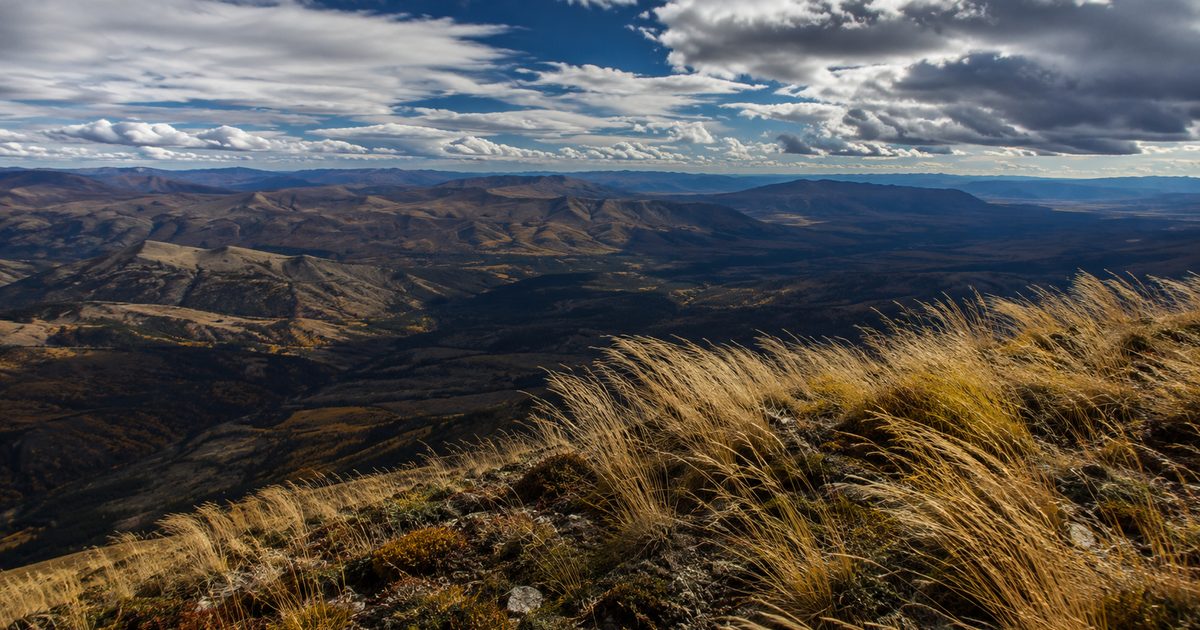
Every western state runs a draw, and every draw produces leftovers. When applications close and tags are distributed, some units simply don’t fill. Nobody applied for them, or applicants had first-choice preferences that consumed their tag, leaving second-choice units empty. Those unsold tags don’t disappear — states release them in leftover or “second-chance” sales, typically on a first-come-first-served basis sometime between late May and October. If you know when each state’s list drops and what to look for, leftover sales become one of the more underutilized tools in a western hunter’s strategy.
This isn’t a secret. But most hunters treat leftover sales as an afterthought — something you check once and forget about. The hunters who consistently fill tags run a more deliberate system: accounts pre-registered on every state portal, unit lists bookmarked, calendar alerts set, and a clear plan for what they’ll buy if the right tag appears.
What Leftover Tags Actually Are
A leftover tag is any limited-entry or special permit that didn’t sell during the main draw. Some units are genuinely low-demand — remote, hard to access, or low-reputation among applicants. Others see leftovers because applicants drew first-choice tags and the system couldn’t fill their lower preferences. In states with nonresident draw caps, resident pools sometimes go undersubscribed in certain units.
Leftover tags carry the same legal weight as drawn tags — same seasons, same unit boundaries, same access. You’re just buying directly instead of going through the lottery.
The realistic quality expectation: most leftover tags are not the crown jewels. Top trophy units — the ones with five-year waiting lists and 350-class bulls on the game cameras — sell out in the main draw. What remains tends to be mid-tier units, cow or antlerless permits, and tags in areas that require more effort to hunt than most applicants want to commit. That said, “mid-tier” in Colorado or Wyoming is often excellent hunting by any reasonable standard. And occasionally, a genuinely good antlered tag slips through — especially for pronghorn, bear, and mule deer in lightly pressured units.
Why the Leftover List Matters to a Serious Hunter
Point-building years are dead time if all you’re doing is applying and waiting. Leftover tags let you hunt during gap years — years when your point total isn’t yet competitive for your target unit — without burning your accumulated points. You’re still in the field, still learning country, still eating wild meat. A leftover cow elk tag in a solid unit beats sitting home every time.
There’s a secondary advantage: leftover hunters often face less competition in the field. Hunters who drew tags months earlier had time to pre-scout and lock in access. The leftover buyer who does homework between the sale date and opener can show up better prepared than the average hunter in that unit.
State-by-State Breakdown
| State | Release Window | Species Available | Where to Buy | Notes |
|---|---|---|---|---|
| Colorado | Mid-June through mid-July | Pronghorn, mule deer, cow elk, bear | cpwshop.com | Highest demand — log in at sale time |
| Wyoming | July | Antelope, deer, cow/spike elk | wgfd.wyo.gov | Competitive for pronghorn; check NR eligibility dates |
| Montana | Post-draw (varies) | Limited selection varies by year | fwp.mt.gov | Residual tags only; small pool each year |
| Idaho | June through July | Mule deer, pronghorn | idfg.idaho.gov/licenses | Stock often lasts days to weeks |
| Oregon | July through August | Deer, pronghorn, cow elk | odfw.com | Lower demand; often available after release |
| Utah | June through July | Limited; mostly general season overflow | wildlife.utah.gov | Leftover pool is small; act fast |
| New Mexico | July | Deer, pronghorn, occasional elk | onlinesales.wildlife.state.nm.us | Already a lottery; leftovers add a second bite |
| Arizona | September through October | Private land tags; auction tags separate | azgfd.gov | Leftover pool is small; check for private land units |
| Nevada | Very limited; late summer | Varies by year | ndow.org | One of the smallest leftover pools in the West |
Colorado
Colorado runs one of the more robust leftover sales in the West. Tags become available through the CPW online shop in mid-June, with the exact date announced on the CPW website. Pronghorn and mule deer dominate the list in most years, along with cow elk tags across a range of units and black bear. Bull elk leftovers do appear — mostly in lower-demand units or later archery seasons — but expect competition. Colorado’s hunter base is large and plugged in. When the list drops, popular tags can sell within minutes.
Wyoming
Wyoming releases leftover tags in July. Antelope dominate the list in most years, with deer and some cow and spike elk tags also available. Wyoming splits some leftover pools between residents and nonresidents, with NR eligibility sometimes opening a day or two after residents. That delay matters — check wgfd.wyo.gov for the specific eligibility schedule before the sale date.
Montana
Montana’s leftover pool is the most unpredictable. Tags that don’t fill in the main draw become available as residual permits, and the pool changes year to year. Selection is limited compared to Colorado or Wyoming. Visit fwp.mt.gov after draw results are posted to see what’s available. Don’t count on Montana leftovers as a core strategy — treat them as a bonus if something useful appears.
Idaho
Idaho offers some of the most hunter-friendly leftover sales in the region. Because many Idaho hunts run on over-the-counter tags anyway, the limited-entry draw leftovers tend to be genuine opportunities in quality units. Stock often lingers for days or weeks, which removes the frantic log-in-at-midnight pressure you feel with Colorado. Check idfg.idaho.gov/licenses after draw results are released in June.
Oregon
Oregon’s leftover sale typically runs July through August. Deer and pronghorn are the primary species, with cow elk tags appearing in some years. Oregon hunters have a reputation for the sale being less competitive than Colorado or Wyoming, which means you often have time to evaluate a unit before committing. Visit odfw.com after draw results post.
Utah
Utah’s leftover pool is small. Most desirable tags sell in the main draw, and what remains tends to be general-season overflow or specific antlerless permits in limited units. Check wildlife.utah.gov in June or July for what’s available. Useful if something fits your schedule, but don’t build a Utah plan around leftover availability.
New Mexico
New Mexico’s main draw is already a pure lottery with no points, so leftover sales here are a genuine second chance. Tags available typically include deer, pronghorn, and in some years certain elk units. Visit onlinesales.wildlife.state.nm.us after draw results in July. New Mexico leftovers are worth checking given how accessible the main draw is — the state can produce quality mule deer and pronghorn.
Arizona and Nevada
Arizona’s leftover pool is limited — auction tags and conservation permits are separate from the standard draw, and conventional leftovers mostly appear in private land hunt units. Nevada runs one of the smallest leftover pools in the West. Both states are worth a late-summer check if you have specific species interest, but neither should anchor your leftover strategy.
Nonresident Eligibility Timing Varies by State
Some states sell leftover tags to residents first, then open to nonresidents — sometimes with a delay of 24 to 72 hours. Wyoming and Colorado both have NR eligibility rules you need to read carefully before the sale date. Don’t assume you can buy the moment the list drops. Check each state’s specific rules so you’re not caught off guard when the window opens.
How to Run a Leftover Strategy
Pre-Register on Every Portal Now
The worst time to create a state license portal account is during a leftover sale. Account creation and payment setup can take days in some states. When Colorado’s list drops at 9 a.m. and a pronghorn tag is available, you don’t want to be stuck on a registration screen. Create accounts on every western state portal — CPW Shop, WGFD, Montana FWP, Idaho Fish and Game, ODFW, Utah Wildlife, NM Game and Fish, AZGFD, and NDOW — before April. It takes an hour and costs nothing.
Know Your Units Before the List Drops
When the leftover list appears, you have minutes to decide on high-demand tags. Before each state’s release window opens, identify two or three units per species you’d consider. Pull the unit maps, check public land access, and look at any harvest data the state publishes. When a tag for Unit 54 appears, you should already know whether it’s worth buying.
Calibrate Your Urgency by State
Not all leftover sales require the same speed. Colorado and Wyoming leftover lists for popular species can clear in under an hour for the best tags. Oregon, Idaho, and New Mexico often have stock available for several days or longer. Match your urgency to the state. For Colorado and Wyoming, be at the portal at the opening time. For Oregon and Idaho, you have some room to evaluate before committing.
Don’t Burn the Wrong Points
Leftover tags are sold directly without a draw. In most western states, buying a leftover tag does not consume your preference or bonus points for that species — you can purchase a leftover cow elk tag in Colorado and still have your points intact for a future bull draw. Verify this rule for each state before assuming, but the two systems are generally tracked separately.
Set Calendar Alerts for Every State's Release Date
Leftover sale dates are spread across the entire spring and summer — Colorado in June, Wyoming in July, Oregon in August. Set a calendar reminder in January for each state with the approximate release window and a link to the relevant page. When your reminder fires, check the CPW or WGFD announcement page for the confirmed date and get the reminder on your calendar. Missing the sale because you forgot it was happening is the most avoidable mistake in western hunting.
Leftover Hunting vs. the Main Draw
Leftover sales are a complement to the draw, not a replacement. The main draw is still how you get access to the best units and the highest-quality tags. Build your points, apply strategically, and use the Draw Odds Engine to track where your point total is competitive and when a specific unit is within reach.
Leftover sales fill the in-between years. While you’re waiting for your Colorado elk points to ripen or your Wyoming pronghorn draw to come through, leftover tags keep you in the field. A hunter tracking applications across five states with the Application Timeline Planner and checking leftover lists each summer hunts far more often than one who applies in a single state and waits.
Stacking opportunity is how western hunters spend every fall in the field — a leftover cow tag here, an OTC archery elk there, a general deer tag in a state that doesn’t require a draw. Leftover sales belong in that stack.
Data note: Leftover sale dates, species availability, and NR eligibility rules change annually. Always verify current information on each state agency’s website before purchasing. Details in this guide reflect general patterns as of 2026.
Next Step
Check Draw Odds for Your State
Tag-level draw odds across 9 western states — filter by species, unit, weapon, and points. Free to use.
Get the Insider Edge
Join hunters getting exclusive draw odds data, gear deals, and weekly hunt planning tips.
Related Articles

Western State Draw Systems Explained
How all 9 western state hunting draw systems actually work — preference points, bonus points, and pure lotteries compared side by side with real odds data.

Arizona Bighorn Sheep Draw Odds Guide
Arizona bighorn is the definition of a lifetime tag. Here's the point math, unit breakdown, and why you apply every year regardless of your bonus point total.

Arizona Fall Turkey Draw Odds Guide
Arizona fall turkey is a low-point draw in the ponderosa country. Here's the unit breakdown, typical point requirements, and how to stack it with other Fall Draw applications.
No comments yet. Be the first to share your experience!