Utah Draw Odds: Dual Preference + Bonus System Guide
Utah runs both a preference point AND bonus point system depending on the hunt. Here's how to navigate Utah's dual point system, key species, and application timeline.
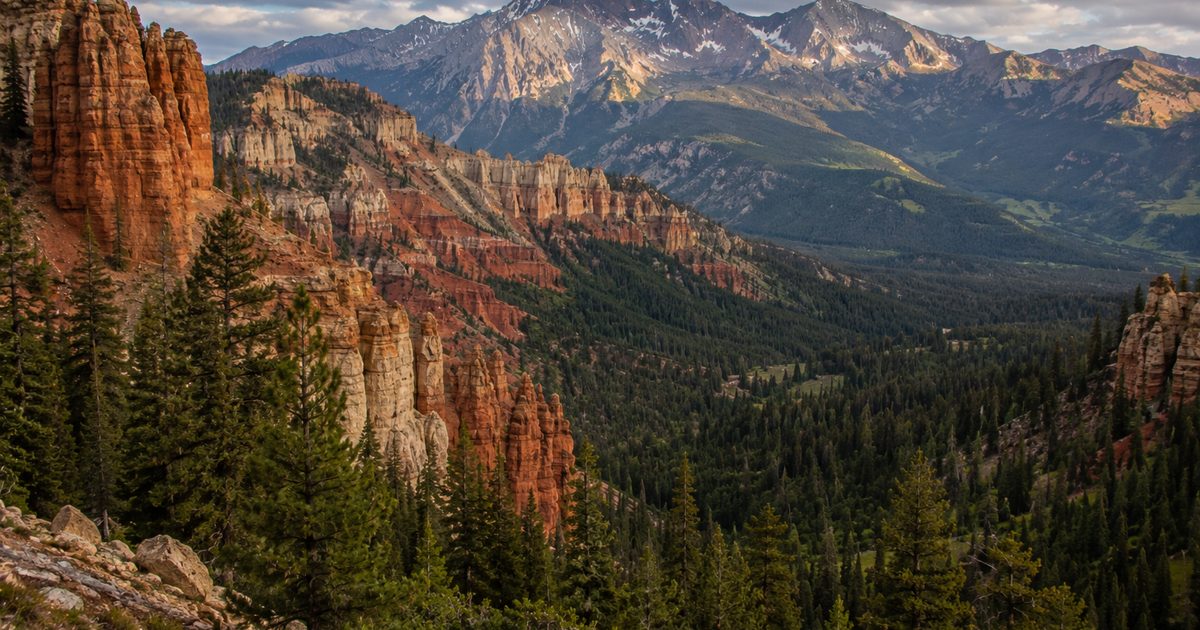
Utah is one of the few states in the West that runs two separate point systems at the same time. Most limited-entry big game species — elk, mule deer, pronghorn — use a preference point system where the highest point holders draw first. Once-in-a-lifetime species like bighorn sheep, mountain goat, and bison use a weighted bonus point system where your points generate accelerating draw entries, similar to how Nevada and Montana operate. If you’re planning a multi-year western application strategy, understanding which system applies to which hunt is the first thing you need to nail down.
Utah’s trophy quality is legitimate across the board. The Henry Mountains mule deer herd produces Boone and Crockett bucks. The Book Cliffs elk unit is consistently one of the top bull elk opportunities in the country. And the state’s bighorn sheep tags, while requiring a massive point investment, rank among the best on the continent. The tradeoff is that nonresident tag allocations are tight — approximately 10% of tags on most limited-entry hunts go to out-of-state hunters — and point requirements for premium units are steep.
Use the Draw Odds Engine to look up current odds for your species and point level. Or keep reading for the system breakdown and species-by-species overview.
Quick Facts: Utah Big Game Application
| Detail | Info |
|---|---|
| Managing Agency | Utah Division of Wildlife Resources (UDWR) |
| Application Period | Opens early January, closes mid-February |
| Draw Results | Late May to June |
| Point System | Preference points (limited-entry species) + Weighted bonus points (once-in-a-lifetime) |
| Point Cost | $10/year per species |
| NR Tag Allocation | Approximately 10% of limited-entry tags |
| OTC Tags Available | Yes — general season deer and some elk units |
| Online Application | wildlife.utah.gov |
| Hunter Ed Required | Yes — must be completed before applying |
How Utah’s Dual Point System Works
Preference Points (Most Species)
For elk, mule deer, and pronghorn, Utah runs a straight preference point system. The hunter with the most points draws first. If multiple hunters share the top point level and there aren’t enough tags for all of them, a random draw settles it within that group.
Points cost $10 per species per year to maintain. You earn a point each year you apply unsuccessfully or purchase a point-only application. If you draw a tag, your preference points for that species reset to zero.
The 10% nonresident cap is the key limiting factor. On a unit with 20 tags, only 2 go to nonresidents. That means the NR draw pool is extremely compressed — top-point holders dominate, and lower-point applicants face very long odds for premium units.
Weighted Bonus Points (Once-in-a-Lifetime Species)
For bighorn sheep, mountain goat, and bison, Utah uses a weighted bonus point system. Your point total determines how many entries you receive, with higher totals generating dramatically more entries. A hunter with 10 bonus points gets 100 entries. A hunter with 5 bonus points gets 25. A zero-point hunter gets 1 entry.
The weighted system creates massive advantage for long-term point holders, which is by design — these tags are meant to go to hunters who have invested years in the draw. Even with the weighted advantage, demand for premium bighorn units often means waiting 20 or more years as a nonresident.
$10 Points Are One of the Best Investments in Western Hunting
Utah’s preference points cost only $10 per species per year. That’s the lowest point cost of any major western draw state. If you’re not banking Utah points right now, every year you wait is a year you’ll never recover. Start buying points for elk, deer, pronghorn, and bighorn today — even if you’re not planning to hunt Utah for a decade.
Elk Draw Odds
Utah’s elk hunting is anchored by a handful of trophy units that produce some of the highest-scoring bulls taken anywhere. The Henry Mountains, Book Cliffs, and Monroe Mountain are the names that come up every time — and for good reason. These units hold mature, low-pressure bull populations with success rates that justify the long point wait.
Point Thresholds by Unit Type
Premium trophy units (Henry Mountains, Book Cliffs, Monroe Mountain, Paunsaugunt):
- Historically require 15 to 25+ nonresident points to draw
- NR draw odds at zero points are typically under 1%
- Success rates on mature bulls run 30 to 50%+ depending on method
Quality limited-entry units (many central and northeastern units):
- Draw range of approximately 5 to 12 nonresident points historically
- Represent the best value in Utah elk — solid bull quality, realistic point timeline
- NR draw odds at zero points range from 1 to 5% on typical units
Spike/any bull limited-entry units:
- Lower point requirements, some drawing with 0 to 3 points
- Good opportunity for hunters newer to the Utah system
Utah also offers some OTC archery and general season elk tags, which let you get boots on ground while banking preference points for the premium limited-entry draws. If you can only hunt one method while building points, archery elk keeps you in the game.
The Preference Point Tracker can help you log and monitor your Utah point balance across all species so nothing gets lost year to year.
Mule Deer Draw Odds
Utah mule deer is arguably the best reason to bank points in the state. The trophy potential is exceptional — Cactus Buck, Cache, Wasatch, and Henry Mountains units consistently produce 180 to 200 class bucks. Mule deer tags here are all limited-entry, meaning there’s no OTC option to fall back on if you don’t draw.
Point Thresholds by Unit Type
Top-tier trophy units (Cache, Wasatch, Book Cliffs, Henry Mountains):
- Historically require 10 to 20+ nonresident points
- NR draw odds at zero points are under 1% for the best units
- These are bucket-list tags — plan for a 15 to 20 year commitment as a nonresident
Mid-tier trophy units:
- Historically draw in the 5 to 10 point range for nonresidents
- Produce genuine trophy deer — bucks in the 160 to 185 range are achievable
- Most realistic target for nonresidents in the 5 to 12 point range
General deer tags:
- Lower quota units with more accessible draw odds
- Good option for hunters who want to hunt Utah deer while building points for premium units
If trophy mule deer is your end game, start accumulating Utah preference points immediately. The top units are among the best trophy opportunities in North America, and point creep over the last decade has pushed thresholds higher with no sign of reversing.
Pronghorn Draw Odds
Pronghorn is where Utah offers the most accessible draw opportunities for nonresidents. The state has solid antelope populations across a variety of units, and many draw with just 2 to 5 nonresident points historically. Some units see draw odds in the 10 to 20% range even for zero-point applicants.
If you’re new to Utah applications and want a realistic tag in the near term, pronghorn is the right starting point. Success rates are high, the hunting is spot-and-stalk across open terrain, and the experience will get you familiar with Utah’s application system before committing years to the elk or deer draws.
Stack Multiple Utah Species in the Same Application Cycle
Utah’s application period runs January through mid-February. You can apply for elk, deer, pronghorn, and bighorn in the same window. The $10 point cost per species makes it practical to bank points across four or five species simultaneously. Set a January calendar reminder and apply for everything every year — the cost is minimal and the upside compounds over time.
Bighorn Sheep and Once-in-a-Lifetime Species
Utah’s bighorn sheep hunts are among the most sought-after tags in the West. The state holds Rocky Mountain bighorn, desert bighorn, and California bighorn populations, with hunts spread across some spectacular canyon country.
The weighted bonus point system means long-term point holders have a dramatic advantage. A nonresident with 20 bonus points has 400 entries to a zero-point applicant’s 1 entry. Realistically, nonresident sheep tags require patience measured in decades — but the hunt quality justifies it for hunters committed to a once-in-a-lifetime experience.
Mountain goat and bison use the same weighted bonus point system. Tags are extremely limited and demand is high. Start banking bonus points for these species early, even if you’re skeptical you’ll ever draw — the weighted system rewards early starters disproportionately.
Application Timeline
| Event | Timing |
|---|---|
| Application Period Opens | Early January |
| Application Deadline | April 23 in 2026 (verify annually at wildlife.utah.gov) |
| Draw Results | Late May to June |
| License Year | January 1 through December 31 |
| Archery Elk Season | Late August through late September |
| General Rifle Deer/Elk | October through November (varies by unit) |
Missing Utah’s February deadline is a full year of lost progress. Set a reminder in early January and submit before the last week — the UDWR site can get slow as the deadline approaches.
How to Apply: Step by Step
- Create a UDWR account at wildlife.utah.gov — do this before January.
- Purchase a Utah hunting license — required before submitting any draw application.
- Complete hunter education if not already done — Utah accepts other state certifications.
- Submit applications by mid-February. You can apply for multiple species in the same session.
- For point-only: Select the point-only option if you don’t want to risk drawing a tag but want to accumulate points. Still costs the application fee.
- Check results in late May to June via your UDWR account.
- If drawn: Tag will be available in your account. Verify season dates and unit boundaries before finalizing travel.
Nonresident Strategy: Where to Focus
With 10% NR allocation, you need to be strategic about where you invest your points. A few principles that hold up over time:
Elk: Don’t ignore the mid-tier units. Premium units get all the attention, but units that draw at 5 to 12 points offer legitimate trophy hunting. Historically, these units produce 280 to 320 class bulls consistently — that’s a quality bull by any measure.
Mule Deer: If trophy deer is your goal, start banking now and plan for the long game. The top Utah mule deer units are legitimately world-class. They deserve the wait.
Pronghorn: Apply every year. The point requirements are low and the tags fill fast in better units. This is your best chance at a Utah tag in the near term.
Bighorn: Buy bonus points every year. The $10 cost is the cheapest lottery ticket in western hunting. A 20-point holder has 400x the entries of a zero-point applicant.
Use the Draw Odds Engine to model specific unit scenarios at your current point level. Utah rewards hunters who plan — every year you’re not in the system is a year you’re falling further behind.
Data Disclaimer
All point thresholds and draw odds referenced in this guide are based on historically available UDWR draw reports and represent approximate ranges. Individual year results vary based on applicant pool sizes, quota adjustments, and management decisions. Always verify current figures directly with the Utah Division of Wildlife Resources at wildlife.utah.gov before submitting applications.
Next Step
Check Draw Odds for Your State
Tag-level draw odds across 9 western states — filter by species, unit, weapon, and points. Free to use.
Get the Insider Edge
Join hunters getting exclusive draw odds data, gear deals, and weekly hunt planning tips.
Related Articles

Western State Draw Systems Explained
How all 9 western state hunting draw systems actually work — preference points, bonus points, and pure lotteries compared side by side with real odds data.

Arizona Bighorn Sheep Draw Odds Guide
Arizona bighorn is the definition of a lifetime tag. Here's the point math, unit breakdown, and why you apply every year regardless of your bonus point total.

Arizona Fall Turkey Draw Odds Guide
Arizona fall turkey is a low-point draw in the ponderosa country. Here's the unit breakdown, typical point requirements, and how to stack it with other Fall Draw applications.
No comments yet. Be the first to share your experience!