Planning a Multi-Species Season: Hunt More, Stress Less
A practical guide to building a multi-species hunting calendar — coordinating deer, elk, turkey, and waterfowl seasons across multiple states without burning out or going broke.
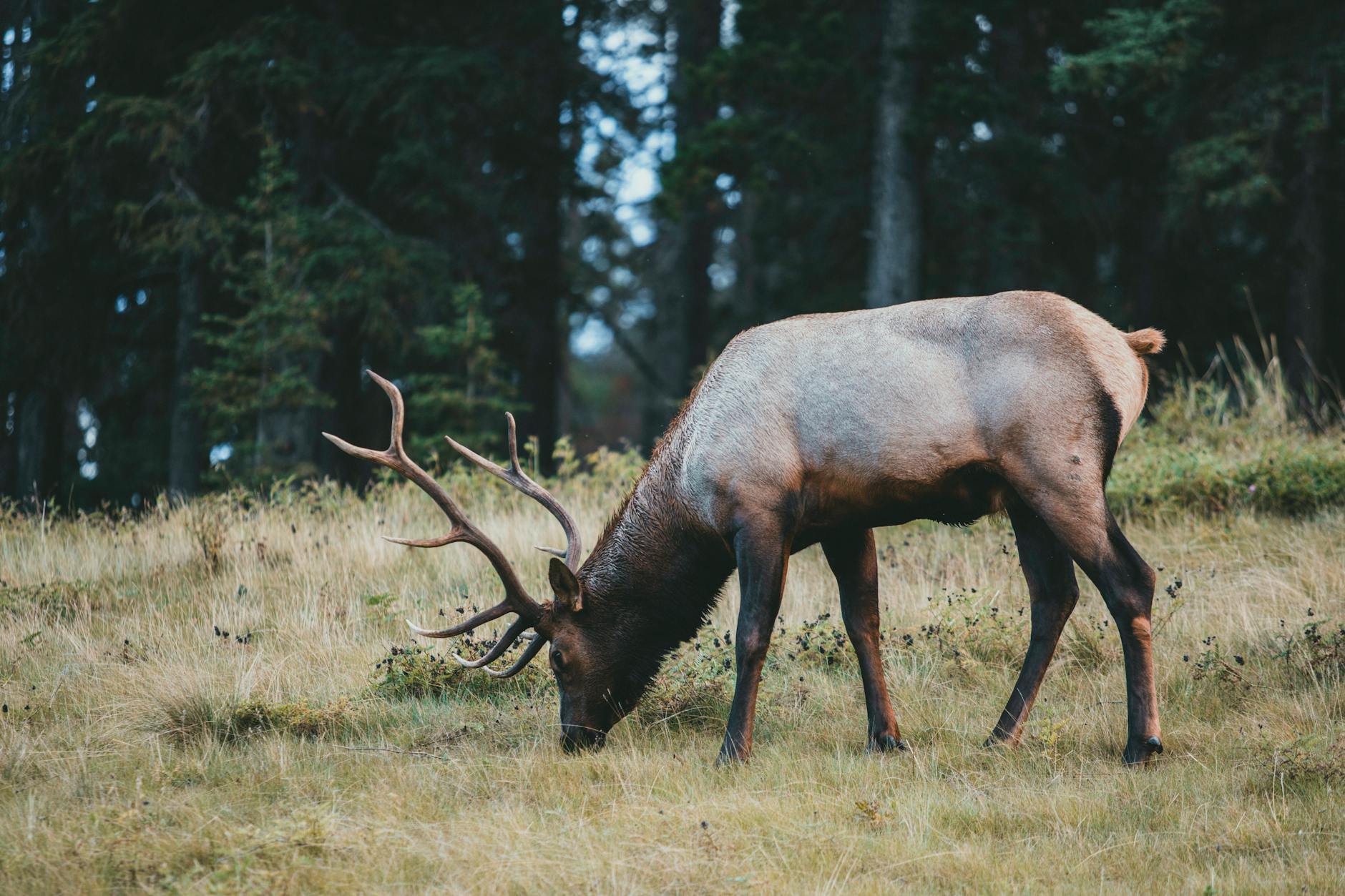
The best hunting seasons aren’t the most expensive or the most ambitious — they’re the most organized. A hunter who plans a three-hunt season carefully, prepares for each, and executes confidently has a better year than one who books five hunts haphazardly, underprepares for all of them, and comes home having half-finished what he started.
This article contains affiliate links. We may earn a small commission if you purchase through these links, at no extra cost to you.
Here’s how to build a multi-species season that’s ambitious and manageable — and actually gets done.
Start With Your Anchor Hunt
Every good multi-species season has an anchor hunt — the primary hunt that everything else is built around. It’s typically the hardest to draw, most expensive, most physically demanding, or most personally meaningful hunt of the year. All other hunts are planned around the anchor, not competing with it.
For most serious western hunters, the anchor hunt is a September archery elk hunt or a once-every-several-years limited entry rifle elk or mule deer hunt. For midwest hunters, it might be the two weeks of peak rut whitetail hunting. For the Southeast, early season turkey followed by November rut deer.
Identify your anchor hunt first. Lock those dates. Build everything else around the gaps.
Complementary Species That Extend Your Season
Multi-species hunting is more than just filling more tags — it’s about extending the time you spend hunting and building different skill sets. Each species teaches you something about the others.
Fall turkey (September-October in western states): Merriam’s turkey season often overlaps with early archery elk season. Pack a turkey call and a compact decoy alongside your elk gear. A turkey tag in your elk unit means you have a legal fallback if elk hunting is slow — and glassing country for elk and turkeys simultaneously is excellent use of time.
Archery deer + archery elk: Many hunters run simultaneously deer and elk tags in states that allow it. The species share terrain and overlap in activity patterns during September. Covering more ground with a multi-species approach multiplies your encounter opportunities.
Late season waterfowl: December and January duck and goose hunting fills the gap after big game seasons close. It requires different gear and tactics — a complete mental reset that prevents the staleness that comes from a single pursuit.
Spring turkey: The perfect reset between fall big game seasons and the following year’s summer preparation. Spring turkey is accessible, high-engagement hunting that keeps skills sharp and motivates the offseason.
Important
The Budget Reality of Multi-Species Seasons
Multiple hunts add up in ways that catch hunters off guard. A realistic budget for a serious multi-species season might look like:
- September archery elk hunt (7 days, self-guided, western state): $1,200–2,000
- November whitetail hunt (5 days, Midwest): $400–800
- Spring turkey hunt (3 days, local or regional): $150–300
- Late season waterfowl (4 days over the season): $200–400
Total: $1,950–3,500 for a well-rounded four-hunt season. That’s before the amortized cost of gear, licenses, and the bow or firearm. A full-season honest budget for a serious hunter easily runs $4,000–6,000 per year.
Plan this number explicitly. Break it into per-hunt budgets. Know which hunts you’re willing to spend more on and which are low-cost because they’re close to home. Hunters who don’t plan their annual hunting budget typically either overspend or start passing on opportunities because they don’t know if they can afford it.
Managing Energy and Recovery
Multi-species hunting is physically demanding across a long season. September archery elk in the mountains is brutal — 10-mile days, 8,000-foot elevation, heavy packs. November whitetail hunting is low-exertion but requires extended cold-weather sits. Spring turkey is moderate.
Build recovery time between hard hunts. A 7-day backcountry elk hunt requires real recovery — most hunters need a full week before they’re performing normally again. Trying to transition directly from a hard elk hunt to a physically demanding deer hunt without recovery produces poor results on both.
Use the Season Tag Planner to lay your hunts out visually and see whether your recovery windows are realistic. Some hunters pack too many demanding hunts in September and October and arrive at November deer season genuinely worn out.
Building the Skills That Transfer
The best multi-species hunters develop skills in each discipline that improve their hunting across all of them. Elk hunters who learn to still-hunt close in heavy timber bring that patience and footwork to whitetail hunting. Waterfowl hunters who learn to read weather and wind apply those skills to deer movement prediction. Turkey hunters who learn to glass and pattern birds develop observation skills that transfer directly to big game hunting.
Hunt multiple species deliberately, with the intention of building transferable skills — not just filling more tags. The hunters who improve fastest are the ones hunting the most varied game in the most varied conditions.
Plan your season with intention, use tools like the Season Tag Planner to keep it organized, and show up to each hunt prepared rather than just present.
Next Step
Check Draw Odds for Your State
Tag-level draw odds across 9 western states — filter by species, unit, weapon, and points. Free to use.
Get the Insider Edge
Join hunters getting exclusive draw odds data, gear deals, and weekly hunt planning tips.
Related Articles
Arizona OTC Archery Deer 2026: Unit Limits and Closures
Arizona's OTC archery deer season opens August 21, 2026 — and units close the moment harvest limits fill. Here's every unit's limit, plus the best bets by real archery success rates.
Colorado OTC Elk in 2026: What Changed for Nonresidents
Colorado eliminated unlimited nonresident OTC archery elk west of I-25 for 2026 — and Gunnison rifle tags went draw-only. Here's exactly what's still on the shelf and how to hunt this fall anyway.

Colorado Reissue Licenses: How to Grab Returned Elk Tags
Every Wednesday through fall, CPW sells back surrendered limited licenses — including elk tags nonresidents can't get any other way in 2026. Here's the Tuesday-Wednesday ritual that actually lands one.
No comments yet. Be the first to share your experience!