New Mexico Mountain Goat Draw Odds: What You're Really Competing For
New Mexico's mountain goat draw is one of the most limited in the West — fewer than 20 tags some years, two huntable populations, and once-in-a-lifetime implications that nonresidents need to weigh carefully against Montana and Idaho.
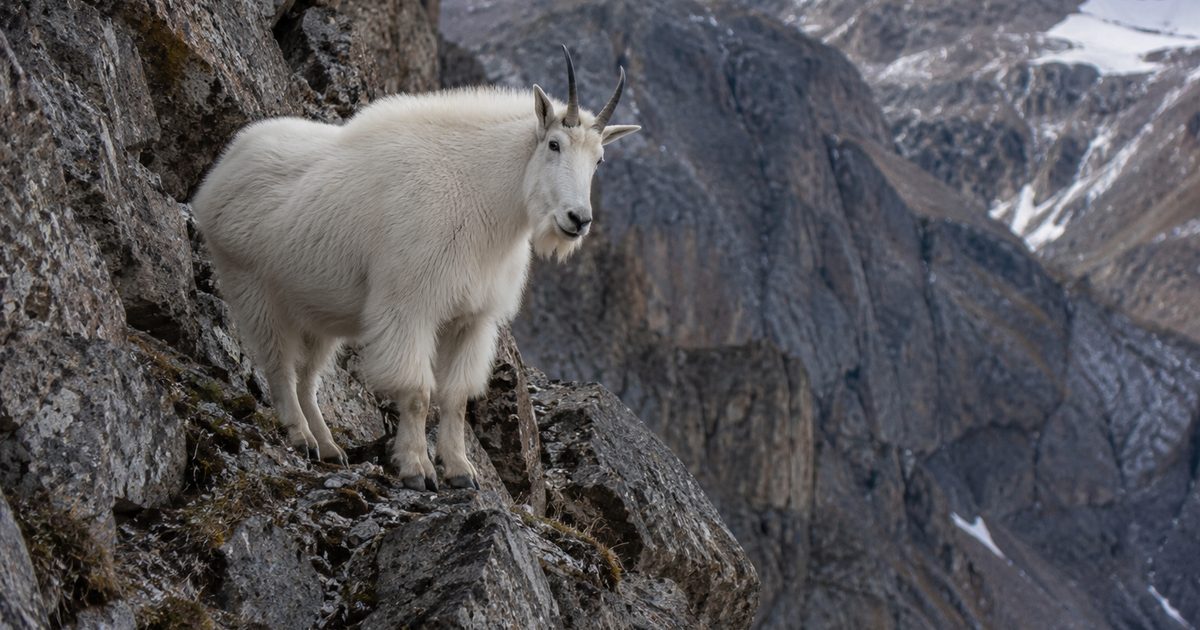
New Mexico mountain goat hunting isn’t talked about the way Montana or Idaho get talked about. The tag numbers alone explain why — some years NMDGF issues fewer than 20 mountain goat tags statewide. You’re not competing for a difficult draw. You’re competing for something that barely exists.
That’s not a knock on New Mexico’s program. It’s the accurate framing. The state manages two separate huntable populations in genuinely spectacular terrain, and the quality of those animals is real. But if you’re a nonresident trying to decide where to invest application years on a once-in-a-lifetime goat tag, New Mexico deserves a clear-eyed look — not a hopeful one.
How the New Mexico Draw Works
New Mexico uses a preference point system for mountain goat, which accumulates annually for each year you apply and don’t draw. Points don’t expire, and there’s no cap. In theory, you can accumulate indefinitely — and in a state with this few tags, some hunters are doing exactly that.
The draw prioritizes applicants with the most points. When a hunt number has 2–4 tags, those tags most often go to the hunters with the highest point totals. Randomization still exists in the system, so a zero-point applicant can draw, but realistically a first-year applicant is a lottery ticket, not a contender.
NMDGF uses a split between resident and nonresident quotas. The standard nonresident cap on restricted hunts in New Mexico runs 6% for most big game species. Apply that cap to a hunt with 10 total tags and you’re looking at zero or one nonresident slots, depending on how the math rounds. In the worst-case years, nonresidents are effectively shut out of specific hunt numbers entirely.
The 6% Nonresident Cap Hits Hard on Tiny Tag Quotas
When a New Mexico mountain goat unit issues 8 total tags, the nonresident allocation may round to zero. Before you build a multi-year point strategy around a specific unit, check the historical nonresident tag count for that hunt number — not just the total quota. The Draw Odds Engine shows nonresident-specific splits so you’re not planning around numbers that don’t actually apply to you.
The Wheeler Peak Area: Sangre de Cristo Mountains
The Sangre de Cristo Mountains in northern New Mexico are home to the state’s primary mountain goat population. Wheeler Peak — at 13,161 feet, the highest point in New Mexico — sits at the center of this range. The terrain here is what you’d expect: steep, rocky, above treeline, with the kind of exposure that makes glassing mandatory and stalking deliberate.
Mountain goats in this area were established through a series of transplants starting in the 1970s. NMDGF brought animals from Colorado’s established herds and built the Sangre de Cristo population over decades of careful management. By the early 2000s, the herd was producing huntable numbers — which in mountain goat terms means a handful of tags annually, not dozens.
The quality of Sangre de Cristo billies is legitimate. These animals carry solid horn length and good mass for a Rocky Mountain goat, consistent with what you’d see from mid-tier populations in Montana or British Columbia. They’re not record-class on average, but a mature billy from this area is an exceptional animal on any wall.
Hunting logistics here favor fit applicants who can operate at altitude. The primary access points require multi-mile approaches with significant elevation gain. September archery tags and October rifle tags differ in character — the archery season catches animals during early fall transition before the rut, while late-season rifle tags can produce exceptional stalks on billies moving more actively.
The Sandia Mountains: The Other Herd
The Sandia Mountains just northeast of Albuquerque hold a smaller, geographically distinct mountain goat population. This is the herd that surprises people who don’t follow New Mexico wildlife management closely — a huntable goat population within sight of a major city.
The Sandias top out around 10,600 feet at Sandia Crest. The terrain is dramatic, with sheer west-face cliffs dropping toward the Rio Grande Valley, and more accessible eastern slopes covered in mixed conifer. Mountain goats here live on those cliff bands year-round, visible from the Albuquerque metro in good light.
Tag allocations for Sandia unit hunts run even smaller than the Sangre de Cristo numbers. Some years the Sandia quota is 2–4 tags total. The tradeoff is that accessibility is generally better — you’re hunting in the Cibola National Forest with reasonable road access — though “accessible” doesn’t mean easy once you’re actually hunting cliff-dwelling goats.
The Sandia Population Is Smaller — But Don't Dismiss It
The Sandia Mountains unit draws less application pressure than the Wheeler Peak area partly because hunters assume a smaller population means lower-quality animals. That’s not always accurate. Mature billies in the Sandias carry comparable genetics to the Sangre de Cristo herd and they live in a distinct terrain type that makes for a different style of hunt. If you’re comparing options through New Mexico draw odds, run both units before committing your application to Wheeler Peak by default.
The Tag Numbers: Understanding “Statewide Under 20”
To put New Mexico’s allocation in concrete terms: in recent years, the state has issued between 12 and 22 mountain goat tags annually across all hunt numbers combined. The exact number shifts based on herd survey results and population objectives each year.
Twelve tags. That’s the floor. Split between residents and nonresidents, between archery and rifle, between the Sangre de Cristo and Sandia units. A nonresident rifle hunter targeting the Wheeler Peak area might be competing for one or two tags in a given hunt number. In a good year.
This makes New Mexico’s mountain goat draw one of the most restricted in the lower 48. Wyoming’s mountain goat draw is limited and competitive. Colorado’s is similarly small. But New Mexico’s raw numbers sit at or near the bottom among states with any mountain goat hunting at all.
That context doesn’t make the draw pointless. It makes the math more honest.
Resident vs. Nonresident: The Real Calculus
New Mexico residents and nonresidents accumulate points in the same system on the same timeline. A nonresident who starts applying this year and a resident who starts this year will have the same point total in 10 years. The structural differences are in tag allocation — not in how points work.
Given the 6% nonresident cap and the small total tag numbers, nonresidents are operating in a tight space. If the total quota for a hunt number is 15 tags, nonresidents compete for 0–1 slots. You can have 25 points and still lose to a resident with 15 if you’re drawing from the nonresident pool against another nonresident with 26.
The once-in-a-lifetime nature of the tag means you don’t get a second application opportunity after drawing. A New Mexico mountain goat tag ends your participation in the New Mexico mountain goat draw forever. That’s not unique to New Mexico — most western states run goat as once-per-lifetime — but it makes unit selection and timing considerations more significant.
New Mexico vs. Montana and Idaho: The Honest Comparison
If you’re a nonresident building a western big game application portfolio and you’re trying to decide where to invest mountain goat points, you need to think through this comparison directly.
Montana’s mountain goat draw offers better total tag numbers and more diverse unit options. The nonresident allocation is more substantial. Trophy quality in the primary Montana goat units — particularly in the Mission Mountains and Beartooth ranges — is consistently excellent, with billies in the 9”–10” horn length range not uncommon. Montana’s preference point system runs deep, but the nonresident math works more favorably because there are more nonresident tags available.
Idaho sits in a similar position. More tags than New Mexico, more unit options, and trophy quality from the Clearwater and Salmon River drainages that competes with any mountain goat population in the lower 48. The draw is competitive, but the sheer variety of hunt numbers means a dedicated applicant has meaningful options.
New Mexico’s appeal is geographic and experiential, not probabilistic. If you want to hunt mountain goats in the southern Rockies — different terrain than the Montana or Idaho experience — New Mexico is the only option. The Sangre de Cristo and Sandia populations are unique. The country is spectacular. The animals are legitimate.
But if your primary goal is drawing a mountain goat tag at some point in your life without waiting indefinitely, Montana and Idaho offer structurally better probability for nonresidents.
Apply to New Mexico Only If You're Committed to the State
The math doesn’t favor nonresidents who are “just adding New Mexico to the stack.” Given the tiny nonresident allocation, low total tags, and once-in-a-lifetime tag burn, you’ll likely accumulate points for years without drawing. If New Mexico mountain goat is a priority because you want that specific terrain and experience, apply and be patient. If you’re indifferent to which state you draw, your effort is better spent on Montana or Idaho.
What New Mexico Mountain Goat Quality Actually Looks Like
Mature New Mexico billies typically score in the Boone & Crockett range of 45”–52” (combined score). Horn length on a mature billy runs 9”–10”, with circumference and spread making up the remainder of the score. These aren’t the giant billies that come out of coastal British Columbia or Alaska — those populations grow exceptionally long, heavy-horned animals that genuinely don’t exist in the lower 48 at the same level.
What they are is a genuinely mature, impressive animal in remarkable country. A 9” billy from the Sangre de Cristo Mountains, taken at 11,000 feet in October with fresh snow on the peaks, is a mountain hunting experience that competes with anything in North America on the experiential axis.
The photos do something the scoresheet doesn’t. New Mexico goat hunters consistently report that the backdrop — the high Sangre de Cristos, the views south toward Santa Fe — makes for the kind of hunt that stands apart in a lifetime of hunting stories, regardless of whether the animal would make the book.
Using the Draw Odds Tools
Before you finalize your New Mexico mountain goat application strategy, pull the current unit-by-unit breakdown from the Draw Odds Engine. This will show you nonresident-specific odds, historical draw trends, and point-to-probability projections for each hunt number.
Cross-reference with the New Mexico draw odds page for the full picture of where goat applications sit relative to other limited-entry species in the state. Some hunters find the comparison between goat and other once-in-a-lifetime options — bighorn sheep, bison — clarifies where their points are best spent.
The honest answer on New Mexico mountain goat is that it’s a real program with real quality animals in real country. It’s just very small. If that’s the hunt you want, start accumulating points and be prepared to wait. If you’re undecided, run the Montana and Idaho comparisons first.
Sources & verification
Seasons, license fees, application windows, and draw structure for New Mexico change every year. Always verify the current details against the official New Mexico agency before applying or hunting.
- New Mexico Department of Game & Fish — wildlife.state.nm.us
Next Step
Check Draw Odds for Your State
Tag-level draw odds across 9 western states — filter by species, unit, weapon, and points. Free to use.
Get the Insider Edge
Join hunters getting exclusive draw odds data, gear deals, and weekly hunt planning tips.
Related Articles

Western State Draw Systems Explained
How all 9 western state hunting draw systems actually work — preference points, bonus points, and pure lotteries compared side by side with real odds data.

Arizona Bighorn Sheep Draw Odds Guide
Arizona bighorn is the definition of a lifetime tag. Here's the point math, unit breakdown, and why you apply every year regardless of your bonus point total.

Arizona Fall Turkey Draw Odds Guide
Arizona fall turkey is a low-point draw in the ponderosa country. Here's the unit breakdown, typical point requirements, and how to stack it with other Fall Draw applications.
No comments yet. Be the first to share your experience!