Nevada Elk Draw Odds: Units, Points, and the Reality for Nonresidents
Nevada elk tags are among the most limited in the West. Here's an honest look at the preference point system, nonresident allocation, top units like the Ruby Mountains and Monitor Range, and what the math actually looks like for out-of-state hunters.
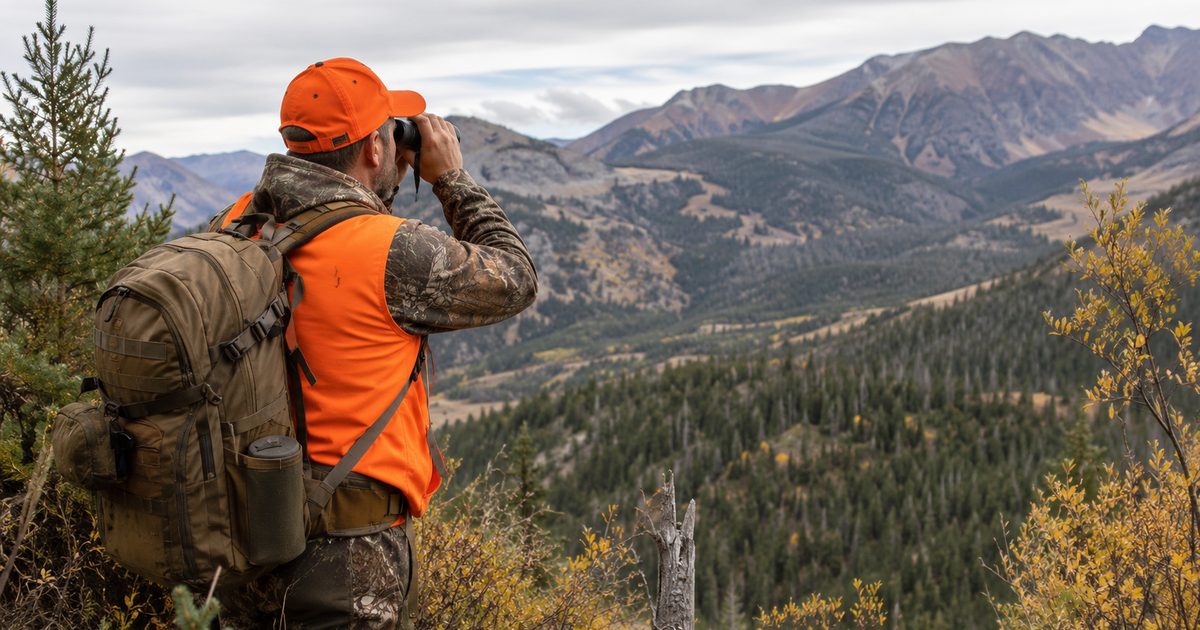
Nevada doesn’t hand out elk tags. That’s the most direct thing you can say about elk hunting in the Silver State, and everything else follows from it. The tag numbers are small, the nonresident allocation is tight, and the draw odds for premium rifle bull tags are punishing by any measure. But the bulls that come out of places like the Ruby Mountains and Monitor Range are legitimate giants — low-pressure animals with mature age structure and antler development that rivals anything in the West.
If you’re a nonresident considering Nevada elk, you need an honest assessment of the numbers before you get emotionally invested in a hunt that may take longer than you’re expecting.
How Nevada’s Preference Point System Works
Nevada uses a modified preference point system for big game tags. When you apply for an elk tag without drawing, you receive one preference point for that species and application type. Points accumulate over years of consistent applications, and applicants with higher point totals receive better draw odds.
Nevada’s system isn’t a pure point-sequential draw where the person with the most points always wins. It’s a weighted preference system — higher point totals give you meaningfully better odds, but there’s a random element that allows hunters with fewer points to occasionally draw tags that statistically favor higher-point applicants. This keeps the system from becoming a pure waiting list while still rewarding consistent long-term application.
One important distinction: points are tied to specific license types. Building points in the bull elk archery category doesn’t help you draw a bull elk rifle tag — these are separate accumulation tracks. This matters for strategy, especially for nonresidents who have limited draw opportunity.
Apply for Points Every Year Without Exception
Nevada’s preference point system rewards consistency above everything else. Missing a single year doesn’t erase existing points, but it costs you a full cycle of accumulation — and at tag numbers this low, every point matters. Set a calendar reminder for Nevada’s application window (typically January through March) and treat it as a non-negotiable annual expense.
The Nonresident Reality Check
Nevada is not generous with nonresident elk tags. The state allocates a small percentage of total elk tags to nonresidents — in some units, nonresident tags represent fewer than 10% of the total quota, and in units with very small overall quotas, that can mean one or two nonresident tags are available in the entire draw.
This creates a specific kind of math that’s easy to underestimate. When a premium unit issues 12 total bull tags and nonresidents receive 10% of that allocation, you’re competing against other nonresidents for one or two tags per year. Even hunters with 12–15 preference points face real uncertainty in a pool that small, because the random element in Nevada’s weighted system means there’s no point threshold that guarantees a draw.
The honest framing for nonresidents: Nevada elk is worth applying for consistently, but don’t build your hunting schedule around drawing a Nevada elk tag until you’re in a high-point tier (12+ points) and have verified that the specific unit and license type you’re targeting shows actual draw history for nonresidents in your range. Some units see nonresidents draw at 10–12 points in a favorable year. Others rarely produce a nonresident draw at any point level because the allocation is so small.
Don't Plan Your Vacation Around a Nevada Elk Tag
Hunters who draw Nevada elk at the 12–15 point level have been waiting 12–15 years. If you’re at 5 or 8 points and thinking about planning a Nevada elk trip for “next fall,” recalibrate that timeline. Apply every year, enjoy the point accumulation, and hunt other states in the meantime. Nevada rewards patience — not optimism.
The Units That Matter
Nevada has multiple elk management units across the state, but a handful of areas consistently produce the quality bulls that fuel Nevada’s reputation. Here’s what you need to know about the top drawing targets.
Ruby Mountains — Unit 071
The Ruby Mountains in northeastern Nevada are the crown jewel of Nevada elk hunting. The terrain here is dramatic — glacially carved peaks, high cirques, and dense stands of aspen and mountain mahogany dropping into broad sage valleys. The elk in the Rubies benefit from extraordinarily low hunting pressure due to tag scarcity, and the resulting age structure consistently produces bulls in the 370–400+ inch range.
Unit 071 is one of the most sought-after elk draws in the entire country. Tag numbers here are extremely limited — premium rifle bull seasons in the Rubies can have total quotas in the single digits. Nonresident allocation in this context is effectively one tag in a good year, zero in others. Even hunters with 15+ points face genuine uncertainty drawing Unit 071 rifle tags for the premium seasons.
That said, the bulls that come out of the Ruby Mountains justify the wait. Multiple 400+ inch bulls have been documented from this unit, and the low-pressure environment means bulls here haven’t been educated by annual hunting pressure the way animals in higher-tag states get conditioned.
Monitor Range — Unit 071A
Unit 071A covers the Monitor Range in central-eastern Nevada, and it competes with the Rubies for reputation among hunters who’ve dug into Nevada’s draw data. The terrain is high desert mountain country — rugged ridgelines, sage basins, and scattered aspen pockets that hold elk in both summer and fall.
Bull quality in the Monitor Range is legitimate — mature 6x6 bulls in the 360–390 inch class are documented, and the combination of low hunter density and good genetics produces consistent results for hunters who draw. Point requirements for premium rifle seasons trend comparably to Unit 071, and nonresident allocation is similarly restrictive.
Some hunters prefer the Monitor Range specifically because it receives slightly less national media attention than the Rubies. That lower visibility doesn’t reflect lower quality — it means the nonresident applicant pool, while still competitive, isn’t quite as heavy as the Rubies’ pool in every draw cycle.
Ely Area Units — 111 through 114
The units surrounding Ely in east-central Nevada (roughly Units 111–114) represent a different character of Nevada elk hunting. The terrain here is basin-and-range country — mountain ranges rising above broad valleys, with elk moving between high summer ranges and lower winter habitat.
These units offer a slightly more accessible entry point in Nevada’s draw compared to the Rubies and Monitor Range, but “more accessible” is relative. Premium rifle bull seasons still require significant point investment, and tag quotas remain small by most western states’ standards. The elk in this area can be exceptional — Nevada’s statewide management philosophy applies here just as it does in the premium units — but these units haven’t achieved the same trophy recognition as Unit 071 and 071A.
For nonresidents building a multi-unit application strategy, the Ely area units are worth modeling as a secondary consideration alongside the premium units. A hunter who draws a Unit 111 bull at 10–11 points while the Rubies remain at 14+ points is still hunting a Nevada elk — which is a legitimate achievement in itself.
Research Secondary Units Alongside Your Primary Target
Don’t get so locked onto Unit 071 that you ignore draw data for the Ely area units. A Nevada elk hunt at 10–11 points in a quality secondary unit is a real hunt with mature animals in low-pressure country. Use the Draw Odds Engine to model multiple units simultaneously and see where your current point total actually opens doors.
Archery vs. Rifle Draw Odds
The archery draw in Nevada doesn’t always offer meaningfully better odds than rifle for premium units, and this is a common misconception among hunters who apply based on assumptions rather than data.
In units with very small total tag numbers, archery elk licenses may have a quota of 2–3 tags total, with nonresident allocation at one or zero. Rifle elk licenses in the same unit might issue 8–10 tags, giving nonresidents a slightly better absolute allocation. The relative odds depend entirely on how many hunters are in each pool at each point level.
The practical message: pull the actual draw data for each unit and season type before deciding whether archery or rifle is your better target. The terrain in most Nevada elk units — open, glassable, with long sight lines — suits rifle hunting naturally, but early archery during the rut can produce exceptional encounters for hunters willing to get close.
One honest advantage for archery: the physical commitment required tends to filter the applicant pool slightly. If two license types have similar point requirements but the archery hunt demands significantly more physical preparation and technical skill, the rifle tag applicant pool will generally be larger. That gap may be small — but in a draw this competitive, small differences matter.
The One Near-Term Opportunity: Cow Tags
If you’re a nonresident looking for a realistic Nevada elk hunt in the near term — without waiting 10–15 years — cow elk tags deserve serious attention.
Cow tag quotas in some Nevada units are larger than bull allocations, nonresident access is slightly better, and point requirements run meaningfully lower. A nonresident with 4–7 preference points has drawn cow elk tags in Nevada in recent years, depending on the unit. That’s a hunt that’s actually achievable in a reasonable timeframe.
The experience of hunting Nevada cow elk is genuinely valuable — you’re learning the terrain, the elk behavior, and the specific character of the unit in low-pressure conditions. Hunters who draw a Nevada cow tag and use it well come back with real knowledge of the country that pays dividends when they eventually draw a bull license.
Don’t dismiss the cow tag as a consolation. It’s a Nevada elk hunt, the pressure is low, and you’re building something.
Cow Tags Are a Real Hunt, Not a Consolation Prize
A Nevada cow elk hunt means low-pressure public land, mature elk behavior, and country that most hunters never see. If you’ve never hunted elk at all, a Nevada cow tag is an exceptional first elk experience — better than many states’ bull hunts in terms of animal quality and hunt conditions. Apply for cow tags seriously while your bull points accumulate.
What the Point Math Actually Looks Like
Here’s the framework for thinking about your Nevada elk application realistically:
For premium rifle bull tags in Units 071 and 071A, nonresidents have been drawing in ranges that fluctuate based on annual applicant pool composition. Based on historical draw reports, hunters in the 14–18 point range have drawn these units in favorable years. The random element in Nevada’s system means there’s no hard guarantee even at high point totals — some hunters draw at 12, others wait to 17 or beyond.
Mid-tier units (Ely area) have shown nonresident draws in the 10–13 point range for rifle bull seasons in some recent cycles. That’s still a 10–13 year commitment from zero, but it’s a realistic target for a hunter who started applying in their mid-30s and is still hunting hard in their 40s.
Cow tags can draw as low as 4–8 points in some Nevada units, depending on year and unit. This is the realistic near-term path for hunters who want Nevada on their resume before the longer-term bull tag timeline completes.
The bottom line: start applying now, apply every single year without exception, and don’t count on a Nevada elk hunt materializing until you’ve crossed the 12-point threshold. When it does come together, it’ll be worth every year of applications.
Frequently Asked Questions
How much does it cost to apply for Nevada elk annually without drawing? The Nevada application fee for elk is typically around $8–$15 annually for the point purchase. If you’re applying for a specific tag rather than a point-only purchase, you may need to pay a full application fee. Check NDOW’s current fee schedule — it’s a small annual expense compared to the tag value you’re accumulating.
Can I apply for multiple elk units in Nevada? Nevada’s draw allows one first-choice application per species per draw cycle. You can’t split applications across multiple units simultaneously. Choose your target unit based on your current point total and draw odds data.
Do Nevada preference points carry over if I move states? Your Nevada preference points are tied to your customer account and don’t change based on your state of residence. A nonresident applying from any state accumulates points the same way.
Where can I find historical draw odds for Nevada elk? Nevada Department of Wildlife (NDOW) publishes draw statistics after each annual draw cycle. The data includes total applicants, tags issued, and point levels of successful applicants by unit and license type. ProHunt’s Draw Odds Engine aggregates this data so you can model your odds by current point total without downloading raw state reports.
Is there a Nevada elk over-the-counter option for nonresidents? No. There are no OTC elk tags available in Nevada for any license type. Every elk tag — resident and nonresident — goes through the draw. This is a core reason Nevada elk quality is as high as it is.
What’s the Nevada elk application deadline? Nevada’s big game draw typically opens in January and closes in late February or early March. Verify the current-year deadline directly with NDOW at ndow.org before the window opens — missing it costs you a full year of accumulation.
Next Step
Check Draw Odds for Your State
Tag-level draw odds across 9 western states — filter by species, unit, weapon, and points. Free to use.
Get the Insider Edge
Join hunters getting exclusive draw odds data, gear deals, and weekly hunt planning tips.
Related Articles

Western State Draw Systems Explained
How all 9 western state hunting draw systems actually work — preference points, bonus points, and pure lotteries compared side by side with real odds data.

Arizona Bighorn Sheep Draw Odds Guide
Arizona bighorn is the definition of a lifetime tag. Here's the point math, unit breakdown, and why you apply every year regardless of your bonus point total.

Arizona Fall Turkey Draw Odds Guide
Arizona fall turkey is a low-point draw in the ponderosa country. Here's the unit breakdown, typical point requirements, and how to stack it with other Fall Draw applications.
No comments yet. Be the first to share your experience!