Multi-State Western Draw Strategy: Stack Your Odds
How to build a multi-state application portfolio that keeps you hunting every year — species stacking, state pairing, budget allocation, and application calendar across 9 western states.

I’ve been applying in six states every single year since 2014. In that stretch I’ve killed five bulls, three bucks, two pronghorn bucks, and a cow elk on a leftover tag I grabbed in November when nothing else panned out. I’ve never had a year where I didn’t hunt. Not because I’m lucky — I’ve watched people play the single-state lottery and go four or five years without a tag — but because I treat western applications like a portfolio, not a raffle ticket.
Most serious western hunters apply in four to seven states every year. The ones who are always in the field, the ones who seem to always have a tag or at least a plan B, aren’t necessarily better at predicting draws. They’ve just built a system where the math works in their favor across multiple states and species simultaneously. That’s what this guide is about.
The Core Concept — Annual Hunting vs. Banking Points
There are two competing philosophies in the western draw world, and most hunters default to one without thinking much about the other.
The first is the annual hunting approach: apply for tags you can realistically draw this year. You might miss a premium unit, but you’re hunting every fall. You accept that you won’t draw a Kaibab mule deer tag for twenty years, so you focus on units where your points are actually competitive.
The second is the dream tag approach: bank points in the high-demand states and species for as long as it takes. You might go five, seven, even ten years without a tag in Arizona or Colorado’s premium elk units, but when you finally draw, it’s a bucket-list hunt.
Here’s the thing — you don’t have to choose. The hunters who build the best systems do both simultaneously. They have guaranteed or near-guaranteed hunting every year through OTC tags and easy draws, while they quietly accumulate points in the premium pools. By year eight or ten, those premium points start cracking open doors that were closed in year one.
The mental trap is treating every state application as an either/or. You don’t have to. A $50 Colorado sheep point purchase doesn’t compete with a Wyoming general deer tag draw. They’re in separate buckets. Understanding how each state’s draw system works makes clear why the same strategy that works in Colorado fails in Arizona or New Mexico.
Building the Portfolio Foundation
The foundation of any smart multi-state strategy is locking in your annual hunting first, then layering in the point-building states on top.
Start with what I call the guaranteed anchor: Colorado OTC elk tags. Any nonresident can buy a cow elk tag over the counter for most units, and in many units, bull tags are still available OTC or through easy draws. If you want to hunt elk every single year regardless of what else happens in your draw portfolio, Colorado’s general rifle tags are your insurance policy.
On top of that anchor, you stack easy draws — tags where your odds are genuinely good even as a nonresident with zero points. Wyoming general deer and pronghorn are the classic examples. You’re drawing those tags the first or second year you apply. Montana general deer in most units is the same story.
Then you add point accumulators — states where you’re not expecting to draw for years, but where you’re buying into a future hunt every time you pay the application fee. Arizona elk, Colorado sheep and goat, Wyoming sheep and moose — these are the slow-burn investments.
A basic starter stack might look like this:
Pro Tip
Sample 5-State Application Stack (Nonresident)
| State | Species | Est. Cost | Purpose |
|---|---|---|---|
| Colorado | OTC bull elk (3rd season) | $700 | Annual guaranteed hunt |
| Wyoming | General deer (draw) | $340 | Easy draw, often year 1–2 |
| Wyoming | Pronghorn (draw) | $270 | Easy draw, hunt every 2–3 yrs |
| Arizona | Elk (points only) | $15 | Long-game point accumulation |
| Colorado | Sheep (points only) | $35 | 10+ year investment |
Total annual investment: ~$1,360 — you’re guaranteed an elk hunt, likely drawing a deer tag, and building toward two premium draws simultaneously.
Once you’ve established that foundation, you can start adding more states and species as your budget and schedule allow.
Species Stacking
One of the most underutilized strategies in multi-state hunting is building a fall calendar that layers species seasons on top of each other. A well-constructed portfolio can get you 60 or more days in the field across a single fall, hunting multiple species across two or three states. The Application Timeline Planner maps every state’s open windows and deadlines so nothing slips through.
Here’s how the western calendar lines up if you play it right:
August is pronghorn season across Wyoming and Colorado. Most Wyoming general pronghorn tags open August 15. Colorado pronghorn draws open early as well. This is your warm-up, the hunt that gets you back in shape before the main events.
September is archery elk across Colorado and Wyoming. If you’re an archery hunter, September is the crown jewel — bulls screaming in the timber, temperatures that won’t destroy your meat before you can get it out. Colorado’s archery elk season runs through late September. Wyoming’s starts September 1 in many units.
October is where things get stacked. General rifle deer seasons open across Wyoming and Colorado in mid-to-late October. You can often be hunting Wyoming deer one week and Colorado elk the next, particularly if you’ve chosen units that are geographically close.
November is late deer season, rut season, and the window for Colorado’s leftover tags. If you drew a cow elk tag or a doe deer tag and haven’t filled it, November finishes the calendar out.
If you put this together intentionally — say, a Wyoming pronghorn tag in August, a Colorado archery elk tag in September, and a Wyoming general deer tag in October — you’re looking at a 45 to 60 day hunting season without drawing a single premium tag. Add a Montana general deer tag and you’ve extended into late November.
The key is stacking species that don’t conflict on dates and states that are close enough to manage travel. Which brings us to the next section.
State Pairing Strategies
Geographic proximity matters more than most hunters account for when they build their application portfolios. Wyoming and Colorado are the most natural pairing in the West — the border runs right through some of the best elk and mule deer country on the continent. A camp in the Sierra Madres or the Medicine Bow can have you hunting Wyoming one day and Colorado the next if you’ve got tags for both.
When you’re picking units, think about whether a single base camp could serve hunts in two states. If your Wyoming general deer unit is in the southeastern corner of the state and your Colorado elk unit is in the North Park area, that’s a long drive between camps. But if both units are near the WY/CO border north of Steamboat Springs, you might be talking about a 45-minute drive between honey holes.
The second pairing consideration is season overlap awareness. You need to know exactly when each tag is valid before you apply. Colorado’s second rifle elk season and Wyoming’s general deer season overlap in mid-October most years. If you drew both and the weather is right, you might be trying to be in two places at once. That’s a good problem to have, but it’s a real one.
The third consideration is tag conflicts. This is where hunters get burned.
Warning
Tag Conflict Warning: CO + WY Elk
Colorado and Wyoming both have general rifle elk seasons that overlap in October. If you draw a Colorado elk tag (any season with legal dates in mid-October) AND a Wyoming elk tag, you physically cannot hunt both simultaneously. Before applying for both states’ elk draws in the same year, map out the season dates and decide which hunt takes priority. Many hunters intentionally skip Wyoming elk in years when they’ve drawn a premium Colorado elk tag — and bank Wyoming elk points for a future hunt instead.
Also watch for conflicts with Montana and Idaho if you’re applying there as well. Montana’s general elk season starts the last week of October and runs through late November — it doesn’t conflict with September archery or early October Colorado hunts, but it will step on a late Colorado season.
Point Building vs. Drawing
Not every state and species is worth sinking long-term points into. Part of building a smart portfolio is knowing which draws reward patience and which ones you should just draw whenever your odds cross a reasonable threshold.
Worth accumulating points:
- Arizona elk (any unit): NR odds in premium units like 1, 9, 10, 23 can take 15-20+ years. Unit 27 and 10 are bucket-list bulls. You start here early or you never get there.
- Colorado premium elk units (1, 2, 10, 201): These units produce 380+ class bulls. Odds are competitive at 12-15 points for NR. Worth building toward.
- Wyoming sheep: Expect 15-20+ years. The tags exist, you’ll eventually draw, but you have to be in the pool for a long time.
- Montana moose: Similar story. NR moose tags in Montana are rare and the point system is relatively young, but the tags are real.
- Nevada elk: NR elk in Nevada is extremely hard, but the quality is extraordinary in units like 061. Worth buying into early.
Just draw when odds allow:
- Wyoming general pronghorn: Odds are good most years in most units in Wyoming. Just apply, you’ll draw.
- Montana general deer: Unlimited tags in many zones. No point system to worry about — just buy a license.
- Colorado over-the-counter elk: No draw required. OTC bull tags available in most units.
- Bear tags in most states: Oregon, Idaho, Montana — these are either OTC or easy draws. Not worth agonizing over point strategy.
- Mule deer in most general season units: Wyoming general deer, Montana general deer, Colorado general deer — all are drawble with minimal points.
The mistake hunters make is lumping everything into one strategy. They either apply for everything like a lottery player or they get so focused on one dream tag that they’re not hunting for years at a time. The hybrid approach — build points where it matters, draw where you can — keeps you in the field while the long-game investments compound.
Budget Allocation
The honest reality of multi-state western hunting as a nonresident is that it’s expensive. Not every application is a full hunt application — some are just point purchases — but the fees add up across nine states.
Here’s a rough $800 NR annual application budget framework:
- Colorado elk OTC tag: $650 (this is your anchor hunt, non-negotiable if you want guaranteed elk hunting)
- Wyoming general deer draw: $340 total (license + tag + conservation fee) — but only $17 if you’re just buying a preference point
- Wyoming pronghorn draw: $270 total — $17 for points only
- Arizona elk points only: $15 — this is cheap long-game investment
- Colorado sheep points only: $35 — same idea
If budget is limited, ruthlessly prioritize: your anchor hunt comes first, point purchases for premium species come second, actual draw applications come third. A $15 Arizona elk point is the best investment per dollar in western hunting if you’re starting your career now.
The other thing to evaluate every year is whether your application strategy has changed. If you drew your Wyoming general deer tag last year and killed a nice buck, maybe this year you skip Wyoming deer and redirect that $340 into a Colorado premium elk draw or an Idaho deer application. Your portfolio should evolve based on what you’ve hunted recently and what’s next on the list.
The Application Calendar (January–June)
Western draws don’t all happen at once. The deadlines are spread across six months, which means you can stagger the financial hit — but it also means you can easily miss one if you’re not organized.
Here’s how the calendar generally lays out (confirm exact dates each year — they shift):
January: Arizona draws open in early January, closing around mid-January. This is your first deadline of the year and one of the most important — AZ elk, deer, pronghorn, and sheep all draw here. Don’t miss it.
February: Nevada opens applications in February for most species. Also watch for Montana sheep, moose, and goat.
March: Wyoming opens applications in early-to-mid March with a deadline around April 1 for most species. Idaho draws are also in March for most species.
April: Colorado opens in April with deadlines in early April (sheep/goat/moose) and early-to-mid April for elk, deer, and pronghorn. New Mexico also draws in spring — deadlines typically in March or early April.
May: Oregon draws are typically in May. Utah is also in the May window for most species.
June: Final cleanup — some states have leftover tag sales in June and July after the main draws. Colorado releases leftover tags in July that you can buy over the counter if you missed the draw.
Important
Application Calendar Quick Reference
| Month | State(s) | Action |
|---|---|---|
| January | Arizona | Draw application (elk, deer, pronghorn, sheep) |
| February | Nevada, Montana (sheep/moose/goat) | Draw application |
| March–April 1 | Wyoming, Idaho | Draw application |
| April | Colorado, New Mexico | Draw application |
| May | Oregon, Utah | Draw application |
| June–July | Colorado, various | Leftover tag sales (OTC) |
Set calendar reminders in December for each January deadline. Missing AZ costs you a full year — not just a hunt but a point.
Second Choice Tags
Colorado and Wyoming both allow you to designate a second choice unit on your application. Used correctly, this can dramatically increase your draw odds without costing you any points on a failed draw.
In Wyoming, if you don’t draw your first choice unit, the system automatically runs your application through the second choice pool. If you draw your second choice, you don’t get your points back — you drew a tag. But if you don’t draw either choice, you get your points returned plus an additional point.
The key question when designating second choice is: do you actually want to hunt the second choice unit, or are you just putting something in the box? If you’d genuinely be happy hunting Unit X as your second choice, put it down. If you’d rather skip the season and bank points than hunt a unit you don’t want, leave second choice blank.
In Colorado, second choice works similarly for elk, deer, and pronghorn. The strategy of “first choice premium unit, second choice easy-draw unit” can be a solid hedge — you’re taking a shot at the good unit, and if you miss, you’re still hunting.
Where second choice can backfire is when you’ve been building points for years toward a specific unit and you inadvertently draw a second choice you’re lukewarm on. You burn your accumulated points on a hunt that wasn’t your goal. Think it through before you default to filling in second choice just because the form has a box.
Residency Considerations
The nonresident cost multiplier in western states typically runs 3x to 5x compared to resident tags. An elk tag that costs a Montana resident $30 might cost a nonresident $800. That math doesn’t change the strategy fundamentally — the draws work the same for both — but it does affect how you prioritize.
There are states where nonresident odds are still genuinely competitive:
- Wyoming general deer and pronghorn: NR draw odds in most units are solid, often 50-90% in average units.
- Montana general deer: Some zones are unlimited, no draw required.
- Idaho general deer and elk: Many general units are OTC or easy draws for NR.
There are states where nonresident premium tags are nearly theoretical:
- Arizona unit 10 elk: NR odds hover around 1-2% even with max points. You need 20+ years in the pool.
- Colorado premium elk (unit 2, unit 10): NR with 15 points might have 5-10% odds.
- Wyoming sheep: Any sheep draw for NR is a multi-decade commitment.
Hunters who live in or near western states sometimes consider establishing residency in a second state to access resident tag pools. This is a legitimate strategy, but it requires genuinely living in the state for the required period (typically 6-12 months with proof). Most states have serious fraud enforcement. Don’t try to game it — the penalties are severe and the tags get revoked.
The Long Game
Here’s what ten years of consistent, disciplined applications actually builds.
A hunter who started applying in 2016 and has been buying Arizona elk points every year without fail now has 10 points. At 10 NR points in many AZ units, you’re getting close to draw territory in the good-but-not-elite units. At 15 points, several premium units become realistic. At 20+, unit 10 or unit 1 are actually on the table.
That same hunter with 10 years of Colorado sheep points has 10 points. Colorado NR sheep odds are low at 10 points but real — somewhere around 2-5% depending on the unit. At 15 points, you’re in legitimate contention. At 20, you’re drawing a Colorado bighorn tag.
Wyoming sheep, moose, and bison are similar stories. The systems are designed so that persistent applicants eventually draw. The exact timeline varies, but the math is real: there are “inevitable” tags at certain point levels. The only way to miss them is to never start or to stop before you get there.
This is why I tell every hunter who’s new to the western draw world: start buying points in Arizona, Colorado, and Wyoming for the premium species right now, even if you can’t afford the full hunting application. A $15 Arizona elk point or a $35 Colorado sheep point is the cheapest investment you can make toward a future hunt.
Ten years from now, you’ll either have a serious shot at a tag — or you’ll wish you’d started ten years ago.
Tracking Your Portfolio
At some point, applications across six or seven states with multiple species per state becomes genuinely difficult to track in your head. You need a system.
At minimum, keep a spreadsheet with:
- State and species for every active application
- Current point total per state/species
- Last draw year and tag result
- Annual fee paid (for tax purposes if you run a hunting business)
- Deadline dates for the current year
Most dedicated multi-state hunters also keep a file folder or digital archive of all their point receipts. If a state loses your points — it happens — you need documentation to get them restored.
The Draw Odds Engine can help you track which states and units are actually worth your points based on historical draw data. Before you designate a unit on your application, run the numbers. Knowing that a unit has 8% NR odds at your point level vs. 42% odds is the difference between a strategy and a guess. Use the Preference Point Tracker to keep all your state balances in one place as you manage the portfolio.
Review your portfolio every November or December before the application season kicks off. What did you draw this year? What do you want to hunt in the next three years? Are your point investments on track? Adjust allocations accordingly.
Closing
The hunters who never seem to go a year without tags aren’t luckier than you. They started applying in multiple states years ago, they’ve been consistent, and they’ve built a portfolio that generates hunting opportunities almost by default.
The math rewards persistence. Five to seven applications a year, spread across states and species, with a mix of annual hunting anchors and long-term point investments — that’s the formula. You will have slow years. You’ll draw second choice tags in units you didn’t really want. You’ll go a couple of years without drawing the species you were targeting.
But you’ll hunt. And over a decade of consistent applications, those premium points will crack open and deliver hunts that you genuinely couldn’t access any other way.
Start now. Apply everywhere you can afford to. Be systematic, be patient, and be in the field every fall. That’s the whole strategy.
Next Step
Check Draw Odds for Your State
Tag-level draw odds across 9 western states — filter by species, unit, weapon, and points. Free to use.
Get the Insider Edge
Join hunters getting exclusive draw odds data, gear deals, and weekly hunt planning tips.
Related Articles
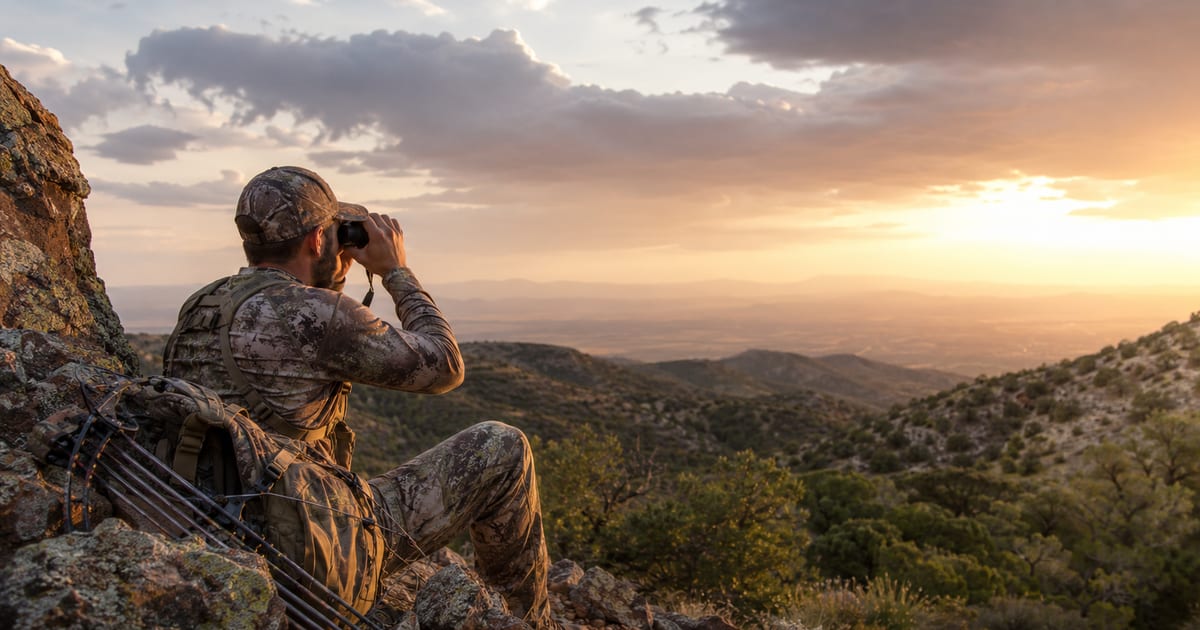
Arizona OTC Archery Deer 2026: Unit Limits and Closures
Arizona's OTC archery deer season opens August 21, 2026 — and units close the moment harvest limits fill. Here's every unit's limit, plus the best bets by real archery success rates.
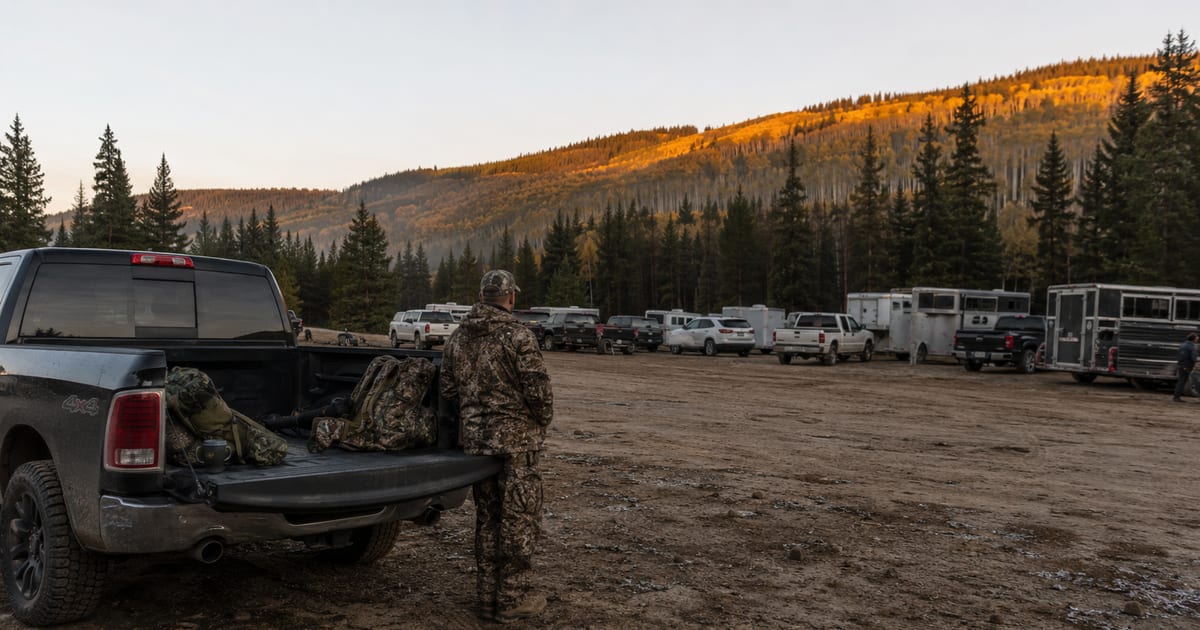
Colorado OTC Elk in 2026: What Changed for Nonresidents
Colorado eliminated unlimited nonresident OTC archery elk west of I-25 for 2026 — and Gunnison rifle tags went draw-only. Here's exactly what's still on the shelf and how to hunt this fall anyway.

Colorado Reissue Licenses: How to Grab Returned Elk Tags
Every Wednesday through fall, CPW sells back surrendered limited licenses — including elk tags nonresidents can't get any other way in 2026. Here's the Tuesday-Wednesday ritual that actually lands one.
No comments yet. Be the first to share your experience!