Montana Sun River Elk Hunting: The Rocky Mountain Front's Premier Bull Country
The Sun River Game Preserve and adjacent Rocky Mountain Front country produce some of the biggest bulls in Montana. Here's what drives that quality — and how to get in on it.
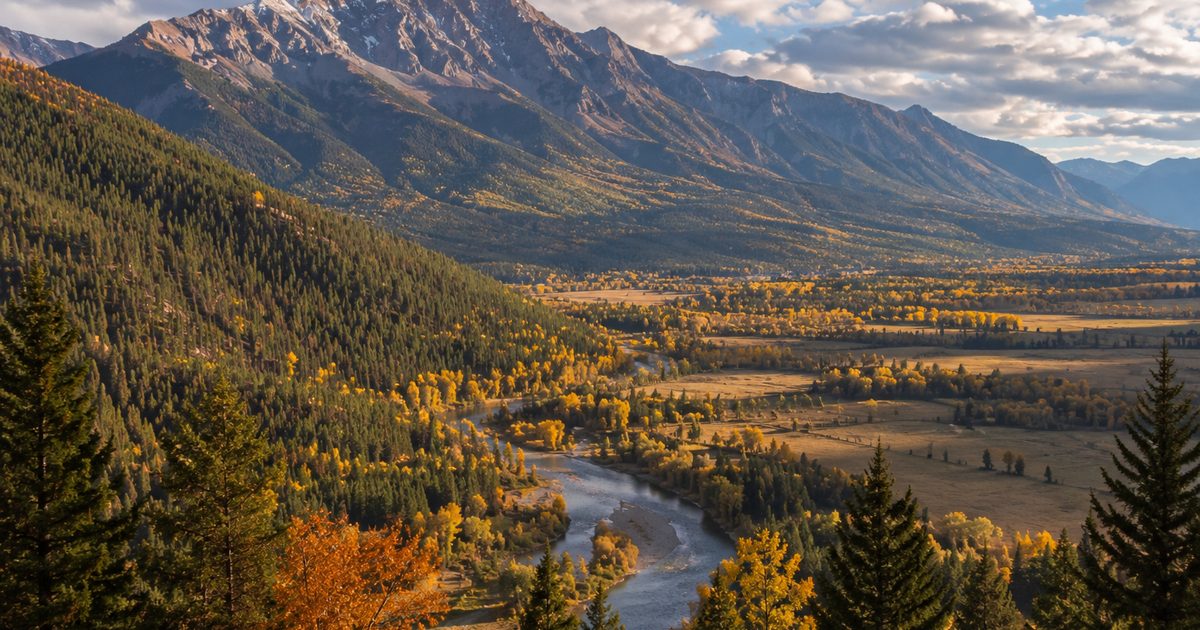
The Rocky Mountain Front in north-central Montana is elk country in the purest sense. The wall of limestone reef ridges drops abruptly from 8,000-foot summits down to the prairie floor in one dramatic step, and that transition zone — the Front itself — concentrates elk in ways that most terrain simply can’t replicate. The Sun River drainage sits at the center of all of it.
The Sun River Game Preserve anchors the system. Running roughly 50 miles along the Front between Gibson Reservoir and the Bob Marshall Wilderness boundary, the preserve has been a no-hunt buffer since 1913. Bulls inside that boundary don’t get shot. They grow old. And every fall, the migrants that spill off that protected core move into adjacent hunting units carrying genetics and body mass that you don’t find in heavily pressured country. That’s the simple math behind why this area produces what it does.
What the Rocky Mountain Front Actually Does for Elk
The terrain here is the engine. North-facing slopes hold timber all the way to the ridge tops — that’s thermal cover, late-summer feed, and bedding habitat stacked on top of each other. The south-facing slopes are mostly grass, which matters enormously in August and September when bulls are putting on weight before the rut. The contrast forces elk movement between aspects on a predictable daily cycle, and it creates the kind of defined travel routes that hunters can exploit.
The Front also funnels October migration. When the first serious cold fronts push through in late September and early October, elk that spent the summer in the high country of the Bob Marshall and the Scapegoat Wilderness begin drifting east. The Rocky Mountain Front is a corridor, not just a destination — elk move along it, through it, and off it to winter range on the prairies below. A hunter positioned in the right drainage during that movement window can encounter bulls that haven’t seen a human in six months. That’s not a guarantee, but it’s a real opportunity.
Bull density in the Sun River complex is genuinely high. Montana Fish, Wildlife and Parks manages this herd as one of its showcase populations, and the combination of preserve protection to the west and quality habitat throughout Teton, Lewis and Clark, and Cascade counties keeps that population strong year after year.
October Migration Is the Key Timing Window
The biggest bulls on the Front move through the eastern drainages roughly between October 1 and October 20. Early rifle season hunters who camp in the foothills rather than the high country catch animals that have already pushed off the preserve and are staging before dropping to winter range. Don’t be above the elk — be in front of them.
The B License Draw: Premium Access to Premium Country
Montana’s Sun River management units operate under a B license draw structure that controls nonresident pressure in the most productive country. These units — primarily 422, 415, 416, and the surrounding Sun River hunting district complex — require a controlled license on top of your base elk license.
Draw odds for nonresidents in the premium Sun River B license units are competitive but not out of reach. You’re typically looking at 3 to 7 preference points to draw the best districts, though some adjacent units pull less competition and can be accessed with fewer points. The game is picking the right unit for your current point balance. Some hunters chase the top-tier country and bank points for years; others draw productive secondary units at 1 to 3 points and hunt excellent elk every few seasons.
Check current draw odds on Montana draw odds before you apply. The Sun River complex isn’t the multi-decade wait that Montana sheep or goat draws represent. It’s genuinely attainable with a thoughtful multi-year strategy, and that’s what makes it worth planning around now.
The application deadline for Montana’s controlled B licenses falls in mid-March each year. Missing it means waiting another full year and losing the point-accumulation cycle. Set the reminder.
B License vs. General License — Know the Difference
A B license in Montana is a controlled limited-entry tag that restricts you to a specific hunt district. It’s separate from a general elk license. Some Sun River districts have general season access, but the B license units are the ones with managed bull-to-cow ratios and the trophy quality the Front is known for. You need both the general elk license and the B license to hunt the controlled districts. Run the numbers at the ProHunt draw odds engine before submitting your application.
Trophy Quality: What’s Realistic Here
The Sun River units produce 300 to 350-inch bulls with genuine regularity. That’s not marketing — it’s what the population structure and the preserve buffer create. A mature 5x5 at 310 to 325 inches is a realistic outcome for a well-executed hunt in a good unit. Exceptional bulls in the 340 to 360-inch class get taken here most seasons, typically by hunters who’ve been patient about unit selection and put in serious glassing time.
The Front bulls carry wide, heavy beams typical of Rocky Mountain elk that are putting on weight through long grass-slope summers before the rut. They don’t grow quite as large as the deep-wilderness Bob Marshall bulls — the ones that spend years inside remote basins with zero hunting pressure — but the combination of premium genetics, quality habitat, and the preserve buffer produces animals that compare favorably to elk anywhere in the West.
If a 300 to 320-inch mature 5x5 is your honest success threshold (which is an excellent elk by any standard), the Sun River units deliver that with more consistency than most comparable draws in Montana. A 350-plus bull is achievable in the premium units. Expect to glass hard, be selective, and pass animals you’d have shot in lesser country.
Archery vs. Rifle: Different Hunts, Different Country
Archery season on the Front runs from mid-August through early September in most Sun River districts, with specific dates varying by unit. September archery here is exceptional. Bulls are vocal in the river corridors and the timbered benches below the preserve boundary, and they haven’t been pressured by rifle hunters yet. You can run calling sequences that would fail instantly in October — bulls commit on a bugle with a confidence that only exists before rifle pressure teaches them otherwise.
The Gibson Reservoir drainage is a natural staging area for September archery. The main stem above the reservoir channels bulls between the highland habitat and the lower river country, and the terrain gives bowhunters defined pinch points and travel routes that make archery elk hunting feel calculated rather than random.
Rifle season dynamics shift the entire equation. The general rifle opener in late September catches the tail end of rutting activity and the beginning of migration. This is when knowing the Front terrain pays dividends. Hunters who understand which drainages funnel the migration flow from the preserve consistently find bulls that are on the move and covering ground. A bull traveling exposes himself. A hunter parked above a known crossing with good optics does a lot of work without covering many miles.
Optics Are Non-Negotiable Here
The Rocky Mountain Front is glassing country. Open foothills, long ridgelines, and transition-zone terrain reward hunters with quality glass. Bring 10x42 binoculars at minimum, and a spotting scope in the 65-85mm range is worth the weight on any rifle season hunt. You’ll be glassing from ridges and benches looking into drainages — the ability to identify bull quality at 600 to 1,000 yards before committing to a stalk separates productive days from wasted ones.
Gibson Reservoir and the Core Drainage
The Gibson Reservoir sits at the western end of the Sun River drainage in Lewis and Clark County, formed by the Diversion Dam on the North Fork of the Sun River. It’s one of the key access points for hunters pushing into the western Sun River country and the interface with the Bob Marshall Wilderness boundary to the south and west.
The drainage above the reservoir holds quality elk in both archery and rifle seasons. Trails head into the Wilderness from the reservoir area, giving backpack hunters access to country that sits between the preserve buffer and the deep Bob Marshall interior. This zone — the Front-facing edge of the Bob — sees less pressure than either the preserve buffer or the full-interior wilderness, and it holds mature bulls that work into the area during the pre-rut period.
Road access to the reservoir puts hunters within reach of this country without requiring a full wilderness expedition. It’s a middle ground between road hunting and hardcore backcountry — accessible enough to plan a solo trip, remote enough to encounter elk that aren’t conditioned to trucks.
Staging Towns: Augusta and Choteau
Augusta (Lewis and Clark County) and Choteau (Teton County) are the primary staging towns for Sun River Front country hunts. Both are small ranch towns with enough infrastructure to support an elk camp without requiring you to haul everything from Great Falls or Missoula.
Augusta sits closest to the Sun River drainage and Gibson Reservoir access. It’s the base for most hunters targeting the Sun River B license units and the wilderness interface country. Choteau is slightly north and east, set up better for hunters targeting the Teton River country and the Front units in northern Teton County. Both towns have fuel, grocery stores, and local outfitters who know the Front in detail.
Outfitter options on the Front are worth considering even for primarily DIY hunters. A local outfitter who runs the Sun River country every fall can put you in the right drainage in a way that saves multiple days of exploration on a 7 or 10-day hunt. Drop camps into the more remote western country run $1,500 to $2,500 per hunter and come with drainage knowledge built in.
Sun River vs. Bob Marshall: How They Compare
The Bob Marshall Wilderness and the Sun River Front share an ecosystem, and that connection is why both produce exceptional elk. They’re genuinely different hunts, though.
The Bob requires serious backcountry commitment — 15 to 20 miles of trail before you’re in the best country, horse-string logistics for meat pack-out, and a physical bar that filters out casual hunters. The Front is more accessible. A fit hunter with a good truck and a week to spend can reach quality Sun River elk country without the full wilderness expedition. That accessibility does mean the Front sees more hunting pressure than the Bob interior, but the preserve buffer offsets that pressure in ways that matter for trophy quality.
The Bob produces the biggest bulls in the Montana elk system — animals that have lived in 1.5 million acres of roadless country their entire lives. The Sun River Front produces bulls that are excellent by any standard outside the Bob, and they’re reachable without the same level of expedition planning. For most nonresident hunters balancing cost, logistics, and trophy expectations, the Sun River draw is the better starting point. The Bob is the upgrade you plan years in advance.
Use Montana draw odds to compare specific unit odds across both systems and build a multi-year strategy that matches your point balance and your timeline. The Sun River complex rewards hunters who get in early, apply consistently, and show up ready to hunt when the tag finally arrives.
Sources & verification
Seasons, license fees, application windows, and draw structure for Montana change every year. Always verify the current details against the official Montana agency before applying or hunting.
- Montana Fish, Wildlife & Parks — fwp.mt.gov
Next Step
Check Draw Odds for Your State
Tag-level draw odds across 9 western states — filter by species, unit, weapon, and points. Free to use.
Get the Insider Edge
Join hunters getting exclusive draw odds data, gear deals, and weekly hunt planning tips.
Related Articles

Arizona Unit 36 Border Country Guide
Units 36A, 36B, and 36C sit along the Mexican border west of Nogales — overlooked Coues and javelina country with low draw requirements and solid hunting.

Montana General Elk Tag: Everything You Need to Know
The Montana general elk tag explained — who can buy one, what it covers, best districts, season dates, nonresident options, costs, and tactics for public land.

Arizona Unit 22 Guide: Tonto Basin
Unit 22 runs across the Tonto Basin and the Salt River country — productive elk in the highlands, accessible javelina in the desert, and some of Arizona's most underrated deer country.
No comments yet. Be the first to share your experience!