Hunting Trophy Taxidermy: From the Field to the Wall
A complete guide to the taxidermy process — from proper field care to choosing a taxidermist, understanding what drives price, and realistic turnaround expectations.
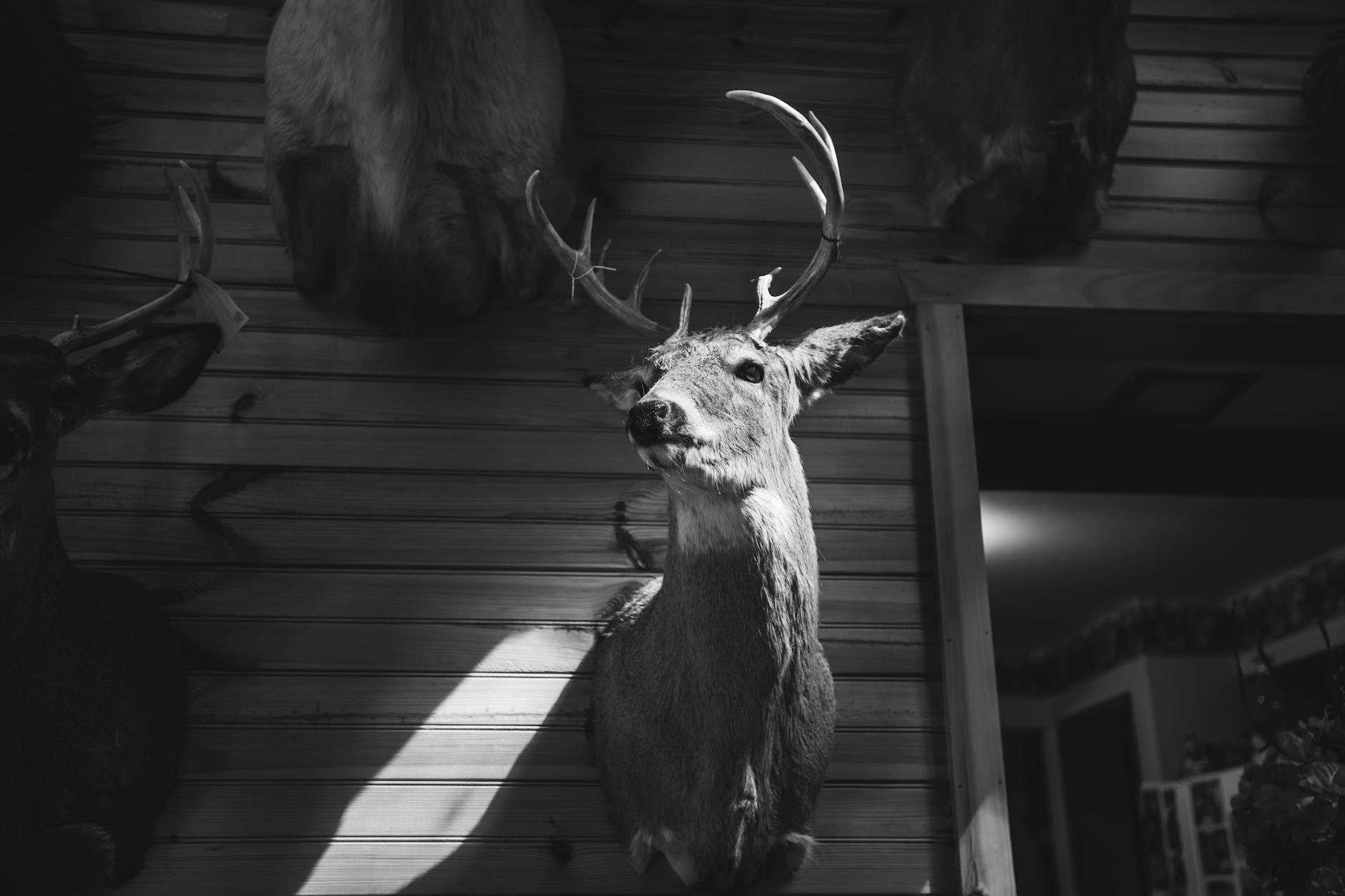
Most hunters spend months planning the perfect shot. Very few spend an hour learning what happens to the animal after the shot that determines whether the mount looks alive or looks like a bad imitation. Taxidermy failures that show up 18 months later on the wall — sunken eyes, off-color hide, ears that folded weird — almost always trace back to field care mistakes made in the first two hours after the kill.
This article contains affiliate links. We may earn a small commission if you purchase through these links, at no extra cost to you.
Here’s the full picture: from pulling the trigger to hanging the finished mount.
Why Field Care Determines Mount Quality
The cape — the skin of the head, neck, and upper shoulders — is a biological material that starts deteriorating the moment the animal dies. Bacteria, heat, and improper handling all degrade the hair follicles, stretch the skin, and compromise the hide in ways that no taxidermist can fully fix later.
The most critical period is the first four hours. In warm weather (above 50°F), this window is even tighter. After four hours of improper care in warm temperatures, the cape may show hair slippage — patches where hair pulls away from the skin during mounting — that creates bald spots or thin areas in the finished mount.
What to do immediately:
- Get the animal in shade if possible
- Make your cape cut correctly using a sharp skinning knife — a Y-cut behind the shoulders is preferred; don’t cut too far forward
- Skin the head promptly if you’re in warm conditions
- Salt the cape heavily (2-3 lbs of non-iodized salt for an elk cape) to draw moisture out
- Keep the cape dry and in a cool location; do not place it in a plastic bag while warm
Important
Where to Make the Cape Cut
This is the mistake that costs hunters the most. Cutting too far forward on the body — within 6 inches of the head — leaves the taxidermist with not enough hide to work with. They cannot stretch skin they don’t have.
The correct cut for a shoulder mount: follow the natural crease behind the front legs, work up to the spine, and make your cut at least 8–10 inches behind the shoulder blade line. When in doubt, leave more hide rather than less. Extra hide is trimmed; missing hide is a problem.
For the head, leave the ears long, leave the lips intact to the teeth, and skin carefully around the eyes — those areas determine whether the finished mount looks natural or cartoonish.
Understanding What a Taxidermist Does
The process from raw cape to finished mount is more complex than most hunters realize:
Fleshing: All fat, meat, and membrane is removed from the hide — a process that takes 2–4 hours for a large elk cape.
Pickling and tanning: The cape is chemically treated to permanently preserve the hide and make it pliable for mounting. This is where quality shops differ most from low-quality operations.
Form selection and modification: Commercial foam forms come in hundreds of sizes and poses. Good taxidermists modify forms to match the specific animal’s face and body dimensions.
Mounting and detail work: The tanned hide is stretched over the form, ears cartilaged and positioned, eyes set, and nose sculpted. This is the artistic phase where skill shows most.
Finishing: Final hair work, paint around lips and nose, and sealer application. This phase separates a good mount from an exceptional one.
What Drives Taxidermy Pricing
A $600 elk shoulder mount and a $1,400 elk shoulder mount differ in three places: tanning quality, form quality, and time invested in detail work. Budget operations use cheaper tanning chemicals that may not be as durable long-term, stock forms without modification, and spend less time on finish work.
High-end taxidermists use premium tanning (usually wet-tan or LuTan F), custom-modify forms for each animal, and spend 40–60 hours on a single elk mount. That level of craft takes years to develop and costs accordingly. Use the Taxidermy Cost Estimator to understand the realistic price range for your region before you shop.
Turnaround Time: Why It Takes So Long
A good taxidermist in a productive elk state books 60–120 elk mounts per season. The tanning process alone takes 30–45 days per batch. Detail work on each mount takes 30–60 hours. Turnaround times of 12–20 months are normal for busy, quality shops — not a sign of poor service.
Shops promising 6-month turnarounds at low prices are either cutting corners in the tanning and detail phases or are running at low volume. Get references. Ask to see finished elk work from multiple seasons. A quality taxidermist’s work looks as good 10 years later as it did the day it was finished.
European Mounts as an Alternative
The european skull mount — cleaned, whitened skull with antlers intact — has become genuinely popular and for good reasons. It’s clean, rustic, and modern-looking. It costs $175–350 for elk, done by a professional. A quality DIY european mount can be done for under $50 in supplies.
If you’re budget-constrained or prefer a minimal aesthetic, a european mount captures the memory without the multi-year wait and premium price of a shoulder mount. The Taxidermy Cost Estimator shows you both options so you can make an informed decision, not a pressured one.
Your trophy deserves thoughtful planning — from the field care that happens in the first two hours to the taxidermist you choose to trust with it for the next 18 months.
Plan Your Hunt
Ready to Apply? Check the Draw Odds
Once you have the gear sorted, use the Draw Odds Engine to find the right tag — free, no account needed.
Get the Insider Edge
Join hunters getting exclusive draw odds data, gear deals, and weekly hunt planning tips.
Related Articles

Rifle Zero and Field Ballistics: What Hunters Actually Need to Know
Hunting rifle ballistics guide — how to zero a hunting rifle for practical field distances, the 200-yard zero vs 100-yard zero debate, point-blank range concept, holdover at distance, and why most hunters are closer to game than they think.

Hunting Camouflage: What Actually Matters and What's Marketing
Hunting camouflage guide — how deer, elk, and turkey vision works, what camouflage actually needs to do, pattern selection by terrain and season, UV brightener issues, and why movement matters more than any pattern.

How to Use Hunting Binoculars: Glassing Technique and Field Habits
Hunting binocular technique guide — how to glass systematically rather than randomly, focus discipline, tripod adapter use for extended glassing, harness systems, and the field habits that separate hunters who find game from hunters who don't.
No comments yet. Be the first to share your experience!