Hunting Intelligence: Scout and Use Data to Kill More
A systematic approach to building hunting intelligence — from spring scouting through season journals, trail cameras, and post-season analysis that compounds year over year.
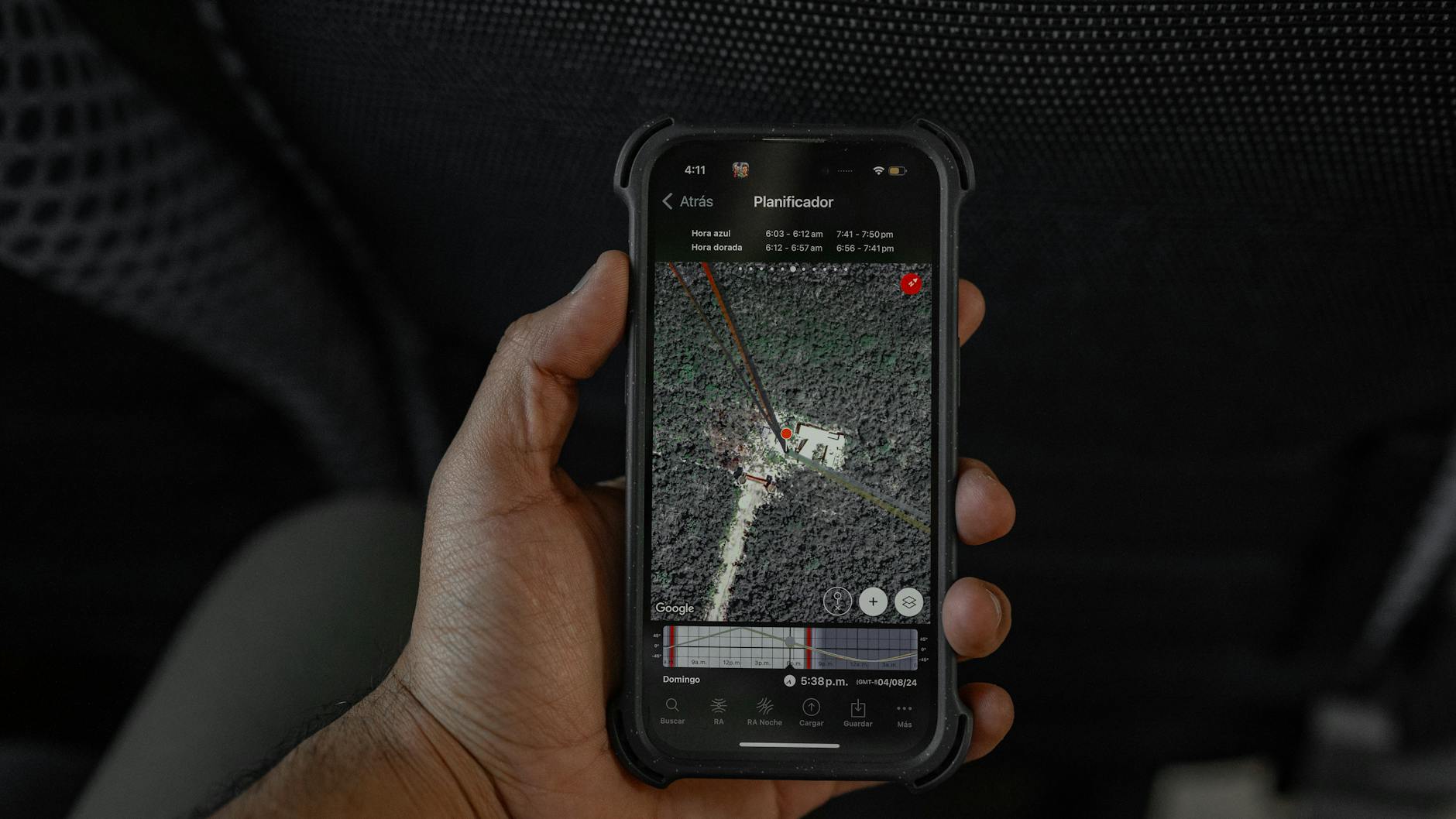
Most hunters would rather spend a Saturday in the stand than a Saturday scouting. That preference is understandable — sitting in the stand feels like hunting; scouting feels like work. But the hunters who kill mature animals consistently have almost always put in more scouting hours than their peers. The stand time is more productive because the scouting told them exactly where to be.
This article contains affiliate links. We may earn a small commission if you purchase through these links, at no extra cost to you.
The intelligence-building process spans the full year. Here’s how to structure it.
Spring Scouting: Reading Last Season’s Sign
The best time to read deer and elk sign is the spring after hunting season. In April and May, last fall’s rubs, scrapes, trails, and wallows are still visible before vegetation covers them — and you’re seeing the evidence of last season’s activity without disturbing this season’s patterns.
Spring scouting goals:
- Find and GPS-mark major scrape locations and rub lines using a GPS device (these are used year after year in many cases)
- Identify travel corridors connecting bedding and feeding areas
- Find water sources and deploy trail cameras to document which are most used
- Discover new terrain features — blowdowns, new clearings, changing vegetation — that will affect fall patterns
A spring scouting day in April typically reveals more usable intelligence per hour than any summer camera check or fall pre-season walk. The woods are open, sign is visible, and there are no animals to disturb.
For elk: Spring scouting in late May or June finds elk in their summering areas — typically high-elevation basins and parks above timberline. Locating summer bull groups establishes where animals will be in late August when archery season opens. The bulls move to these areas predictably each year.
Trail Camera Strategy
Trail cameras generate significant data — and significant busywork if used without strategy. The hunters who get the most from cameras are selective and deliberate about placement.
High-value camera locations:
- Mineral licks and water sources during summer
- Active scrapes during early fall
- Natural funnels and pinch points during hunting season
- Food sources during late season
Camera management principles:
- Check cameras as infrequently as possible (each visit leaves scent and disturbs animals)
- Use cellular cameras where signal exists to eliminate in-person checks entirely
- Don’t over-concentrate cameras — 5 strategically placed cameras produce more useful information than 20 randomly placed ones
Photograph the back sides of mature bucks’ antlers during velvet to build a recognition catalog. When a buck shows up in velvet in July with 8 points and one kicker tine, that’s the same animal that appears in September and October if you know what to look for.
Important
In-Season Observation Recording
Every time you’re in the field — whether you hunt, scout, or just drive through — record what you observe. The cumulative picture of observations over a season is more valuable than any individual data point.
Organize your observations geographically and temporally. “Buck seen October 12, 7:45 a.m., entering thick creek bottom from the east, moving southwest, medium 8-point” is useful data. “Saw a buck on October 12” is noise.
Use the Hunt Field Journal to structure your observations and build a geo-tagged, date-stamped record of everything you see. After three seasons of consistent entries, you’ll know your hunting area better than anyone who hasn’t done this documentation work.
Post-Season Analysis
After hunting season closes, spend an hour reviewing your journal and camera data from the season. Ask:
- What patterns held this year that I’ve seen in prior years?
- What patterns broke — animals that didn’t appear where expected?
- Which stands produced encounters and which didn’t? Why?
- What would I do differently with perfect knowledge?
This reflection converts hunting experience into hunting intelligence. Experience without reflection just reinforces existing habits — both good and bad ones. The hunters who improve fastest are the ones who actively analyze why they succeeded and failed.
Summer Glassing: The Elk Hunter’s Advantage
For western elk hunters, summer glassing of bachelor groups is one of the highest-return scouting activities available. From late July through velvet strip in September, bull elk are visible in open high country parks and basins — often in predictable locations, often in the same areas year after year.
A 4-day summer glassing trip with a quality spotting scope can identify:
- Which bulls are in the area
- Approximate antler scores and characteristics (helps with target selection)
- Which terrain features bulls use during the day
- Where bulls bed in midday heat
That intelligence translates directly into archery elk success. A hunter who spent a September archery week in the same basin a bull was using in July has already done most of the important work. The September hunt becomes a known-animal pursuit rather than a search.
Build your intelligence systematically, record it consistently, and review it annually. The compounding effect over multiple seasons is what separates hunters who are getting better every year from those who are hunting the same way they did 15 years ago.
Next Step
Check Draw Odds for Your State
Tag-level draw odds across 9 western states — filter by species, unit, weapon, and points. Free to use.
Get the Insider Edge
Join hunters getting exclusive draw odds data, gear deals, and weekly hunt planning tips.
Related Articles
Arizona OTC Archery Deer 2026: Unit Limits and Closures
Arizona's OTC archery deer season opens August 21, 2026 — and units close the moment harvest limits fill. Here's every unit's limit, plus the best bets by real archery success rates.
Colorado OTC Elk in 2026: What Changed for Nonresidents
Colorado eliminated unlimited nonresident OTC archery elk west of I-25 for 2026 — and Gunnison rifle tags went draw-only. Here's exactly what's still on the shelf and how to hunt this fall anyway.
Colorado Reissue Licenses: How to Grab Returned Elk Tags
Every Wednesday through fall, CPW sells back surrendered limited licenses — including elk tags nonresidents can't get any other way in 2026. Here's the Tuesday-Wednesday ritual that actually lands one.
No comments yet. Be the first to share your experience!