Hunt Fitness: How to Get in Shape for a Western Hunting Season
Physical fitness guide for hunters — what western hunting actually demands physically, a 16-week fitness plan for backcountry hunting, strength vs cardio balance, altitude acclimatization, and why most hunters are underprepared for elk country.

Nothing prepares you for elk country like elk country. But the hunters who show up unprepared spend the first three days recovering instead of hunting. By the time their legs stop burning and their lungs stop screaming, half the week is gone. Use the Tag-to-Trail Planner to understand the terrain and mileage demands of your specific unit before building your training plan.
Western big game hunting is a physical event. Treat it like one.
This guide covers exactly what elk country demands from your body, how to build fitness across 16 weeks, and the specific training pillars that make the biggest difference when you’re grinding up a ridge at 11,000 feet with 50 pounds on your back. If you’re planning a wilderness hunt specifically, factor in the additional pack-out demands when setting your fitness targets.
What Western Hunting Actually Demands
Most hunters dramatically underestimate the physical requirements of a western backcountry hunt. Here’s what a realistic elk hunt looks like on paper.
Daily mileage: 8 to 12 miles of hiking per day, often on unmarked terrain with elevation gain.
Pack weight: 40 to 60 pounds is standard once you account for optics, water, layers, meat bags, and first aid. On pack-out days after a kill, that number climbs.
Elevation: Hunting at 10,000 to 12,000 feet is common in Colorado, Wyoming, Utah, and New Mexico. At these elevations, your aerobic capacity drops roughly 15-25% compared to sea level. Hard climbs feel harder. Recovery takes longer.
Duration: A 5- or 6-day hunt means you repeat this effort day after day, not just once.
Add it up: by day three of a serious elk hunt, you’ll have covered 25 to 35 miles of mountain terrain carrying significant weight at altitude. If your training consisted of occasional gym sessions and weekend runs, that math is brutal.
The good news is that this is trainable. Sixteen weeks of focused preparation is enough to get most hunters into a condition where the mountain stops being the enemy.
Most Hunters Are Underprepared
A University of New Mexico study on recreational hikers found that trail difficulty is consistently underestimated when planning multi-day outings. The hunters who get hurt or bonk in elk country almost always went in undertrained — not unlucky.
The 16-Week Framework
Sixteen weeks is roughly four months — enough time to build a real foundation without overtraining. The program has four phases. Each phase builds on the last.
Phase 1 — Base Building (Weeks 1–4)
The goal here is simple: rebuild your aerobic engine and get your body used to sustained effort. If you’ve been mostly sedentary, this phase matters most.
Primary activity: Walking and hiking with a light pack (15 to 20 pounds). Start with 30-minute sessions three times a week and work toward 60-minute sessions by week four. Flat terrain is fine for now.
Strength: Two sessions per week of bodyweight squats, walking lunges, and step-ups. Keep it basic. The goal is activating muscles that have been underworked, not building strength yet.
Weekly volume target: 3 to 4 hours of activity total.
Don’t skip this phase because it feels too easy. The hunters who hurt their knees in week seven usually rushed through base building.
Phase 2 — Strength (Weeks 5–8)
Now you build load-bearing capacity in the legs and core. This is where your hunt is actually won or lost. Strong legs and a stable core let you cover ground efficiently, shoot accurately from awkward positions, and carry heavy weight without breaking down.
Rucking: Increase pack weight to 30 to 35 pounds. Add hills and elevation gain to your routes. Aim for 45 to 75 minutes, three to four times per week.
Strength sessions: Three times per week, focused on:
- Goblet squats and barbell squats — quad and glute strength for descents
- Bulgarian split squats — single-leg strength and balance for uneven terrain
- Romanian deadlifts — hamstring and posterior chain strength for climbing
- Weighted step-ups — the closest gym equivalent to actual mountain hiking
- Farmer carries — core stability under load, exactly what pack weight demands
Core work: Planks, dead bugs, and pallof presses. Avoid endless crunches — hunters need anti-rotation stability, not just a strong front side.
Phase 3 — Hunting-Specific Conditioning (Weeks 9–12)
This phase bridges the gym and the mountain. Training loads approach what you’ll carry in the field. Terrain complexity increases.
Rucking: Pack weight increases to 45 to 55 pounds. Sessions extend to 90 minutes to 3 hours on weekends. Find the hilliest terrain available to you — stadium steps, parking garages, trail systems with sustained grades.
Hunting-specific drills:
- Wear your boots for every ruck session. By now they should be completely broken in.
- Practice glassing from seated, kneeling, and prone positions at the end of hard ruck sessions when your hands aren’t perfectly steady — this is the real-world shooting scenario.
- If you’re a bowhunter, draw your bow multiple times after each session to simulate drawing while fatigued.
Maintenance strength: Drop to two strength sessions per week. You’re not trying to build more now — just maintain what you’ve built.
Rucking Is the Best Hunt Training Available
Nothing trains you for carrying a pack across mountain terrain like carrying a pack across mountain terrain. Rucking — walking with a loaded pack — develops the specific cardiovascular output, postural endurance, and foot strength that hunting requires. A 90-minute ruck with 45 pounds beats two hours on a treadmill for backcountry prep every time.
Phase 4 — Sharpening (Weeks 13–16)
You’ve built the engine. Now you tune it. Reduce volume by about 20% and let your body consolidate the gains from the previous twelve weeks. Think of this as arriving at the start line rested and sharp — not depleted from one last big push.
Rucking: Cut frequency to two sessions per week but keep one long session (2+ hours) to maintain the feel of sustained effort. Reduce weight slightly if needed.
Strength: One to two sessions per week. Focus on single-leg work and hip stability.
Mobility: Add 10 to 15 minutes of hip flexor stretching, ankle mobility work, and foam rolling per day. This is the phase where tight hip flexors and stiff ankles get addressed — the two things that destroy desk workers on long mountain days.
Final two weeks: Taper. Shorter sessions, lighter loads. Walk and stay loose. You want to arrive in the field feeling fresh, not fatigued from training.
The Three Pillars of Hunt Fitness
Whatever week of training you’re in, everything maps back to three physical requirements.
Cardiovascular Endurance
The heart and lungs have to sustain moderate effort across an 8-to-10-hour day. Not sprinting effort — the steady, sustainable aerobic output that lets you keep moving uphill without stopping every 100 yards to catch your breath.
The target benchmark: you should be able to ruck 8 miles with 45 pounds in under 3 hours without feeling destroyed at the end. If you can do that, you’re in the range of ready.
Leg Strength
Quad strength determines how you descend. Glute strength determines how you climb. Both determine how you feel on day four versus day one. Weak legs don’t just slow you down — they lead to knee pain, altered gait, and injury risk on descent.
The target benchmark: you should be able to do 20 consecutive deep bodyweight squats, 15 weighted step-ups per leg with a 50-pound pack, and walk downhill for two miles without your knees complaining.
Core Stability
The core is the transmission between your legs and your upper body. Under a heavy pack, a weak or unstable core means the load shifts, your spine compensates, and fatigue and pain follow. A stable core lets you transfer force efficiently on every step and stabilize your shot when you’re winded.
Core training for hunters means anti-rotation exercises, not crunch variations. Planks, single-arm farmer carries, and pallof presses are more relevant than any ab-focused machine.
Altitude and Acclimatization
If you live at low elevation and hunt above 9,000 feet, altitude is a separate variable you have to plan for.
What happens at altitude: At 10,000 feet, the air contains roughly 30% less oxygen per breath than at sea level. Heart rate is elevated. Sleep is disrupted. Digestion slows. Even well-conditioned athletes feel it.
Symptoms of altitude sickness include headache, nausea, dizziness, and fatigue that goes beyond normal exertion. Symptoms typically appear within 6 to 12 hours of arrival and peak around day two.
The solution is time. Arriving at altitude three or more days before the season opens dramatically reduces the impact. Your blood oxygen levels begin to stabilize within 48 to 72 hours, and by day three or four most people are close to functional. The hunters who fly in the morning of opening day and start hiking immediately are the ones who spend day one with a splitting headache.
If you have the option, consider driving rather than flying — it lets you spend a night at an intermediate elevation (5,000 to 7,000 feet) before ascending further.
Hydration at altitude: You lose water faster at elevation through respiration. Drink more than you think you need — at minimum 4 to 5 liters per day on active hunting days. Dehydration amplifies every altitude symptom.
Pre-Hunt Altitude Tip
If you can’t arrive three days early, prioritize sleep the first night. Your acclimatization clock starts when you stop ascending. A full night of rest at camp elevation is worth more than an evening glassing session. Altitude and sleep deprivation stack badly.
Hip Flexors and Knees: The Desk Worker Problem
Most hunters spend 8 to 10 hours a day sitting. Sitting shortens and tightens hip flexors, weakens glutes, and creates anterior pelvic tilt — a postural pattern that loads the knees incorrectly under heavy weight.
When you put a 50-pound pack on a body with tight hip flexors and dormant glutes and ask it to hike 10 miles uphill, something usually protests. It’s almost always the knees.
Addressing this doesn’t require hours of stretching. It requires consistent hip flexor work starting in Phase 1 and continuing through the hunt itself.
The daily minimum: Spend 5 minutes in a half-kneeling hip flexor stretch on each side every day, and add glute activation work (clamshells, bridges, banded lateral walks) to your warm-ups. Boring. Effective.
On the mountain: Take a 5-minute stretch break every hour of hiking. Your hip flexors will thank you on day three.
Nutrition for All-Day Hunting Energy
Bonking — running out of fuel mid-day — is a real risk on long hunting days when calorie demands are high and eating is inconvenient. Preventing it is simple.
Eat before you hike. A 400 to 600 calorie breakfast with fat and protein (not just carbs) before morning hiking gives you a stable fuel baseline for the first three to four hours.
Eat while moving, not just at lunch. Trail mix, jerky, bars, and cheese are easy to eat on the move. Target 200 to 300 calories per hour on active days. Don’t wait until you’re hungry — by the time hunger signals register at altitude, you’re already in a deficit.
Prioritize recovery nutrition after the day’s hiking. A real meal with protein and carbohydrates within an hour of getting back to camp speeds next-day recovery significantly.
Don’t rely on caffeine to manage energy. Caffeine masks fatigue signals at altitude and can dehydrate you. If you need it to get through the day, your calorie intake is probably too low.
Sleep and Recovery at High Altitude
Sleep at elevation is worse than at home for most hunters. Altitude disrupts sleep architecture, particularly in the first two nights, and you may wake up feeling less rested than your watch data suggests.
Managing this: limit alcohol (it destroys sleep quality at altitude), stay hydrated before bed, and consider sleeping with a slightly elevated upper body if you’re prone to altitude-related breathing issues. A half-inch of pack under the top of your sleep pad is enough.
Recovery between hunting days is a real training variable, not a luxury. Adequate sleep is the primary driver of next-day leg function. Hunters who stay up late around the fire and wake at 4 a.m. for five consecutive days are voluntarily compromising their physical output — and their accuracy.
Training Summary
Here’s what sixteen weeks of preparation actually looks like in a single framework:
| Phase | Weeks | Primary Focus | Pack Weight | Key Metric |
|---|---|---|---|---|
| Base Building | 1–4 | Aerobic base, movement habits | 15–20 lbs | 60 min ruck, 3x/week |
| Strength | 5–8 | Leg and core strength | 30–35 lbs | 75 min ruck + 3x strength |
| Hunt-Specific | 9–12 | Load capacity, terrain | 45–55 lbs | 90+ min ruck on hills |
| Sharpening | 13–16 | Consolidate, taper, mobility | 40–45 lbs | 2x ruck, fresh to start |
The bottom line: Western hunting is a sport. Public land elk hunting demands more from your body than almost any other hunting context. The elk don’t care what shape you were in five years ago, and the mountain doesn’t compress into something easier because you’re busy. Sixteen weeks of focused, progressive training is a small investment relative to the cost of a tag, the years of points it may have taken to get it, and the physical experience of being on the mountain strong enough to actually hunt — rather than just survive. Pair this program with the hunting injury prevention guide so you arrive strong and stay healthy through the pack-out.
Start the week your tag arrives. That’s the right answer to when to start.
Next Step
Check Draw Odds for Your State
Tag-level draw odds across 9 western states — filter by species, unit, weapon, and points. Free to use.
Get the Insider Edge
Join hunters getting exclusive draw odds data, gear deals, and weekly hunt planning tips.
Related Articles
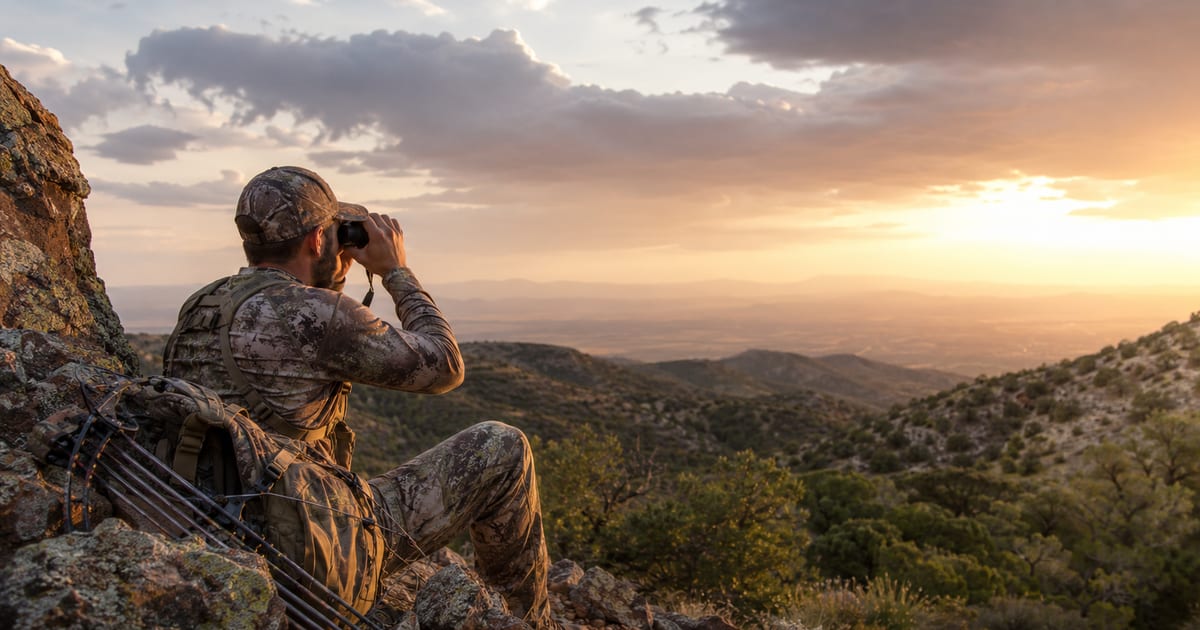
Arizona OTC Archery Deer 2026: Unit Limits and Closures
Arizona's OTC archery deer season opens August 21, 2026 — and units close the moment harvest limits fill. Here's every unit's limit, plus the best bets by real archery success rates.
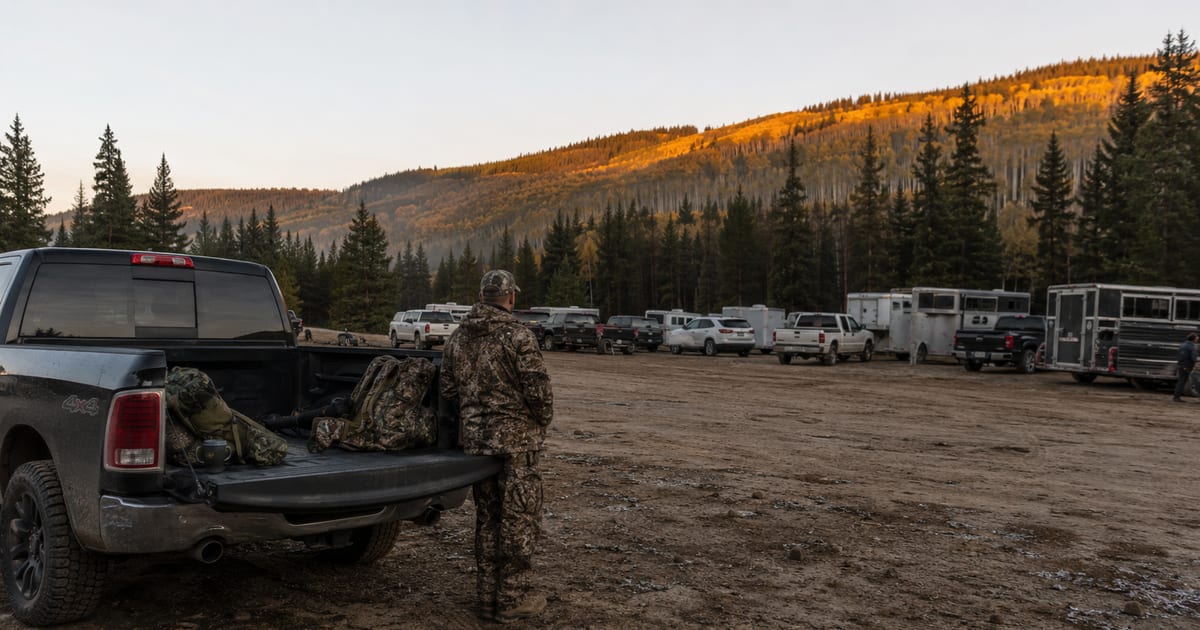
Colorado OTC Elk in 2026: What Changed for Nonresidents
Colorado eliminated unlimited nonresident OTC archery elk west of I-25 for 2026 — and Gunnison rifle tags went draw-only. Here's exactly what's still on the shelf and how to hunt this fall anyway.
Colorado Reissue Licenses: How to Grab Returned Elk Tags
Every Wednesday through fall, CPW sells back surrendered limited licenses — including elk tags nonresidents can't get any other way in 2026. Here's the Tuesday-Wednesday ritual that actually lands one.
No comments yet. Be the first to share your experience!