Hunting Dog Training: Puppy to Field Partner in Two Seasons
A complete guide to training hunting dogs — breed selection, foundational obedience, bird introduction, field skills, and the common mistakes that derail otherwise talented dogs.
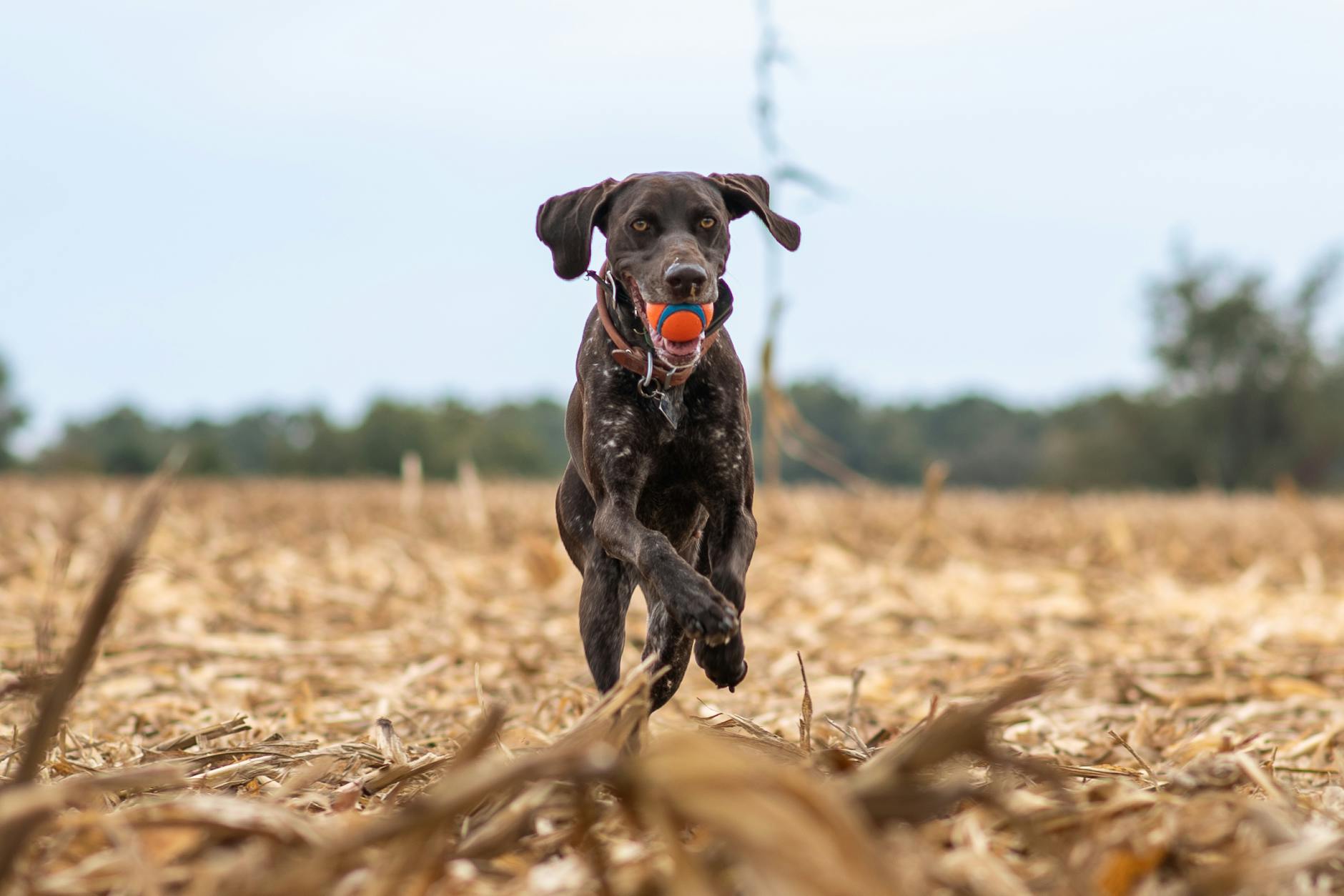
A hunting dog is the only piece of hunting equipment that can smell what you can’t smell, hear what you can’t hear, and put birds in your hands that you’d never find otherwise. A well-trained retriever is an elk hunter who can swim. A well-trained pointing dog is a scout who works 20 times faster than you on foot. The investment in training is one of the highest-return commitments in all of hunting.
This article contains affiliate links. We may earn a small commission if you purchase through these links, at no extra cost to you.
The investment also takes years — and takes patience. Here’s the framework that actually works.
Breed Selection: Matching Dog to Hunt
The most important training decision happens before the puppy comes home: choosing the right breed for your hunting.
Labrador Retrievers: Versatile waterfowl and upland flushing dogs. Start with quality training bumpers and a remote training collar from day one. The most forgiving breed for first-time owners because their desire to please and natural retrieving instincts reduce training complexity. Excellent for duck hunters and pheasant hunters who prefer a flushing style. The most popular hunting dog in North America for a reason.
German Shorthaired Pointers: Versatile pointing breeds that handle upland birds, waterfowl, and even blood tracking in some applications. More energy and more independence than Labs — they need more exercise and more consistent handling. Excellent hunting machines for experienced owners. Not ideal as a first hunting dog.
English Pointer and English Setter: Classic upland pointing breeds, bred for range and bird sense above almost all else. These are specialized dogs for serious quail, grouse, and pheasant hunters. Less trainable for obedience-first owners; require experienced handling and substantial field time.
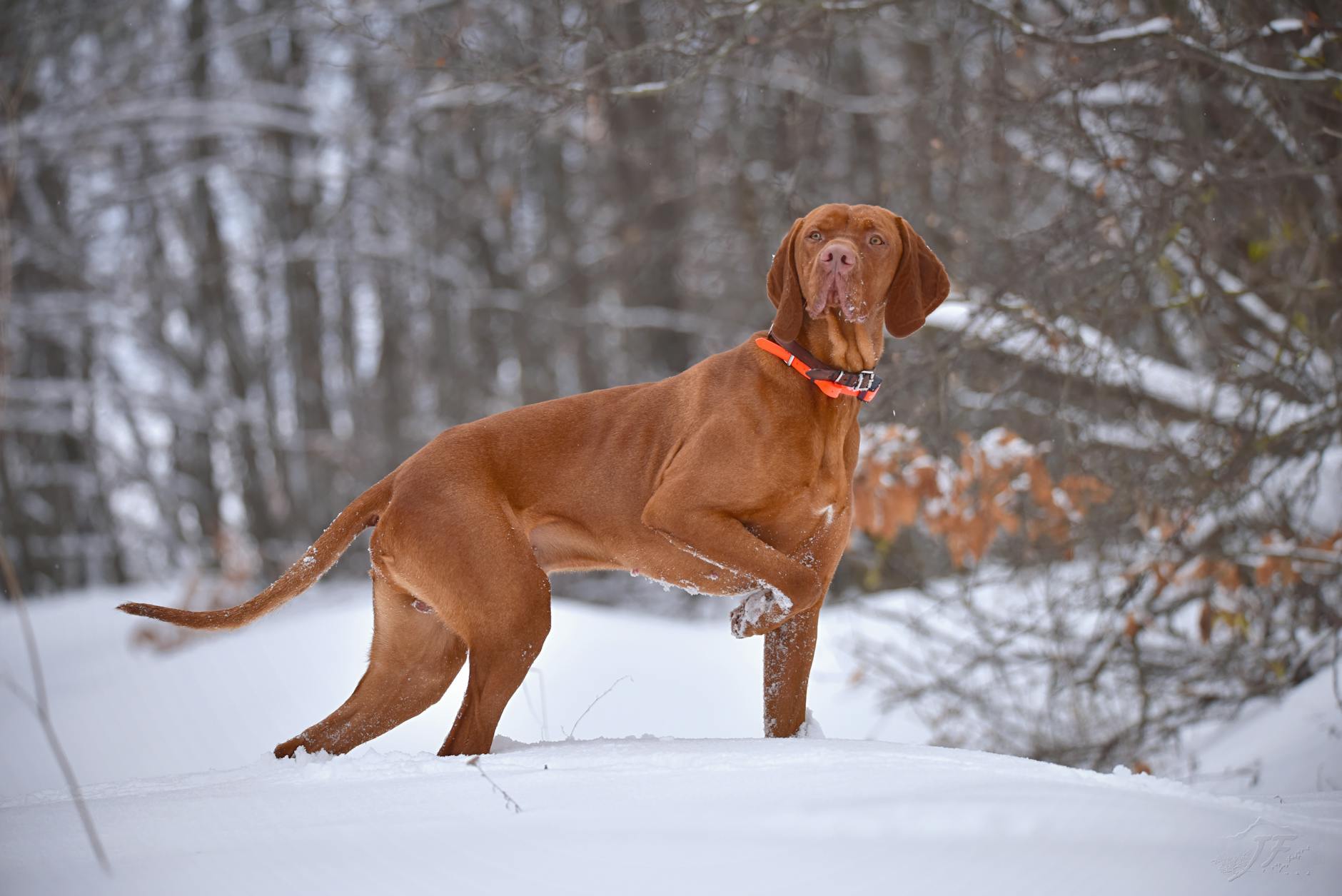
Vizsla and Weimaraner: Mid-range pointers with more biddability (responsiveness to handling) than English Pointers. The Vizsla in particular has a devoted following for its versatility and emotional closeness with owners. Excellent for hunters who want both a family dog and a hunting dog.
Chesapeake Bay Retriever: Built specifically for cold-water waterfowl in harsh conditions. More independent and harder-headed than Labs — require firm, experienced handling. For serious hardcore duck hunters, the best cold-water dog available.
The Foundational Principle: Obedience Before Everything
The single biggest mistake first-time hunting dog owners make is rushing to birds before the dog has reliable obedience. A dog that doesn’t reliably sit, stay, come, and heel is not ready for bird work — because bird excitement amplifies whatever training deficiencies exist.
A dog with weak recall that gets distracted on a regular walk will completely ignore a whistle in the presence of birds. A dog who struggles to hold a sit-stay in the backyard will break flush and steal birds in the field. Every foundational obedience deficiency becomes a catastrophic problem when birds are added.
Rule of thumb: before introducing birds to a pointing breed, the dog should perform whoa (stop and stand in place), heel off-leash in a distracting environment, and come at a run consistently. Before birds for a retriever: sit, stay with distractions, and delivery to hand on every retrieve. These standards take 3–6 months to establish in most puppies. Do not rush them.
Important
Bird Introduction: Building the Natural Instinct
For pointing breeds, the bird introduction phase is one of the most rewarding experiences in dog ownership. The point instinct is bred deep — when a well-bred pointer first smells a live bird, they often point instinctively with no training at all. Your job is to reinforce and formalize what’s already there.
Pigeons for pointing work: Pigeons are the standard training bird for pointing breed introduction because they hold well, produce strong scent, and flush predictably. Use a check cord initially to control the dog’s approach to the pigeon — preventing the chasing habit from forming before point is established.
Bumpers and then birds for retrievers: Start with bumper retrieves (canvas or rubber training dummies) to establish the marking, retrieve, and delivery behaviors. Introduce frozen birds once bumper work is reliable — the texture and scent change is significant, and some retrievers need time to accept a bird in their mouth without mouthing or dropping.
The Steadiness Challenge
Steadiness — the dog’s ability to hold position through the flush and shot without chasing — is the most difficult advanced skill and the one most hunters skip because it requires the most work. The chase instinct is strong. Breaking it reliably requires hundreds of repetitions.
For pointing breeds: whoa-steadiness means the dog holds point until commanded, holds through the flush, holds through the shot, and only moves to retrieve on command. This requires introduction with controlled flushes (no gun initially), gradual addition of flush without shot, then flush with shot, over many sessions.
For retrievers: whistle-sit on the mark means the dog marks the fall, sits on the whistle, and retrieves only on the “back” command. This prevents the dog from self-releasing and controls which bird is retrieved when multiple birds are down.
Use the Dog Training Tracker to log steadiness sessions specifically — it’s the skill most likely to regress without consistent work, and tracking prevents the gradual erosion that turns a steady dog into a breaking dog.
The Two-Season Reality
A realistic timeline for a pointing breed:
- Season 1 (puppy year): Foundational obedience, bird introduction, pointing association. Dog hunts briefly but isn’t relied upon as a primary hunting asset.
- Season 2: Field work, steadiness development, range refinement. Dog is genuinely useful by October, occasionally brilliant by November.
- Season 3+: The dog is the hunting asset you trained for. The investment pays.
Retrievers mature slightly faster on their primary skill (retrieving) but water work and advanced blind retrieves take equal time. By season 2, a well-trained Lab is a genuinely excellent duck and pheasant hunting partner.
Be patient. The dog that’s still occasionally frustrating in October of year 1 is often spectacular in October of year 2. Consistency of training — not severity, but regularity — is what builds the finished hunting dog.
Next Step
Check Draw Odds for Your State
Tag-level draw odds across 9 western states — filter by species, unit, weapon, and points. Free to use.
Get the Insider Edge
Join hunters getting exclusive draw odds data, gear deals, and weekly hunt planning tips.
Related Articles

Arizona Elk Calling: September Archery
September archery elk in Arizona means calling. Here's the practical guide to bugles, cow calls, and the timing that produces bulls.
Arizona Hound Hunting Regulations Guide
Arizona hound hunting for bear and lion requires specific permits and tags. Here's the complete regulatory guide for 2026.

Arizona Shed Hunting: Rules & Season Guide
Arizona has specific rules on shed antler collecting. Here's the complete guide to the season, the ethics, and the most productive areas.
No comments yet. Be the first to share your experience!