Hunting Cold Fronts: Why Post-Front Conditions Are Best
Everything hunters need to know about hunting weather fronts — barometric pressure effects on big game, how to read approaching fronts, and how to position for post-front activity.
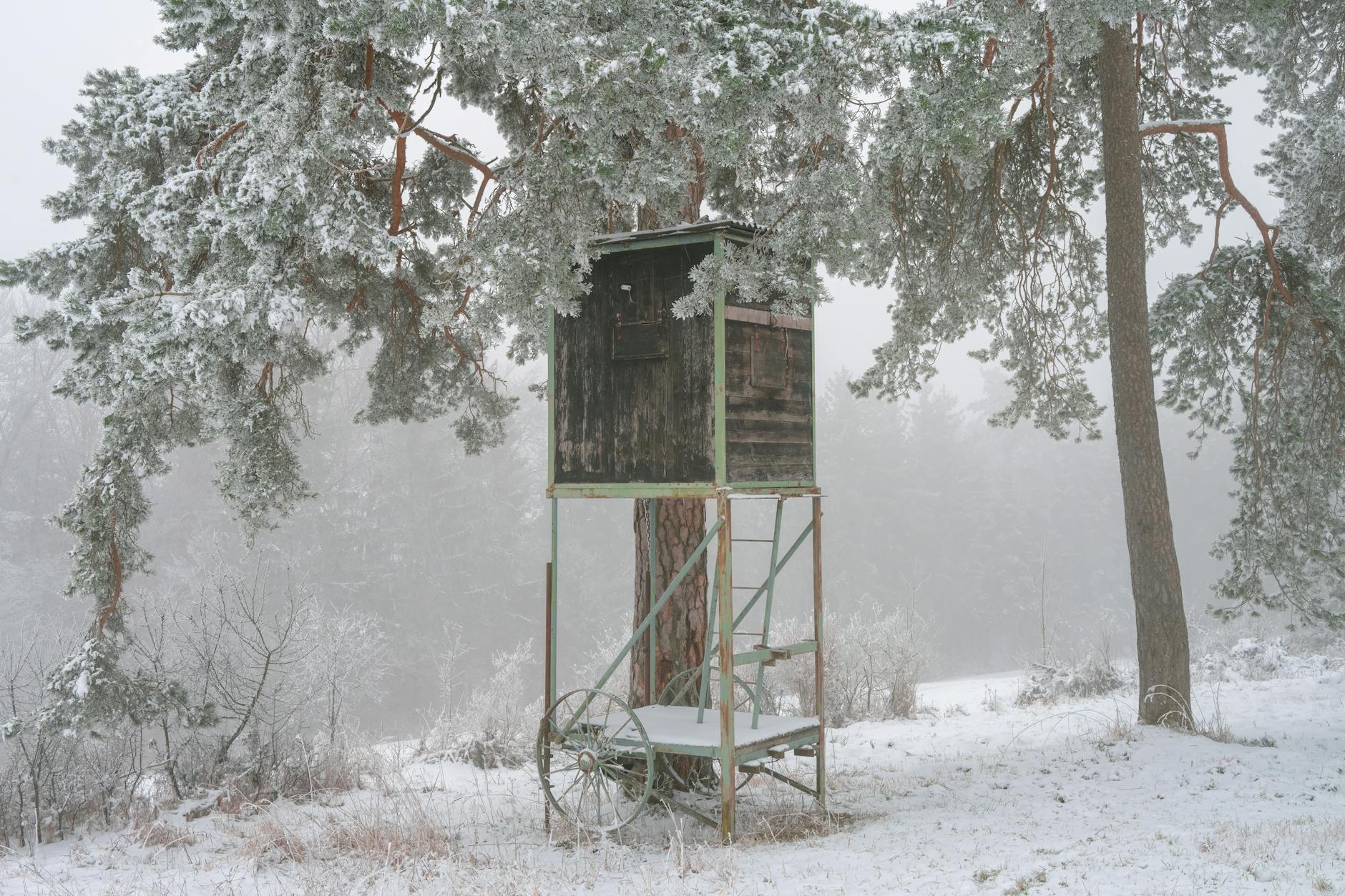
Ask any experienced deer hunter to name the best morning of their last five seasons and there’s a good chance they describe the same meteorological conditions: a front pushed through, the temperature dropped, the sky cleared overnight, and dawn arrived cold, still, and bright. Deer were everywhere. Two bucks chased a doe through the oak flat by 8 a.m. A shooter stopped broadside at 40 yards.
This article contains affiliate links. We may earn a small commission if you purchase through these links, at no extra cost to you.
That morning wasn’t luck. It was predictable. And hunters who understand why can replicate it deliberately rather than stumbling into it.
Why Fronts Drive Movement
The mechanism behind front-related deer activity is physiological, not mystical. White-tailed deer are homeothermic — they regulate their body temperature internally and adjust their behavior to minimize the energy cost of thermoregulation. In warm weather (above 50°F for most populations), deer restrict movement to cooler morning and evening windows and spend midday in bedding areas where shade and reduced exposure keep metabolic demands manageable.
When temperatures drop sharply — as they do following a cold front — deer can move comfortably during a wider window of daylight without metabolic penalty. The same deer that was bedded from 9 a.m. to 4 p.m. last Tuesday is feeding through the morning on Wednesday when it’s 28°F.
Beyond thermoregulation, deer appear to respond to barometric pressure changes independent of temperature. Research using GPS-collared deer consistently shows elevated movement rates during rising pressure periods. The leading hypothesis: falling pressure preceding fronts may cause physical discomfort (inner ear sensitivity, arthritic joint pressure) that reduces movement; rising pressure after front passage relieves this discomfort and coincides with elevated activity.
Reading Front Forecasts for Hunting
Not all fronts are equal. What to look for:
Temperature drop magnitude: A 5°F overnight drop is modest and produces moderate movement improvement. A 20–25°F drop — typical of the major cold fronts that sweep the central US in October and November — produces dramatic changes in deer behavior. The bigger the drop, the bigger the effect.
Pressure recovery rate: A Kestrel weather meter lets you track real-time barometric pressure trends from your stand. Slow pressure recovery (0.05 inches per 6 hours) produces sustained moderate activity over 2–3 days. Fast pressure recovery (0.15+ inches per 6 hours) produces shorter, more intense activity windows. Both are worth hunting; know which type you’re dealing with to calibrate how long the good conditions will last.
Wind speed: Front passage brings strong winds that suppress deer movement — deer can’t effectively use their nose to detect predators in high winds and become nervous. Wait for wind to settle after front passage before hunting. The best hunting typically begins 6–18 hours after a front moves through.
Precipitation: Pre-front rain and snow push deer to heavy cover. The last few hours before a front arrives can produce feeding activity as deer sense the barometric drop. Immediately post-front precipitation is slow. Clear, cold post-front skies are the ideal hunting condition.
Important
Elk and Front Weather
Elk respond to cold fronts somewhat differently than deer. Rocky Mountain elk spend summer at high elevations and are already well-adapted to cold temperatures. What cold fronts do for elk hunting is less about triggering feeding and more about triggering migration and shifting use patterns.
Major fall fronts — particularly the first significant cold snap in mid-September and October — often trigger elk migration from summer range toward winter range. Animals that were scattered across high country consolidate on migration routes and lower-elevation transition areas. These transition periods, when elk are actively moving between areas, offer some of the best hunting of the season.
For elk hunters, tracking major fronts in September and October and being positioned in transition zones during and after front passage can be the difference between a slow hunt and finding a concentration of moving animals.
Positioning for Post-Front Success
The best stand placement for post-front deer hunting: food sources. After restricted movement during warm stretches, deer arrive at food sources with caloric deficits. Agriculture fields, oak flats with active mast production, and food plots all become magnets in the first 48 hours after a cold front. A quality treestand positioned over these food sources puts you in the action.
For timber hunters without ag field access, transition zones between bedding cover and feeding areas become the key setup. Deer are moving from bedding to food on tighter schedules than during warm conditions — the transition zone is where you intercept them.
For elk, use fronts as triggers to cover more country. Don’t sit on a known wallow or wallowing area after a front clears and temperatures drop — elk aren’t thermoregulating that way anymore. Move to transition cover and ridge systems where migrating animals travel.
Planning Around Fronts in Advance
The Moon Phase & Solunar Hunt Planner ranks dates up to 14 days out by moon phase, solunar timing, and rut window. It doesn’t read forecasts, so front timing still comes from your weather service. For hunters with limited vacation time, checking both two weeks ahead and then shifting dates so a predicted front lands on a strong lunar date can significantly improve the quality of hunting conditions.
You can’t control the weather. You can control when you’re in the stand and whether your setup is optimized for the conditions that are coming. Hunters who plan around fronts don’t always succeed — but they are in the woods on the right days, in the right places, which is the prerequisite for everything else.
Next Step
Check Draw Odds for Your State
Tag-level draw odds across 9 western states — filter by species, unit, weapon, and points. Free to use.
Get the Insider Edge
Join hunters getting exclusive draw odds data, gear deals, and weekly hunt planning tips.
Related Articles
Arizona OTC Archery Deer 2026: Unit Limits and Closures
Arizona's OTC archery deer season opens August 21, 2026 — and units close the moment harvest limits fill. Here's every unit's limit, plus the best bets by real archery success rates.
Colorado OTC Elk in 2026: What Changed for Nonresidents
Colorado eliminated unlimited nonresident OTC archery elk west of I-25 for 2026 — and Gunnison rifle tags went draw-only. Here's exactly what's still on the shelf and how to hunt this fall anyway.
Colorado Reissue Licenses: How to Grab Returned Elk Tags
Every Wednesday through fall, CPW sells back surrendered limited licenses — including elk tags nonresidents can't get any other way in 2026. Here's the Tuesday-Wednesday ritual that actually lands one.
No comments yet. Be the first to share your experience!