Budget for Your Trophy With the Taxidermy Cost Estimator
Use the Taxidermy Cost Estimator to get accurate mount cost projections before you pull the trigger — avoid sticker shock and budget for the full cost of your hunt.
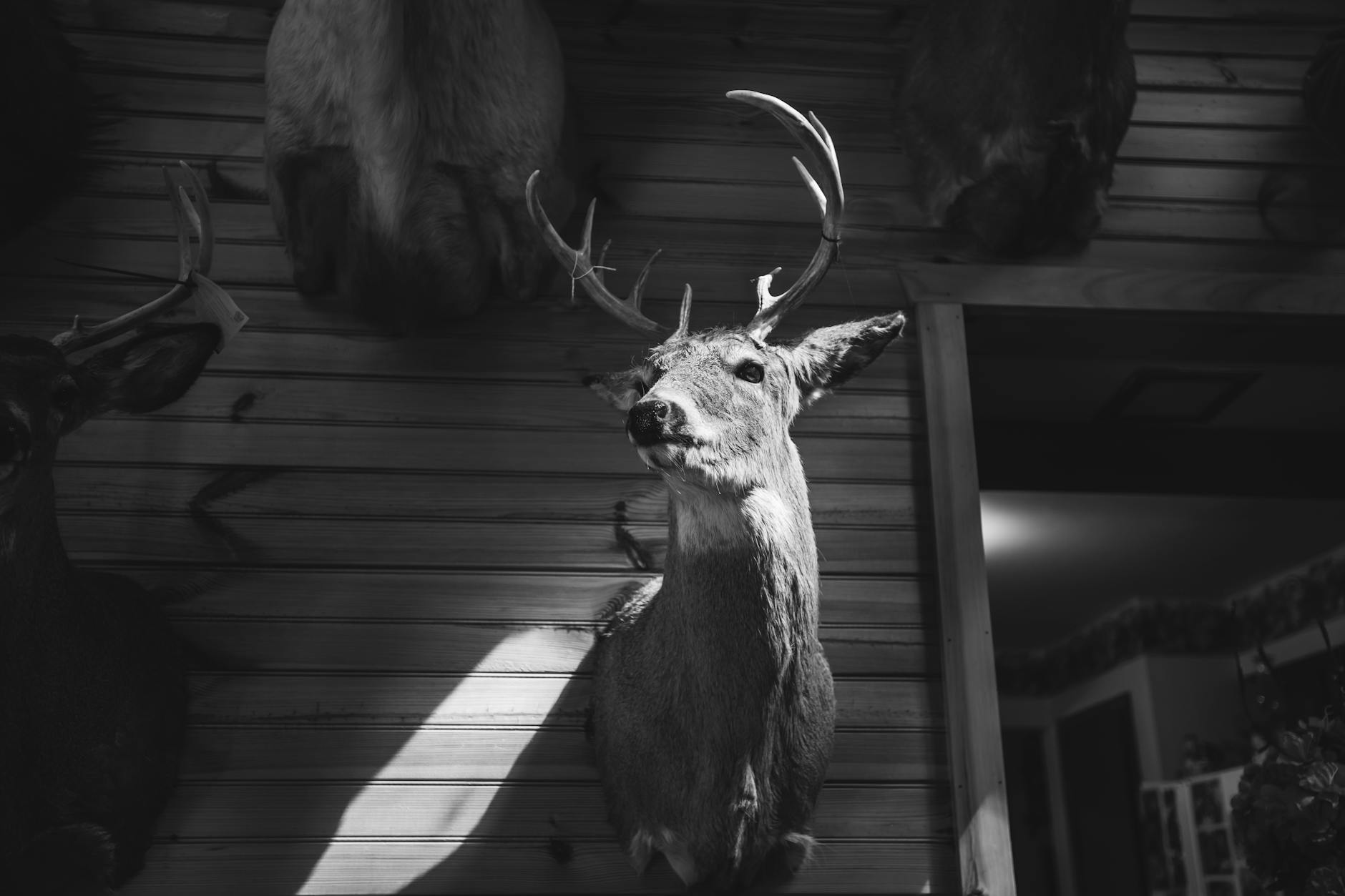
This article contains affiliate links. We may earn a small commission if you purchase through these links, at no extra cost to you.
You’ve just tagged a bull elk — 320-inch 6x6, your best ever. Standing over him in the fading afternoon light, you’re already thinking about the wall. But when you call the taxidermist two days later, the quote for a shoulder mount stops you cold: $1,350, plus a $300 deposit, with a 14-month turnaround. You didn’t budget for it. The hunt already cost $4,200. Now you’re figuring out how to tell your spouse.
This scenario plays out every fall across the West. The Taxidermy Cost Estimator solves it by putting the numbers in front of you before the hunt — while you still have time to plan.
What the Estimator Covers
The tool generates cost ranges for every major mount type across all common North American big game species:
- Shoulder mounts — the full head and upper shoulder, most common for deer, elk, antelope, and bears
- European/skull mounts — cleaned skull with antlers, growing in popularity and far less expensive (a DIY european mount kit can save even more)
- Full-body mounts — usually reserved for bears, predators, and exceptional trophies
- Hide tans and rugs — common for bears and predators
- Fish mounts — replica or skin mount, varies by species and length
Enter your species, region (taxidermy prices vary by 20–30% between rural and metro markets), and mount type, and the estimator returns a realistic price range and typical turnaround time.
How to Use It in Your Hunt Budget
Open the Taxidermy Cost Estimator during your pre-hunt planning — not after the kill. Add the estimated mount cost to your total hunt budget alongside license fees, travel, and gear. That full picture prevents the post-hunt financial scramble.
For a Colorado elk hunt, here’s what a realistic budget line looks like when taxidermy is included:
- License and tags: $607 (non-resident bull)
- Travel and fuel: $400–800
- Lodging or camp: $200–600
- Gear amortized: $300–500
- Taxidermy (shoulder mount, elk): $1,100–1,500
Total honest cost with a mount: $2,600–4,000+ for a self-guided hunt. That’s a real number — and knowing it in advance changes how you plan.
Important
Choosing Between Mount Types
The estimator helps you compare options side-by-side. A european mount on a bull elk runs $175–350 — roughly 20% of a shoulder mount cost. For hunters who care more about the memory than the wall display, a european mount plus a quality photo album is a legitimate, far cheaper alternative.
Full-body mounts are reserved for truly exceptional animals or strong sentimental value — a first buck, a once-in-a-lifetime bear. The cost is 3–5x a shoulder mount. The estimator flags this clearly so the decision is deliberate, not impulsive.
Finding a Taxidermist Before Season
The estimator’s output also guides your taxidermist search. If the tool shows $1,200–1,600 for an elk shoulder mount in your region and you find a shop quoting $600, ask questions. Unusually low prices often mean slow turnarounds, frozen capes stored improperly, or inexperienced work. A quality taxidermist with proper references and a realistic timeline is worth paying for — the mount lasts decades.
Research taxidermists in your hunt area now, while there’s no pressure. Ask to see finished elk work specifically. Request a quote, get it in writing, and confirm their current backlog. A good shop in a busy elk state might have a 16–20 month backlog — factoring that into your expectation is part of the planning.
Use the Taxidermy Cost Estimator before this season and build the full cost of your trophy into your hunt budget from day one. The hunt costs what it costs — know the number going in.
Plan Your Hunt
Ready to Apply? Check the Draw Odds
Once you have the gear sorted, use the Draw Odds Engine to find the right tag — free, no account needed.
Get the Insider Edge
Join hunters getting exclusive draw odds data, gear deals, and weekly hunt planning tips.
Related Articles

Rifle Zero and Field Ballistics: What Hunters Actually Need to Know
Hunting rifle ballistics guide — how to zero a hunting rifle for practical field distances, the 200-yard zero vs 100-yard zero debate, point-blank range concept, holdover at distance, and why most hunters are closer to game than they think.

Hunting Camouflage: What Actually Matters and What's Marketing
Hunting camouflage guide — how deer, elk, and turkey vision works, what camouflage actually needs to do, pattern selection by terrain and season, UV brightener issues, and why movement matters more than any pattern.

How to Use Hunting Binoculars: Glassing Technique and Field Habits
Hunting binocular technique guide — how to glass systematically rather than randomly, focus discipline, tripod adapter use for extended glassing, harness systems, and the field habits that separate hunters who find game from hunters who don't.
No comments yet. Be the first to share your experience!