Place Your Shot Perfectly With the Shot Placement Guide
Use the Shot Placement Guide to identify the kill zone for any angle on any big game species — front-on, quartering-away, broadside, and everything in between.
This article contains affiliate links. We may earn a small commission if you purchase through these links, at no extra cost to you.
The bull stepped out at 60 yards, quartering hard toward the hunter. It was a shot, but not the shot — and after a long morning of patient waiting, pressure was building. The hunter took it anyway, hit liver-low, and spent the next seven hours tracking. The hit was a 40-yard chip shot that became a recovery nightmare because the shot angle wasn’t right for a lung hit.
Understanding shot placement isn’t just about knowing where the heart and lungs are. It’s about knowing how angle changes where you need to aim to actually reach them — and having the discipline to wait when the angle isn’t right. The Shot Placement Guide builds exactly that knowledge.
The Vital Zone Basics
For every big game animal — deer, elk, bear, antelope, moose — the primary vital zone consists of the heart and lungs. A double-lung hit produces the fastest, most ethical kills because it causes massive hemorrhage and rapid oxygen loss. The lung zone on a mature bull elk is roughly 12x14 inches on a broadside presentation — the largest target available and the correct default aim point.
The heart sits in the lower chest cavity, roughly 4–6 inches above the elbow on a broadside deer or elk. Heart shots are lethal but produce a tighter target — aim too low on a quartering animal and you hit brisket and shoulder instead of heart. Aim for the center of the lung zone and you’ll catch either heart or lungs on most reasonable shots.
Angle-Specific Aim Points
This is where hunters who study shot placement separate themselves. The Shot Placement Guide shows precise aim points for each presentation angle:
Broadside: Aim just behind the front leg crease, one-third up the body from the bottom of the chest. This centers your shot in the lung cavity.
Quartering-away: Aim through the animal — your exit point should be behind the opposite shoulder. On a steeply quartering-away animal, this means aiming just in front of the off-side hip. For bowhunters, this is the highest-percentage shot.
Quartering-toward: More difficult and less forgiving. Aim at the front leg of the near shoulder, aiming to bisect through the chest to the far lung. Requires precise shot placement to avoid hitting the near shoulder.
Head-on: Generally not recommended except in specific situations with a very close animal and no quartering option. Aim at the center of the chest, low, where the two front legs meet the body. This hits the heart and trachea on a direct hit but has minimal margin for error.
Important
Bowhunting vs. Rifle Shot Placement
For rifle hunters, the exit wound is a factor — a 7mm Rem Mag through the shoulder blade at 250 yards will still reach the lungs even on a quartering-toward presentation, because the bullet has enough energy to break through. For bowhunters, shoulder blades stop broadheads. Choosing the right fixed-blade broadheads maximizes penetration, but every archery shot must have a clear path to the vitals without hitting the heavy bone of the scapula.
Bowhunters: never shoot a quartering-toward animal beyond about 20 degrees of angle. Wait for at least a broadside or quartering-away presentation. The arrow needs a clear lane into the chest cavity, and any significant quartering-toward angle puts the near shoulder directly in that path.
Using the Guide Before Season
The Shot Placement Guide isn’t just a field reference — it’s a pre-season study tool. Walk through every angle on every species you’re planning to hunt. Burn the aim points into memory so that when the moment arrives and adrenaline is running, the decision is automatic rather than calculated.
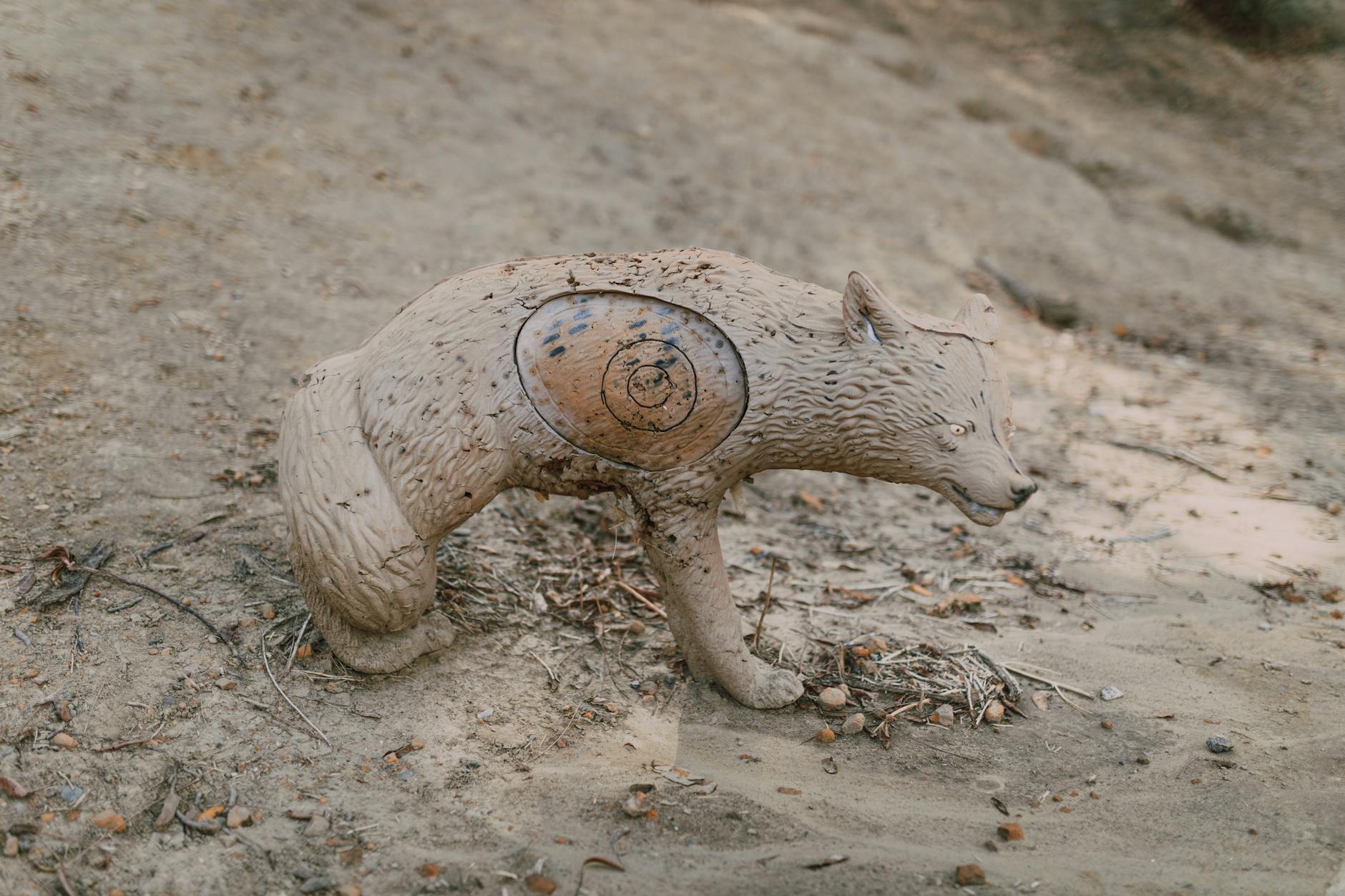
Practice at the range with a 3D archery target with vitals to build muscle memory on shot placement from different angles. Watch elk and deer videos with the sound off. Freeze frames when you see a good presentation angle and ask yourself: where exactly would I aim? Then check your answer against the guide. That practice builds the visual reference library that serves you in the field.
Ethical shot placement is a skill — and like every skill, it gets better with deliberate practice. Use the guide to put in the work before season, and let that preparation drive a clean kill.
Plan Your Hunt
Ready to Apply? Check the Draw Odds
Once you have the gear sorted, use the Draw Odds Engine to find the right tag — free, no account needed.
Get the Insider Edge
Join hunters getting exclusive draw odds data, gear deals, and weekly hunt planning tips.
Related Articles

Hunting Pressured Elk: What to Do When the Easy Country Is Hunted Out
Tactics for hunting pressured elk — how elk respond to hunting pressure differently than deer, where they go when pushed, what changes in your calling and approach strategy, and why the third week of season can be better than opening day.

Deer Hunting with Dogs: Southern Tradition and Modern Methods
Deer hunting with dogs guide — the southern tradition of running deer with hounds, how dog drives work vs still hunting, states where it's legal, etiquette on public land, and why dog hunting produces differently from stand hunting.

Scent Control for Deer Hunting: What Works and What Doesnt
Hunting scent control guide — how deer smell and what they do with scent information, shower protocols, clothing management, ozone generators (the truth), activated carbon suits, and the wind management practices that actually matter.
No comments yet. Be the first to share your experience!