Coordinate a Group Hunting Trip With the Hunt Coordinator
Use the Group Hunt Coordinator to manage every detail of a multi-hunter trip — dates, licenses, camp assignments, gear sharing, and cost splits so the planning doesn't eat the experience.
This article contains affiliate links. We may earn a small commission if you purchase through these links, at no extra cost to you.
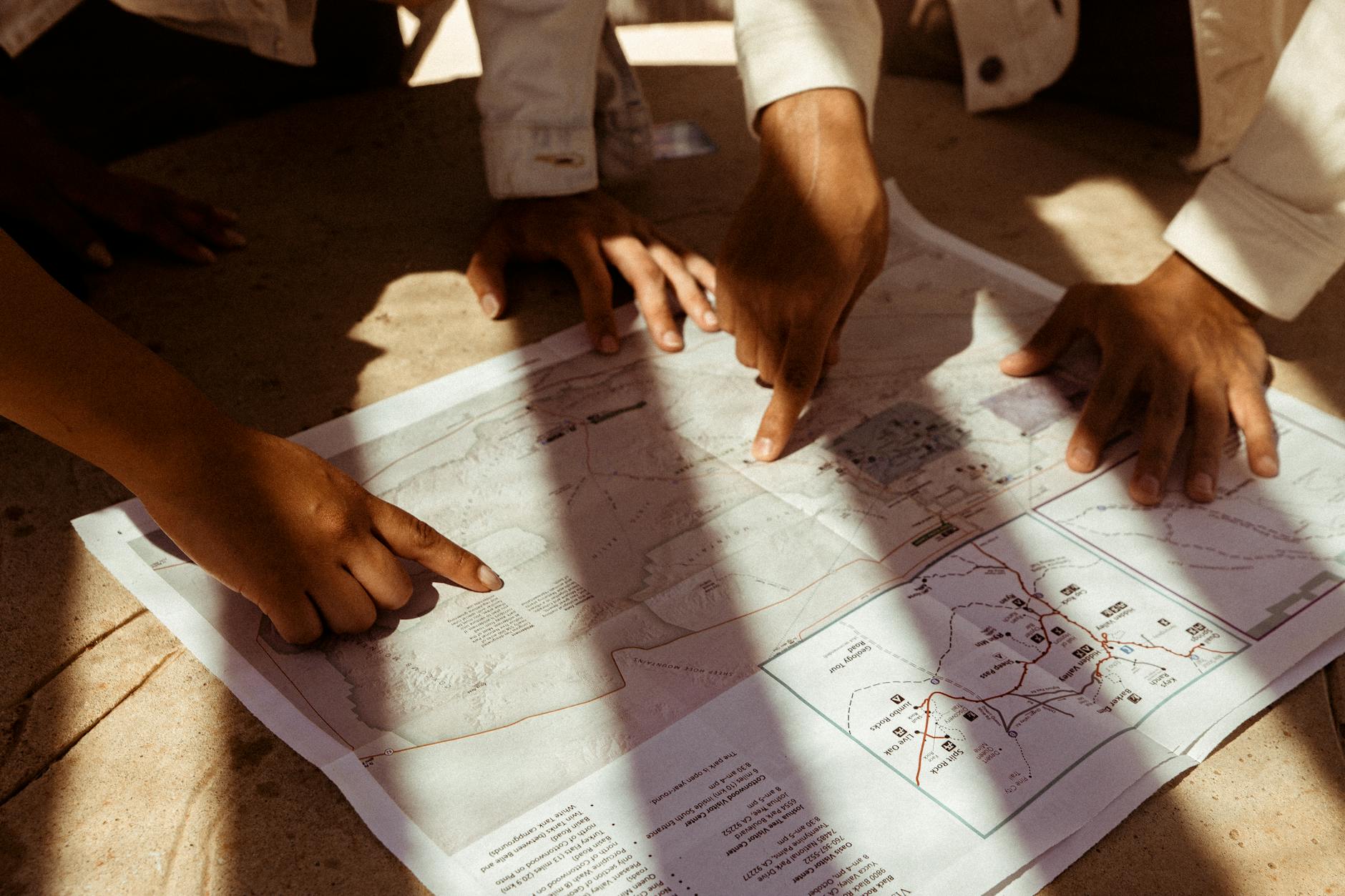
Planning a group elk hunt with four guys sounds simple — until you’re managing different tag types for two non-residents and two residents, figuring out who brings the camp stove versus who brings the generator, splitting costs that aren’t perfectly divisible, coordinating travel from three different states, and somehow landing on a week where everyone’s wife, boss, and kids are cooperative simultaneously.
Group hunts are some of the best experiences hunting produces. The planning overhead is where they go sideways. The Group Hunt Coordinator handles the coordination infrastructure so the group can focus on the hunt itself.
What the Tool Manages
The Group Hunt Coordinator is a shared planning workspace for multi-hunter trips. Each hunter in the party creates a profile with their tag information, travel plan, and gear contributions. The coordinator aggregates this into:
- A shared calendar showing each hunter’s available dates and the final agreed hunt window
- A gear manifest showing what each hunter is contributing and what gaps remain
- A cost split calculation accounting for different individual costs (license fees vary by residency status)
- Task assignments — who books the camp permit, who handles the trailer, who brings the communal first aid kit
- A communication log for group planning discussions
Resolving the Date Alignment Problem
The first bottleneck in every group hunt is finding a week when everyone can go. The coordinator provides a date-availability matrix — each hunter enters their available dates, and the tool identifies all dates where the full party is available. If the full party can’t align, the tool shows which partial dates work for subsets of the group, allowing hunters to decide whether to proceed as a smaller party or adjust plans.
This sounds simple. In practice, it eliminates three rounds of back-and-forth emails trying to find a week that works — a process that often takes longer than any other planning step.
Important
Fair Cost Splitting in Mixed Parties
Group hunts typically have a mix of shared costs (camp rental, fuel for the shared vehicle, communal food) and individual costs (each hunter’s license and tag fees, personal gear, individual flight costs). Splitting everything equally isn’t always fair — the resident hunter with a $50 license shouldn’t pay the same license split as the non-resident paying $700.
The Group Hunt Coordinator calculates fair splits by separating individual costs from shared costs. Each hunter pays their own individual costs plus their equal share of genuinely shared expenses. The tool generates a settlement document at the end showing who paid what and who owes what — making the post-hunt financial cleanup a 10-minute transaction rather than a lingering awkward conversation.
Camp Logistics and Gear Manifest
A four-hunter elk camp needs:
- Sleeping shelter for 4 (base camp tent, wall tent, or cabin rental)
- Camp kitchen setup (stove, fuel, cookware, coolers)
- First aid and emergency kit (one shared, comprehensive)
- Vehicle capable of hauling elk quarters (large truck with hitch or trailer)
- Cutting and processing area setup
- Camp power (generator or solar if needed)
- Communication (a shared satellite communicator for the camp)
The gear manifest in the Group Hunt Coordinator assigns ownership and ensures no duplications (four hunters bringing four separate generators) and no gaps (nobody brought a water filter, assuming someone else did).
During the Hunt: Coordination in the Field
The coordinator also provides a daily log function where hunters can post observations from their areas — elk sightings, shot opportunities, sign found — to build a shared picture of where animals are operating in the unit. A hunter who spots a bull bedding in a specific drainage can post that observation so the group can adjust their coverage the following day.
This real-time intelligence sharing is one of the most valuable things a coordinated group hunt can do. Four hunters covering different terrain generate far more intel than one hunter — but only if that information is centralized and acted on rather than staying with the individual who found it.
Group hunts planned through the Group Hunt Coordinator have cleaner logistics, fairer finances, and better communication than those run through text threads and group emails. The coordination overhead gets solved upfront so hunting days are for hunting.
Next Step
Check Draw Odds for Your State
Tag-level draw odds across 9 western states — filter by species, unit, weapon, and points. Free to use.
Get the Insider Edge
Join hunters getting exclusive draw odds data, gear deals, and weekly hunt planning tips.
Related Articles

Hunting Apps and E-Scouting: Find Deer and Elk from Home
Hunting apps and e-scouting guide — how to use OnX Hunt, BaseMap, and Google Earth to find terrain features, public/private land boundaries, historical imagery, and scouting intel that shortens your in-person scouting time dramatically.

Backcountry Elk Hunt Pack List: What Goes In, What Gets Left Behind
Backcountry elk hunt packing guide — what to bring for a 5-7 day spike camp elk hunt, what experienced hunters cut from their pack, sleep system considerations at elevation, and the weight targets that keep you mobile.

Nonresident Hunting Licenses: Real Costs and What You Get
Nonresident hunting license guide — the difference between a base license, tag, and application fee, why total hunt costs are always higher than the tag price, and a state-by-state cost breakdown for elk, deer, and pronghorn.
No comments yet. Be the first to share your experience!