Train a Better Bird Dog With the Dog Training Tracker
Use the Dog Training Tracker to log sessions, track skill milestones, and build a training record that makes your bird dog a reliable hunting partner season after season.
This article contains affiliate links. We may earn a small commission if you purchase through these links, at no extra cost to you.
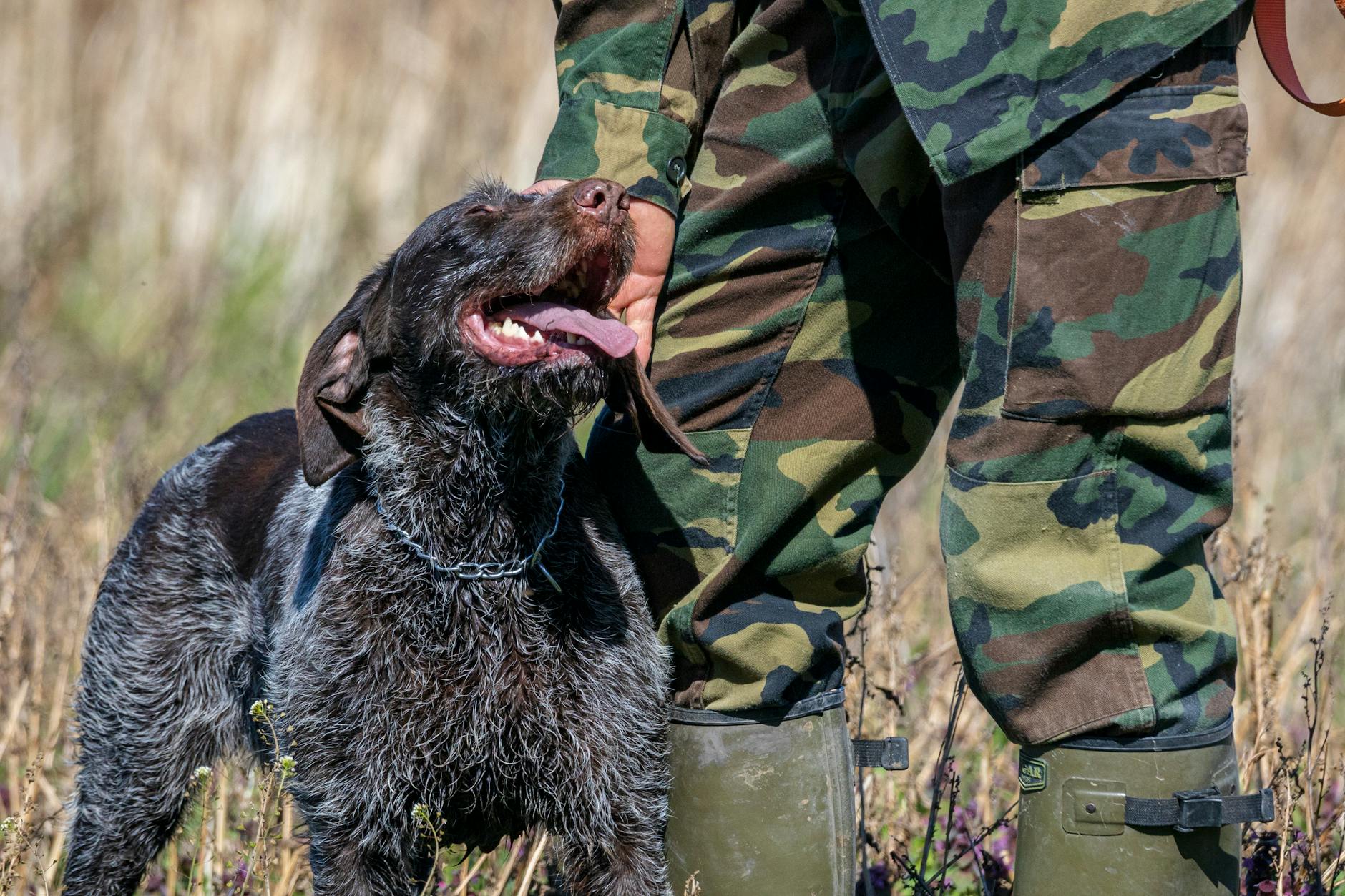
The dog hit his first full point in October — a solid, statuesque lock on a roosted pheasant covey that held for a full 20 seconds before the birds flushed. Three months of consistent training sessions since August, hundreds of repetitions of whoa, a dozen steadiness drills, and more than a few frustrating sessions where he’d have broken point if you weren’t right there — and in that moment it all came together. That first perfect point is one of hunting’s best rewards.
What built it wasn’t talent — the dog has it, but talent without structure produces inconsistency. What built it was a consistent training log, a clear skill progression, and honest assessment of where the dog was versus where he needed to be. The Dog Training Tracker provides that structure.
Why Dog Training Logs Matter
Dog training is a long game — a Labrador retriever or a pointing breed won’t be a reliable hunting partner until 2–3 years of age with consistent work. In that timeline, it’s easy to skip sessions, revisit skills that feel solid and neglect skills that are weaker, and arrive at season opening day with gaps in the dog’s training that only become apparent when birds are actually in the air.
A training log creates accountability. When you see that you haven’t drilled steadiness to flush in three weeks, the log tells you to prioritize it. When a skill regression appears — a dog who was reliable on recall that’s now blowing past the whistle — the log helps you identify whether it’s a training gap or a handling consistency problem.
Using the Tracker for Daily Sessions
Open the Dog Training Tracker after each training session and log:
- Date, duration, and location
- Skills worked (obedience, hunting skills, or both)
- Session quality (scale of 1–5, your honest assessment)
- Specific observations — what the dog did well, what broke down, what you’ll address next
- Environmental conditions (heat, distractions, new locations)
Over time, this log builds a picture of training consistency, skill progression, and the conditions that produce better versus worse performance. Some dogs train better in the morning; some need shorter sessions in heat; some dogs struggle with specific skills that respond to specific training modifications. The log reveals these patterns.
The Skill Progression for Bird Dogs
Different breeds have different primary skill sets, but the general progression for hunting dogs:
Foundational obedience (months 2–8):
- Sit, whoa, come, heel, kennel
- These must be reliable on leash before any off-leash or bird work begins
Introduction to birds (months 6–12):
- Pigeon work for pointing breeds — learning to honor the bird instinct
- Bumper retrieves for retrievers — learning delivery and marking
- Introduction to gunfire — conditioning to associate shots with good things using a training dummy launcher
Field work and advanced skills (year 2+):
- Range for pointing breeds — how far to hunt ahead
- Steadiness to flush (pointing breeds) or whistle sit (retrievers)
- Water retrieves, multiple marks, blind retrieves (retrievers)
- Backing/honoring another dog’s point (pointing breeds)
Important
Pre-Season Conditioning
Most hunting dogs are under-exercised through summer and arrive at bird season unconditioned. A dog that hunts hard in October after a sedentary summer is at elevated risk for paw injuries, pulled muscles, and heat-related issues.
Begin a conditioning program 8–10 weeks before your expected first hunt day using a long check cord for field conditioning drills. Daily 30–45 minute exercise sessions building to 60–90 minutes. Introduce the terrain type the dog will hunt — if pheasant hunting in thick grass, walk heavy cover. If grouse hunting, work timber and hills. Let the conditioning build gradually.
The Dog Training Tracker logs conditioning sessions alongside training sessions — building a complete picture of the dog’s physical and skills preparation going into season.
Maintaining Skills During Season
In-season training is different from pre-season training — you’re maintaining and refining rather than building from scratch. After each hunt, note in the tracker what the dog did well and what needs work. A dog who over-ranges consistently on pheasants may need one focused obedience session mid-week to reset before the next weekend hunt.
In-season maintenance of 1–2 short sessions per week (15–20 minutes) is enough to prevent skill regression in most trained dogs. Use the tracker to stay consistent and to notice when regression is starting before it becomes a significant problem.
Your bird dog is your hunting partner — and like any partnership, investment in the relationship produces returns over years. Use the Dog Training Tracker to make that investment consistently, season over season.
Plan Your Hunt
Ready to Apply? Check the Draw Odds
Once you have the gear sorted, use the Draw Odds Engine to find the right tag — free, no account needed.
Get the Insider Edge
Join hunters getting exclusive draw odds data, gear deals, and weekly hunt planning tips.
Related Articles

Hunting Pressured Elk: What to Do When the Easy Country Is Hunted Out
Tactics for hunting pressured elk — how elk respond to hunting pressure differently than deer, where they go when pushed, what changes in your calling and approach strategy, and why the third week of season can be better than opening day.

Deer Hunting with Dogs: Southern Tradition and Modern Methods
Deer hunting with dogs guide — the southern tradition of running deer with hounds, how dog drives work vs still hunting, states where it's legal, etiquette on public land, and why dog hunting produces differently from stand hunting.

Scent Control for Deer Hunting: What Works and What Doesnt
Hunting scent control guide — how deer smell and what they do with scent information, shower protocols, clothing management, ozone generators (the truth), activated carbon suits, and the wind management practices that actually matter.
No comments yet. Be the first to share your experience!