How to Score Deer and Elk Antlers: B&C and SCI
A complete guide to antler scoring systems — what measurements count, how to score typical vs. non-typical racks, and what scores put animals in the record books.
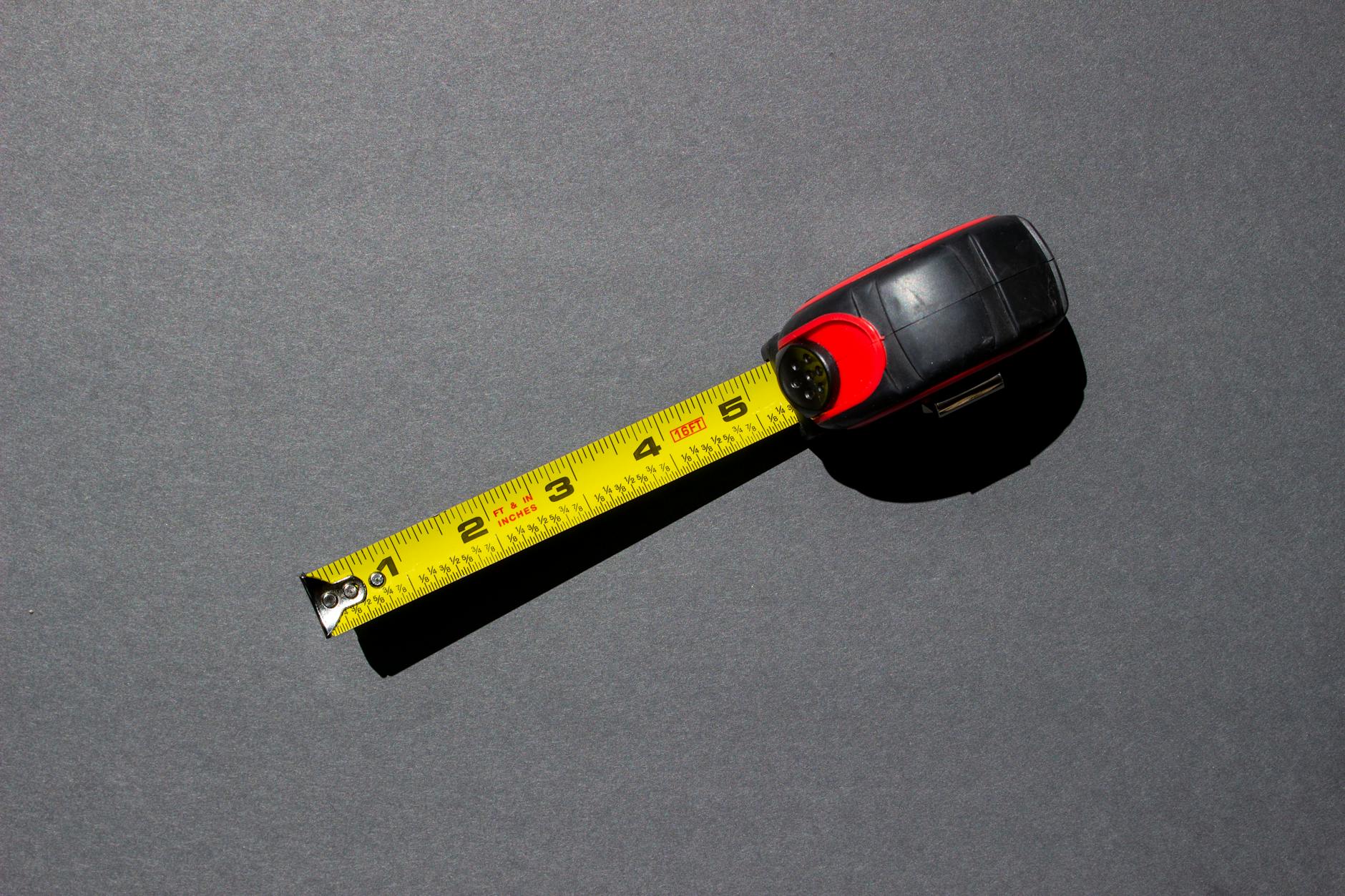
Antler scoring is one of those hunting skills that seems esoteric until you’re standing over an animal you just harvested and realize you have no idea what it actually scores. The measuring tape comes out, you try to remember which measurements go where, and you end up with a number that may or may not be accurate. More practically — you passed a buck last fall because you guessed he was 140 B&C, and he might have been 162.
This article contains affiliate links. We may earn a small commission if you purchase through these links, at no extra cost to you.
Understanding scoring systems doesn’t make you a score-chaser. It makes you a more observant hunter who understands antler structure deeply enough to evaluate animals accurately in the field.
The Big Three Scoring Systems
Boone & Crockett (B&C): The oldest and most recognized North American big game scoring system, founded in 1887. B&C records accept only firearms harvests. The minimum entry scores are demanding — 170 for typical mule deer, 300 for typical American elk. B&C measures typical points (normal points growing from the main beam in expected locations) and deducts for asymmetry between sides.
Pope & Young (P&Y): Identical measurements to B&C, but P&Y records only archery harvests. Minimum scores are lower: 145 for typical mule deer, 260 for typical elk. P&Y is the record book most bowhunters work toward.
Safari Club International (SCI): SCI uses a different measurement methodology that includes all points regardless of location and does not deduct for asymmetry. SCI scores run higher than B&C for the same animal — a non-typical with many extra points scores particularly well under SCI.
Measuring a Typical Whitetail Deer
The measurements for typical whitetail deer under B&C:
You will need a flexible measuring tape designed for antler scoring (a 1/4-inch steel tape is standard for official measurements).
- Inside spread credit: Measured at the widest point between main beams, perpendicular to the line of the skull. Maximum credit equals the longest main beam.
- Main beam length (each side): Measured along the outer curve from the burr to the tip of the main beam
- Brow tine / G1 (each side): Length of the brow tine
- G2, G3, G4, G5 (each side): All normal tines measured from the main beam to tip
- Circumferences H1–H4 (each side): Four mass measurements between each tine pair
Add all measurements together and subtract the difference between each left/right pair (the asymmetry deduction) for the final net score. A 150 B&C typical whitetail buck is an exceptional animal in most states — wide, with long tines and mass throughout.
Important
Measuring a Typical Mule Deer
Mule deer are scored on the same B&C framework as whitetail, but the antler structure differs — mule deer grow bifurcated (forked) points rather than tines off a single beam. The standard mule deer scoring tines are G1 (brow), G2 (main fork, longer prong), G3 (front fork), and G4 (rear fork of the G2).
A 170 B&C typical mule deer buck — the minimum for the B&C all-time record book — is an exceptional, once-in-a-career animal for most mule deer hunters. More realistic targets for western hunters: 150–160 class bucks are trophies by any reasonable standard.
Scoring a Typical Elk (American)
Rocky Mountain elk scoring uses the same B&C framework. For typical 6x6 bulls, the seven measurements per side are: main beam, G1 (brow tine), G2 (bez tine), G3 (trez tine), G4, G5, and G6. Plus four circumferences per side. Spread credit.
A 300 B&C bull elk — the minimum for the all-time record book — typically has beams over 50 inches per side, brow tines over 20 inches, and all six points per side with good length throughout. These are rare animals. The B&C minimum entry score (score required to appear in the records even if not all-time) is 360. Most hunters who shoot a “book bull” are aiming for 370–400+ net score.
Average mature Rocky Mountain bulls score in the 260–320 range. Exceptional animals hit 340–380. True record-class bulls (400+) are extremely rare outside of managed private ranches.
Using the Trophy Score Estimator
Rather than memorizing all measurement protocols, use the Trophy Score Estimator to walk through each measurement field with guidance. The tool explains what each measurement represents, provides body reference points for field estimation, and generates a final net score with a confidence range based on your input precision.
For post-harvest scoring, take your time with a quality cloth measuring tape — not a metal tape, which can’t follow curves accurately. Measure twice. Record each measurement in the scoresheet the tool provides. Your final score is only as accurate as your measurements.
Understanding scoring makes you a better observer of antler quality — and that observation skill is what puts you in a position to make a good decision in the 90-second window you often get when a good animal appears. A quality spotting scope is essential for field-judging antler size at distance before committing to a stalk.
Next Step
Check Draw Odds for Your State
Tag-level draw odds across 9 western states — filter by species, unit, weapon, and points. Free to use.
Get the Insider Edge
Join hunters getting exclusive draw odds data, gear deals, and weekly hunt planning tips.
Related Articles

Arizona Elk Calling: September Archery
September archery elk in Arizona means calling. Here's the practical guide to bugles, cow calls, and the timing that produces bulls.
Arizona Hound Hunting Regulations Guide
Arizona hound hunting for bear and lion requires specific permits and tags. Here's the complete regulatory guide for 2026.

Arizona Shed Hunting: Rules & Season Guide
Arizona has specific rules on shed antler collecting. Here's the complete guide to the season, the ethics, and the most productive areas.
No comments yet. Be the first to share your experience!