How to Research Western Hunt Units Like a Pro
A systematic approach to western big game unit research — using state data, harvest reports, onX maps, and public land overlays to identify the best units before committing your points.

Most hunters spend more time researching a new truck than they do researching a hunting unit where they’ll invest years of preference points and thousands of dollars. The result is hunts that underperform expectations, units selected based on forum hearsay, and preference points spent on tags that don’t match the hunter’s actual goals and access capabilities.
This article contains affiliate links. We may earn a small commission if you purchase through these links, at no extra cost to you.
Unit research is a skill. Here’s how to build it systematically.
Start With State Harvest Data
Every western state publishes annual big game harvest statistics by hunting unit. These reports vary in quality and detail by state, but most include: number of licenses sold, number of animals harvested (harvest success rate), total harvest by sex, and in some states, average antler data.
This data is the most objective measure available of what a unit actually produces. A unit with a 65% bull harvest success rate on a limited-entry tag is genuinely different from one with a 40% success rate — and the difference is worth knowing before you apply.
Find state harvest data:
- Colorado: CPW wildlife data portal, species management reports
- Montana: FWP hunting statistics by district
- Wyoming: G&F annual reports by hunt area
- Idaho: IDFG annual reports by zone
- Utah: DWR harvest statistics by management unit
- Oregon/Washington: ODFW/WDFW online data portals
Pull the last 3–5 years of data for any unit you’re considering. One exceptional year or one drought year skews the data — you want the trend.
Mapping Land Ownership and Access
Harvest data tells you what a unit produces overall. Land ownership data tells you how much of that production is actually accessible to you. These are completely different questions.
Use onX Hunt or a similar mapping platform to overlay public land boundaries (National Forest, BLM, State land) against the unit boundary. Look at:
Total public land percentage: Units below 40% public land require significant private access to hunt effectively. Units above 70% public land are accessible to any hunter with a tag.
Public land distribution: Is the public land in one large block or fragmented parcels? Fragmented public land with private land checkerboarding is difficult to navigate — you may cross private boundaries just hiking from one public parcel to another.
Road and trail access: A dedicated GPS unit paired with downloaded offline maps ensures reliable navigation in the field. What fraction of the public land is reachable without committing to multi-day backpacking? For hunters without backcountry experience, roadside and day-hike-accessible terrain is all they’ll effectively use. The backcountry wilderness in the same unit might hold the best elk — but it doesn’t help a hunter who can’t access it.
Important
Reading the Terrain for Elk Habitat
Once you’ve identified the public land blocks, evaluate each for elk habitat quality:
Elevation variety: Elk in September are typically in high country (8,500–11,000 feet) near summer range. By late October they’ve often dropped to 6,500–8,000 feet near winter range transitions. Good units have habitat at multiple elevations and clear migration routes between them.
Water sources: Use quality binoculars during scouting trips to glass water sources from ridgelines. High-country basins with reliable water sources — springs, creeks, small lakes — hold elk throughout the season. Units with limited water concentrate elk predictably; units with abundant water disperse them.
Timber and bedding cover: Open parks and meadows provide feeding areas; adjacent timber provides bedding cover. The transition zones between open country and heavy timber are where elk spend the most time during legal shooting hours.
Escape terrain: Units with steep, rugged terrain receive less hunting pressure per elk because hunters can’t follow animals into the hard country. These units often hold more mature bulls than gentler units despite having similar elk populations.
Evaluating Draw Odds Against Unit Quality
Unit quality means nothing if it takes 15 preference points to draw the tag. The practical question for most hunters is: what’s the best unit I can realistically draw within my target timeframe?
Use the Hunt Unit Finder and Draw Odds Engine together to find units with the best combination of quality and attainability. The sweet spot for most hunters is a unit that takes 3–8 preference points — competitive enough to thin out casual applicants but not so competitive that it requires a decade of waiting.
Building a Multi-Year Application Strategy
Western big game hunting rewards hunters who plan multi-year application strategies rather than applying haphazardly. A systematic approach:
- Define your goals: trophy quality, public land access, hunt dates, party size
- Use the Hunt Unit Finder to identify 10–15 units that meet your criteria
- Filter by draw odds to find the realistic candidates for your current point level
- Research 3–5 target units deeply — harvest data, land ownership, habitat quality
- Rank by priority and apply accordingly
- Scout your top unit before season if possible
Hunters who build this process have clear answers when other hunters are still asking “which unit should I apply for?” Invest the research time off-season when there’s no pressure to decide — and show up with a plan, not a guess.
Next Step
Check Draw Odds for Your State
Tag-level draw odds across 9 western states — filter by species, unit, weapon, and points. Free to use.
Get the Insider Edge
Join hunters getting exclusive draw odds data, gear deals, and weekly hunt planning tips.
Related Articles
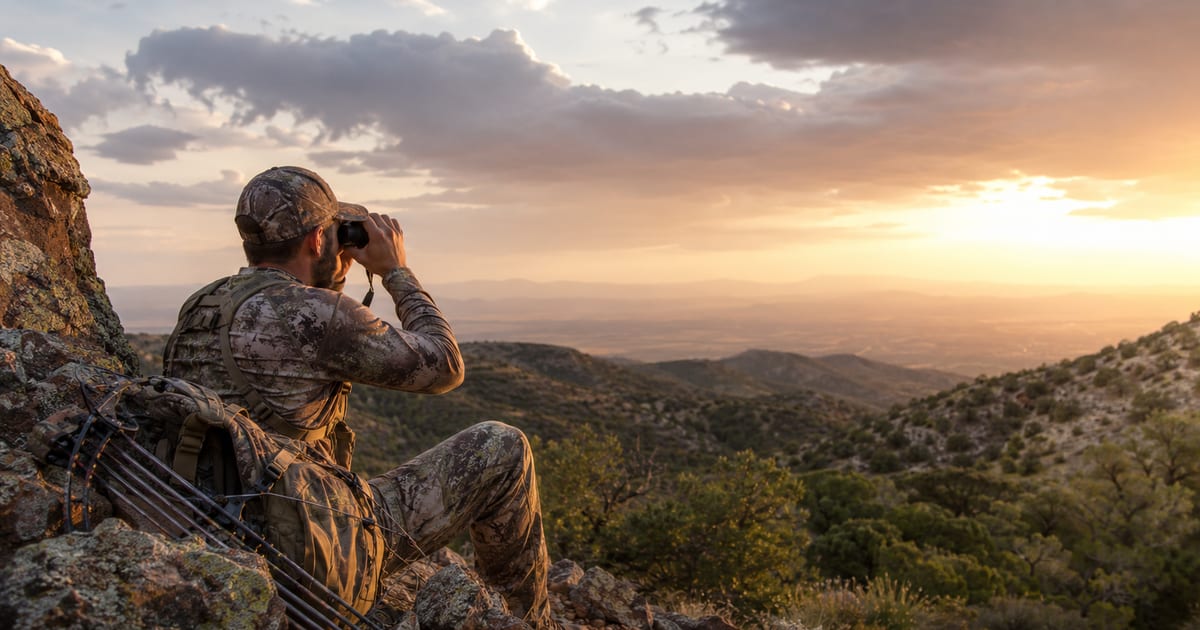
Arizona OTC Archery Deer 2026: Unit Limits and Closures
Arizona's OTC archery deer season opens August 21, 2026 — and units close the moment harvest limits fill. Here's every unit's limit, plus the best bets by real archery success rates.
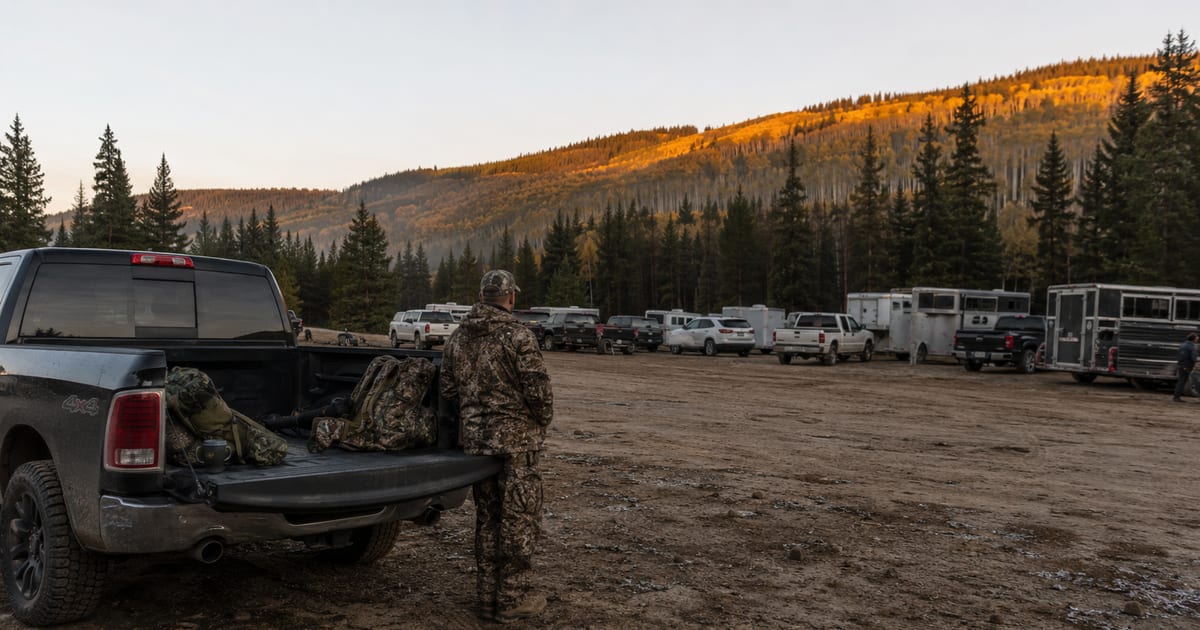
Colorado OTC Elk in 2026: What Changed for Nonresidents
Colorado eliminated unlimited nonresident OTC archery elk west of I-25 for 2026 — and Gunnison rifle tags went draw-only. Here's exactly what's still on the shelf and how to hunt this fall anyway.
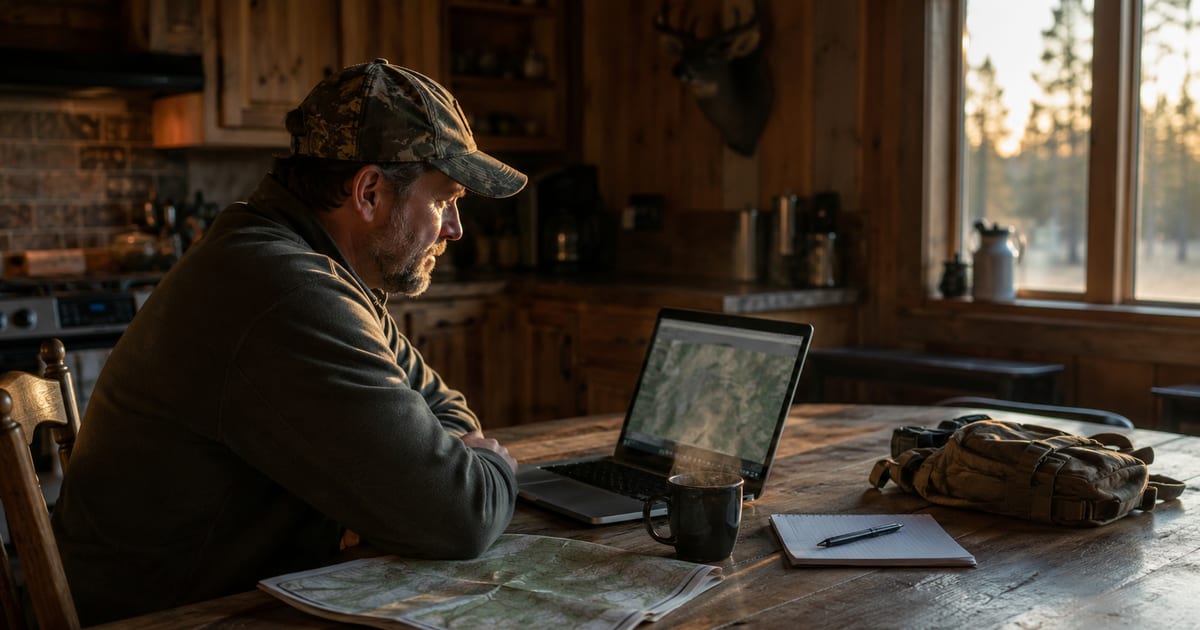
Colorado Reissue Licenses: How to Grab Returned Elk Tags
Every Wednesday through fall, CPW sells back surrendered limited licenses — including elk tags nonresidents can't get any other way in 2026. Here's the Tuesday-Wednesday ritual that actually lands one.
No comments yet. Be the first to share your experience!