Your First Western Elk Hunt: A Complete Beginner's Guide
Everything a first-time western elk hunter needs to know — license applications, physical preparation, gear requirements, finding elk, and what to actually expect in the field.
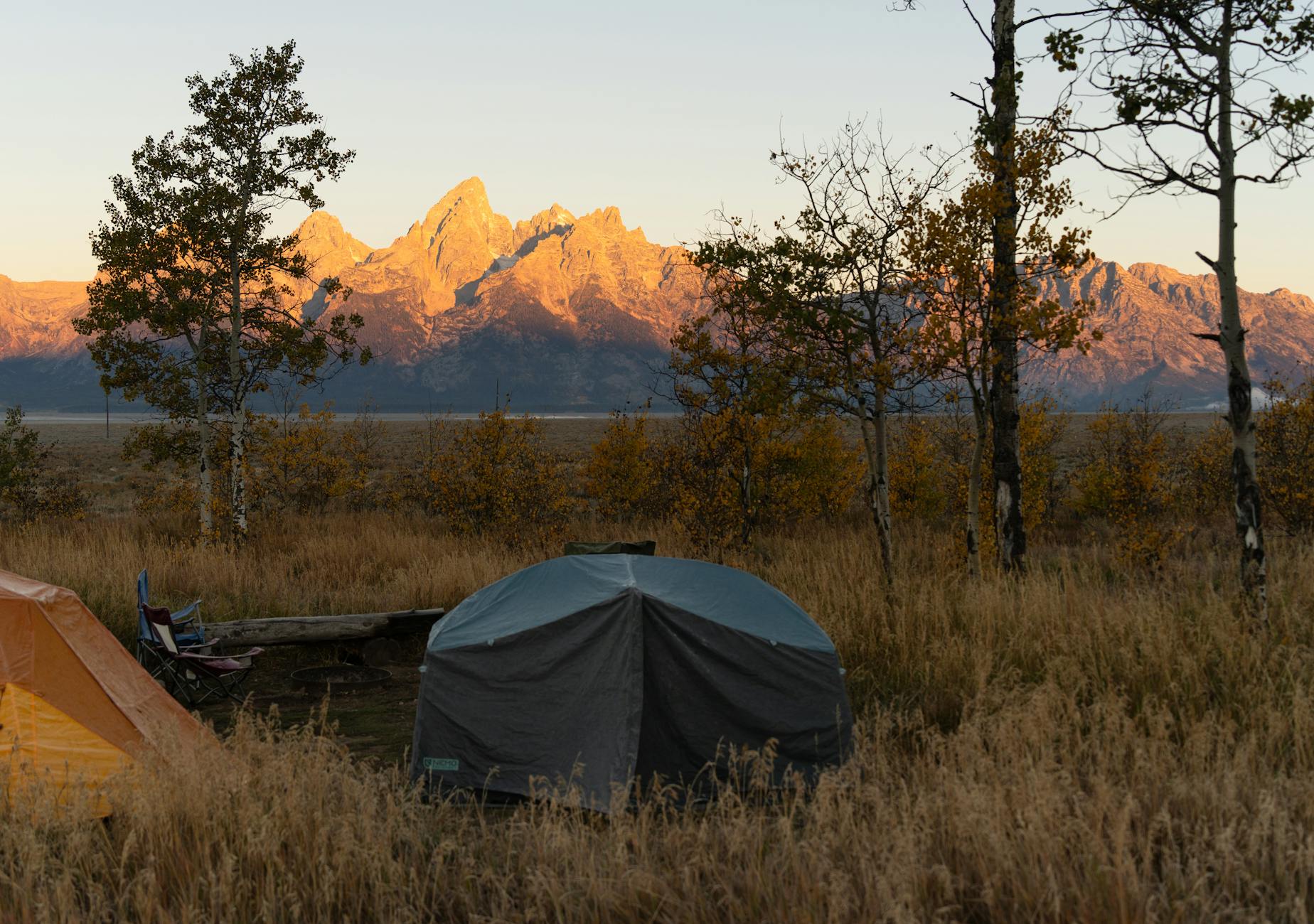
The hunting world is full of experienced elk hunters who will give you contradictory advice about your first western elk hunt. One says you need to be in the backcountry seven miles from any road. One says the roadside units kill just as many elk. One insists on archery. One says don’t ever archery hunt elk until you’ve killed one with a rifle. One says Colorado is the place. One says you’re crazy not to start in Idaho.
This article contains affiliate links. We may earn a small commission if you purchase through these links, at no extra cost to you.
They’re all reflecting their own experience rather than your situation. Here’s a framework for making the right choices for your first elk hunt specifically — not for the average first-time hunter, but for you.
The Two First Elk Hunt Options
Most first-time western elk hunters should choose between two pathways:
Pathway A — Guided or semi-guided: Pay for a quality outfitter who provides access, hunting expertise, and logistics support. Higher cost ($5,000–12,000), higher probability of success, steeper learning curve compressed into one hunt. Best for: hunters with limited vacation time, limited backcountry experience, or a hard-to-draw tag that can’t afford a learning-curve failure.
Pathway B — Self-guided OTC public land: Apply for an over-the-counter rifle elk tag (Colorado is the most accessible, but Idaho and Wyoming have options), plan thoroughly, hunt independently. Lower cost ($1,500–2,500 total), lower probability of success on a first hunt, but massive learning value. Best for: hunters with 8–10 days available, some outdoors/backpacking experience, and willingness to come home empty-handed in year 1.
Neither pathway is wrong. Both produce elk hunters who improve rapidly. Be honest about which description fits you.
Colorado OTC: The Most Accessible First Western Elk Hunt
Colorado offers over-the-counter rifle elk tags for non-residents — no draw required. The tags are available before season opens. Specific units have variable quality, but several OTC units with meaningful public land access produce reasonable success rates for prepared hunters.
Start with the Hunt Unit Finder to identify OTC Colorado units with above-average public land access and harvest success rates. The units that produce consistently for first-time hunters aren’t always the famous ones — they’re the ones with accessible public terrain and adequate elk density.
Non-resident OTC elk tag cost: approximately $707 for the combination license and elk tag. Total first-hunt budget at this access level: $1,500–2,500 depending on travel distance.
Physical Preparation: The Factor Most Hunters Underestimate
Rocky Mountain elk country is vertical. Hunting it effectively requires cardiovascular fitness, leg strength for sustained climbing, and the ability to carry 35–50 pound packs for 6–10 miles per day. Altitude — most elk hunting happens between 7,000 and 11,000 feet — significantly impacts performance for hunters coming from sea level.
If you’re planning a September elk hunt, begin structured physical preparation by April. Minimum: 3–4 days per week of cardiovascular exercise with weekly mileage building to 15+ miles per week by August. Add weighted pack training — hiking with a quality hunting pack loaded to 30-40 pounds — by June. If you have access to altitude, spend at least a weekend at elevation before your hunt.
Hunters who show up physically unprepared to elk country have a miserable experience. Hunters who arrive fit have a good experience regardless of whether they kill an elk.
Important
Finding Elk: The Core Skill
Elk are herd animals that leave abundant sign when they’re present — big tracks, wallows, rubbed trees, large piles of droppings, and the noise of moving elk. The challenge for first-time hunters is not identifying elk sign but knowing where to look for it.
In September early season, elk are in high country — typically above 9,000 feet. They bed on north-facing slopes with dense timber and feed in open parks, meadows, and south-facing slopes during morning and evening. Invest in quality binoculars — you will spend more time glassing than walking. Water is critical — find reliable water sources and you find the routes elk use daily.
The single most effective elk hunting tactic for first-timers: be on a high vantage point at dawn and glass until you see movement. Rocky Mountain elk are visible from distance when they’re feeding in open country — and a morning glassing session that locates feeding elk gives you actionable intelligence for the rest of the day.
Realistic Success Expectations
Colorado OTC unit success rates for non-resident hunters average roughly 15–25% for first-time hunters. That means 75–85% of first-time hunters go home without an elk. That’s not a failure — it’s a statistically normal first hunt. First-time western elk hunters who understand this going in have better experiences than those who expected to fill a tag and came home disappointed.
What you will gain on a first hunt regardless of success: knowledge of elk country and elk behavior, physical experience in the terrain, proficiency with camp systems, and the foundation for a much more effective second hunt. Many hunters kill their first elk on their second or third western hunt — not because they got lucky, but because they did the learning on the first trip.
Use the AI Advisor to get a personalized recommendation for your first hunt based on your specific situation. Then plan it thoroughly, prepare physically, and go with realistic expectations. The western elk hunting experience — even a blank one — changes most hunters permanently. You’ll understand why when you’re standing at timberline watching the sunrise over a mountain range full of elk.
Next Step
Check Draw Odds for Your State
Tag-level draw odds across 9 western states — filter by species, unit, weapon, and points. Free to use.
Get the Insider Edge
Join hunters getting exclusive draw odds data, gear deals, and weekly hunt planning tips.
Related Articles
Arizona OTC Archery Deer 2026: Unit Limits and Closures
Arizona's OTC archery deer season opens August 21, 2026 — and units close the moment harvest limits fill. Here's every unit's limit, plus the best bets by real archery success rates.
Colorado OTC Elk in 2026: What Changed for Nonresidents
Colorado eliminated unlimited nonresident OTC archery elk west of I-25 for 2026 — and Gunnison rifle tags went draw-only. Here's exactly what's still on the shelf and how to hunt this fall anyway.
Colorado Reissue Licenses: How to Grab Returned Elk Tags
Every Wednesday through fall, CPW sells back surrendered limited licenses — including elk tags nonresidents can't get any other way in 2026. Here's the Tuesday-Wednesday ritual that actually lands one.
No comments yet. Be the first to share your experience!