Finding Water on Western Hunts: Elk, Deer, and Pronghorn
Finding water on western hunts guide — how to locate springs, seeps, and water sources using topo maps and satellite imagery, how animals use water in dry vs wet years, hunting water sources for elk in September, and the difference water makes in unit selection.

Water is the one resource that ties every animal to every landscape. In the arid West — where summer temperatures routinely push into the 90s well into September — finding water isn’t a secondary concern. It’s often the fastest route to a filled tag. We’ve watched hunters cover miles of otherwise perfect habitat while ignoring the simple fact that if there’s no water within reach, the animals aren’t there either.
This guide covers how to find water before you leave home, how different species use it, and how to hunt near water sources without bumping animals out of the country.
Why Water Changes Everything in Dry Country
The western United States is defined by its scarcity of reliable water. Unlike the whitetail country of the Midwest or East, where creeks and ponds are common, much of the mule deer, elk, and pronghorn range across Nevada, Utah, Arizona, and eastern Oregon can go miles between reliable sources. That scarcity forces animals into predictable patterns.
In a wet year, animals disperse. They can find water almost anywhere, which means they’re using a broader range of the unit. In a dry year — and we’re seeing more drought conditions across the West — water points become funnels. Every animal in a drainage is dependent on the same two or three sources. That concentration is a massive advantage for hunters who have done the pre-season homework to find those spots. Knowing how to read topo maps for hunting will help you identify which drainages are most likely to hold those last reliable sources.
The other piece is timing. During early archery seasons and early rifle hunts, daytime temperatures are still high. Elk, deer, and pronghorn are not going to go without water, even if hunting pressure pushes them into timber or shade during the day. They will move to water, and they will do it on a schedule you can predict.
Important
Drought indices for most western states are published weekly by the U.S. Drought Monitor (droughtmonitor.unl.edu). Checking this before your hunt tells you whether animals will be concentrated on limited water or dispersed across the unit.
Locating Water on Maps
The USGS 7.5-minute topo series is still the most reliable starting point for finding water. Springs and seeps show as small blue dots or short blue dashes on the map, often labeled with “Spr” nearby. Perennial streams show as solid blue lines; intermittent streams — those that only flow seasonally — show as dashed blue lines. The distinction matters: an intermittent creek that runs in June may be bone dry by September.
Beyond the blue markings, topos reveal terrain features that concentrate water: drainages, canyon bottoms, cliff faces that funnel snowmelt, and benches where water can pool. Even without a labeled spring, a tight cluster of elevation contours below a plateau with a drainage line running out of it is worth investigating. Snowmelt has to go somewhere, and in dry country, it often goes underground and resurfaces lower on the slope.
CalTopo is our preferred digital mapping tool for this phase of planning. The water layer in CalTopo pulls from multiple USGS datasets and can show stock tanks, springs, and surface water features in a single overlay. You can toggle it on over satellite or topo backgrounds, which lets you cross-reference blue dots with actual terrain and vegetation.
Pro Tip
When scouting on CalTopo, zoom in on cliff bands and north-facing canyon walls. These areas hold shade and cooler ground temperatures, and springs are more likely to persist into late summer here than on south-facing slopes where evaporation is higher.
Satellite Imagery and Current Conditions
Topo maps are static — they were surveyed years or decades ago, and a spring that ran in 1985 may be dry today due to drought, overgrazing, or a shift in the water table. Satellite imagery gives you current (or near-current) conditions.
In Google Earth or the satellite layer in CalTopo, look for green vegetation in otherwise brown or tan terrain. In dry summer conditions, photosynthetic activity is a reliable indicator of available moisture. A green patch in a drainage that looks otherwise dry almost always has water nearby — either a seep that’s too small to flow, or subsurface moisture that vegetation is tapping.
Stock tanks and developed water sources also show clearly on satellite. A round or oval dark feature in open rangeland is often a cattle tank, and cattle tanks are one of the most reliable water sources you’ll find in desert mule deer and pronghorn country. The BLM and state agencies maintain many of these in cooperation with ranchers, and they’re often marked on the motor vehicle use maps (MVUMs) available from the relevant forest or district office.
For truly current conditions, Google Earth’s historical imagery slider is useful but can lag by months. The most current satellite data is often available through Sentinel Hub or Copernicus Browser, both of which offer free access to recent 10-meter resolution imagery. If you’re hunting a unit in September, pulling imagery from August of the same year will show you exactly what’s holding water right now.
How Elk Use Water
Elk are big animals with high water requirements. During September — the heart of the archery rut — bulls are bugling, moving, and burning energy constantly. Cows are traveling with calves. The entire herd is under thermal and physical stress even as the rut occupies the bulls’ attention.
In typical September conditions, elk visit water once or twice per day. Morning and evening visits are most common, with midday spent bedded in timber or shade. The pattern is consistent: feed in the morning, water, bed through the heat, water again in the evening, feed into dark.
In dry years with hot September temperatures, the morning and evening windows get tighter and more predictable. Elk know exactly where the water is, and they move directly to it. We’ve watched bull elk walk in a straight line from a bedding ridge to a spring 800 yards away, ignoring everything along the route. When they’re thirsty and in the heat, they’re not picking their way slowly through the timber.
Water in aspen or conifer drainages above 8,000 feet tends to hold elk better than lower-elevation sources during the day. Elk use thermal currents in drainages to stay cool, and the combination of shade, water, and rising thermals makes these spots extremely attractive for midday bedding adjacent to water.
Deer and Pronghorn Water Patterns
Mule deer operate differently from elk. They’re smaller and can tolerate higher body temperatures relative to their size, but in desert and semi-desert country, they still need water every one to two days. In high-desert mule deer units — much of Nevada, the Arizona Strip, portions of western Colorado — finding water is finding deer.
Mule deer use water sources more opportunistically than elk. Rather than predictable twice-daily visits, they often water during their natural feeding movements — whenever they happen to pass near a source. This makes ambush hunting at a specific water hole slightly less predictable than it is for elk, but in country where sources are scarce, you’ll still see deer regularly at the right spots.
Pronghorn are the most water-adapted big game animal in North America. They can go longer between drinks than elk or mule deer, extracting moisture from forbs and browse that makes up their diet. But they do use water, and in late summer when the forbs are dry, they rely on open water sources more heavily.
What sets pronghorn apart is their use of developed water — cattle tanks, windmills, and stock ponds in open range and desert. In country with few natural springs, a working windmill tank in a flat basin can be the only reliable water within five miles. Pronghorn will travel to it regularly, and the open terrain makes for predictable approach routes and good glassing angles.
Warning
Avoid setting up directly at a water source for pronghorn. They’re open-country animals with exceptional eyesight, and they’ll spot a hunter or blind from hundreds of yards. Set up crosswind at 150–200 yards with a downhill approach to keep your scent low and off the water.
Hunting at Water Sources
The mechanics of hunting near water require discipline. The biggest mistake we see is contaminating the source itself — wading in to fill a water bottle, leaving boot tracks in the mud, or setting up so close that your scent drifts directly over the water. Animals that have used a spring for years know when something is wrong. A single bad experience at a water hole can push elk and deer to a different source for days.
The basic rules: set up at least 100 yards downwind of the water, approach from downhill or crosswind, never step in or around the water itself, and minimize time at the location during scouting. A trail camera set back 60–80 yards is enough to confirm animal use without heavy intrusion.
For elk at a small spring, a morning sit starting 30 minutes before light is most productive. Elk moving off a morning feed will water before they bed. Evening sits are equally good, with elk coming off thermal shade before dark. Don’t leave your stand site mid-day — if you’re in good position, you may catch bulls moving water to water through the heat of the day in a hot drought year.
For bow hunters specifically, water is one of the few situations where you can get within archery range of a mature bull elk without a calling setup. In a year with a prolonged drought, bulls that refuse to respond to bugles will still walk directly to a spring. For a full overview of elk behavior and archery tactics, our elk hunting beginners guide is a solid companion read.
Water as a Unit Selection Factor
When we evaluate units during the draw application process, water distribution is one of the first things we map — our draw odds engine pairs unit-level data with the terrain research you’re doing here to help prioritize where to put in. A unit with dozens of reliable springs spread across the landscape is a fundamentally different hunt than a unit where all the water is concentrated in two creek systems.
Heavy water concentration means easier scouting — you know where animals will be. But it also means more competition, more hunter pressure, and elk that are more educated about human activity near those sources. A unit with distributed water, where animals aren’t pinned to a handful of spots, requires more miles and more scouting but often produces less-pressured animals.
Drought years flip this calculus. In a drought, even a unit with historically dispersed water may see its springs dry up, effectively concentrating animals the same way a water-scarce unit does in any year. Checking spring conditions before your hunt — and knowing which sources are reliable even in dry years — is part of serious unit preparation.
Bottom Line
Water is a pre-season research task, not an afterthought. Public land elk hunting on arid BLM and forest land rewards the hunter who mapped every spring before the season. Before your hunt, layer USGS topo data, CalTopo water overlays, and current satellite imagery to identify every viable source in your unit — the Tag-to-Trail Planner can help you overlay terrain and water layers for your specific hunt unit. Cross-reference with drought conditions for the current year. In a wet year, water is less critical; in a dry year, the hunter who knows every spring and stock tank in the unit has a serious edge.
Once you’re in the field, treat water sources with discipline. Don’t contaminate them with scent or disturbance. Set up downwind and at distance. Let the animals come to the water on their terms, and be patient. In dry western country, everything that’s alive needs water — and that includes your tag animal.
Frequently Asked Questions
How do I find springs on a topo map?
Springs show as small blue dots on USGS 7.5-minute topographic maps, often with “Spr” labeled nearby. Perennial streams are solid blue lines; intermittent (seasonal) streams are dashed blue lines. CalTopo consolidates these into a water layer you can toggle on over any base map.
Do elk use water every day during September archery season?
Yes. Elk visit water at least once, and usually twice, per day during hot September conditions — typically during morning and evening movement windows. In drought years with sustained high temperatures, these visits become even more predictable and concentrated on the remaining reliable sources.
Can I hunt from a blind directly at a water hole?
We recommend setting up at least 100 yards downwind rather than at the water itself. Approaching too close risks scent contamination of the source, and animals — especially elk and mule deer — will avoid a spring where they’ve detected human presence. A downwind setup at distance gives you a clear shot opportunity without alerting animals before they commit to water.
Do pronghorn need water in desert units?
Pronghorn are more drought-tolerant than elk and mule deer but do use open water, especially in late summer when their forage has dried out. In desert units, cattle tanks and windmill-fed stock ponds are the most consistent water sources. Pronghorn will travel predictable routes to these tanks in open terrain, making pre-season scouting of their approach lines productive.
Next Step
Check Draw Odds for Your State
Tag-level draw odds across 9 western states — filter by species, unit, weapon, and points. Free to use.
Get the Insider Edge
Join hunters getting exclusive draw odds data, gear deals, and weekly hunt planning tips.
Related Articles
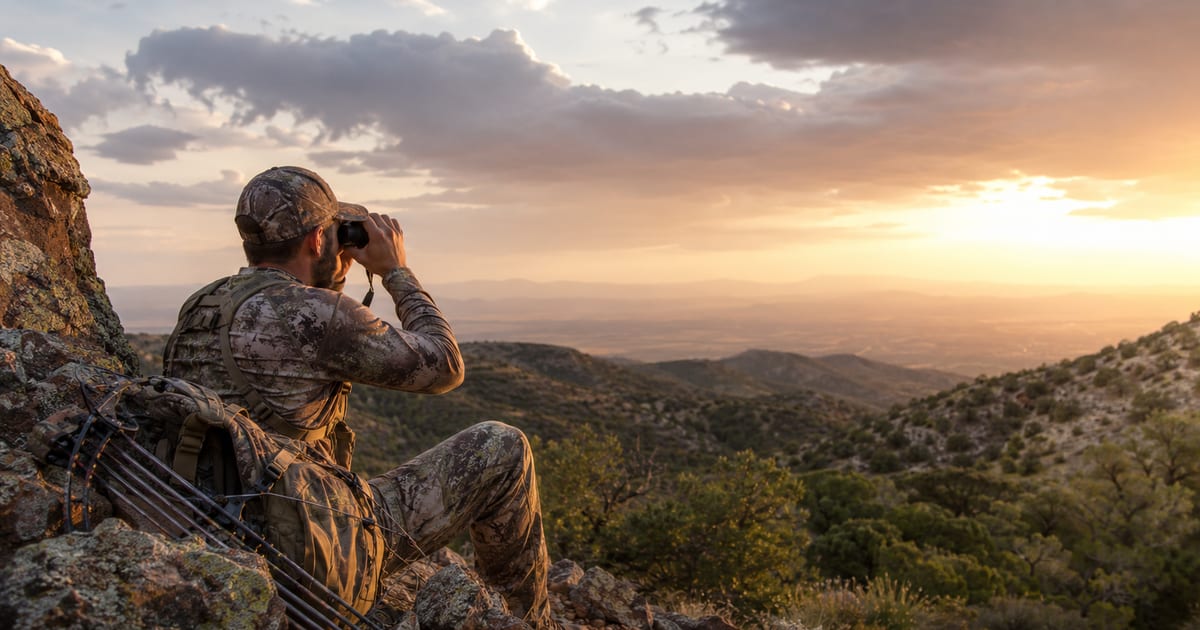
Arizona OTC Archery Deer 2026: Unit Limits and Closures
Arizona's OTC archery deer season opens August 21, 2026 — and units close the moment harvest limits fill. Here's every unit's limit, plus the best bets by real archery success rates.
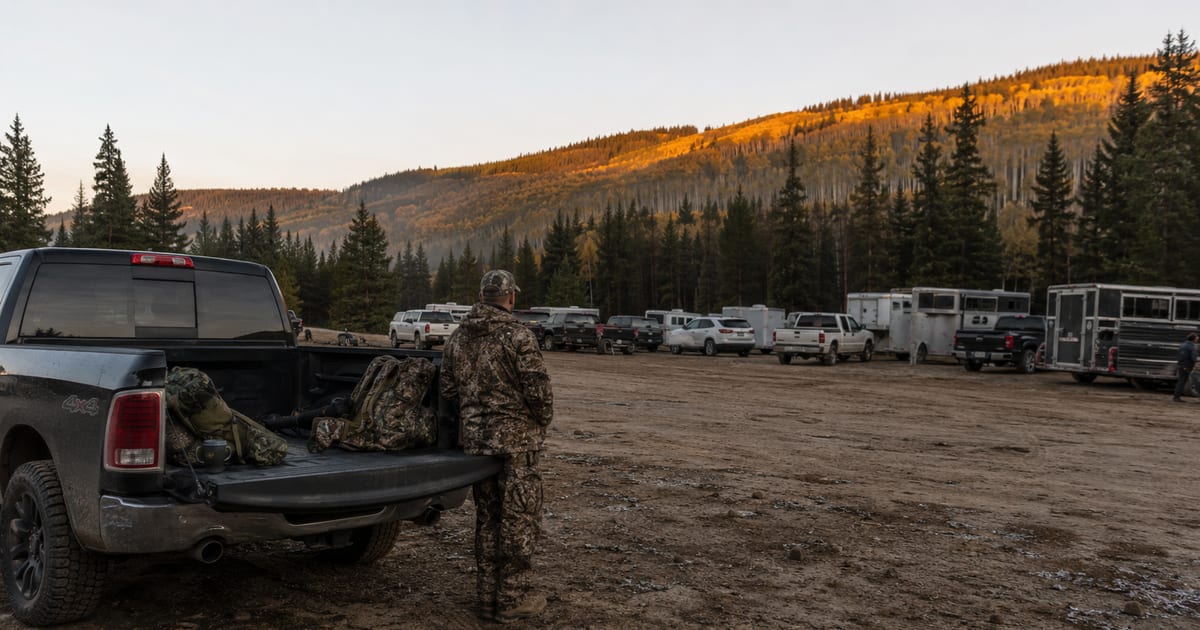
Colorado OTC Elk in 2026: What Changed for Nonresidents
Colorado eliminated unlimited nonresident OTC archery elk west of I-25 for 2026 — and Gunnison rifle tags went draw-only. Here's exactly what's still on the shelf and how to hunt this fall anyway.
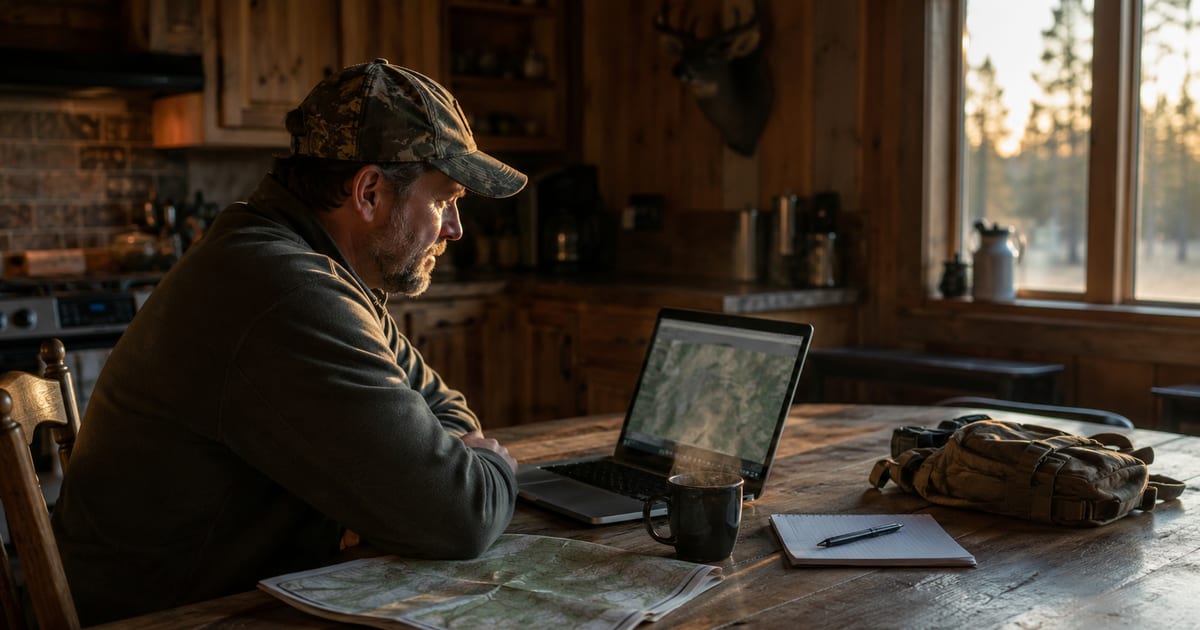
Colorado Reissue Licenses: How to Grab Returned Elk Tags
Every Wednesday through fall, CPW sells back surrendered limited licenses — including elk tags nonresidents can't get any other way in 2026. Here's the Tuesday-Wednesday ritual that actually lands one.
No comments yet. Be the first to share your experience!